

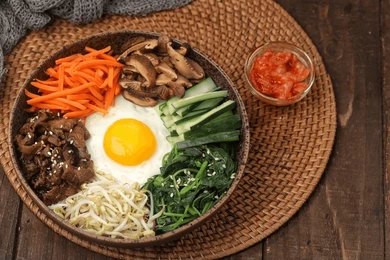
Bibimbap Korean Mixed Rice Bowl is one of Korea’s most iconic and visually stunning dishes, celebrated for its harmony of colors, textures, and flavours. Served as a warm bowl of rice topped with assorted vegetables, marinated meat, a fried or raw egg, and spicy gochujang sauce, bibimbap is both nourishing and deeply satisfying.
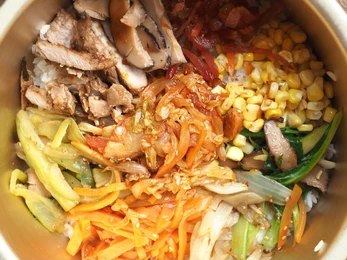
Bibimbap Korean :
The name bibimbap literally means “mixed rice,” and the joy of this dish comes from stirring everything together just before eating. Each bite delivers a perfect balance of savory, spicy, slightly sweet, and umami flavours, making it a beloved meal in Korean homes and restaurants around the world.
History of Korean Mixed Rice:
Bibimbap dates back centuries in Korean history and is believed to have originated as a practical way to use leftover side dishes (banchan). It was commonly eaten during ancestral rites or at the end of the year to ensure no food went to waste. Over time, bibimbap evolved into a celebrated national dish, with famous regional variations such as Jeonju Bibimbap, known for its high-quality ingredients and rich flavour.
Subscribe to our youtube channel Kitchenpedia for more delicious recipes and hit the like button if you enjoyed this youtubevideo. Share it with your friends and Family.
Bibimbap Korean Mixed Rice Bowl

Ingredients
For the Rice:
- 2 cups cooked short-grain white rice
Vegetable Toppings:
- 1 cup spinach
- 1 carrot, julienned
- 1 zucchini, julienned
- 1 cup bean sprouts
- 4–5 shiitake mushrooms, sliced
Protein (Optional):
- 200 g beef (sirloin or ribeye), thinly sliced
Egg:
- 2 eggs
Seasonings & Sauce:
- 2 tbsp gochujang (Korean chili paste)
- 1 tbsp soy sauce
- 1 tbsp sesame oil
- 1 tsp sugar
- 1 tsp minced garlic
- Sesame seeds for garnish
Instructions
- Blanch spinach and bean sprouts separately, squeeze out excess water, and season lightly with sesame oil and salt.
- Sauté carrots, zucchini, and mushrooms individually until just tender. Set aside.
- Marinate beef with soy sauce, garlic, sugar, and sesame oil. Stir-fry until cooked.
- Fry eggs sunny-side up, keeping the yolk slightly runny.
- Place warm rice in a bowl and arrange vegetables and beef neatly on top.
- Add the fried egg and a spoonful of gochujang. Sprinkle with sesame seeds.
- Mix everything together before eating.
Notes
- Ingredients are traditionally arranged by color for visual appeal.
- Use a stone bowl (dolsot) for crispy rice at the bottom.
- Vegetarian versions are equally authentic.
- Adjust gochujang to control spice level.
- Serve immediately while rice is hot.
Tips for Bibimbap Korean Mixed Rice:
- Cook vegetables separately to preserve flavor and texture.
- Use short-grain rice for best results.
- Add a little sesame oil at the end for aroma.
- Keep egg yolk runny for richness.
- Prepare toppings ahead to save time.
FAQs for Bibimbap Korean Mixed Rice:
Q1: Can bibimbap be made vegetarian?
Yes, simply omit meat and add tofu or extra vegetables.
Q2: Is bibimbap very spicy?
Spice level depends on the amount of gochujang used.
Q3: What rice is best for bibimbap?
Short-grain Korean or Japanese rice works best.
Q4: Can I use leftover vegetables?
Yes, bibimbap is perfect for using leftovers.
Q5: What is dolsot bibimbap?
It is bibimbap served in a hot stone bowl with crispy rice.
Conclusion:
is Bibimbap Korean Mixed Rice Bowl more than just a meal—it is a celebration of balance, nutrition, and tradition. With its colorful presentation, customizable ingredients, and bold flavors, this Korean rice bowl is both comforting and exciting, making it a timeless favorite for home cooks and food lovers alike.