

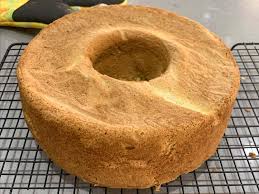
Passover Sponge Cake is one of the most beloved traditional desserts served during the Jewish holiday of Passover. Because the holiday prohibits leavened grains and regular flour, creative baking techniques are required to produce light and delicious desserts. This sponge cake relies on whipped eggs and simple Passover-approved ingredients such as potato starch or matzo cake meal to achieve its soft, fluffy texture.
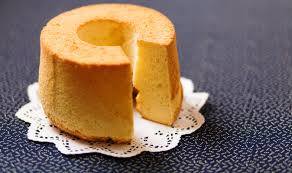
Passover Sponge Cake:
What makes Passover Sponge Cake so unique is its airy structure. Instead of using baking powder or yeast, the cake gets its lift from carefully beaten egg whites that are folded into the batter. This technique creates a delicate crumb that feels light yet satisfying, making it perfect for a festive holiday meal.Often served plain, dusted with powdered sugar, or accompanied by fresh fruit, Passover Sponge Cake is both elegant and simple. Its subtle sweetness and soft texture make it a versatile dessert that pairs beautifully with tea, coffee, or a sweet wine during Passover celebrations.
History:
The origins of Passover Sponge Cake date back to traditional Jewish baking practices developed to comply with Passover dietary laws. During Passover, observant Jews avoid chametz—foods made from leavened grains such as wheat, barley, rye, oats, and spelt. Because of this restriction, bakers historically relied on eggs, ground nuts, and potato starch to create cakes and desserts.
Sponge cakes became particularly popular in Jewish communities across Europe in the 18th and 19th centuries. The technique of beating eggs to create natural volume allowed bakers to produce soft cakes without yeast or chemical leaveners.Over time, Passover Sponge Cake became a holiday staple in Jewish households around the world. Families often pass down recipes through generations, and variations now include citrus, almond, chocolate, and honey flavors.
Subscribe to our youtube channel Kitchenpedia for more delicious recipes and hit the like button if you enjoyed this youtubevideo. Share it with your friends and Family.
Classic Passover Sponge Cake – A Light, Airy, and Traditional

Ingredients
- 8 large eggs (separated)
- 1 cup granulated sugar
- ¾ cup potato starch or matzo cake meal
- 1 teaspoon vanilla extract
- 1 teaspoon lemon zest (optional)
- ¼ teaspoon salt
- Powdered sugar for dusting
Instructions
- Preheat oven to 350°F (175°C). Lightly grease a 9-inch tube pan or round cake pan.
- Place egg whites in a large mixing bowl and egg yolks in another bowl.
- Beat egg yolks with half of the sugar until thick and pale. Add vanilla extract and lemon zest.
- Gradually mix in potato starch or matzo cake meal and stir until smooth.
- Beat egg whites with salt until soft peaks form. Slowly add the remaining sugar and beat until stiff peaks form.
- Gently fold the egg whites into the yolk mixture in batches, using a spatula to keep the batter light.
- Pour the batter into the prepared pan and smooth the top. Bake for 35–40 minutes or until a toothpick inserted in the center comes out clean.
- Allow the cake to cool completely before removing from the pan. Dust with powdered sugar and serve.
Notes
- Use room-temperature eggs for better whipping.
- Be gentle when folding egg whites to maintain volume.
- A tube pan helps the cake rise evenly.
- Potato starch keeps the cake light and fluffy.
- Lemon zest adds a refreshing flavor.
- Avoid overbaking to prevent dryness.
- The cake may slightly shrink after cooling.
- Serve with fruit or compote for extra flavor.
Tips for Passover Sponge Cake:
- Separate eggs carefully to avoid yolk in the whites.
- Beat egg whites until stiff peaks form for maximum lift.
- Sift the potato starch before adding to prevent lumps.
- Fold slowly using a rubber spatula.
- Do not open the oven door too early while baking.
- Use parchment paper for easy removal.
- Let the cake cool upside down in a tube pan for best texture.
- Add orange zest for a citrus variation.
FAQs for Passover Sponge Cake:
1. Is Passover Sponge gluten-free?
Yes, because it uses potato starch or matzo cake meal instead of regular flour.
2. Why doesn’t the cake use baking powder?
Traditional Passover recipes avoid chemical leaveners, so whipped eggs provide the lift.
3. Can I add flavors to the cake?
Yes, common additions include lemon zest, orange zest, almond extract, or cocoa powder.
4. How should I store the cake?
Store in an airtight container at room temperature for up to 2 days.
5. Can this cake be frozen?
Yes. Wrap tightly and freeze for up to one month.
6. Why did my sponge cake collapse?
This can happen if the egg whites were overmixed or if the oven door was opened too early.
Conclusion:
Passover Sponge Cake is a timeless dessert that perfectly reflects the creativity of traditional holiday baking. Despite the restrictions of Passover ingredients, this cake delivers a wonderfully light texture and delicate sweetness. Its simplicity, versatility, and festive charm make it a favorite dessert for Passover celebrations. Whether served with powdered sugar, fresh fruit, or whipped cream, this classic cake remains a cherished part of the holiday table.