

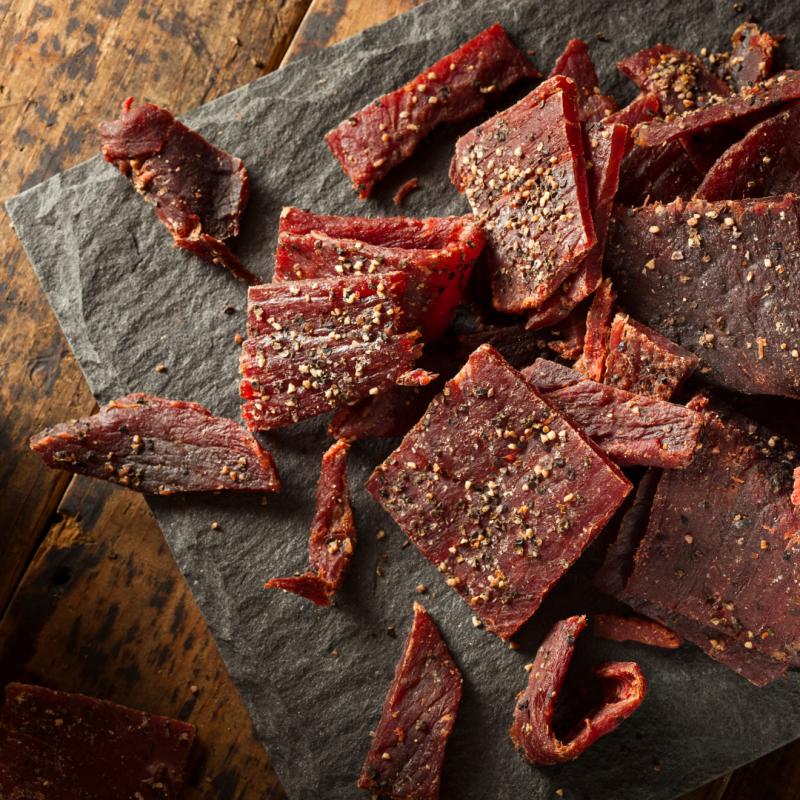
Homemade Beef Jerky is a delicious high-protein snack made by marinating thin slices of beef in a savory, flavorful mixture before drying them until they develop that classic chewy texture. Making jerky at home allows you to control the ingredients, seasoning, sweetness, saltiness, and final texture.This recipe combines soy sauce, Worcestershire sauce, garlic, black pepper, smoked paprika, and a touch of brown sugar to create a deeply savory marinade with a subtle smoky sweetness.
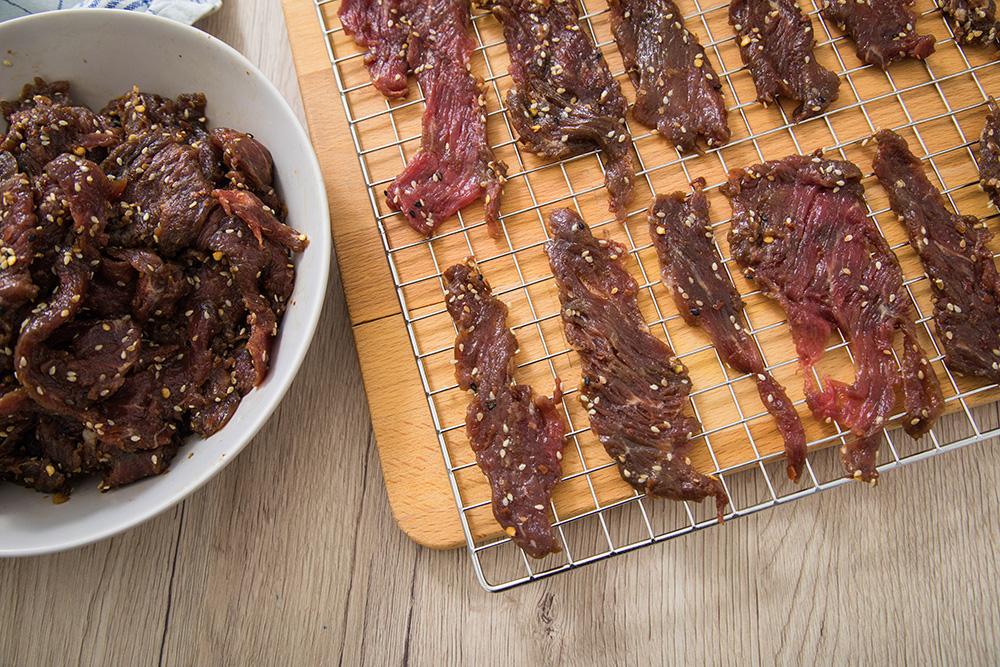
Homemade Beef Jerky:
Thinly sliced beef absorbs the marinade beautifully, resulting in flavorful strips that are perfect for snacking, hiking, road trips, lunch boxes, or outdoor adventures.With the right preparation and safe drying method, homemade beef jerky can become a delicious staple to keep on hand. The key is choosing a lean cut, slicing it evenly, marinating it thoroughly, and drying it properly.
History:
Drying meat is one of the oldest food-preservation techniques in the world. Before refrigeration, people preserved meat by removing moisture, which helped slow spoilage and made the food easier to store and transport.
The word jerky is commonly associated with the South American tradition of dried meat, particularly the Quechua term ch’arki. European settlers later adopted and adapted similar meat-preservation methods in North America.
Over time, beef jerky became a popular portable food because it was lightweight, flavorful, and convenient. Modern ovens and food dehydrators have made it much easier to prepare jerky at home while maintaining the traditional chewy character people love.
Subscribe to our youtube channel Kitchenpedia for more delicious recipes and hit the like button if you enjoyed this youtubevideo. Share it with your friends and Family.
Homemade Beef Jerky

Ingredients
For the Beef
- 2 pounds lean beef
- Flank steak, eye of round, top round, or sirloin are good choices
- Trimmed of visible fat
For the Marinade
- ½ cup low-sodium soy sauce
- ¼ cup Worcestershire sauce
- 2 tablespoons brown sugar
- 1 tablespoon apple cider vinegar
- 1 teaspoon smoked paprika
- 1 teaspoon onion powder
- 1 teaspoon freshly ground black pepper
- ½ teaspoon red pepper flakes, optional
Instructions
- Select a lean cut of beef and trim away as much visible fat as possible. Fat can become rancid during storage, so lean meat is preferable for homemade jerky.
- Using a sharp knife, slice the beef into strips approximately ⅛ to ¼ inch thick.
- For a more tender bite, slice against the grain. For chewier jerky, slice with the grain.
- In a large bowl, combine soy sauce, Worcestershire sauce, brown sugar, vinegar, smoked paprika, garlic powder, onion powder, black pepper, and optional chili powder and red pepper flakes.
- Place the sliced beef in the marinade and toss thoroughly so every piece is coated.
- Remove the beef from the refrigerator and allow excess marinade to drip off. Pat the strips lightly with paper towels.
- For food-safety purposes, the beef should reach 160°F (71°C) before or during the drying process. Follow your dehydrator manufacturer's instructions for safely preparing meat.
- Dry the strips according to your dehydrator or oven instructions until they have reached the desired jerky texture.
- If you notice any pieces that are noticeably thicker or softer than the rest, continue drying them until they reach the desired consistency.
- For best quality, store cooled jerky in an airtight container and follow food-safety storage guidance appropriate for your preparation method. Refrigeration or freezing is recommended for longer storage.
Notes
- Use lean beef because excess fat can shorten the storage life of jerky.
- Slice the meat evenly for consistent drying.
- Keep raw beef refrigerated while marinating.
- Do not reuse marinade that has contacted raw meat unless it is thoroughly cooked first.
- Avoid overcrowding the dehydrator trays.
- Drying time varies considerably depending on equipment and meat thickness.
- Always follow your dehydrator manufacturer's meat-safety instructions.
- When in doubt about storage safety, refrigerate or freeze the finished jerky rather than keeping it at room temperature.
Tips for Homemade Beef Jerky:
- Partially freeze the beef before slicing to make thin, even strips much easier to cut.
- Slice against the grain for a more tender texture.
- Add cayenne pepper for extra heat.
- Replace some of the brown sugar with maple syrup for a sweeter flavor.
- Use smoked paprika for a subtle smoky taste.
- Avoid making the strips excessively thick because they take much longer to dry.
- Taste-test a small cooked piece of marinade before marinating the meat so you can adjust seasoning.
- Keep detailed notes about drying time and thickness so you can easily reproduce your favorite batch.
FAQs for Homemade Beef Jerky:
Q: What cut of beef is best for homemade jerky?
Lean cuts such as eye of round, top round, sirloin, and flank steak work well. The most important factor is removing visible fat.
Q: Should I slice beef with or against the grain?
Slice against the grain for tender jerky. Slice with the grain if you prefer a chewier texture.
Q: How thick should beef jerky be?
Approximately ⅛ to ¼ inch is a practical range. Consistency is more important than an exact thickness.
Q: How long does homemade beef jerky take to dry?
It varies according to thickness, equipment, temperature, humidity, and desired texture. Many batches take around 4–6 hours, but some can take considerably longer.
Q: Can I make beef jerky without a dehydrator?
Yes. An oven can be used if it can safely heat the meat to the appropriate temperature and maintain suitable drying conditions. Always follow a reliable food-safety procedure.
Q: Why is my jerky too hard?
It may have been sliced too thin, dried too long, or exposed to excessive heat. Next time, use slightly thicker slices and monitor the texture earlier.
Q: Why is my jerky still soft?
The strips may need additional drying time. Thickness and humidity can significantly affect drying.
Q: How should homemade beef jerky be stored?
Because homemade jerky can vary in moisture content and processing, refrigeration or freezing is the safest choice for extended storage. Use a clean airtight container and discard jerky if you notice mold, unusual odors, or other signs of spoilage.
Conclusion:
Homemade Beef Jerky is a flavorful and satisfying snack that turns lean beef into deliciously chewy strips packed with savory, smoky, and slightly sweet flavors. The homemade version gives you complete control over the marinade and seasoning, allowing you to create anything from mild and savory to spicy and bold.
The most important steps are choosing lean meat, slicing it evenly, marinating it under refrigeration, and following a reliable food-safety and drying process. Once you master those basics, you’ll be able to customize each batch with your favorite spices and flavors.
Serve your homemade jerky as a convenient snack for travel, outdoor adventures, busy days, or whenever you want a flavorful protein-rich bite.