

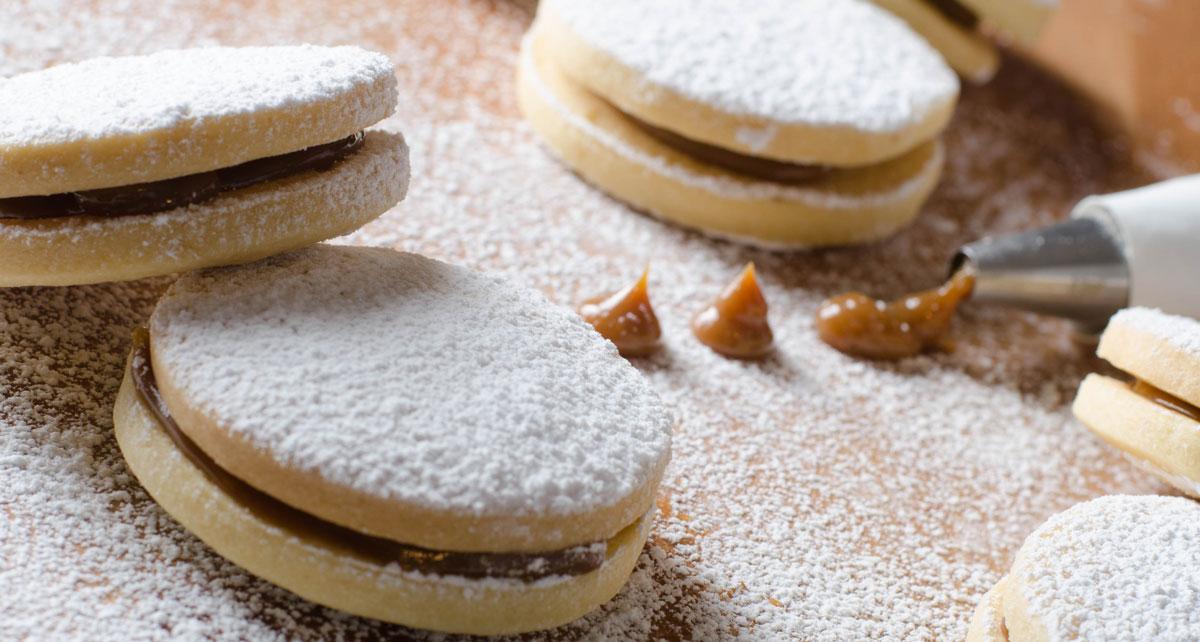
Manjar, often known as dulce de leche, is one of the most cherished sweet treats in Chilean cuisine. Made by slowly cooking milk and sugar until the mixture transforms into a thick, silky caramel, homemade manjar has an incredibly smooth texture and deep milky sweetness that is difficult to resist.
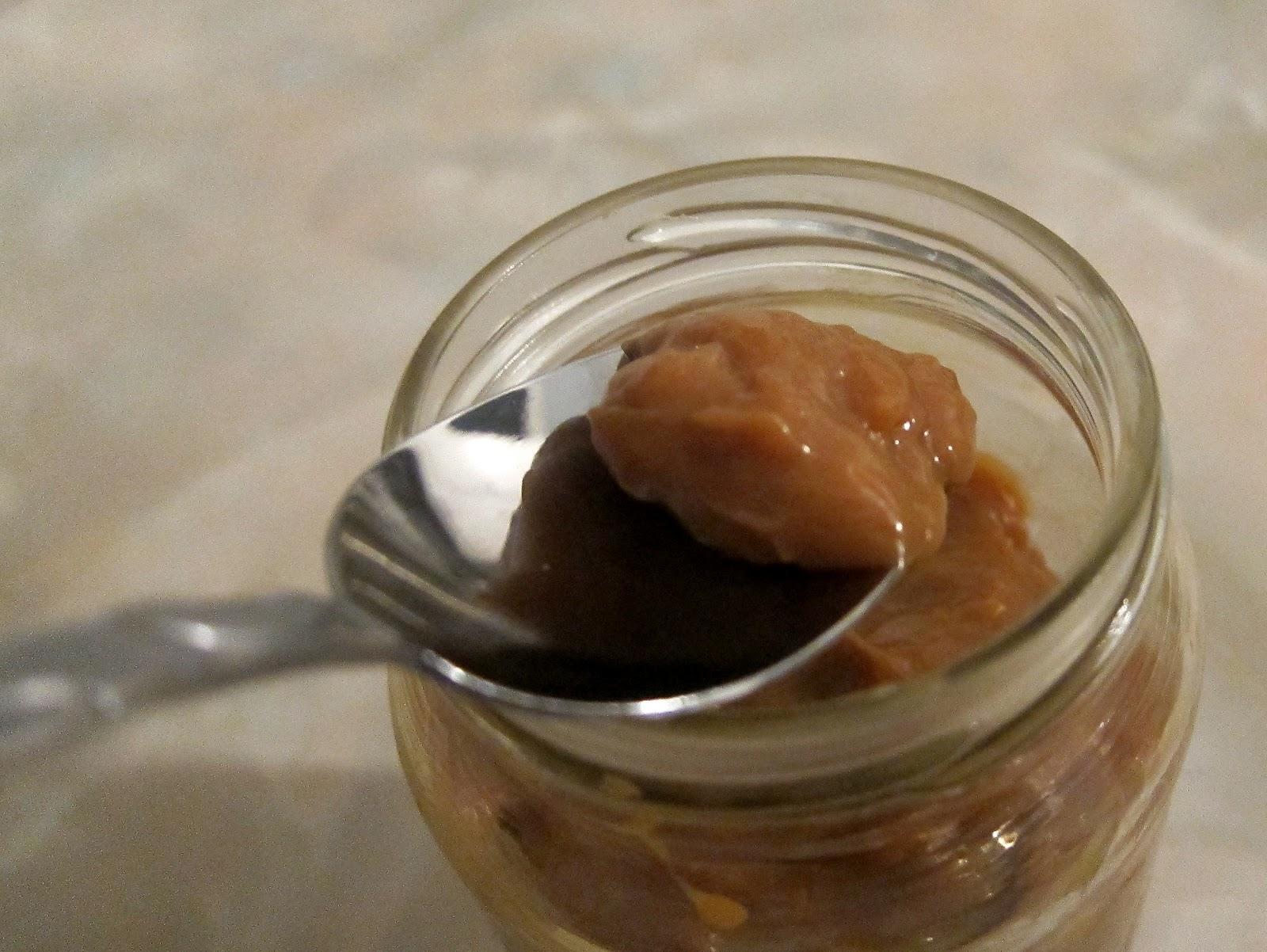
Manjar:
Although the ingredients are simple, the magic happens during the slow cooking process. As the milk gently reduces, the sugar caramelizes and the mixture gradually changes from pale and liquid to golden, thick, glossy, and wonderfully aromatic. Patience and regular stirring are the keys to achieving the perfect consistency.Homemade Manjar is delicious spread over toast, pancakes, waffles, cookies, cakes, and pastries. It can also be eaten by the spoonful or used as a filling for traditional Chilean desserts. Once you learn how easy it is to make from scratch, you’ll always have a reason to keep a jar in the refrigerator.
History:
Milk caramel has a long history across Latin America, and several countries have developed their own traditional versions. In Chile, it is known as manjar and has become a fundamental ingredient in many classic sweets and desserts.
The preparation reflects older methods of preserving milk by combining it with sugar and reducing it over heat. Over generations, Chilean cooks incorporated manjar into cakes, cookies, pastries, puddings, and other desserts.
While recipes differ throughout Latin America, Chilean manjar is particularly known for its rich, creamy consistency and use in beloved desserts such as alfajores, cuchuflí, tortas, and pastries.
Subscribe to our youtube channel Kitchenpedia for more delicious recipes and hit the like button if you enjoyed this youtubevideo. Share it with your friends and Family.
Manjar

Ingredients
- 8 cups whole milk
- 2 cups granulated sugar
- ½ teaspoon baking soda
- 1 teaspoon vanilla extract
- 1 small pinch of salt
Instructions
Choose the Right Pot
- Use a large, heavy-bottomed saucepan or Dutch oven.The pot should be considerably larger than the amount of milk because the mixture can foam during the early stages of cooking.
Combine the Ingredients
- Pour the whole milk into the saucepan.Add the sugar, baking soda, and salt.Stir gently until the sugar begins to dissolve.
Heat the Milk
- Place the saucepan over medium heat.Warm the mixture while stirring occasionally.Do not allow the milk to boil aggressively.
Add the Vanilla
- Once the sugar has dissolved and the milk is hot, add the vanilla extract.Stir well.
Begin the Slow Reduction
- Reduce the heat to medium-low.Allow the mixture to simmer gently.As the water evaporates, the milk will gradually become thicker and darker.
Continue Cooking
- Cook for approximately 1½–2 hours.The exact cooking time depends on the size of your pot, heat level, and desired consistency.The mixture will gradually change from pale milk to a creamy golden caramel.
Check the Consistency
- To test the consistency, place a small spoonful on a chilled plate.Allow it to cool for a minute.If it holds its shape and remains thick and creamy, the manjar is ready.Remember that it will thicken considerably as it cools.
Finish the Manjar
- Remove the saucepan from the heat.Stir thoroughly until smooth.If you notice any small lumps, pass the manjar through a fine-mesh strainer while it is still warm.
Store
- Transfer the cooled manjar to a clean, airtight glass jar.Refrigerate until ready to use.
Notes
- Whole milk: Full-fat milk gives the richest texture.
- Pot: A heavy-bottomed pot helps distribute heat evenly.
- Baking soda: A small amount encourages browning and helps prevent excessive curdling.
- Heat: Keep the temperature gentle during the long cooking process.
- Stirring: Stir more frequently as the mixture thickens.
- Color: Deep golden brown generally indicates a more caramelized flavor.
- Cooling: The manjar becomes considerably thicker once chilled.
- Consistency: Stop cooking slightly before reaching your final desired thickness.
Tips for Manjar:
- Use the widest suitable saucepan to speed up evaporation.
- Never leave the pot unattended for long periods.
- Scrape the bottom regularly as the milk becomes thick.
- Lower the heat immediately if the mixture starts sticking.
- Use a wooden spoon or heat-resistant silicone spatula.
- Test the consistency on a chilled plate rather than judging only while hot.
- Let the manjar cool completely before deciding whether it needs additional cooking.
- Store it in a clean, airtight container to maintain freshness.
FAQs for Manjar:
Q: What is Manjar?
Manjar is the Chilean name for a thick, sweet milk caramel similar to dulce de leche. It is made by slowly cooking milk and sugar until the mixture becomes caramelized and creamy.
Q: Is manjar the same as dulce de leche?
They are closely related milk caramel preparations. Names, ingredients, cooking methods, and textures vary between countries and families throughout Latin America.
Q: Why does my manjar taste burnt?
The heat may have been too high or the mixture may not have been stirred frequently enough. Use low to medium-low heat once the initial heating stage is complete.
Q: How do I know when manjar is ready?
It should be thick, glossy, and caramel-colored. Remember that it will continue to thicken as it cools.
Q: Can I use low-fat milk?
You can, but whole milk is strongly preferred for a richer and creamier result.
Q: Can I make manjar without baking soda?
Yes, although baking soda helps with browning and can contribute to the characteristic caramel color.
Q: How should homemade manjar be stored?
Store it in a clean, airtight container in the refrigerator.
Q: What can I make with manjar?
Use it as a filling or topping for alfajores, cakes, cookies, pancakes, waffles, toast, ice cream, pastries, and many other desserts.
Conclusion:
Making from scratch is a beautiful example of how simple ingredients can be transformed through patience and gentle cooking. Milk, sugar, vanilla, and a tiny amount of baking soda slowly become a luxurious caramel with a smooth texture and irresistible flavor.
Whether spread over warm toast, layered into a cake, piped into alfajores, or spooned over ice cream, homemade manjar adds authentic Chilean sweetness to countless desserts. Once prepared, keep a jar in the refrigerator and enjoy this versatile milk caramel whenever a delicious treat is needed.