

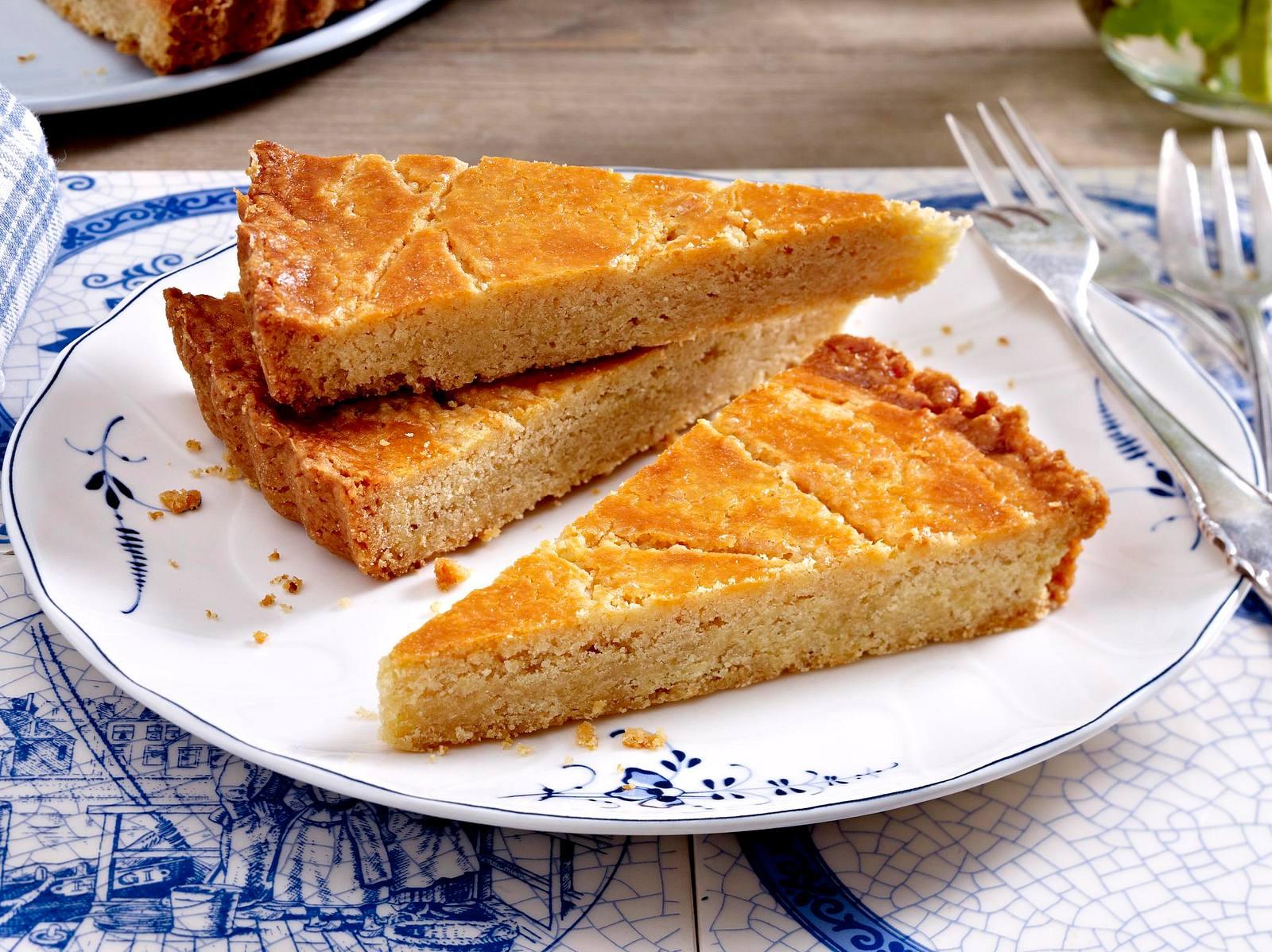
Boterkoek, often called Dutch Butter Cake, is a wonderfully rich and simple Dutch bake made primarily with butter, sugar, flour, and eggs. Unlike a light sponge cake, boterkoek has a dense, tender, almost shortbread-like texture with a beautifully golden surface and an intensely buttery flavor.This classic Dutch treat is traditionally baked in a round shallow pan and decorated with a simple crisscross pattern.
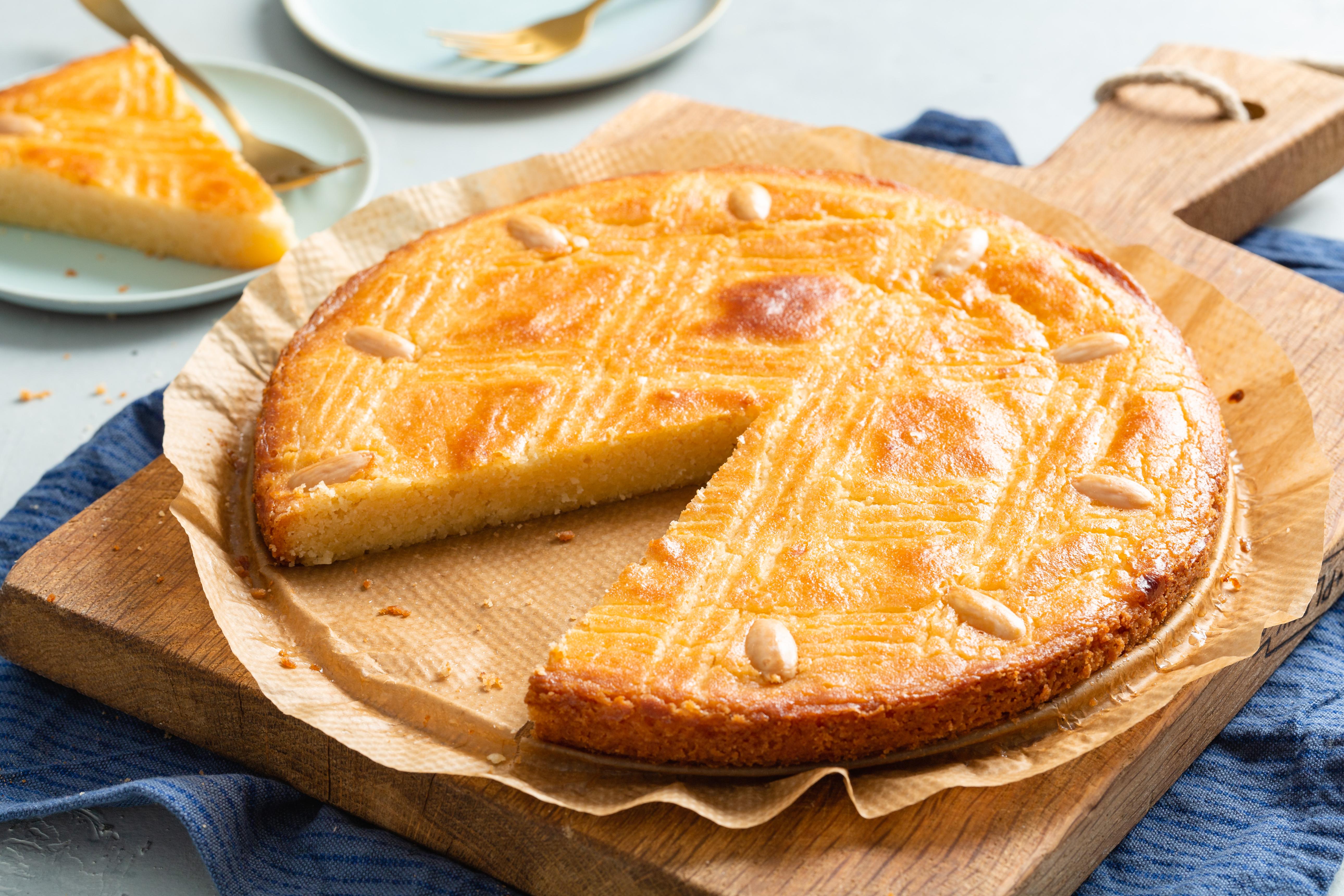
Boterkoek:
A small amount of almond extract or vanilla adds delicate fragrance, while an egg wash gives the top its characteristic glossy golden finish. Every bite is rich, slightly chewy, and wonderfully satisfying.Boterkoek is perfect with a cup of coffee or tea and makes an excellent afternoon treat, dessert, or holiday bake. Because the recipe uses everyday pantry ingredients and requires minimal preparation, it is also an ideal choice when you want an impressive homemade dessert without complicated techniques.
History:
Boterkoek is a traditional Dutch pastry that has been enjoyed in the Netherlands for generations. Its name literally translates to “butter cake,” reflecting the generous amount of butter used in the recipe.
Unlike many European cakes that rely on whipped eggs or chemical leavening for a light texture, boterkoek is intentionally rich and compact. Its character comes from high-quality butter combined with sugar and flour, producing a texture somewhere between a soft cookie and a dense cake.
Subscribe to our youtube channel Kitchenpedia for more delicious recipes and hit the like button if you enjoyed this youtubevideo. Share it with your friends and Family.
Boterkoek

Ingredients
For the Cake
- 1 cup (225 g) unsalted butter, softened
- 1 cup (200 g) granulated sugar
- 2 cups (250 g) all-purpose flour
- 1 large egg
- 1 teaspoon almond extract
- 1 teaspoon vanilla extract
- ¼ teaspoon salt
For the Topping
- 1 tablespoon beaten egg
- ¼ cup sliced almonds, optional
Instructions
Prepare the Oven
- Preheat the oven to 350°F (175°C).Grease a 9-inch (23 cm) round shallow cake or pie pan.You can also line the bottom with parchment paper for easier removal.
Cream the Butter and Sugar
- Place the softened butter and sugar in a large mixing bowl.Beat for approximately 2–3 minutes until smooth and creamy.Do not whip the mixture excessively; boterkoek should remain dense.
Add the Egg
- Add one egg to the butter mixture.Reserve approximately one tablespoon of beaten egg for brushing the top.Mix until fully incorporated.
Add the Flavorings
- Add the almond extract and vanilla extract.Mix well.The almond extract provides the characteristic fragrance often associated with Dutch butter cake.
Make the Dough
- Gradually add the flour mixture to the butter mixture.Mix just until a soft, thick dough forms.Avoid overmixing.
Smooth the Surface
- Smooth the top with the back of a spoon or spatula.Aim for an even thickness so the cake bakes uniformly.
Add the Egg Wash
- Brush the reserved beaten egg gently over the surface.This produces the glossy golden finish associated with classic boterkoek
Add Almonds
- If desired, arrange sliced almonds over the top.Press them very gently into the dough so they remain in place during baking.
Bake
- Place the pan in the preheated oven.Bake for approximately 25–30 minutes.The top should be golden brown while the center remains slightly soft.
Slice
- Cut the boterkoek into thin wedges.Because it is rich and buttery, smaller slices are usually sufficient
Serve
- Serve at room temperature with coffee, tea, or a glass of milk.
Notes
- Butter: Use good-quality unsalted butter for the best flavor.
- Texture: Boterkoek should be dense and buttery rather than fluffy.
- Almond: Almond extract gives a traditional flavor but can be replaced with vanilla.
- Egg: Reserve some beaten egg for brushing the top.
- Pan: A shallow round pan creates the classic shape.
- Baking: The center should remain slightly soft when removed from the oven.
- Cooling: The texture becomes firmer as the cake cools.
- Serving: Thin slices are ideal because this is a very rich cake.
Tips for Boterkoek:
- Bring the butter to room temperature before mixing.
- Measure the flour accurately to avoid a dry cake.
- Don’t overmix after adding the flour.
- Spread the dough evenly in the pan.
- Wet your fingers slightly if the dough is difficult to spread.
- Don’t skip the egg wash because it creates the beautiful golden surface.
- Watch the cake carefully during the final minutes of baking.
- Allow it to cool completely before cutting clean slices.
FAQs for Boterkoek:
Q: What is Boterkoek?
Boterkoek is a traditional Dutch butter cake made with butter, sugar, flour, and egg. It has a rich, dense, tender texture and is typically baked in a shallow round pan.
Q: Is Boterkoek a cake or a cookie?
It falls somewhere between the two. Although called a butter cake, its dense and tender texture is similar to a rich shortbread or soft cookie.
Q: Why is Boterkoek so dense?
The recipe contains a high proportion of butter and does not rely on large amounts of leavening. This creates its characteristic rich and compact texture.
Q: Can I use salted butter?
Yes. If using salted butter, reduce or omit the additional salt in the recipe.
Q: Can I make Boterkoek without almond extract?
Yes. Use vanilla extract instead, although almond extract provides a particularly traditional flavor.
Q: Why is my Boterkoek dry?
It may have been overbaked or made with too much flour. Remove it from the oven when the top is golden and the center still feels slightly soft.
Q: Can I add almonds?
Yes. Sliced almonds can be arranged over the surface before baking for additional texture and flavor.
Q: How should I store Boterkoek?
Store it in an airtight container at room temperature for several days. It can also be refrigerated for longer storage, although it is best brought back to room temperature before serving.
Conclusion:
Boterkoek is a beautiful example of traditional Dutch baking at its simplest. With just a few everyday ingredients, you can create a rich, buttery cake with crisp golden edges and a wonderfully tender center.
Its uncomplicated preparation makes it perfect for beginner bakers, while its distinctive texture and deep butter flavor make it special enough for afternoon gatherings and celebrations. Slice it thinly, serve it alongside a hot cup of coffee or tea, and enjoy a classic taste of the Netherlands.