

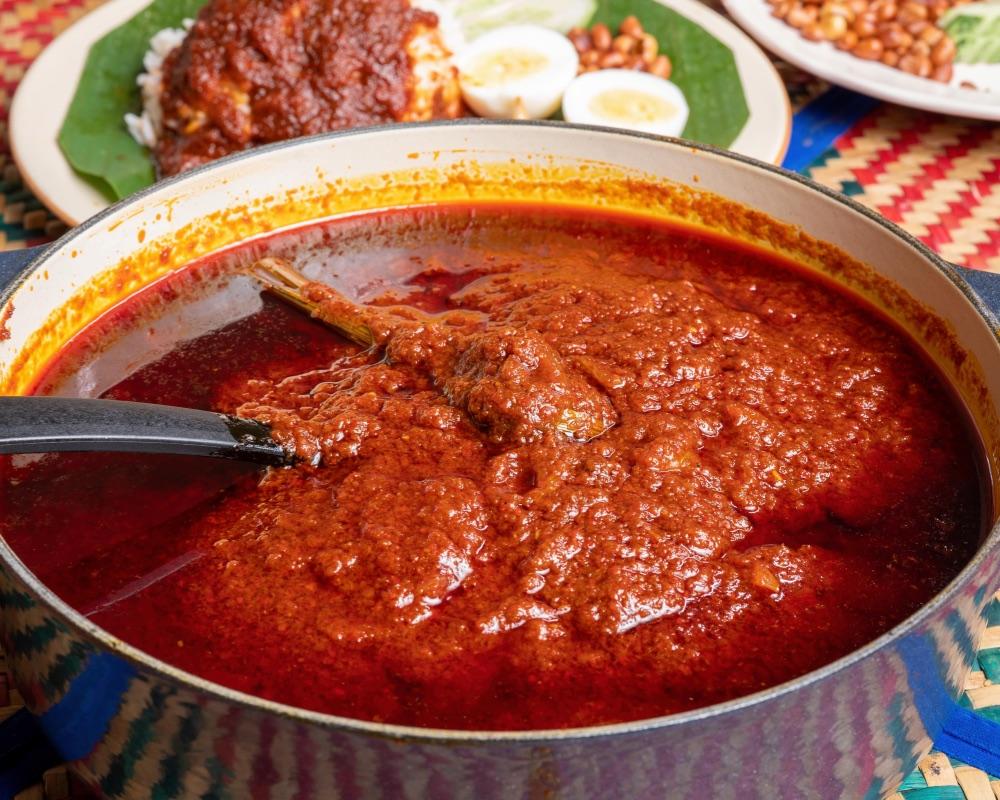
Sambal Sauce is one of the most essential and versatile condiments in Malaysian cuisine. Bold, spicy, aromatic, and deeply savory, sambal is made from chilies combined with ingredients such as garlic, shallots, tamarind, sugar, and oil. Depending on the style, it can be smooth or chunky, fiery hot or moderately spicy, and sweet, sour, salty, or intensely savory.There are many types of sambal across Malaysia and Southeast Asia, and recipes vary widely from one region, family, and dish to another. Some sambals are cooked slowly until dark and fragrant, while others are freshly pounded or blended.
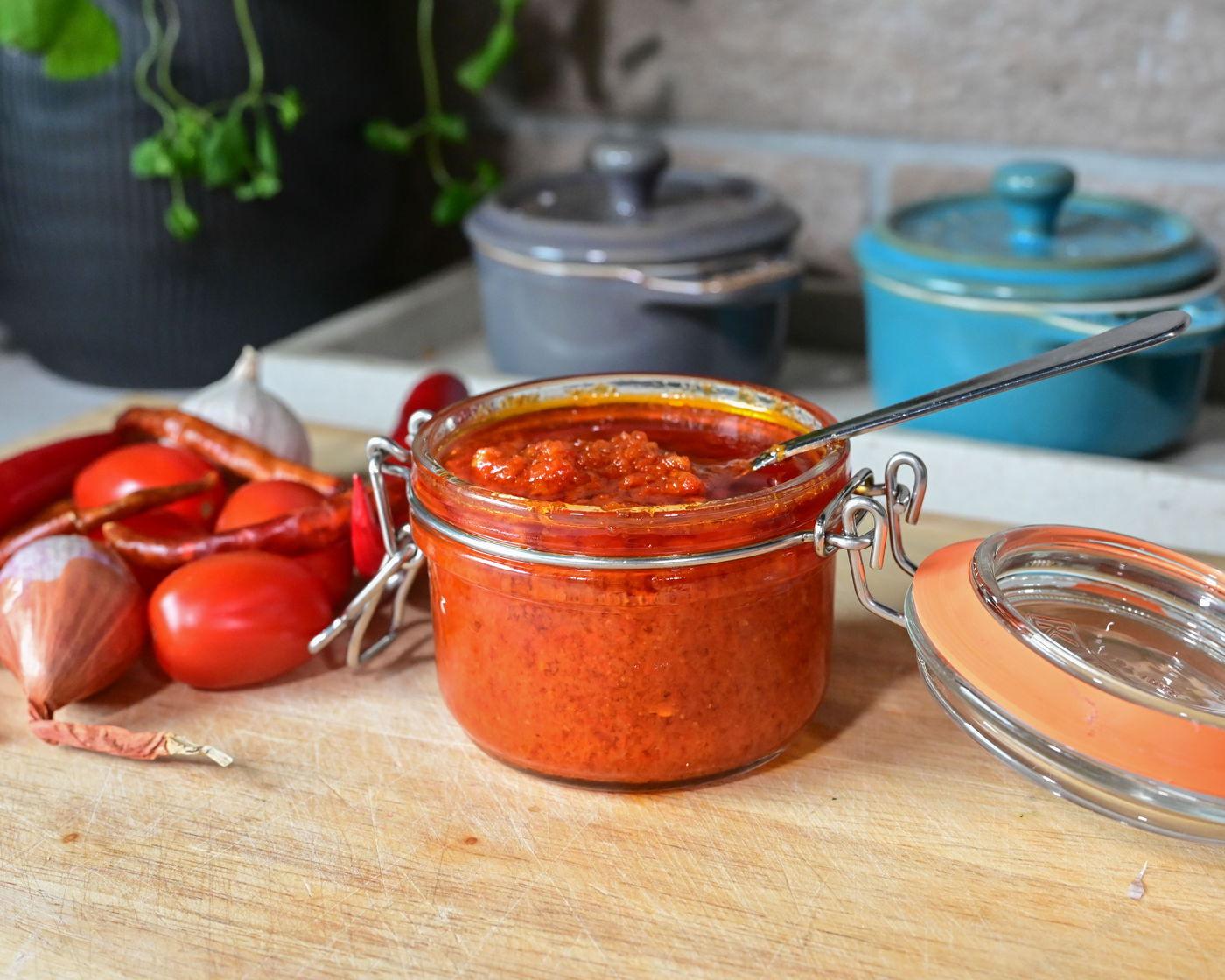
Sambal Sauce:
This cooked Malaysian-style sambal creates a rich, glossy sauce that is especially delicious with nasi lemak, grilled meats, fried chicken, seafood, eggs, vegetables, and rice dishes.The secret to excellent sambal is balancing its flavors rather than focusing only on heat. Tamarind contributes gentle sourness, palm sugar rounds out the chilies, shallots provide sweetness and body, while slow cooking allows the aromatics and chilies to develop a deep, concentrated flavor. Once prepared, this sambal can become a staple condiment for countless Malaysian-inspired meals.
History of Sambal Sauce:
Sambal has a long history throughout the culinary traditions of Southeast Asia, particularly in Malaysia and Indonesia. Chilies became an important ingredient in the region after their introduction from the Americas through global trade centuries ago, eventually becoming deeply integrated into local cuisines.Before chilies became widespread, Southeast Asian cuisines already used aromatic ingredients, fermented foods, spices, and pungent seasonings to create flavorful condiments. Chilies eventually became a defining component of many sambal preparations.In Malaysia, sambal developed into numerous regional and culinary variations. It is commonly served alongside rice dishes and can also be incorporated into cooked preparations. Sambal’s flexibility has made it one of the region’s most recognizable and beloved sauces.
Subscribe to our youtube channel Kitchenpedia for more delicious recipes and hit the like button if you enjoyed this youtubevideo. Share it with your friends and Family.
Sambal Sauce

Ingredients
- 12 dried red chilies
- 6 fresh red chilies
- 8 shallots, peeled
- 5 garlic cloves
- 1-inch piece fresh ginger
- 2 stalks lemongrass, tender inner portion
- 3 tablespoons cooking oil
- 1 tablespoon tamarind paste
- 2 tablespoons palm sugar or brown sugar
- 1 teaspoon salt
- ½ cup water, as needed
- 1 tablespoon dried shrimp, soaked and finely blended
- 1 small onion, thinly sliced
- 1 teaspoon shrimp paste, toasted
- 1 teaspoon lime juice
Instructions
Prepare the Dried Chilies
- Place the dried chilies in a bowl of warm water.Allow them to soak for approximately 15–20 minutes until softened.Drain thoroughly.Remove the stems and seeds if you want to reduce the heat.
Prepare the Fresh Chilies
- Wash the fresh chilies and remove the stems.For a milder sambal, remove some or all of the seeds.
Prepare the Aromatics
- Peel the shallots, garlic, and ginger.Trim the lemongrass and use the tender inner portion.Slice the aromatics into smaller pieces so they blend more easily.
Blend the Sambal Paste
- Place the soaked dried chilies, fresh chilies, shallots, garlic, ginger, and lemongrass into a blender or food processor.Add a small amount of water if necessary.Blend into a smooth or slightly coarse paste, depending on your preferred texture.
Heat the Oil
- Heat the cooking oil in a heavy skillet or wok over medium heat.Use enough oil to gently fry the paste without allowing it to stick.
Cook the Chili Paste
- Carefully add the blended paste to the hot oil.Cook over medium-low heat for approximately 20–25 minutes, stirring frequently.The paste will gradually darken, thicken, and become more fragrant.
Add Tamarind
- Stir in the tamarind paste.Mix thoroughly.Tamarind provides the characteristic sour note that balances the heat and sweetness.
Add Palm Sugar
- Add the palm sugar or brown sugar.Stir until completely dissolved.Taste the sambal and adjust the sweetness according to your preference
Add Optional Ingredients
- If desired, stir in shrimp paste, dried shrimp, kaffir lime leaves, or sliced onion.Cook for another 5 minutes so the flavors blend.
Adjust the Texture
- If the sambal is too thick, add a tablespoon of water and stir.If it is too thin, continue cooking uncovered until excess moisture evaporates.
Cool the Sambal
- Turn off the heat.Allow the sambal to cool to room temperature before transferring it to a clean container.
Store
- Transfer the sambal to a clean, airtight glass jar.Refrigerate promptly.For longer storage, freeze small portions so you can thaw only what you need.
Notes
- Chili choice: The type of chili determines much of the sambal's heat and color.
- Heat level: Removing chili seeds can reduce the intensity, although the actual heat depends mainly on the chili variety.
- Oil: Oil helps cook the chili paste and gives the finished sambal its characteristic glossy texture.
- Tamarind: Tamarind balances the richness with acidity.
- Sugar: Palm sugar is traditional in many versions, but brown sugar is a convenient substitute.
- Shrimp paste: Belacan adds strong fermented seafood flavor and is optional depending on the style.
- Cooking: Slow cooking develops deeper flavor than quickly frying the paste.
- Storage: Always use a clean utensil when removing sambal from the storage container.
Tips for Sambal Sauce:
- Wear gloves when handling large quantities of chilies.
- Soak dried chilies thoroughly before blending for a smoother paste.
- Avoid adding too much water while blending.
- Cook the sambal slowly to develop its deepest flavor.
- Stir regularly to prevent the paste from sticking or burning.
- Taste only after the mixture has cooked for a while because the flavor changes as it reduces.
- Allow the sambal to cool before transferring it to a storage container.
- Freeze sambal in small portions for convenient long-term storage.
FAQs for Sambal Sauce:
1. What is Sambal Sauce?
Sambal is a spicy Southeast Asian chili condiment made from chilies and various aromatics. Malaysian versions often include shallots, garlic, tamarind, sugar, and oil.
2. Is Malaysian sambal very spicy?
It can be very spicy, but the heat level varies. You can make a milder version by reducing the chilies or using less-hot varieties.
3. What is the difference between sambal and chili sauce?
Sambal is generally a chili-based condiment with a thicker, more concentrated texture and often contains aromatics, spices, fermented ingredients, or souring agents. Commercial chili sauces can be smoother and sweeter.
4. Can I make sambal without shrimp paste?
Yes. Shrimp paste and dried shrimp are optional in many recipes. The sambal will still be flavorful without them.
5. How long does homemade sambal last?
When stored in a clean airtight container in the refrigerator and handled properly, homemade sambal can keep for several days to a couple of weeks. For longer storage, freeze it in portions.
6. Can I freeze sambal?
Yes. Freeze sambal in small airtight portions and thaw only the amount you need.
7. What can I eat with sambal?
Sambal pairs particularly well with nasi lemak, rice, noodles, fried chicken, grilled fish, eggs, seafood, tofu, tempeh, and vegetables.
8. Why does my sambal taste bitter?
Burnt chilies or aromatics can make sambal bitter. Cook it over moderate to low heat and stir regularly, especially as it becomes thick.
Conclusion:
Sambal Sauce is one of the most versatile components of Malaysian cuisine. Its combination of fiery chilies, fragrant shallots, garlic, lemongrass, tangy tamarind, and palm sugar creates a condiment with remarkable depth and character.The most important step is cooking the blended chili paste slowly. Patience allows the raw chili and aromatic flavors to mellow and develop into a rich, glossy sauce. You can make it mild or fiery, smooth or chunky, sweet or intensely savory depending on how you adjust the ingredients.Keep a jar of homemade sambal in the refrigerator and use it to instantly add Malaysian-inspired flavor to rice, noodles, eggs, seafood, grilled meats, vegetables, and countless other dishes.