

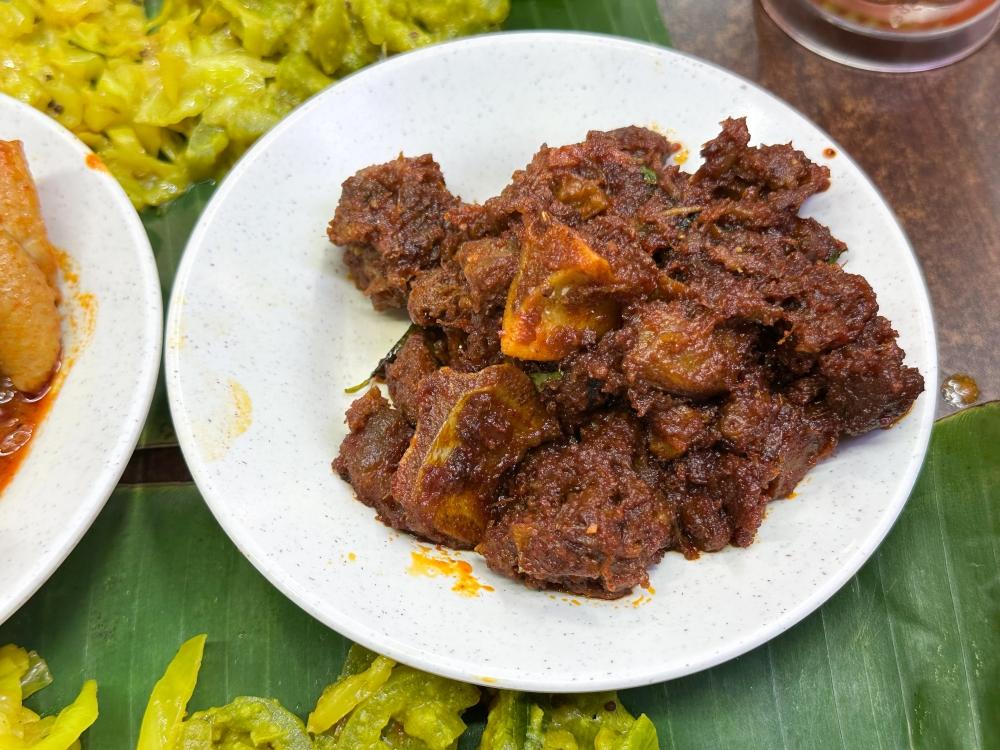
Mutton Varuval, also known as a Malaysian Indian-style goat curry, is a deeply aromatic dish inspired by the rich Indian culinary traditions that have become an important part of Malaysian food culture. Tender pieces of goat are slowly cooked with onions, garlic, ginger, curry leaves, chilies, and a fragrant blend of roasted spices, creating a dish with bold savory flavor and a wonderfully aromatic finish.The word varuval is associated with a dry or reduced style of cooking in South Indian cuisine, where ingredients are cooked until the moisture is reduced and the spices cling closely to the meat.
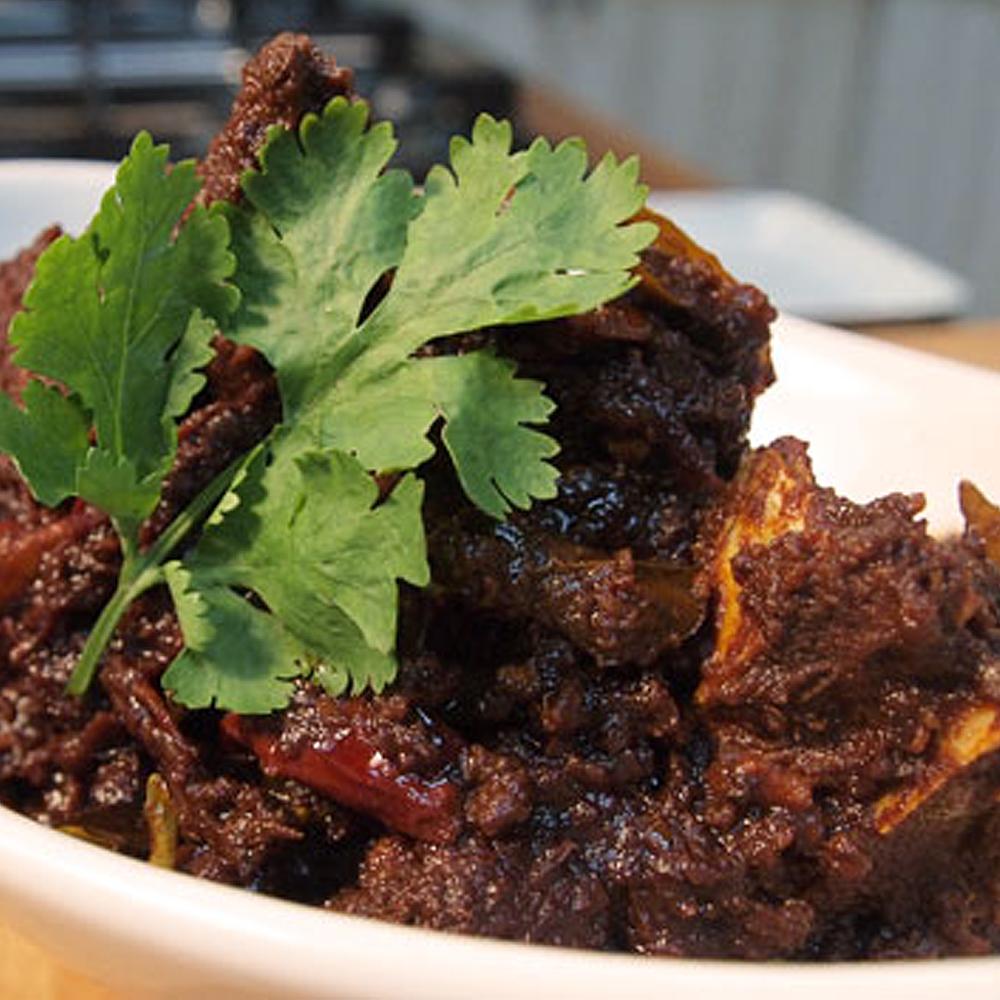
Mutton Varuval:
Malaysian Indian versions can vary considerably, with some preparations having a thick gravy while others are almost dry. This recipe combines tender goat with a concentrated, richly spiced sauce that is perfect for serving with rice or flatbreads.The secret to an excellent Mutton Varuval is patience. Goat meat benefits from slow cooking until tender, while properly frying the onions and spice mixture creates the deep flavor that makes this dish special. Curry leaves, fennel, cumin, coriander, cinnamon, cloves, and cardamom add layers of warmth and fragrance without overpowering the natural flavor of the meat.
History of Mutton Varuval:
Mutton Varuval reflects the long-standing influence of South Indian cuisine within Malaysia’s Indian communities. Indian migration to Malaya during the colonial period contributed many culinary traditions, ingredients, cooking techniques, and dishes that are now firmly established in Malaysian food culture.South Indian cooking commonly uses techniques such as tempering spices in hot oil, frying aromatics, and reducing sauces until their flavors become concentrated. Varuval-style preparations follow this approach, creating dishes where spices coat meat or vegetables rather than producing a thin curry.Over generations, Malaysian Indian cooks adapted these traditions to local ingredients and tastes. Malaysian versions may incorporate local curry powders, chilies, coconut, pandan, or other regional ingredients. Mutton Varuval is now enjoyed in Malaysian Indian restaurants, homes, celebrations, and festive meals.
Subscribe to our youtube channel Kitchenpedia for more delicious recipes and hit the like button if you enjoyed this youtubevideo. Share it with your friends and Family.
Mutton Varuval

Ingredients
For the Mutton
- 2½ lb (1.1 kg) goat meat, cut into medium pieces
- 1 teaspoon turmeric powder
- 1 teaspoon salt
- 2 tablespoons lemon juice
Whole Spices
- 2 tablespoons cooking oil
- 1 cinnamon stick
- 4 green cardamom pods
- 4 cloves
- 1 star anise
- 1 teaspoon fennel seeds
- 1 teaspoon cumin seeds
- 1 teaspoon mustard seeds
Aromatics
- 2 large onions, finely sliced
- 5 garlic cloves, minced
- 1½-inch piece fresh ginger, minced
- 2–3 green chilies, sliced
- 2 sprigs fresh curry leaves
Ground Spices
- 2 tablespoons Malaysian or South Indian curry powder
- 1½ teaspoons coriander powder
- 1 teaspoon cumin powder
- 1 teaspoon fennel powder
- 1 teaspoon Kashmiri chili powder
- ½ teaspoon turmeric powder
- ½ teaspoon black pepper
For the Curry
- 2 medium tomatoes, chopped
- 2 tablespoons tomato paste
- 1½ cups water or goat stock
- ½ cup coconut milk, optional
- 1 teaspoon tamarind paste
- 1 teaspoon salt, or to taste
For Finishing
- 1 tablespoon ghee or coconut oil
- 1 sprig fresh curry leaves
- Fresh cilantro or coriander
- Sliced green chilies
- Lime wedges
Instructions
Prepare the Goat Meat
- Place the goat meat in a large bowl.Add turmeric powder, salt, and lemon juice.Mix thoroughly so every piece is coated.Cover and refrigerate for approximately 30 minutes.
Prepare the Aromatics
- Slice the onions thinly.Mince the garlic and ginger.Slice the green chilies.Wash the curry leaves and pat them dry.Keeping the ingredients ready before cooking makes the process much easier.
Heat the Oil
- Heat the cooking oil in a large heavy-bottomed pot or Dutch oven over medium heat.The pot should be large enough to hold the goat and sauce comfortably.
Temper the Whole Spices
- Add the cinnamon, cardamom, cloves, star anise, fennel seeds, cumin seeds, and mustard seeds.Cook for approximately 30–60 seconds until fragrant.Be careful not to burn the spices.
Add Curry Leaves
- Add the curry leaves.They will sizzle in the hot oil and release their distinctive aroma.
Fry the Onions
- Add the sliced onions.Cook for approximately 8–12 minutes, stirring frequently.The onions should become soft and golden brown.This step is important because well-cooked onions provide sweetness and depth to the curry.
Add Ginger, Garlic, and Chilies
- Add the minced ginger, garlic, and sliced green chilies.Cook for another 2–3 minutes until fragrant.
Add the Tomatoes
- Add the chopped tomatoes and tomato paste.Cook until the tomatoes soften and the mixture becomes thick.This usually takes approximately 5–7 minutes.
Add the Ground Spices
- Reduce the heat to medium-low.Add the curry powder, coriander powder, cumin powder, fennel powder, chili powder, turmeric, and black pepper.Stir thoroughly.Cook for 1–2 minutes, adding a small splash of water if necessary to prevent the spices from sticking.
Add the Goat Meat
- Add the marinated goat pieces to the pot.Stir thoroughly so the meat becomes coated with the spice mixture.Cook for approximately 5–8 minutes, stirring occasionally.
Add the Liquid
- Pour in the water or goat stock.Stir and scrape the bottom of the pot to release any flavorful browned spices.
Slow Cook the Goat
- Bring the curry to a gentle simmer.Cover the pot and reduce the heat to low.Cook for approximately 1½–2 hours, or until the goat becomes tender.Stir occasionally and add a little extra water if necessary.
Add Coconut Milk
- If using coconut milk, add it during the final 15–20 minutes of cooking.Stir gently.Avoid vigorous boiling after adding the coconut milk.
Add Tamarind
- Stir in the tamarind paste.It adds a pleasant tanginess that balances the richness and spices.Taste and adjust the salt if necessary.
Reduce the Curry
- Remove the lid and increase the heat slightly.Allow the sauce to simmer until it reaches your desired consistency.For a traditional varuval-style finish, reduce the sauce until it becomes thick and clings closely to the meat.
Finish with Ghee and Curry Leaves
- Heat the ghee or coconut oil in a small pan.Add a few fresh curry leaves and allow them to sizzle briefly.Pour this fragrant mixture over the cooked mutton.Stir gently.
Rest the Curry
- Turn off the heat and allow the Mutton Varuval to rest for 10 minutes before serving.This allows the flavors to settle and the meat to absorb more of the sauce.
Garnish and Serve
- Garnish with fresh coriander and sliced green chilies.Serve hot with rice, roti, paratha, dosa, or Malaysian Indian-style flatbreads.
Notes
- meat: Bone-in goat pieces provide excellent flavor and tend to remain juicy during slow cooking.
- Tenderness: Cooking time can vary depending on the age and cut of the goat.
- Curry powder: Malaysian or South Indian curry powder gives the dish its characteristic flavor.
- Curry leaves: Fresh curry leaves provide a much more aromatic result than dried leaves.
- Coconut milk: Coconut milk is optional and creates a richer, creamier curry.
- Tamarind: Add gradually because its sourness can vary between brands.
- Consistency: Traditional varuval can range from thick gravy to almost dry, so adjust the final reduction to your preference.
- Resting: Allowing the curry to rest before serving helps the flavors become more integrated.
Tips for Mutton Varuval:
- Choose fresh goat meat and cut it into evenly sized pieces.
- Marinate the meat with turmeric, salt, and lemon before cooking.
- Brown the onions patiently for deeper flavor.
- Fry the spice mixture gently rather than using very high heat.
- Cook the goat slowly until genuinely tender instead of relying only on cooking time.
- Add extra liquid gradually rather than making the curry watery.
- Reduce the sauce uncovered toward the end for a thicker varuval-style finish.
- Prepare the dish a few hours ahead, or even the day before, for deeper flavor.
FAQs for Mutton Varuval:
1. What is Mutton Varuval?
Mutton Varuval is a South Indian-style spiced meat preparation. In Malaysia, Malaysian Indian versions are commonly made with goat meat, chilies, curry leaves, onions, garlic, ginger, and aromatic spices.
2. Is mutton the same as goat?
In many South Asian and Malaysian contexts, “mutton” commonly refers to goat meat. Terminology can vary by country, so check the label when purchasing.
3. Is Mutton Varuval spicy?
It is traditionally a boldly spiced dish, but the heat can be adjusted by reducing the chili powder and fresh chilies.
4. Can I use boneless goat meat?
Yes. Boneless goat works well, although bone-in pieces can provide additional flavor and moisture.
5. Can I cook Mutton Varuval in a pressure cooker?
Yes. Pressure cooking significantly reduces the cooking time. After pressure cooking, reduce the sauce uncovered to achieve the characteristic thick consistency.
6. Does Mutton Varuval need coconut milk?
No. Coconut milk is optional. Some versions are relatively dry and spice-forward, while others contain coconut milk for additional richness.
7. What is the best side dish for Mutton Varuval?
Rice, roti canai, paratha, dosa, chapati, and biryani-style rice all pair well with the dish.
8. Can I freeze Mutton Varuval?
Yes. Cool the curry completely, place it in an airtight freezer-safe container, and freeze. Thaw overnight in the refrigerator and reheat gently until thoroughly hot.
Conclusion:
Mutton Varuval (Malaysian Indian-Style Goat Curry) brings together the rich spice traditions of South India with the distinctive food culture of Malaysia. Tender goat meat is slowly cooked with aromatic onions, garlic, ginger, curry leaves, chilies, and warming spices until every piece is coated in a deeply flavorful sauce.The defining character of this dish comes from patiently developing the aromatics and spices and then allowing the goat to cook slowly until tender. Reducing the sauce at the end creates the concentrated texture associated with varuval-style preparations.Serve this hearty curry with fragrant rice, roti canai, paratha, dosa, or your favorite Malaysian Indian side dishes. It makes a wonderful weekend meal and is especially satisfying when shared with family and friends.