

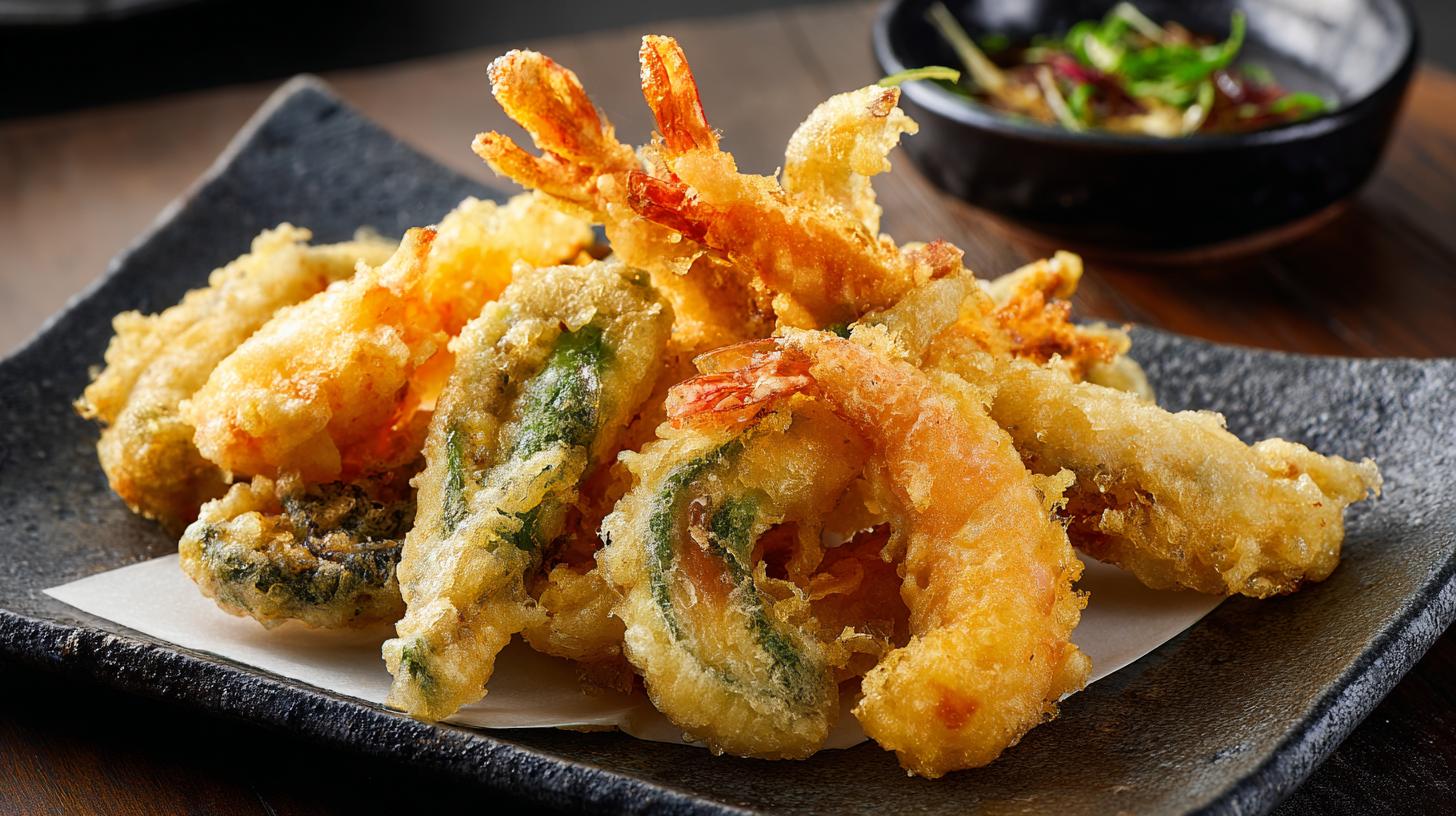
Tempura Batter is the secret behind the delicate, airy, and wonderfully crisp coating found in classic Japanese tempura. Unlike heavy fried-food coatings, traditional tempura batter is intentionally mixed very lightly to create a thin crust that becomes crisp and golden while allowing the flavor of the ingredient underneath to remain the star.
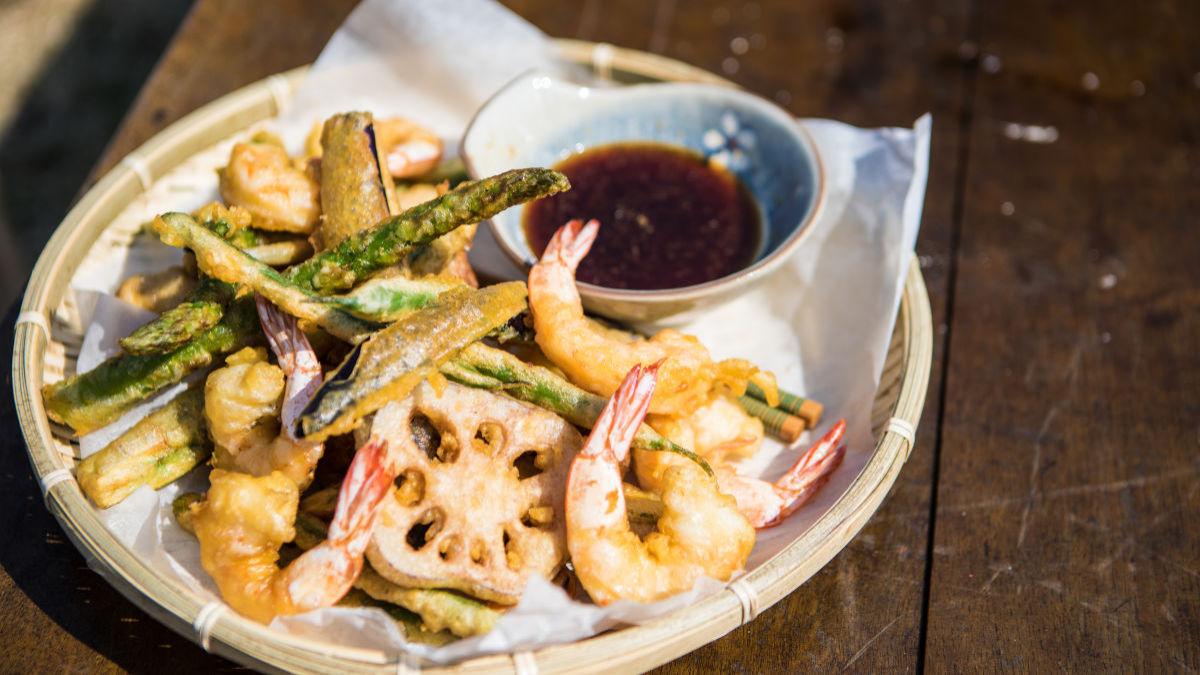
Tempura Batter:
The key to excellent tempura batter is simplicity. A combination of plain flour, cornstarch, egg, and ice-cold water creates a light coating that works beautifully with shrimp, fish, mushrooms, sweet potatoes, eggplant, onions, broccoli, zucchini, and many other ingredients. Keeping the ingredients cold and avoiding overmixing are two of the most important techniques for achieving a delicate texture.
This homemade Tempura Batter is quick to prepare and can be used for everything from an elegant Japanese dinner to a simple weeknight meal. Serve your freshly fried tempura with tentsuyu dipping sauce, grated daikon, soy sauce, or your favorite Japanese-inspired dipping sauce for a delicious restaurant-style experience at home.
History of Tempura Batter:
Tempura is now considered one of Japan’s most recognizable culinary traditions, but its cooking technique has a fascinating history. The method of coating food in batter and frying it is generally believed to have been influenced by European cooking traditions introduced to Japan centuries ago.Japanese cooks refined the technique by developing a much lighter batter and emphasizing fresh seasonal ingredients. Instead of creating a thick, bread-like coating, Japanese tempura uses a thin batter that produces a delicate and crisp shell.
Subscribe to our youtube channel Kitchenpedia for more delicious recipes and hit the like button if you enjoyed this youtubevideo. Share it with your friends and Family.
Tempura Batter

Ingredients
For the Tempura Batter
- 1 cup all-purpose flour
- ¼ cup cornstarch
- 1 large egg
- 1 cup ice-cold water
- ½ teaspoon salt
- ½ teaspoon baking powder, optional
For Frying
- Vegetable oil or other neutral frying oil, as needed
Optional Ingredients
- 1 tablespoon rice flour for extra crispness
- 1 tablespoon cold sparkling water for a lighter texture
Instructions
Chill the Ingredients
- Place the water in the refrigerator until thoroughly chilled. You can also add a few ice cubes to the water before measuring, making sure the batter itself does not contain large pieces of ice.Cold ingredients help limit gluten development and contribute to the light texture of tempura.
Prepare the Dry Ingredients
- In a medium bowl, combine the all-purpose flour, cornstarch, salt, and optional baking powder.Mix briefly.Avoid aggressively whisking the flour because the goal is to keep the batter light.
Beat the Egg
- In a separate bowl, lightly beat the egg.Add the ice-cold water and stir gently to combine.
Combine Wet and Dry Ingredients
- Pour the cold egg mixture into the flour mixture.Using chopsticks, a fork, or a pair of cooking sticks, gently mix the batter.Do not whisk until completely smooth.A few small lumps of flour are desirable
Check the Consistency
- The finished batter should be relatively thin and fluid, similar to a light cream consistency.If the batter seems too thick, add a tablespoon of ice-cold water at a time.If it is too thin, add a small amount of flour.
Prepare the Ingredients
- Pat shrimp, seafood, or vegetables thoroughly dry before dipping.For particularly moist vegetables, lightly dust them with flour before dipping them into the batter. This can help the batter adhere better.
Heat the Oil
- Heat neutral frying oil to approximately 350–375°F (175–190°C).Use a deep, heavy-bottomed pan or suitable deep fryer and avoid filling it more than halfway with oil.
Coat the Ingredients
- Dip each ingredient into the batter.Allow excess batter to drip off briefly.Do not leave ingredients sitting in the batter for a long time before frying.
Fry the Tempura
- Carefully place the battered ingredients into the hot oil.Fry in small batches so the oil temperature does not drop too much.Cook until the coating is pale golden, crisp, and cooked through.
Drain and Serve
- Remove the tempura with a slotted spoon or wire skimmer.Place on a wire rack or paper towels to drain excess oil.Serve immediately while the coating is crisp.
Notes
- Keep the batter cold: Cold water is essential for a delicate coating.
- Do not overmix: Excessive mixing develops gluten and creates a heavier texture.
- Use fresh batter: Tempura batter is best prepared immediately before frying.
- Dry ingredients thoroughly: Moisture can prevent the batter from adhering properly.
- Maintain oil temperature: A stable temperature produces crisp rather than greasy tempura.
- Fry in small batches: Overcrowding lowers the oil temperature.
- Don't make the coating too thick: A thin layer is characteristic of Japanese tempura.
- Serve immediately: Tempura becomes softer as it sits.
Tips for Tempura Batter:
1. Use Ice-Cold Water
The colder the batter, the better you can limit gluten development. Keep the water chilled until the moment you mix the batter.
2. Don’t Overmix
Unlike pancake batter, tempura batter should not be smooth. A few lumps are perfectly acceptable.
3. Use Cornstarch
Cornstarch helps create a lighter and crispier coating by reducing the proportion of wheat flour.
4. Keep the Batter Thin
A thin batter produces the delicate crust associated with Japanese tempura.
5. Prepare Batter Just Before Frying
Avoid making the batter far in advance. Mix it shortly before you begin cooking.
6. Don’t Overcrowd the Oil
Adding too many pieces at once dramatically lowers the oil temperature and can result in greasy tempura.
7. Drain Properly
A wire rack allows excess oil to drain while helping air circulate around the crispy coating.
8. Serve Immediately
Tempura is at its best just after frying, when the coating is light and crisp.
FAQs for Tempura Batter:
Q: What makes batter crispy?
Cold ingredients, minimal mixing, a thin batter, and properly heated oil are the main factors that help create crisp tempura.
Q: Why should batter be cold?
Cold batter helps slow gluten development and creates a lighter coating when it hits the hot oil.
Q: Should tempura batter be completely smooth?
No. Unlike many other batters, tempura batter should be mixed minimally. Small lumps are perfectly normal.
Q: Can I make tempura batter without eggs?
Yes. You can omit the egg and use ice-cold water with flour and cornstarch. The resulting coating will be slightly different but can still become crisp.
Q: Can I use sparkling water?
Yes. Cold sparkling water can help create a light texture because of its carbonation.
Q: Can I use rice flour instead of all-purpose flour?
Yes. Rice flour can be incorporated into the batter and may create a particularly crisp coating. However, a combination of wheat flour and cornstarch provides a classic texture.
Q: Why does my tempura batter fall off?
The ingredients may be too wet, or the batter may be too thick or too thin. Dry the ingredients thoroughly and use a thin batter that adheres lightly to the surface.
Q: Why is my tempura greasy?
The oil may not be hot enough, or too many ingredients may have been added to the pan at once.Maintain the oil around 350–375°F (175–190°C) and fry in small batches.
Conclusion:
Homemade Tempura Batter is surprisingly simple, but a few important techniques make a major difference. Using ice-cold water, keeping the mixture lightly stirred, maintaining the correct frying temperature, and avoiding overcrowding are the keys to achieving a delicate, crisp coating.
Once you master this basic batter, you can use it for an impressive variety of ingredients, from succulent shrimp and seafood to sweet potatoes, mushrooms, eggplant, and seasonal vegetables. Serve your tempura immediately with a savory Japanese dipping sauce for a wonderfully crisp and authentic-inspired meal.