
 with tender layers of seasoned egg, mirin, soy sauce, and a touch of sugar. This easy Japanese tamagoyaki recipe is perfect for breakfast, bento boxes, snacks, sushi-style meals, and family dinners.)
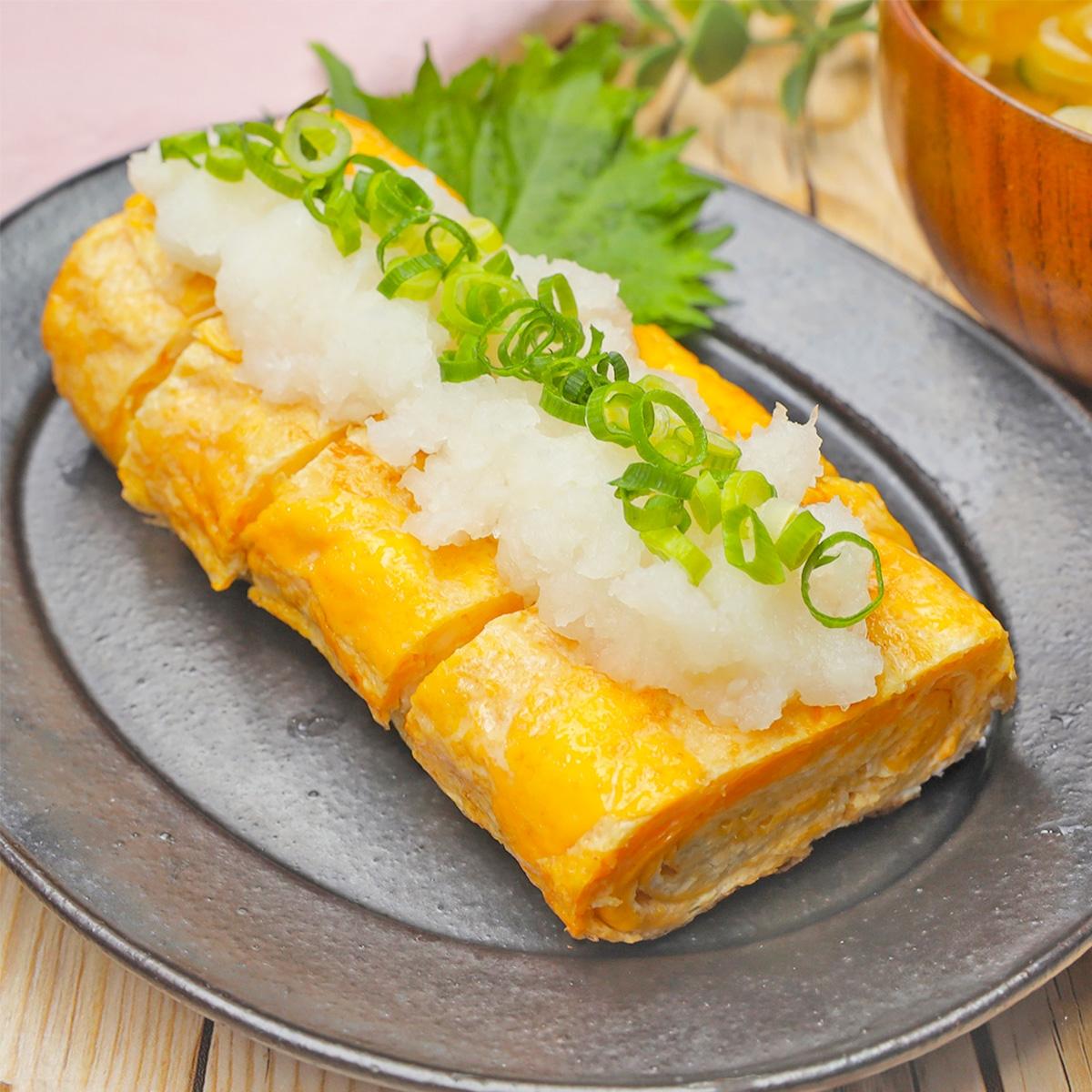
Japanese-Style Rolled Omelet, better known as Tamagoyaki, is a beautifully layered Japanese egg dish made by cooking seasoned eggs in thin layers and carefully rolling them into a compact, tender omelet. It has a delicate texture, a slightly sweet and savory flavor, and a beautiful golden appearance when sliced.Tamagoyaki is a beloved part of Japanese home cooking and is commonly served for breakfast, packed into bento boxes, or enjoyed as a side dish.
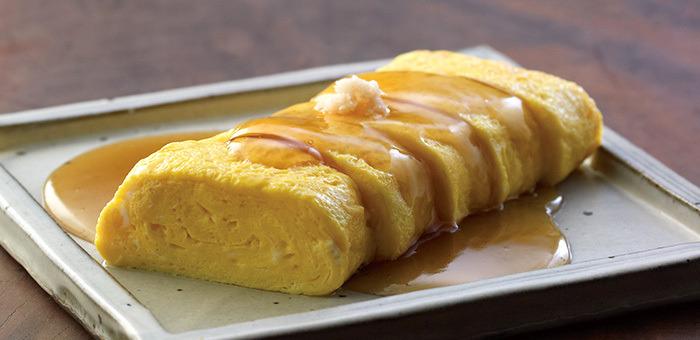
Japanese-Style Rolled Omelet:
The eggs are traditionally seasoned with ingredients such as soy sauce, mirin, sugar, and sometimes dashi, creating a balanced flavor that is both comforting and distinctive.Although a rectangular tamagoyaki pan is traditionally used, you can also make this recipe in a regular nonstick skillet. The technique becomes easier with practice: pour a thin layer of egg, let it partially set, roll it, add another layer, and repeat until a thick, beautifully layered omelet forms.
History:
Tamagoyaki has become one of Japan’s most recognizable egg dishes. The name combines tamago, meaning egg, with yaki, meaning cooked or grilled.Japanese rolled omelets developed into several regional and culinary variations. Some versions are sweeter, while others emphasize dashi and savory flavors. Dashimaki tamago, for example, contains more dashi and tends to have a softer, more delicate texture.Tamagoyaki eventually became a popular everyday dish, appearing in Japanese breakfasts, bento boxes, home meals, and sushi restaurants. Its attractive layered appearance and versatile flavor have also made it popular internationally.
Subscribe to our youtube channel Kitchenpedia for more delicious recipes and hit the like button if you enjoyed this youtubevideo. Share it with your friends and Family.
Tamagoyaki

Ingredients
For the Tamagoyaki
- 4 large eggs
- 1 tablespoon mirin
- 1 teaspoon soy sauce
- 1 teaspoon sugar
- 1 tablespoon dashi or water
- 1 teaspoon neutral cooking oil
Optional Garnishes
- Sliced green onions
- Toasted sesame seeds
- Grated daikon
- Shredded nori
- Japanese pickled ginger
Instructions
Prepare the Egg Mixture
- Crack the eggs into a bowl.Add mirin, soy sauce, sugar, and dashi or water.Gently beat the eggs until the ingredients are combined.Try not to create too many bubbles because a smoother egg mixture will produce a more attractive omelet.
Strain the Eggs
- For an especially smooth and restaurant-style tamagoyaki, pour the egg mixture through a fine-mesh strainer into another bowl.This step is optional but helps remove chalaza and larger pieces of egg.
Heat the Pan
- Place a rectangular tamagoyaki pan or small nonstick skillet over low to medium-low heat.Lightly coat the surface with cooking oil.The pan should be warm but not extremely hot.
Cook the First Layer
- Pour a small amount of egg mixture into the pan, just enough to create a thin layer.Gently tilt the pan so the egg spreads evenly.Allow the egg to cook until it is mostly set but still slightly moist on top.
Roll the Omelet
- Using chopsticks or a spatula, carefully fold or roll the cooked egg from one end toward the other.Do not worry if the first roll isn't perfect. The following layers will cover imperfections.Push the rolled egg toward one side of the pan.
Add Another Layer
- Lightly oil any exposed part of the pan.Pour another thin layer of egg mixture into the empty space.Lift the existing roll slightly so some of the fresh egg flows underneath it.Allow the new layer to partially set.
Continue Rolling
- Roll the existing omelet over the newly cooked egg.Push the omelet back to the edge of the pan.Repeat the process until all the egg mixture has been used.
Shape the Tamagoyaki
- Once the final layer is cooked, gently press the omelet with a spatula to create a neat rectangular shape.If using a tamagoyaki pan, the corners can be shaped naturally against the sides of the pan.
Rest and Slice
- Transfer the omelet to a cutting board.Allow it to rest for a minute or two.Slice into thick pieces using a sharp knife.
Serve
- Serve warm or at room temperature.Tamagoyaki is delicious on its own or alongside steamed rice, miso soup, vegetables, or other Japanese dishes.
Notes
- Use low heat: Gentle cooking prevents the eggs from becoming tough or brown.
- Keep the layers thin: Thin layers create the characteristic rolled appearance.
- Don't overcook the eggs: Slightly moist layers are easier to roll.
- Oil lightly: A thin layer of oil prevents sticking without making the omelet greasy.
- Use fresh eggs: Fresh eggs provide better flavor and texture.
- Don't worry about imperfect rolls: Each additional layer helps create a neat final shape.
- Use a sharp knife: A clean slicing motion produces attractive pieces.
- Adjust sweetness: Add more or less sugar according to your preferred style.
Tips for Tamagoyaki:
1. Keep the Heat Low
Tamagoyaki needs gentle heat. Cooking too quickly can cause the eggs to brown or become dry before you have time to roll them.
2. Use a Small Pan
A small rectangular pan makes it easier to create evenly shaped layers.
3. Don’t Beat the Eggs Too Aggressively
Excessive whisking introduces air bubbles. Gentle mixing creates smoother layers.
4. Use a Thin Layer of Egg
Each addition should be thin enough to cook quickly but thick enough to roll without tearing.
5. Oil Between Layers
A tiny amount of oil between layers helps prevent sticking and produces a smoother omelet.
6. Roll While the Egg Is Slightly Wet
Waiting until the layer is completely dry can cause it to crack when rolled.
7. Use Chopsticks or a Flexible Spatula
These tools provide better control when folding and rolling the delicate egg.
8. Practice Makes Perfect
Your first tamagoyaki may not look perfectly rectangular. The technique becomes much easier after a few attempts.
FAQs for Tamagoyaki
Q: What is Tamagoyaki?
Tamagoyaki is a Japanese rolled omelet made by cooking seasoned eggs in multiple thin layers and rolling them together.
Q: Is Tamagoyaki sweet or savory?
It can be either. Many versions have a slightly sweet and savory flavor from sugar, mirin, soy sauce, and sometimes dashi. The balance varies by region and personal preference.
Q: Do I need a special tamagoyaki pan?
No. A small nonstick skillet can work. However, a rectangular tamagoyaki pan makes it easier to achieve the traditional shape.
Q: Why does my tamagoyaki fall apart?
The egg layers may have been too fully cooked before rolling, or the omelet may not have been rolled tightly enough. Try rolling while each layer is still slightly moist.
Q: Why is my tamagoyaki dry?
The pan may be too hot or the eggs may have been cooked for too long. Use low to medium-low heat and remove each layer while it is still tender.
Q: Can I add vegetables to tamagoyaki?
Yes. Finely chopped green onions, carrots, spinach, mushrooms, or other cooked vegetables can be added. Keep additions small so the omelet remains easy to roll.
Q: Can I make tamagoyaki without mirin?
Yes. You can replace mirin with a small amount of water or dashi and adjust the sugar according to taste.
Q: How should I store leftover tamagoyaki?
Place cooled tamagoyaki in an airtight container and refrigerate it. For best quality, consume it within 1–2 days.
Conclusion:
Japanese-Style Rolled Omelet, or Tamagoyaki, is a simple yet beautiful dish that showcases the elegance of Japanese home cooking. Its tender layers, golden color, and perfectly balanced sweet-savory flavor make it a wonderful choice for breakfast, bento boxes, snacks, or as a side dish.
The technique may take a little practice, but once you learn how to control the heat and roll each thin layer gently, making tamagoyaki becomes surprisingly easy. Serve it warm or at room temperature alongside your favorite Japanese dishes for a delicious homemade meal.