
 with delicate sponge cake, creamy quark, airy whipped cream, fresh lemon, vanilla, and optional mandarin oranges. This elegant German cream cake has a light mousse-like filling rather than the dense texture of traditional baked cheesecake. Perfect for Kaffee und Kuchen, birthdays, holidays, afternoon tea, family celebrations, and special occasions, this refreshing dessert combines a tender sponge with a smooth, gently tangy cream filling. Follow the detailed step-by-step recipe for a beautiful bakery-style German cake, along with helpful notes, expert tips, fruit variations, serving suggestions, storage advice, and FAQs. Serve chilled with powdered sugar, fresh berries, or mandarin oranges for an impressive homemade dessert.)
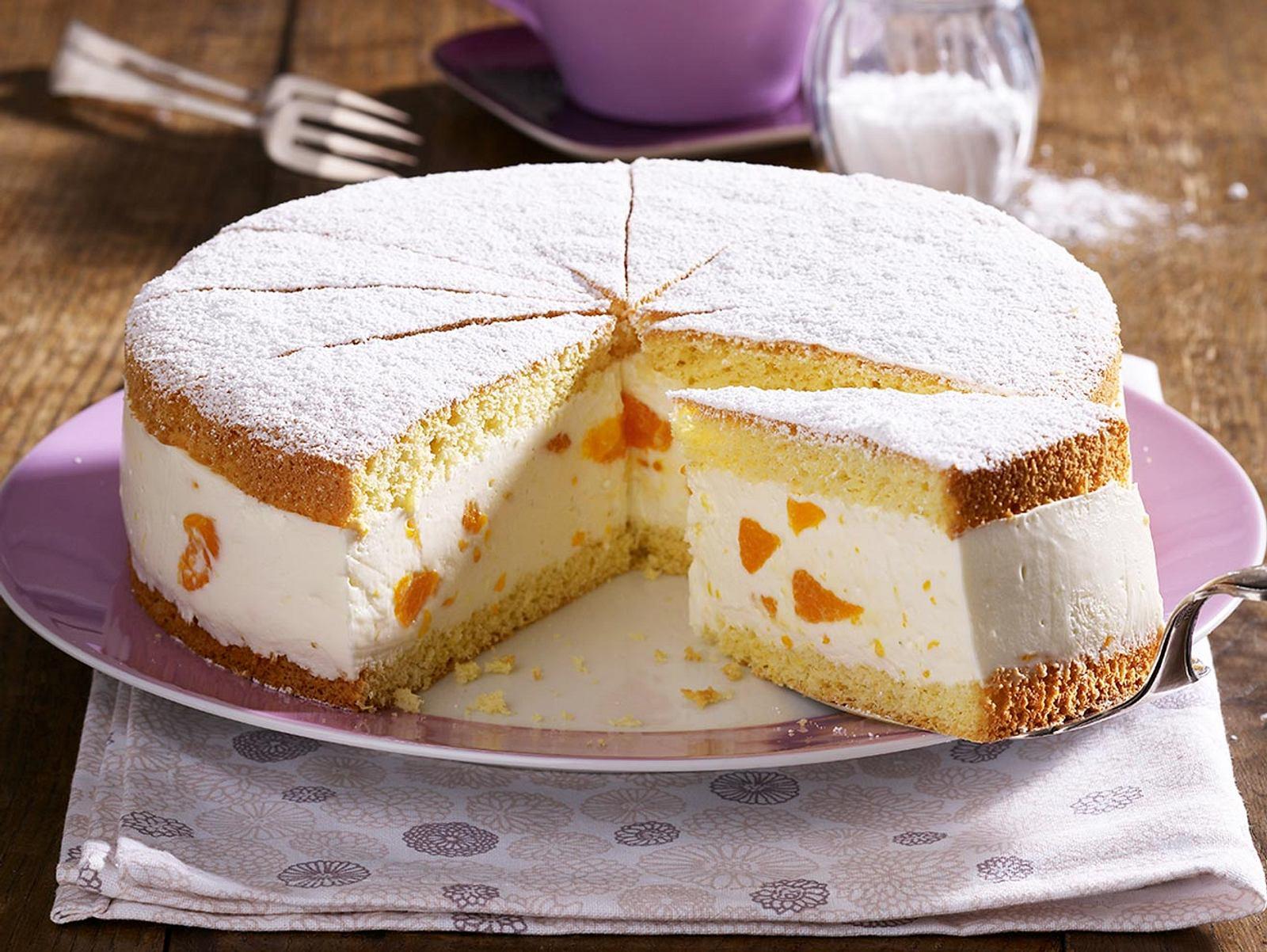
Käsesahnetorte is a classic German cream cake with a wonderfully light and airy texture. Despite the word Käse, which means “cheese,” this dessert is not a dense American-style cheesecake. Traditional versions are made with quark, whipped cream, sugar, and gelatin, creating a soft mousse-like filling between layers of delicate sponge cake.
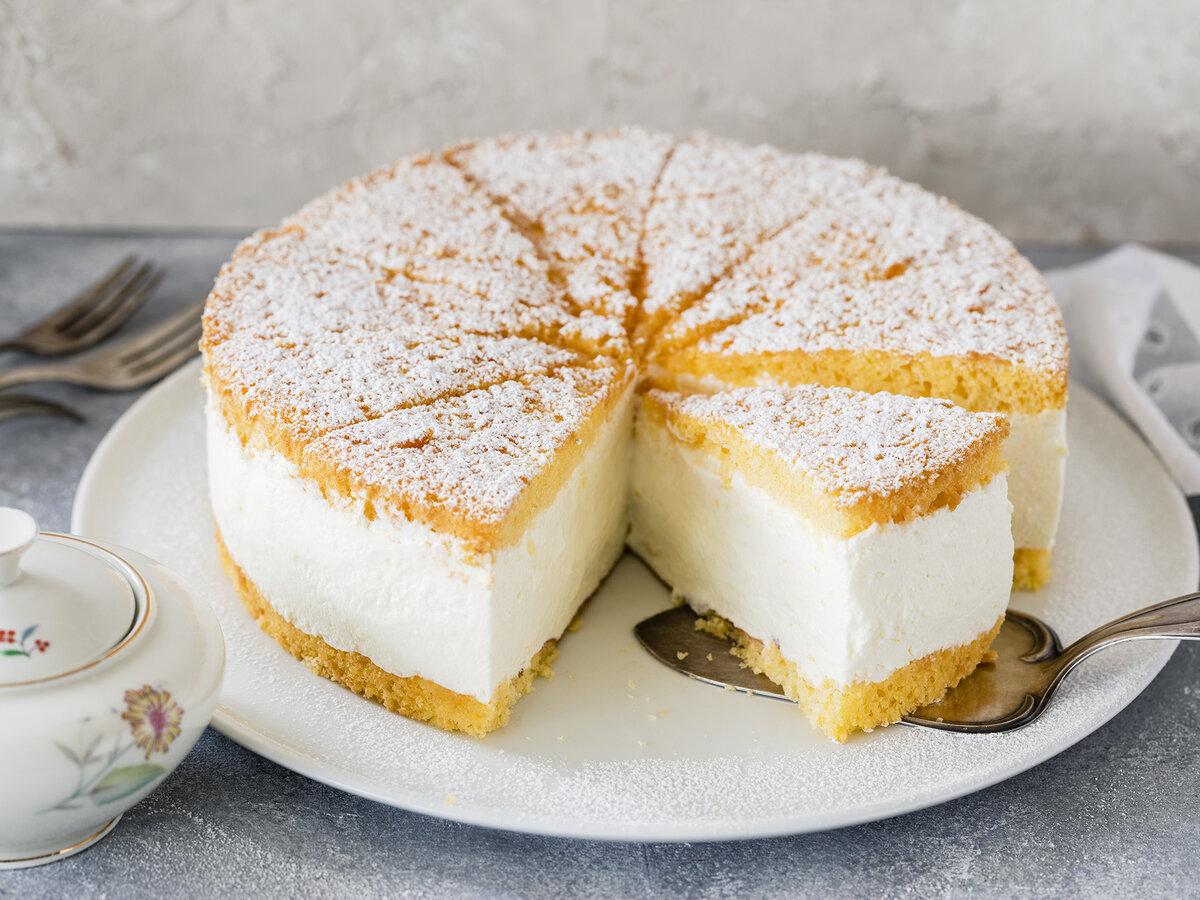
Käsesahnetorte:
The combination of creamy quark, whipped cream, lemon, and vanilla gives Käsesahnetorte a refreshing flavor that is rich without feeling heavy. The filling is gently sweet with a subtle tang, making it especially enjoyable alongside coffee or tea. Some versions also include mandarin oranges, peaches, or other fruit for additional freshness.
This elegant German cake is ideal for birthdays, holidays, afternoon coffee, family celebrations, and special occasions. Although it looks impressive when sliced, the recipe relies on straightforward techniques and simple ingredients. With a little chilling time, you can create a beautiful bakery-style cake at home.
History:
Käsesahnetorte is part of the long German tradition of Kaffee und Kuchen, where cakes and pastries are served with coffee in the afternoon. Quark has been an important ingredient in German and Central European baking for generations because of its mild flavor and creamy texture.
The name Käsesahnetorte can be translated roughly as “cheese cream cake.” The “cheese” refers to quark, a fresh dairy product that is smoother and lighter than many traditional cream cheeses.
Recipes vary throughout Germany. Some versions use a simple sponge cake base, while others incorporate fruit such as mandarin oranges. The filling may also vary in sweetness and texture. This recipe follows a classic German-inspired approach using a light sponge, lemon-flavored quark cream, whipped cream, and a small amount of gelatin to stabilize the mousse-like filling.
Subscribe to our youtube channel Kitchenpedia for more delicious recipes and hit the like button if you enjoyed this youtubevideo. Share it with your friends and Family.
Käsesahnetorte

Ingredients
For the Sponge Cake
- 4 large eggs, separated
- ½ cup (100 g) granulated sugar
- 1 teaspoon vanilla extract
- 1 cup (125 g) all-purpose flour
- 1 teaspoon baking powder
- Pinch of salt
- 1 tablespoon lemon zest
For the Quark Cream Filling
- 2 cups (500 g) plain quark
- 1 cup (240 ml) heavy whipping cream
- ¾ cup (150 g) granulated sugar
- 1 teaspoon vanilla extract
- 1 tablespoon finely grated lemon zest
- 2 tablespoons fresh lemon juice
- 1 packet powdered gelatin or equivalent gelatin for approximately 500 ml filling
- 4 tablespoons cold water
For Finishing
- Powdered sugar
- Fresh berries, optional
- Lemon zest, optional
- Whipped cream, optional
Instructions
Prepare the Oven and Pan
- Preheat the oven to 350°F (175°C).Line the bottom of a 9-inch (23 cm) springform pan with parchment paper.Do not heavily grease the sides if you want the sponge to cling to the pan as it rises.
Separate the Eggs
- Separate the eggs carefully, placing the whites in a clean mixing bowl and the yolks in another bowl.Make sure the egg whites contain no traces of yolk because even a small amount of fat can interfere with whipping.
Whip the Egg Whites
- Beat the egg whites with a pinch of salt until soft peaks form.Gradually add about half of the sugar while continuing to beat until the whites become glossy and form firm peaks.Set aside.
Beat the Egg Yolks
- In another bowl, beat the egg yolks with the remaining sugar and vanilla for approximately 2–3 minutes until pale and creamy.Add the lemon zest.
Combine the Sponge Batter
- Sift the flour and baking powder over the egg yolk mixture.Gently fold the dry ingredients into the yolks.Add the whipped egg whites in two or three additions, folding carefully with a spatula.Avoid vigorous stirring because the trapped air gives the sponge its light texture.
Bake the Sponge
- Spread the batter evenly in the prepared springform pan.Bake for approximately 20–25 minutes, or until the top is lightly golden and the center springs back when gently touched.A toothpick inserted into the center should come out clean.
Cool Completely
- Remove the sponge from the oven and let it cool in the pan for approximately 10 minutes.Remove the springform ring and allow the cake to cool completely on a wire rack.Once completely cool, carefully slice the sponge horizontally into two even layers.
Prepare the Quark Mixture
- In a large bowl, combine the quark, sugar, vanilla, lemon zest, and lemon juice.Whisk until smooth and creamy.
Incorporate the Gelatin
- Add a small amount of the quark mixture to the dissolved gelatin and stir well.Gradually combine this mixture with the remaining quark filling.Mix until evenly incorporated.This gradual process helps prevent gelatin lumps.
Whip the Cream
- Whip the heavy cream until firm peaks form.Gently fold the whipped cream into the quark mixture.The finished filling should be light, smooth, and mousse-like.
Add the Mandarin Oranges
- If using mandarin oranges, drain them extremely well.Fold them gently into the cream mixture.Reserve a few pieces for decoration if desired.
Chill
- Cover the cake and refrigerate for at least 4–6 hours, preferably overnight.The chilling time allows the filling to fully stabilize and makes the cake easier to slice.
Slice and Serve
- Use a sharp knife to cut the cake into clean slices.For the best presentation, wipe the knife between cuts.Serve chilled alongside coffee or tea.
Notes
- Quark: Traditional Käsesahnetorte is commonly made with quark. If quark is unavailable, strained plain Greek yogurt can provide a similar tangy texture.
- Gelatin: Use gelatin according to the strength and instructions of your specific product.
- Egg whites: Make sure your bowl and beaters are completely clean and grease-free.
- Fruit: Mandarin oranges are optional but popular in many versions of this cake.
- Drain fruit well: Excess liquid can loosen the filling.
- Do not boil gelatin: Excessive heat can interfere with its setting ability.
- Chilling: Adequate chilling is essential for a firm, mousse-like filling.
- Serving: Keep the cake refrigerated until shortly before serving because the filling contains dairy.
Tips for Käsesahnetorte:
- Use fresh eggs: Fresh egg whites generally whip well and provide excellent structure for the sponge.
- Fold gently: Preserve as much air as possible when combining the whipped whites with the flour and yolks.
- Use full-fat quark: Full-fat quark provides the creamiest texture and richest flavor.
- Strain yogurt if substituting: If using Greek yogurt instead of quark, choose thick yogurt or strain regular yogurt to remove excess liquid.
- Temper the gelatin: Mix dissolved gelatin with a small amount of the quark mixture before adding it to the main bowl to avoid lumps.
- Chill overnight: For the cleanest slices and firmest filling, refrigerate the cake overnight.
- Use a hot knife: Dip the knife briefly in hot water, wipe it dry, and then slice for especially clean cuts.
- Decorate shortly before serving: Fresh fruit and whipped cream look their best when added close to serving time.
FAQs for Käsesahnetorte:
1. What is Käsesahnetorte?
Käsesahnetorte is a traditional German cream cake made with a light sponge and a mousse-like filling commonly prepared from quark, whipped cream, sugar, and gelatin.
2. Is Käsesahnetorte the same as cheesecake?
Not exactly. Although quark is a fresh cheese, Käsesahnetorte is much lighter and airier than a typical baked cheesecake. Its filling resembles a chilled mousse or cream cake.
3. Can I use Greek yogurt instead of quark?
Yes. Thick, full-fat Greek yogurt can be used as a substitute. For a closer texture, choose very thick yogurt or strain it before using.
4. Can I make this cake without gelatin?
Yes, but the filling needs another suitable stabilizer. A vegetarian gelatin substitute such as agar-agar can be used according to its specific preparation instructions.
5. Why didn’t my filling set?
Possible causes include insufficient gelatin, incorrect preparation of the gelatin, excess liquid from fruit, or insufficient chilling time.
6. Can I make Käsesahnetorte the day before?
Yes. Preparing it the day before is actually ideal because overnight chilling allows the filling to become firm and makes slicing easier.
7. How long does Käsesahnetorte keep?
Keep it covered and refrigerated and consume it within a few days for the best quality.
8. Can I freeze Käsesahnetorte?
The texture of the cream filling can change after freezing and thawing. For the best results, enjoy it fresh and refrigerated rather than freezing the completed cake.
Conclusion:
Käsesahnetorte is a beautiful example of German cake-making at its lightest and most elegant. The combination of delicate sponge cake, tangy quark, airy whipped cream, lemon, and vanilla creates a refreshing dessert that is rich in flavor without feeling heavy.
Whether you add traditional mandarin oranges, fresh berries, or simply keep the filling smooth and creamy, this German Yogurt Mousse Cake makes a stunning centerpiece for afternoon coffee, birthdays, holidays, and family celebrations.
For the best result, give the finished cake plenty of time to chill. Once properly set, each slice reveals a beautiful contrast between the soft sponge and creamy mousse-like filling—a classic German dessert that is well worth making at home.