
 recipe! Learn how to make this classic vanilla and chocolate swirled Bundt cake with a tender buttery crumb, beautiful marble pattern, simple ingredients, helpful baking tips, storage advice, and easy step-by-step instructions—perfect for German Kaffee und Kuchen, family gatherings, holidays, afternoon coffee, and cozy homemade desserts.)
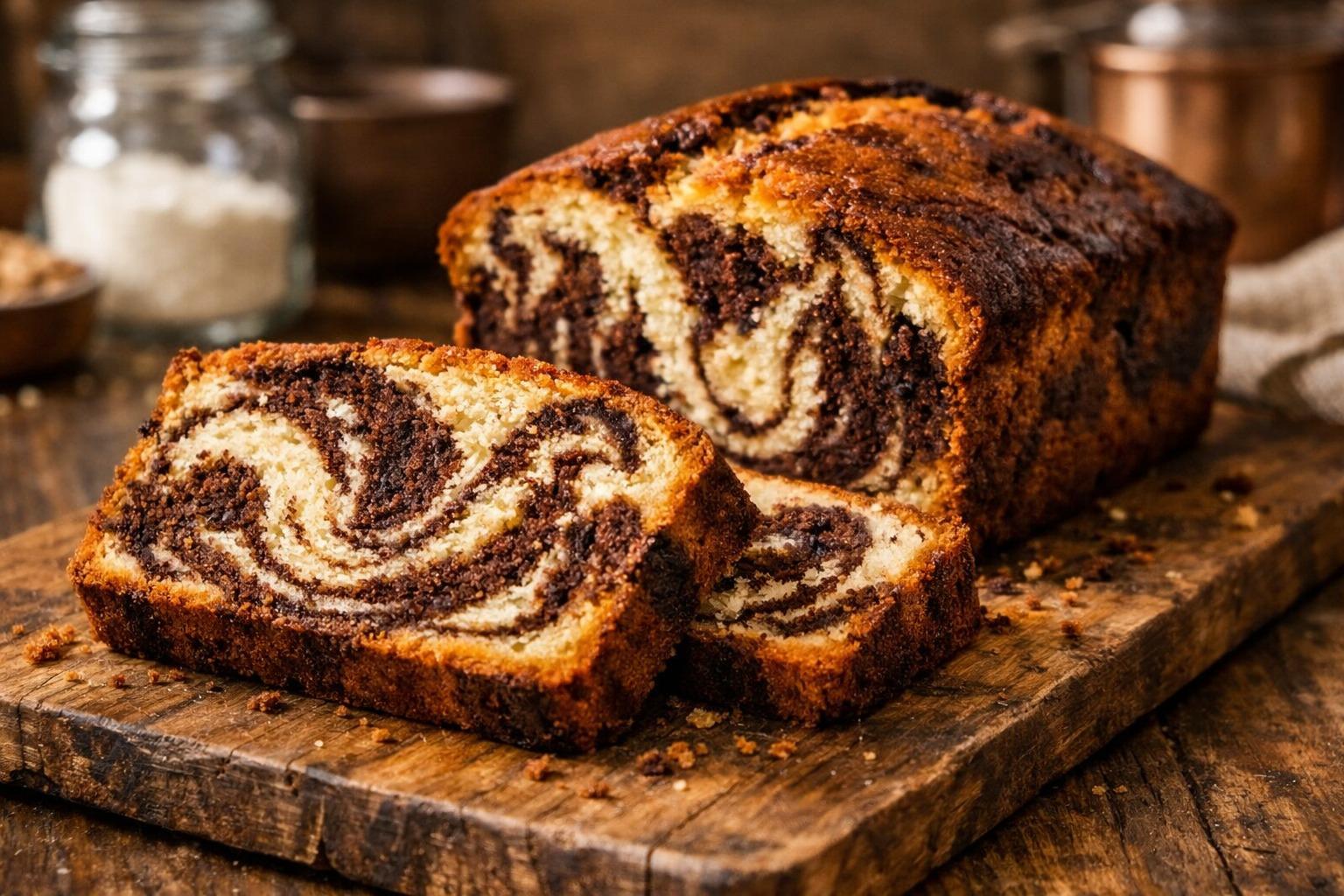
German Marble Cake, known as Marmorkuchen, is a timeless German classic made by gently swirling two contrasting batters—rich vanilla and deep chocolate—into a beautiful marble-like pattern. With its golden crust, tender crumb, and delicate cocoa flavor, this cake is as attractive as it is comforting.Unlike heavily frosted celebration cakes, traditional Marmorkuchen is wonderfully simple.
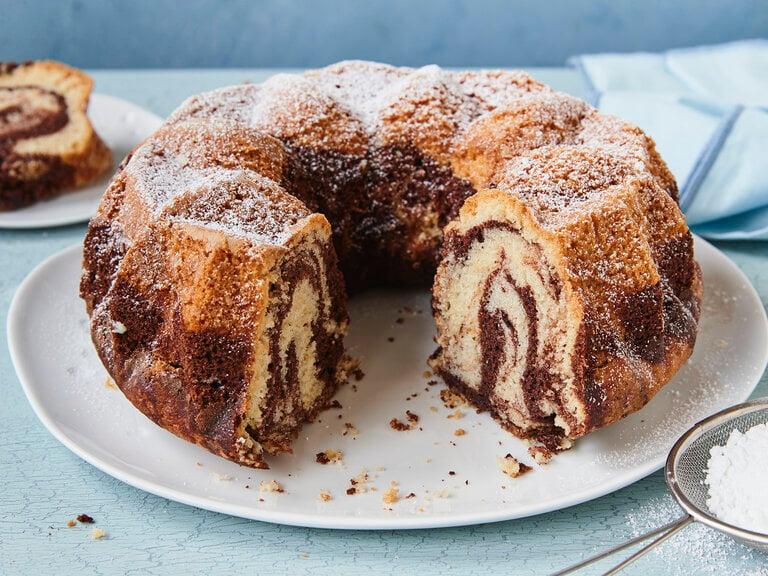
German Marble Cake:
It is usually baked in a Gugelhupf or Bundt-style pan, then finished with a light dusting of powdered sugar. Each slice reveals a slightly different swirl, making every serving look unique.This cake is especially associated with the German tradition of Kaffee und Kuchen, the leisurely custom of enjoying coffee and cake in the afternoon. It is ideal for family gatherings, weekend baking, birthdays, holidays, or simply enjoying with a cup of coffee or tea.
History of German Marble Cake:
The idea of marbled cakes has roots in German and Austrian baking traditions, with multicolored and marbled cakes appearing in historical European recipes before the modern Marmorkuchen became established. The marble effect was created by combining contrasting portions of cake batter.By the 19th century, marble cake had become recognizable as a German-style cake made with a light batter and a darker portion flavored with cocoa or other ingredients. Modern German versions commonly use vanilla and cocoa, producing the familiar black-and-white marbled appearance.Today, Marmorkuchen remains a beloved home-style cake. Its simple ingredients, attractive appearance, and easy preparation have helped it become one of the most recognizable German coffee cakes.
Subscribe to our youtube channel Kitchenpedia for more delicious recipes and hit the like button if you enjoyed this youtubevideo. Share it with your friends and Family.
German Marble Cake

Ingredients
For the Vanilla Batter
- 250 g unsalted butter, softened
- 200 g granulated sugar
- 1 packet vanilla sugar or 2 teaspoons vanilla extract
- 4 large eggs, room temperature
- 300 g all-purpose flour
- ¼ teaspoon salt
- 1 teaspoon lemon zest, optional
- 120 ml milk
For the Chocolate Batter
- 25–30 g unsweetened cocoa powder
- 2 tablespoons milk
- 1 tablespoon sugar, optional
For the Pan
- 1 tablespoon softened butter
- 1–2 tablespoons breadcrumbs or flour
For Finishing
- Powdered sugar, for dusting
Instructions
Prepare the Oven and Pan
- Preheat the oven to 175°C / 350°F. Generously butter a 9- or 10-inch Bundt or Gugelhupf pan. Sprinkle it with breadcrumbs or flour, making sure the inside is well coated.
Cream the Butter and Sugar
- Place the softened butter in a large mixing bowl. Beat until smooth and creamy. Gradually add the sugar and continue beating until the mixture becomes lighter and fluffy.
Add the Eggs
- Add the eggs one at a time, beating well after each addition. Mix in the vanilla sugar or vanilla extract and lemon zest if using.
Add the Dry Ingredients
- Whisk together the flour, baking powder, and salt. Add the dry ingredients to the butter mixture alternately with the milk. Mix only until a smooth batter forms. Avoid overmixing.
Create the Chocolate Batter
- Transfer approximately one-third of the batter to another bowl. Add the cocoa powder and 2 tablespoons of milk. Mix gently until evenly combined. If the chocolate mixture seems noticeably thicker than the vanilla batter, add another small splash of milk.
Layer the Batters
- Spoon about half of the vanilla batter into the prepared Bundt pan. Add the chocolate batter over it, then finish with the remaining vanilla batter.
Bake
- Place the pan on the middle oven rack and bake for approximately 45–55 minutes.Insert a wooden skewer into the thickest part of the cake. If it comes out clean or with only a few moist crumbs, the cake is ready.
Cool
- Remove the cake from the oven and allow it to rest in the pan for approximately 10–15 minutes. Carefully turn it onto a cooling rack and allow it to cool completely.
Finish and Serve
- Once completely cool, dust generously with powdered sugar. Slice and serve with coffee, tea, or hot chocolate.
Notes
- Use room-temperature ingredients for a smoother, more uniform batter.
- Do not overmix after adding the flour because this can make the cake dense.
- The chocolate batter should have a consistency similar to the vanilla batter.
- A Bundt or Gugelhupf pan gives the cake its traditional German appearance.
- Grease every groove of the pan carefully to make releasing the cake easier.
- Avoid opening the oven frequently while the cake is baking.
- Let the cake cool before slicing for cleaner and more attractive swirls.
- Store the finished cake covered at room temperature for about 2–3 days.