


Turkish Pogaça, also spelled poğaça, is a popular Turkish pastry enjoyed for breakfast, snacks, and afternoon tea. These soft, golden rolls feature a tender interior and a beautifully browned crust. Depending on the recipe, they may contain cheese, olives, potatoes, herbs, or other delicious fillings.
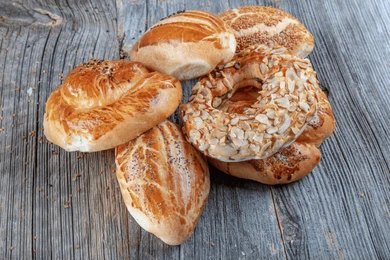
Turkish Pogaça:
This traditional Turkish pastry is especially loved for its rich flavor and comforting texture. Butter, yogurt, and milk help create a soft dough, while yeast gives the rolls a light, fluffy structure. Additionally, sesame seeds and nigella seeds provide a distinctive finish.
Making Turkish Pogaça at home is easier than you might expect. With simple ingredients and a little patience, you can prepare bakery-style rolls for your family. Serve them warm with Turkish tea, fresh vegetables, or your favorite breakfast spreads.
History of Turkish Pogaça:
Pogaça belongs to a broader family of pastries found throughout Turkey, the Balkans, and neighboring regions. Similar breads developed through centuries of culinary exchange and regional baking traditions.
In Turkey, poğaça became a familiar bakery staple. Bakers and home cooks created numerous variations using different doughs, fillings, and toppings. Cheese-filled versions remain especially popular for breakfast and savory snacks.
Today, Turkish Pogaça appears in bakeries, cafés, lunchboxes, and family kitchens. Although recipes vary by region and household, its soft texture and versatile fillings continue to make it a favorite.
Subscribe to our youtube channel Kitchenpedia for more delicious recipes and hit the like button if you enjoyed this youtubevideo. Share it with your friends and Family.
Turkish Pogaça

Ingredients
For the Dough
- 4 cups all-purpose flour
- 2 teaspoons instant yeast
- 1 tablespoon granulated sugar
- 1 teaspoon salt
- ¾ cup warm milk
- ½ cup plain yogurt
- ¼ cup melted butter, cooled slightly
- ¼ cup vegetable oil
- 1 large egg
For the Cheese Filling
- 1 cup crumbled feta cheese
- 2 tablespoons chopped fresh parsley
- ¼ teaspoon black pepper
For the Topping
- 1 egg yolk
- 1 tablespoon milk
- 1 tablespoon sesame seeds
- 1 teaspoon nigella seeds, optional
Instructions
- First, combine the warm milk, sugar, and instant yeast in a large mixing bowl. Stir gently and allow the mixture to stand for about five minutes. Make sure the milk feels warm rather than hot.
- Add the yogurt, melted butter, vegetable oil, and egg. Mix until the ingredients combine smoothly.Next, gradually add the flour and salt. Stir until a soft dough forms. Knead for approximately 8–10 minutes until the dough becomes smooth and elastic.Add a little flour if the dough feels excessively sticky. However, avoid adding too much because that can make the rolls dense.
- Transfer the dough to a lightly greased bowl. Cover it with a clean kitchen towel or plastic wrap.Allow the dough to rise in a warm place for approximately 45–60 minutes. It should become noticeably larger and softer.
- Meanwhile, combine the crumbled feta cheese, chopped parsley, and black pepper in a small bowl. Mix gently until evenly combined.If your feta tastes particularly salty, avoid adding extra salt. You can also substitute another crumbly cheese according to your preference.
- Once the dough has risen, gently press it to release excess air. Divide it into 12 equal portions.Flatten each portion into a small circle. Place a spoonful of cheese filling in the center. Bring the edges together and pinch them firmly to seal.Place each roll seam-side down on a parchment-lined baking tray. Leave enough space between the rolls for expansion.
- Cover the shaped rolls and let them rest for another 15 minutes. Meanwhile, preheat the oven to 180°C (350°F).Whisk the egg yolk with the milk. Brush this mixture lightly over each roll. Sprinkle sesame seeds and nigella seeds on top.
- Bake the rolls for approximately 20–25 minutes. Watch for a rich golden-brown surface and fully baked centers.Remove the tray from the oven and allow the rolls to cool slightly. Serve them warm for the softest texture and best flavor.
Notes
- Use warm milk rather than hot milk to protect the yeast.
- Measure flour carefully for a soft, manageable dough.
- Knead thoroughly to develop the dough's structure.
- Allow enough time for the first rise.
- Seal the cheese filling completely to prevent leakage.
- Avoid overfilling the rolls.
- Preheat the oven before baking.
- Store leftover rolls in an airtight container after cooling.
Expert Tips for Perfect Turkish Pogaça:
- Choose quality cheese: Feta provides a pleasantly tangy filling.
- Keep the dough soft: Excess flour can produce dry rolls.
- Use fresh yeast: Check the expiration date before baking.
- Add fresh herbs: Parsley complements the cheese beautifully.
- Allow a second rest: This helps create a lighter texture.
- Brush gently: An even egg wash produces an attractive finish.
- Watch the color: Cover loosely with foil if the tops brown too quickly.
- Serve freshly baked: Warm pogaça tastes especially delicious with tea.
FAQs for Turkish Pogaça:
1. What is Turkish Pogaça?
Turkish Pogaça is a soft, savory pastry commonly served for breakfast and snacks. It often contains cheese, olives, potatoes, or herbs.
2. Can I make Turkish Pogaça without yeast?
Yes, some recipes use baking powder instead. However, yeast-based pogaça generally develops a lighter, bread-like texture.
3. Which cheese works best for Turkish Pogaça?
Feta is a popular choice because of its crumbly texture and tangy flavor. Turkish white cheese or another suitable crumbly cheese also works well.
4. Can I prepare the dough ahead of time?
Yes, you can refrigerate the covered dough overnight. Allow it to warm slightly before shaping, and check that it rises appropriately.
5. Can I freeze Turkish Pogaça?
Yes, baked rolls can be frozen in airtight packaging after cooling completely. Reheat them in the oven until warmed through.
6. Why are my pogaça rolls dense?
Dense rolls may result from insufficient rising, excessive flour, or inadequate kneading. Follow the rising times and keep the dough soft.
7. What can I serve with Turkish Pogaça?
Serve these rolls with Turkish tea, olives, tomatoes, cucumbers, boiled eggs, or yogurt. They also make convenient lunchbox snacks.
8. Can I make Turkish Pogaça vegetarian?
Yes, this cheese-filled version is vegetarian if you choose suitable cheese. Check the cheese’s ingredients if you avoid animal-derived rennet.
Conclusion:
Turkish Pogaça is a delicious homemade pastry that combines soft bread, creamy cheese, and fragrant herbs. Its golden crust and fluffy center make it ideal for breakfast, snacks, and family gatherings.
Furthermore, this versatile recipe allows you to experiment with different fillings and toppings. Prepare these traditional Turkish rolls for your next brunch, serve them with freshly brewed tea, and enjoy the comforting flavors of Turkish baking.