

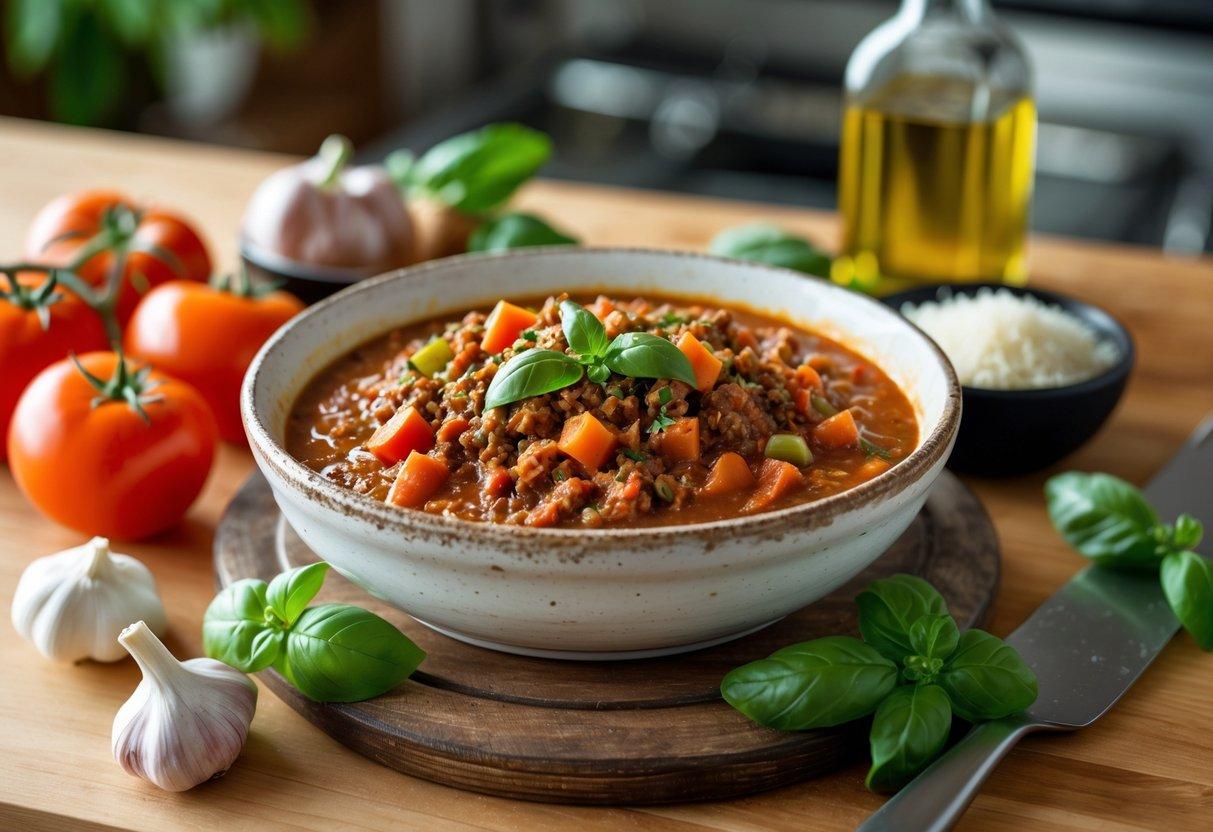
Bolognese sauce is a classic Italian comfort food loved for its rich flavor, hearty texture, and irresistible aroma. Made with ground meat, tomatoes, aromatic vegetables, and carefully selected seasonings, this traditional-style sauce transforms simple pantry ingredients into a delicious meal. Whether you serve it over spaghetti, tagliatelle, or your favorite pasta, homemade Bolognese sauce brings warmth and restaurant-style flavor to the dinner table.
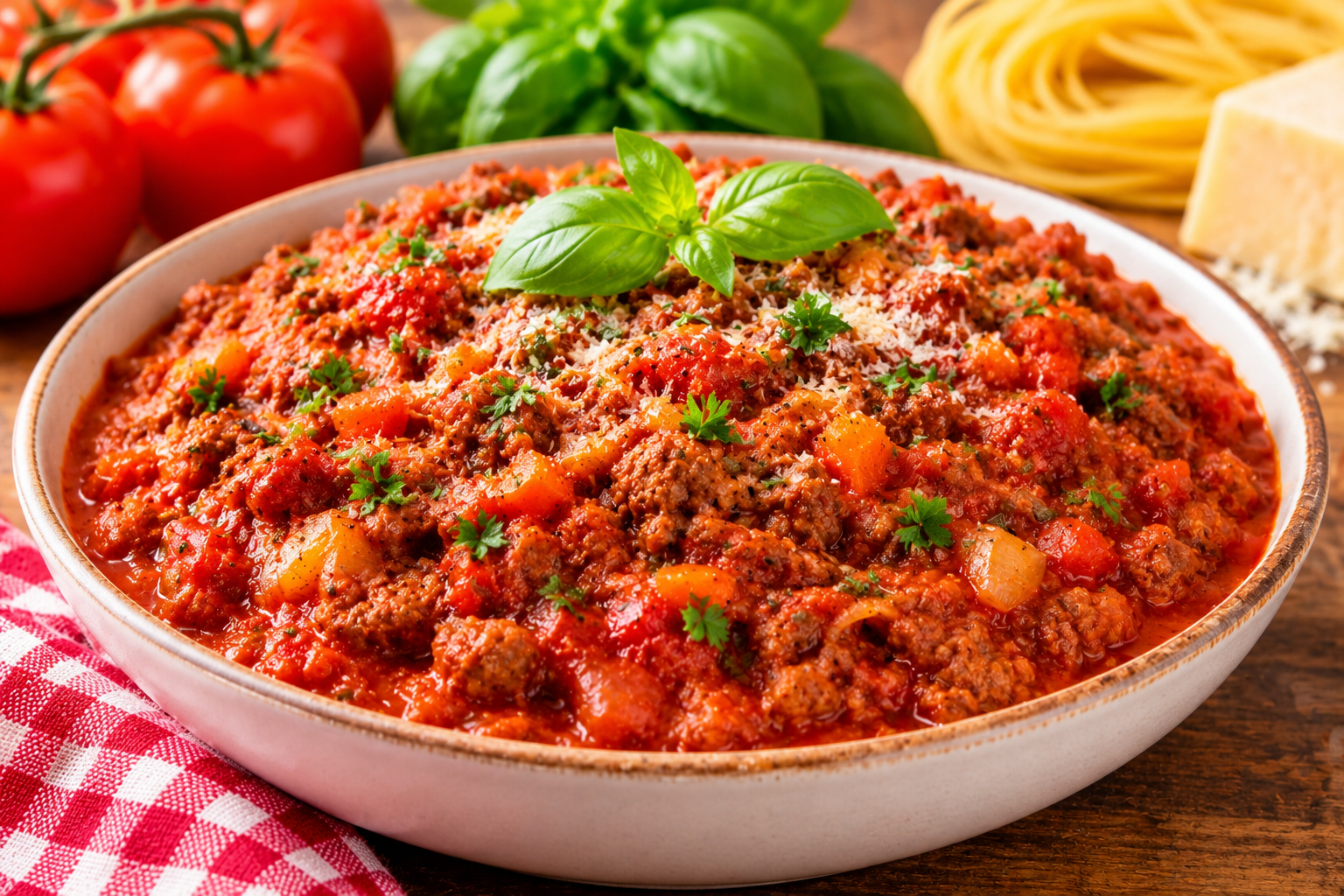
Bolognese Sauce:
One of the secrets to a flavorful Bolognese sauce is building layers of taste. Finely chopped onions, carrots, and celery create a savory vegetable base, while browned ground meat adds depth and richness. Tomatoes, broth, and a gentle simmer allow the ingredients to blend together into a thick, satisfying sauce that coats pasta beautifully.
This homemade Bolognese sauce recipe is ideal for family dinners, weekend cooking, meal preparation, and special occasions. You can prepare a large batch, refrigerate leftovers, or freeze portions for busy days. With simple ingredients and easy step-by-step instructions, you can enjoy a comforting Italian-inspired meal whenever you crave something hearty and delicious.
History:
Bolognese sauce originated in Bologna, a city in the Emilia-Romagna region of northern Italy. Known locally as ragù alla bolognese, it is traditionally a slowly cooked meat sauce prepared with ingredients such as ground or finely chopped meat, onions, carrots, celery, tomatoes, and sometimes milk or wine.The sauce developed through generations of regional Italian cooking, with families adapting the ingredients and preparation methods to their preferences. In 1982, the Italian Academy of Cuisine documented a traditional recipe with the Bologna Chamber of Commerce to help preserve the dish’s culinary heritage.Outside Italy, Bolognese sauce is commonly served with spaghetti. However, in Bologna, it is more traditionally paired with broad, flat pasta such as tagliatelle and used in dishes like lasagna. Modern home cooks often create convenient variations using readily available ingredients while retaining the hearty character of the original.
Subscribe to our youtube channel Kitchenpedia for more delicious recipes and hit the like button if you enjoyed this youtubevideo. Share it with your friends and Family.
Bolognese sauce

Ingredients
- 2 tablespoons olive oil
- 1 medium yellow onion, finely chopped
- 1 celery stalk, finely chopped
- 3 garlic cloves, minced
- 1 pound (450 g) ground beef
- ½ pound (225 g) ground pork, optional; substitute additional beef if preferred
- 2 tablespoons tomato paste
- 1 can (28 ounces or approximately 800 g) crushed tomatoes
- 1 cup beef broth
- ½ cup dry red wine, optional
- ½ cup whole milk, optional
- 1 teaspoon dried oregano
- 1 teaspoon dried basil
- 1 bay leaf
- ½ teaspoon freshly ground black pepper
- Salt, to taste
- ¼ teaspoon red pepper flakes, optional
- Grated Parmesan cheese, for serving
Instructions
- Finely chop the onion, carrot, and celery into small, evenly sized pieces. Mince the garlic separately.Small vegetable pieces blend into the sauce more easily and create a smooth, flavorful foundation.
- Heat the olive oil in a large, heavy-bottomed saucepan over medium heat. Add the onion, carrot, and celery.Cook for 6–8 minutes, stirring occasionally, until the vegetables soften. Add the garlic and cook for another 30 seconds, taking care not to burn it.
- Add the ground beef and optional ground pork to the pan. Break the meat into small pieces using a wooden spoon.Cook for 8–10 minutes until the meat is browned and no longer pink. If the pan becomes crowded, brown the meat in batches to encourage better caramelization
- Stir in the tomato paste and cook for approximately 2 minutes. This helps develop a deeper, more concentrated tomato flavor.If using red wine, pour it into the pan and allow it to simmer for several minutes, scraping up the flavorful browned bits from the bottom.
- Pour in the crushed tomatoes and beef broth. Stir well to combine the ingredients.Add the oregano, dried basil, bay leaf, black pepper, and a small amount of salt. If you enjoy a little heat, add the optional red pepper flakes.
- Reduce the heat to low and let the sauce simmer gently for 45–60 minutes, stirring every 10–15 minutes.Keep the lid partially open to allow excess moisture to evaporate. If the sauce becomes too thick, add a little water or broth.
- For a softer, more rounded flavor, stir in the milk during the final 10–15 minutes of cooking. This is an optional ingredient found in some traditional Bolognese preparations.Taste the sauce and adjust the salt and pepper as needed. Remove the bay leaf before serving.
- Sprinkle the finished sauce with fresh parsley and grated Parmesan cheese. Spoon it over freshly cooked tagliatelle, spaghetti, penne, or another pasta of your choice.For the best texture, toss the pasta with some of the sauce and a small splash of pasta cooking water before serving.
Notes
- Meat choice: Ground beef creates a familiar, hearty sauce, while a beef-and-pork mixture offers additional richness.
- Vegetable texture: Chop the onion, carrot, and celery finely so they soften evenly.
- Tomato quality: Use good-quality crushed tomatoes for a balanced sauce.
- Wine substitution: Replace wine with extra beef broth if you prefer not to cook with alcohol.
- Milk is optional: Milk adds a mellow flavor and helps soften the sauce's acidity.
- Low heat matters: A gentle simmer allows the ingredients to develop flavor without scorching.
- Pasta pairing: Tagliatelle is a traditional choice because its broad surface holds the meat sauce well.
- Make-ahead friendly: The sauce can be prepared in advance and reheated when needed.
Tips for Bolognese Sauce:
- Do not rush the vegetables: Allow the onion, carrot, and celery to soften before adding the meat.
- Brown the meat properly: Avoid stirring constantly; let the meat develop a little color for a richer flavor.
- Cook the tomato paste: Briefly frying the paste helps remove its raw taste.
- Use a heavy saucepan: A thick-bottomed pan distributes heat more evenly during long simmering.
- Simmer uncovered or partially covered: This helps the sauce reduce to a thicker consistency.
- Season gradually: Add salt carefully and taste again near the end of cooking.
- Reserve pasta water: A little starchy cooking water helps the sauce cling to pasta.
- Allow time for flavor development: If convenient, prepare the sauce ahead and refrigerate it overnight; reheat it thoroughly before serving.
FAQs for Bolognese Sauce:
1. What is Bolognese made of?
Bolognese sauce typically contains ground meat, onions, carrots, celery, tomatoes, and seasonings. Many versions also include wine, milk, or broth.
2. What is the difference between Bolognese sauce and regular spaghetti sauce?
Bolognese is a meat-centered sauce with a rich, hearty texture. Many everyday spaghetti sauces are more tomato-focused and may contain little or no meat.
3. Which pasta is best for sauce?
Tagliatelle is a traditional pairing. Fettuccine, pappardelle, rigatoni, and spaghetti are also popular choices, depending on personal preference.
4. Can I make sauce without wine?
Yes. Replace the wine with beef broth or water. The sauce will still taste delicious after simmering.
5. Can I use only ground beef?
Absolutely. Ground beef works very well on its own. Choose a moderately lean variety and drain excess fat if necessary.
6. How long should Bolognese sauce simmer?
This home-style recipe simmers for approximately 45–60 minutes. Longer, gentle cooking can develop additional flavor, provided the sauce does not dry out or burn.
7. How do I make Bolognese sauce less acidic?
Simmering the sauce helps balance its flavor. Adding a little milk can soften the acidity. Taste before adding any sweetener, as sugar is not always necessary.
8. How should I store leftover Bolognese sauce?
Refrigerate the sauce in a covered container within two hours of cooking and use it within 3–4 days. Reheat until steaming hot throughout.
9. Can I freeze homemade Bolognese sauce?
Yes. Divide the cooled sauce into freezer-safe containers and freeze for approximately 2–3 months for best quality. Thaw in the refrigerator before reheating.
10. Can I make a vegetarian version?
Yes. Replace the meat with finely chopped mushrooms, lentils, or a plant-based mince alternative. Adjust the cooking time according to the ingredients you choose.
Conclusion:
Homemade Bolognese sauce is a timeless Italian-inspired favorite that turns everyday ingredients into a satisfying, flavorful meal. With browned meat, aromatic vegetables, tomatoes, and a gentle simmer, this recipe produces a rich sauce that pairs beautifully with pasta and other comforting dishes.Whether you prepare it for a family dinner, a weekend gathering, or meal prep for busy weekdays, Bolognese sauce is a versatile recipe worth keeping in your collection. Make a batch, add freshly grated Parmesan, and enjoy a warm, comforting taste of Italian-inspired home cooking.