

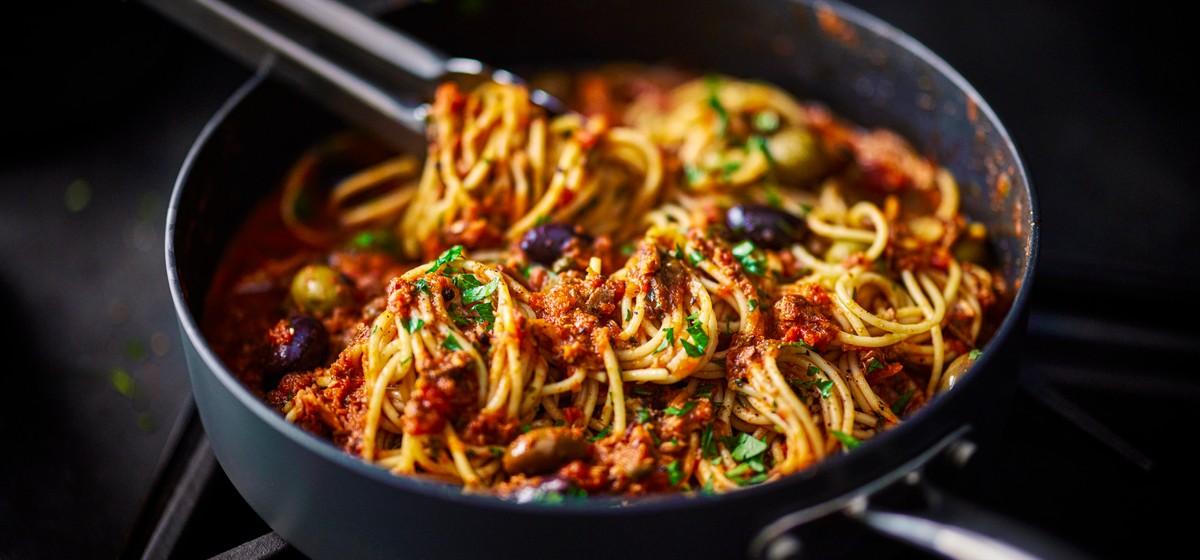
Chef John’s Spaghetti al Tonno is a delicious Italian-inspired pasta dish that combines spaghetti with tuna, garlic, tomatoes, olive oil, and fragrant seasonings. The Italian phrase al tonno means “with tuna,” and this simple combination is a favorite in many Italian home kitchens. With its savory seafood flavor, tender pasta, and bright tomato sauce, this recipe offers a satisfying meal without requiring complicated cooking techniques or expensive ingredients.
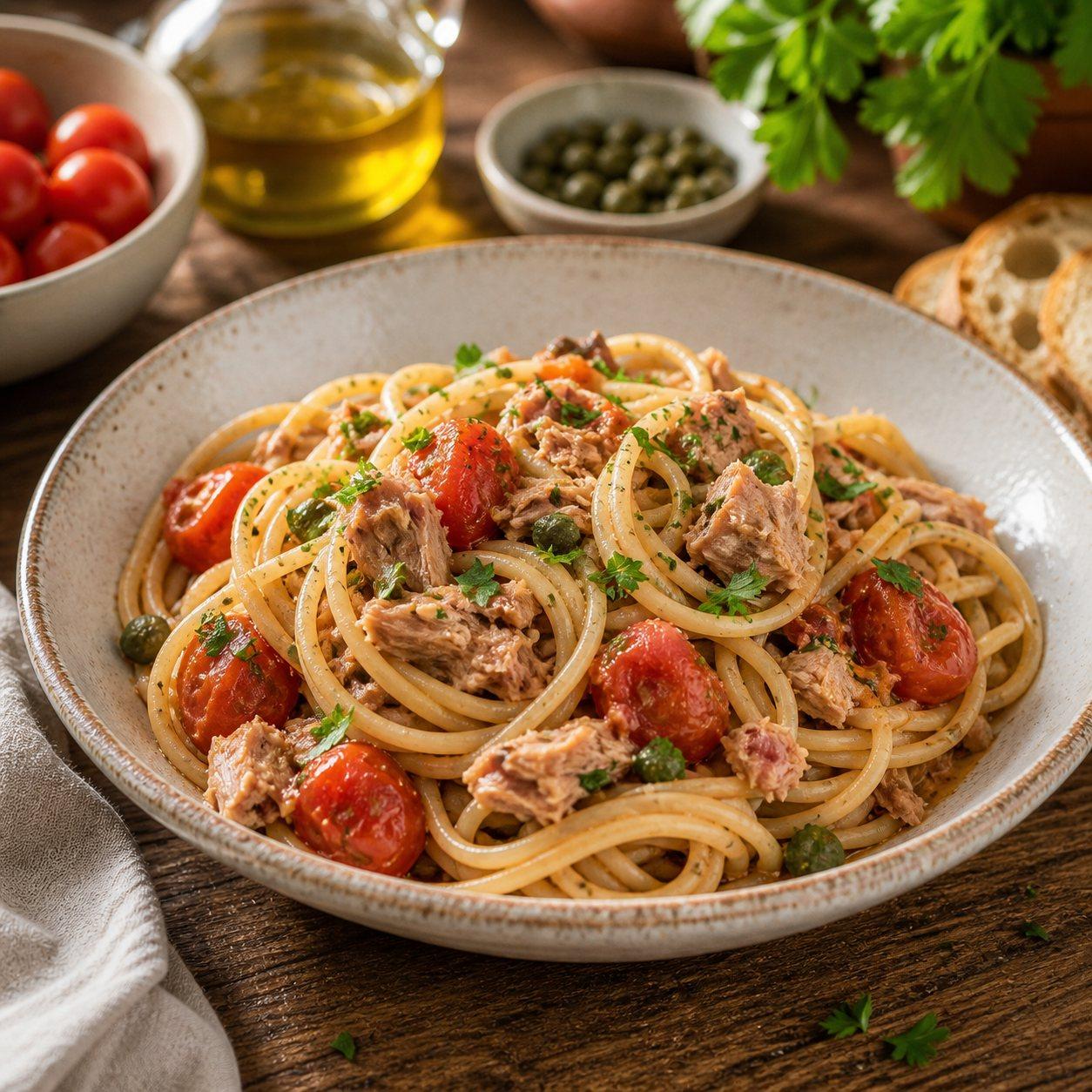
Chef John’s Spaghetti al Tonno:
One of the best things about spaghetti al tonno is its convenience. Canned tuna makes the recipe accessible throughout the year, while pantry staples such as garlic, olive oil, canned tomatoes, and dried herbs help create a flavorful sauce in minutes. The tuna adds protein and a rich, savory taste, while tomatoes and a splash of pasta cooking water bring the ingredients together into a delicious coating for the spaghetti.
Whether you need a quick weeknight dinner, an easy lunch, or a comforting Italian-style meal for the family, spaghetti al tonno is an excellent choice. You can customize it with chili flakes, capers, olives, lemon zest, or fresh parsley to suit your taste. This homemade version captures the spirit of Italian tuna pasta with straightforward ingredients and practical instructions for a flavorful result.
Spaghetti al Tonno is a classic Italian home-style pasta dish that reflects Italy’s tradition of creating delicious meals from simple, readily available ingredients. Tuna has long been an important part of Mediterranean food culture, particularly in coastal regions where fishing and seafood preservation have played significant roles in local cuisine.
Canned tuna made seafood more accessible to households far from the coast, helping popularize tuna pasta as a convenient everyday meal. Italian cooks commonly combine tuna with tomatoes, garlic, olive oil, and herbs, although some regional versions use lemon, capers, olives, or a lighter sauce without tomatoes.
Today, spaghetti al tonno is enjoyed around the world as an affordable, satisfying pasta dinner. Chef John’s version follows the appeal of this Italian favorite: straightforward preparation, familiar ingredients, and a savory flavor that makes ordinary pantry staples feel special.
Subscribe to our youtube channel Kitchenpedia for more delicious recipes and hit the like button if you enjoyed this youtubevideo. Share it with your friends and Family.
Chef John's Spaghetti al Tonno

Ingredients
For the pasta
- 12 ounces (340 g) spaghetti
- Water, for boiling
- Salt, for the pasta water
For the tuna sauce
- 2 cans (5 ounces or 140 g each) tuna, drained
- 2 tablespoons extra-virgin olive oil
- 4 garlic cloves, thinly sliced or minced
- 1 small yellow onion, finely chopped, optional
- 1 can (14–15 ounces or 400 g) crushed tomatoes
- 2 tablespoons tomato paste
- ½ teaspoon dried oregano
- ¼ teaspoon red pepper flakes, optional
- 2 tablespoons capers, rinsed, optional
- ¼ cup sliced black or green olives, optional
- ½ teaspoon freshly ground black pepper
- Salt, to taste
- ½ cup reserved pasta cooking water, as needed
For garnish
- 2 tablespoons fresh parsley, chopped
- 1 teaspoon lemon zest, optional
- 1 tablespoon fresh lemon juice, optional
- Extra-virgin olive oil, for finishing
- Grated Parmesan cheese, optional
Instructions
- Drain the canned tuna and gently separate it into bite-sized flakes using a fork. Chop the onion if using, slice or mince the garlic, and prepare the tomatoes, parsley, and optional olives and capers.Bring a large pot of water to a boil. Add salt to the water to season the spaghetti as it cooks.
- Add the spaghetti to the boiling water and cook according to the package instructions until al dente. The pasta should be tender but retain a slight firmness in the center.Before draining, reserve approximately half a cup of the pasta cooking water. This starchy water will help the sauce cling to the spaghetti.
- While the spaghetti cooks, heat the olive oil in a large skillet over medium-low heat.Add the chopped onion, if using, and cook for 3–4 minutes until softened. Add the garlic and cook for another 30–45 seconds until fragrant.Keep the heat moderate to prevent the garlic from burning, as burnt garlic can make the entire sauce taste bitter.
- Stir in the tomato paste and cook for about one minute. Add the crushed tomatoes, dried oregano, black pepper, and red pepper flakes if desired.Bring the sauce to a gentle simmer and cook for 8–10 minutes, stirring occasionally. This allows the tomatoes to develop a richer flavor and the sauce to thicken slightly.Add the capers and olives if using, then taste the sauce before adding salt because these ingredients may already contribute plenty of saltiness.
- Gently fold the drained tuna into the tomato sauce. Break up any large pieces, but avoid stirring too vigorously if you prefer to retain some larger flakes of tuna.Cook for approximately 2–3 minutes, just until the tuna is heated through and the flavors have combined. The tuna is already cooked, so it does not need prolonged simmering.
- Drain the cooked spaghetti and transfer it directly to the skillet containing the tuna sauce.Toss thoroughly using tongs until the pasta is evenly coated. Add a small amount of reserved pasta water at a time if the sauce appears too thick or does not coat the noodles evenly.Allow everything to cook together for about one minute, stirring gently so the pasta absorbs some of the sauce.
- Remove the skillet from the heat. Stir in the fresh parsley and optional lemon zest or lemon juice.Taste the pasta and adjust the seasoning as needed. A small drizzle of extra-virgin olive oil can add a final touch of richness and aroma.
- Divide the spaghetti among four warm plates or bowls. Spoon any remaining tuna sauce over the pasta and garnish with additional parsley.Add grated Parmesan if you enjoy it, although cheese is optional and often omitted from seafood pasta in traditional Italian cooking.Serve immediately with a green salad, roasted vegetables, or crusty bread.
Notes
-
Choose good-quality tuna: Solid or chunk tuna packed in olive oil provides a rich flavor and appealing texture.
-
Drain the tuna properly: Excess liquid can dilute the sauce and affect its consistency.
-
Cook the spaghetti al dente: Slightly firm pasta holds up better when tossed with the sauce.
-
Avoid burning the garlic: Gentle heat preserves its sweet, aromatic flavor.
-
Reserve pasta water: The starch helps bind the tomato sauce to the spaghetti.
-
Season carefully: Tuna, capers, olives, and canned tomatoes may already contain salt.
-
Add tuna near the end: This prevents it from becoming dry or breaking down excessively.
-
Finish with fresh herbs: Parsley and lemon brighten the savory tomato and tuna flavors.
Expert Tips for the Best Spaghetti al Tonno:
-
Use a large skillet: A wide pan makes tossing the spaghetti with the sauce easier and more even.
-
Choose ripe-tasting tomatoes: Good-quality canned tomatoes can provide excellent flavor when fresh tomatoes are unavailable.
-
Add chili for extra warmth: A pinch of red pepper flakes gives the sauce a pleasant kick without overpowering the tuna.
-
Include capers and olives: These Mediterranean ingredients add a salty, tangy character that complements seafood.
-
Do not overcook the sauce after adding tuna: A short heating time helps maintain moist, flavorful tuna.
-
Adjust the consistency gradually: Add pasta water one tablespoon at a time until the sauce coats the spaghetti beautifully.
-
Use lemon sparingly: A little lemon juice or zest enhances the flavor without making the sauce too acidic.
-
Serve immediately: Freshly tossed pasta has the best texture and aroma, especially while the sauce is warm.
FAQ’s for Chef John’s Spaghetti al Tonno:
1. What does Spaghetti al Tonno mean?
Spaghetti al Tonno is Italian for spaghetti with tuna. It generally refers to pasta tossed with tuna and seasonings, often including tomatoes, garlic, olive oil, and herbs.
2. Can I make Spaghetti al Tonno without tomatoes?
Yes. For a tomato-free version, sauté garlic in olive oil, add the tuna, and season with black pepper, lemon zest, parsley, and a little pasta water. You can also add capers for extra flavor.
3. Is canned tuna suitable for this recipe?
Absolutely. Canned tuna is convenient, affordable, and already cooked, making it ideal for a quick pasta dish. Tuna packed in olive oil provides a richer flavor, while tuna in water is generally lighter.
4. Which pasta works best with tuna sauce?
Spaghetti is a classic choice, but linguine, bucatini, penne, and fusilli also work well. Choose a pasta shape that holds the sauce effectively.
5. Can I add cream to Spaghetti al Tonno?
You can, but cream creates a richer, creamier variation rather than the more traditional tomato-and-olive-oil style. For a lighter finish, use a little reserved pasta water instead.
6. Can I prepare this recipe in advance?
The tomato sauce can be prepared ahead of time and refrigerated. For the best texture, cook the spaghetti shortly before serving and combine it with the reheated sauce and tuna.
7. How should I store leftover tuna pasta?
Transfer leftovers to an airtight container and refrigerate promptly. Consume within 3–4 days, and reheat gently until thoroughly hot. Avoid leaving cooked pasta at room temperature for extended periods.
8. What can I serve with Spaghetti al Tonno?
Serve it with garlic bread, crusty Italian bread, a fresh green salad, roasted zucchini, sautéed spinach, or grilled vegetables. Lemon wedges can also provide a refreshing contrast to the savory sauce.
Conclusion:
Chef John’s Spaghetti al Tonno is a satisfying Italian-inspired meal that proves a handful of pantry ingredients can create an incredibly flavorful dinner. Tender spaghetti, savory tuna, garlic, olive oil, and tomato sauce combine to deliver a delicious balance of Mediterranean flavors without complicated preparation.
Whether you enjoy the classic tomato-based version or customize it with olives, capers, chili flakes, or fresh lemon, this versatile tuna pasta is perfect for busy weeknights and relaxed family meals. Follow the simple steps, avoid overcooking the tuna, and finish with fresh parsley for a delicious pasta dish you can prepare again and again.