

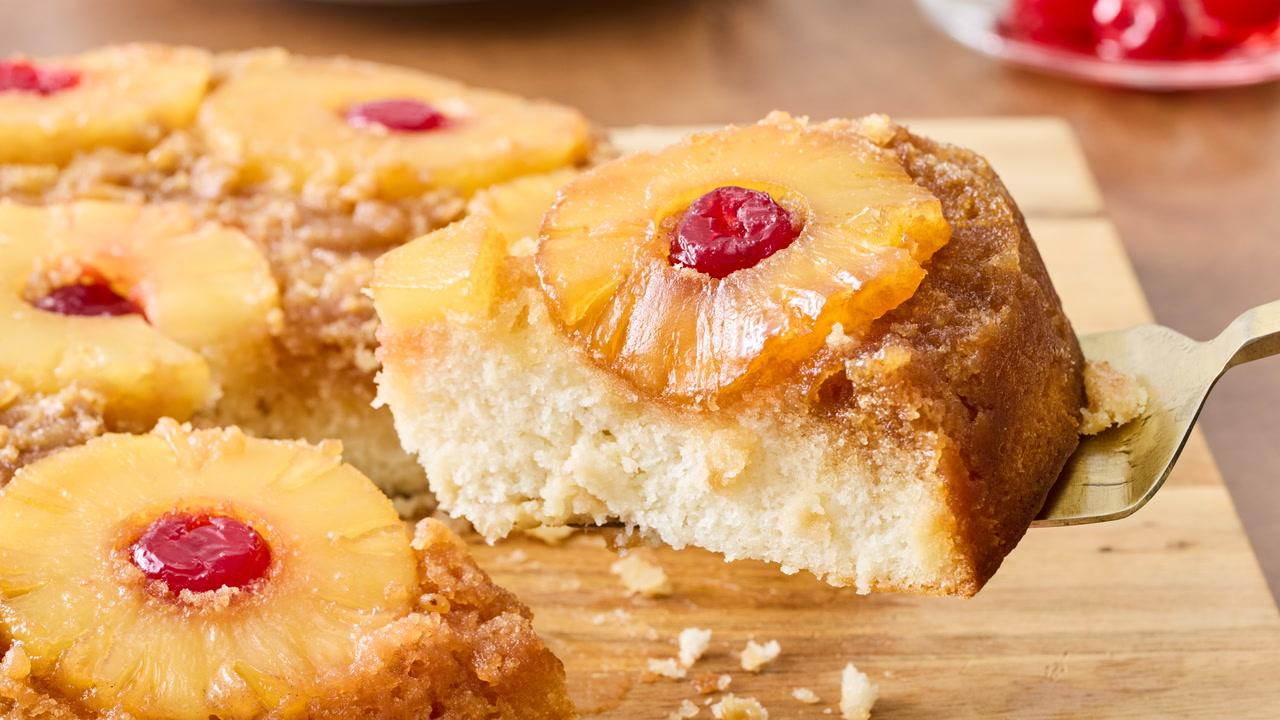
There is something wonderfully nostalgic about a homemade Pineapple Upside-Down Cake II. With its glossy caramelized pineapple rings, bright maraschino cherries, and soft golden cake, this dessert looks impressive while remaining surprisingly easy to prepare. The magic happens when you arrange the fruit and buttery brown sugar mixture at the bottom of the cake pan, pour the batter over it, and bake everything together. Once the cake is inverted onto a serving plate, the fruit becomes a beautiful decorative topping that makes every slice look special.
Pineapple Upside-Down Cake II:
This classic pineapple cake is perfect for birthdays, family gatherings, weekend baking, afternoon tea, or whenever you want a sweet treat with a tropical twist. The pineapple provides a refreshing fruity flavor, while brown sugar and butter create a rich, caramel-like glaze. Beneath the glossy topping, the cake remains tender, moist, and delicately sweet. You do not need elaborate frosting or professional decorating skills because the pineapple arrangement creates its own attractive finish.
The best part about making Pineapple Upside-Down Cake II at home is that you can create a bakery-style dessert using simple ingredients. Canned pineapple rings make preparation convenient throughout the year, and maraschino cherries add the familiar finishing touch. Whether you are an experienced baker or trying an upside-down cake for the first time, this recipe offers a straightforward way to prepare a dessert that combines beautiful presentation with delicious flavor.
History of Pineapple Upside-Down Cake:
Pineapple upside-down cake developed from a much older tradition of cooking fruit and sugar beneath cake batter in a pan. Before modern ovens and convenient cake pans became commonplace, cooks prepared various fruit cakes in skillets, sometimes turning them over before serving to reveal the caramelized fruit. Apples, peaches, and other seasonal fruits were suitable for these early upside-down desserts.
Pineapple became particularly popular in American baking during the early twentieth century, when canned pineapple made the fruit easier to obtain and use. The introduction of canned pineapple rings helped home bakers arrange attractive circular patterns in their pans. Cherries placed in the centers of the rings added a splash of color and became a familiar feature of the dessert.
The recipe known as Pineapple Upside-Down Cake II belongs to the modern collection of home-style recipes that celebrate this classic preparation. Its defining feature is the combination of pineapple, cherries, butter, and brown sugar beneath a soft cake layer. Although individual recipes vary in their ingredients and proportions, the basic technique remains wonderfully consistent: bake the cake with the fruit underneath, allow it to rest briefly, and invert it to reveal the glossy topping.
Why You’ll Love This Recipe:
This cake combines a soft, buttery crumb with sweet, tangy pineapple and a rich caramelized topping. Each bite offers a little of everything: the sweetness of brown sugar, the fruity brightness of pineapple, and the comforting flavor of homemade vanilla cake. Because the fruit decorates the cake naturally, you can create an attractive dessert without piping frosting or preparing complicated decorations.
Another advantage is the convenience of canned pineapple. You do not need to peel or slice a fresh pineapple, and the rings are already shaped for arranging in a circular pattern. Maraschino cherries provide a classic finishing touch, although you can leave them out or replace them with another fruit if you prefer.
The recipe is also suitable for many occasions. Serve it warm for a comforting dessert, or let it cool for a firmer texture that makes slicing and serving easier. Pair it with coffee, tea, or a scoop of vanilla ice cream for a simple yet satisfying treat.
Subscribe to our youtube channel Kitchenpedia for more delicious recipes and hit the like button if you enjoyed this youtubevideo. Share it with your friends and Family.
Pineapple Upside-Down Cake II

Ingredients
- Unsalted butter1/4 cup (57 g)
- Packed brown sugar1/2 cup (100 g)
- Packed brown sugar1/2 cup (100 g)
- Maraschino cherries8–10, drained
- All-purpose flour1 1/2 cups (180 g)
- Granulated sugar3/4 cup (150 g)
- Baking powder1 1/2 teaspoons
- Salt1/4 teaspoon
- Unsalted butter, softened1/2 cup (113 g)
- Eggs2 large
- Milk1/2 cup (120 ml)
- Vanilla extract1 teaspoon
Instructions
- Preheat your oven to 350°F (175°C). Lightly grease the sides of a 9-inch round cake pan. Melt the topping butter and pour it evenly over the bottom of the pan, then sprinkle the brown sugar over the butter. Spread the sugar gently so that most of the surface is covered. This mixture will melt and develop a rich, glossy topping as the cake bakes.
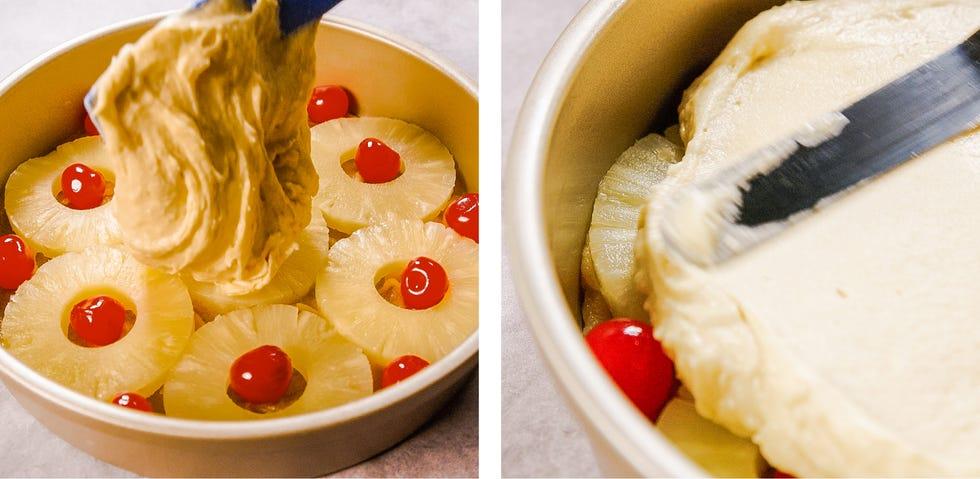
- Drain the canned pineapple rings thoroughly and pat them dry with paper towels. Excess juice can make the topping watery and interfere with clean cake slices. Arrange the pineapple rings over the brown sugar mixture, placing them in a single layer. Put a maraschino cherry in the center of each ring and add any extra cherries in the gaps if desired.
- In a medium bowl, whisk together the flour, baking powder, and salt. Mixing these ingredients separately helps distribute the baking powder evenly throughout the flour. This supports a consistent rise and reduces the risk of dense patches in the finished cake. Set the bowl aside while you prepare the wet ingredients.
- In a large mixing bowl, beat the softened butter and granulated sugar until the mixture looks light and creamy. Add the eggs one at a time, mixing well after each addition. Stir in the vanilla extract. Add the dry ingredients in portions, alternating with the milk, and mix gently until the batter is smooth. Stop mixing as soon as the ingredients are combined to avoid developing too much gluten.
- Carefully spoon the cake batter over the arranged pineapple and cherries. Spread it evenly with a spatula, taking care not to disturb the fruit pattern. Smooth the top so the cake bakes at a consistent thickness. Gently tap the pan on the counter once or twice to release any large air pockets.
- Place the cake pan on the center rack of the preheated oven. Bake for approximately 40–50 minutes, checking near the 40-minute mark. The top should be golden, and a toothpick inserted into the center should come out clean or with a few moist crumbs. If the top browns too quickly before the center is done, loosely cover it with foil.
- Remove the cake from the oven and let it rest for 10–15 minutes. Run a thin knife carefully around the edge to loosen any cake that may be sticking to the pan. Place a heatproof serving plate over the pan, hold both securely with oven mitts, and turn them over in one controlled movement. Lift the pan slowly to reveal the pineapple and cherry topping.
- Allow the cake to settle for several minutes before slicing. If any pineapple pieces remain attached to the pan, carefully lift them off and return them to their original positions while the topping is still warm. Serve the cake slightly warm or at room temperature. A spoonful of whipped cream or a scoop of vanilla ice cream makes a delicious accompaniment.
Notes
-
Drain the pineapple thoroughly: Excess juice may prevent the topping from caramelizing properly.
-
Use room-temperature ingredients: Softened butter, eggs, and milk help the batter combine smoothly.
-
Measure flour accurately: Too much flour can make the cake dry or heavy.
-
Choose a suitable pan: A 9-inch round cake pan with sufficiently high sides helps contain the batter and topping.
-
Avoid overmixing: Excessive mixing can produce a tougher cake crumb.
-
Check the center: The cake is ready when a toothpick comes out clean or with a few moist crumbs.
-
Invert at the right time: Waiting too long can allow the caramelized topping to stick to the pan.
-
Handle the hot pan carefully: Use oven mitts and a heatproof plate when turning the cake over.
Eight Tips for the Best Pineapple Upside-Down Cake:
-
Pat the fruit dry: This small step helps prevent excess moisture from collecting beneath the cake.
-
Arrange the fruit neatly: A balanced pineapple pattern creates a beautiful presentation.
-
Distribute the brown sugar evenly: This helps the topping develop a consistent caramelized finish.
-
Cream butter and sugar properly: Beating them until light and creamy helps create a tender cake.
-
Avoid opening the oven too early: Sudden temperature changes can interfere with rising.
-
Use a toothpick test: Check the center rather than relying only on the cake’s color.
-
Invert while slightly warm: A brief resting period allows the cake to settle while keeping the topping easier to release.
-
Use a large serving plate: Choose a plate wider than the cake so the caramelized topping stays contained.
Recipe Variations and Substitutions:
Fresh Pineapple Version:
Fresh pineapple works beautifully if you prefer a brighter, slightly tangier flavor. Cut it into even rings or thin slices, remove the core, and pat the pieces dry before arranging them in the pan. Fresh pineapple may contain more variable amounts of juice than canned pineapple, so careful preparation is especially useful.
Brown Sugar and Cinnamon Version:
For a warmer flavor, add a small pinch of cinnamon to the brown sugar topping. Cinnamon complements the pineapple’s natural sweetness and gives the cake a cozy aroma. Use only a little so that the spice does not overwhelm the fruit.
Dairy-Free Version:
Replace the butter with a plant-based baking block and use an unsweetened plant-based milk. Choose products intended for baking, since some spreads contain more water than regular butter and can affect the cake’s texture. The finished cake may taste slightly different, but the pineapple topping will still provide plenty of flavor.
Mini Pineapple Upside-Down Cakes:
For individual portions, divide the topping and batter among a greased muffin pan. Place a small pineapple piece and cherry in each section, then add enough batter to fill each cup about two-thirds full. Begin checking for doneness after approximately 18–25 minutes, as smaller cakes bake more quickly than a full-size cake.
Serving and Presentation Ideas:
Pineapple Upside-Down Cake II looks beautiful without frosting, making it an easy centerpiece for a dessert table. Place it on a plain white serving plate to highlight the golden fruit and red cherries. For a special occasion, add a few fresh mint leaves around the edge of the plate, keeping the decoration simple so the fruit remains the focus.
Serve each slice with freshly whipped cream, vanilla ice cream, or a spoonful of thick yogurt. The cool, creamy accompaniment balances the warm caramel flavor of the topping. If you prefer a lighter serving, enjoy a small slice with tea or black coffee.
For parties, cut the cake into even wedges using a sharp knife. Wipe the blade between slices to keep the caramelized topping neat. If you are transporting the cake, allow it to cool completely and use a stable container with enough space to protect the fruit decoration.
Storage and Freezing Instructions:
Once the cake has cooled, cover it and refrigerate it promptly. Because the topping contains moist fruit, refrigeration is a sensible choice for preserving quality and reducing the risk of spoilage. For best texture, enjoy the cake within about three to four days, and discard it if you notice mold, an unusual smell, or other signs of spoilage.
To freeze the cake, let it cool completely and cut it into individual portions. Wrap each piece securely and place the portions in a freezer-safe container. For best quality, use within approximately two months. Thaw portions in the refrigerator before serving.
If you prefer warm cake, reheat an individual slice briefly in the microwave. Use short intervals and check the temperature between them, as the sugary topping can become very hot. Avoid repeatedly heating and cooling the entire cake.
Common Mistakes to Avoid:
The first common mistake is using pineapple that has not been drained well. Excess juice can dilute the butter and sugar topping, leaving it watery rather than glossy. Patting the rings dry before arranging them helps create a better result.
Another mistake is turning the cake out immediately after it leaves the oven. The cake is delicate while piping hot, so a short resting period helps it settle. However, waiting too long can make the caramelized topping stick to the pan. Aim for the recommended 10–15 minutes, then invert carefully.
Finally, avoid adding too much flour or overmixing the batter. Both can make the cake dense, which takes away from its tender texture. Measure the ingredients carefully, mix only until combined, and check the center for doneness before removing the cake from the oven.
FAQ’s for Pineapple Upside-Down Cake II:
1. Can I use fresh pineapple instead of canned pineapple?
Yes. Fresh pineapple is a good substitute. Slice it evenly, remove the tough core, and pat the pieces dry before arranging them over the brown sugar mixture. Since fresh pineapple can vary in moisture and sweetness, the finished topping may taste slightly different.
2. Why is my pineapple upside-down cake soggy?
A soggy cake can result from excess pineapple juice, underbaking, or a topping that releases too much moisture. Drain the fruit thoroughly, check the cake’s center with a toothpick, and allow the cake to rest briefly before turning it out.
3. Should pineapple upside-down cake be served warm or cold?
It can be served either way. Slightly warm cake has a soft texture and a rich caramel aroma, especially when paired with vanilla ice cream. At room temperature, the cake is easier to slice and serve neatly.
4. Can I make Pineapple Upside-Down Cake II a day ahead?
Yes. Bake the cake a day before serving, allow it to cool, cover it, and refrigerate it. Bring individual slices toward room temperature before serving, or warm them briefly if you prefer a softer texture.
5. How do I stop the cake from sticking to the pan?
Grease the sides of the pan, distribute the butter and brown sugar evenly, and allow the cake to rest for about 10–15 minutes after baking. Run a thin knife around the edge before inverting it onto a serving plate. A suitable nonstick cake pan can also make release easier.
Conclusion:
Pineapple Upside-Down Cake II is a timeless homemade dessert that combines caramelized fruit, buttery brown sugar, and a tender vanilla cake in one attractive bake. Its colorful pineapple rings and cherries make it look special, yet the preparation is straightforward enough for everyday baking. With canned pineapple, simple pantry ingredients, and a few careful steps, you can create a cake that is delicious, inviting, and easy to share.
For the best results, drain the pineapple well, measure the ingredients carefully, avoid overmixing, and give the cake a short rest before turning it out. Serve it warm with ice cream or enjoy it at room temperature with a cup of tea. Whether you are baking for family, friends, or simply yourself, this classic pineapple dessert is a lovely addition to your collection of homemade cake recipes.