


South African Traditional Vetkoek is a much-loved fried bread known for its beautiful golden crust, soft fluffy interior, and comforting homemade flavor. Pronounced approximately “FET-cook,” vetkoek means “fat cake” in Afrikaans, referring to the bread’s traditional preparation in hot oil. Made from a simple yeast dough using flour, water, sugar, salt, and yeast, these delicious bread rolls puff up during frying to create a light, airy center surrounded by a slightly crisp exterior. They are a popular part of South African food culture and are enjoyed by people of all ages.
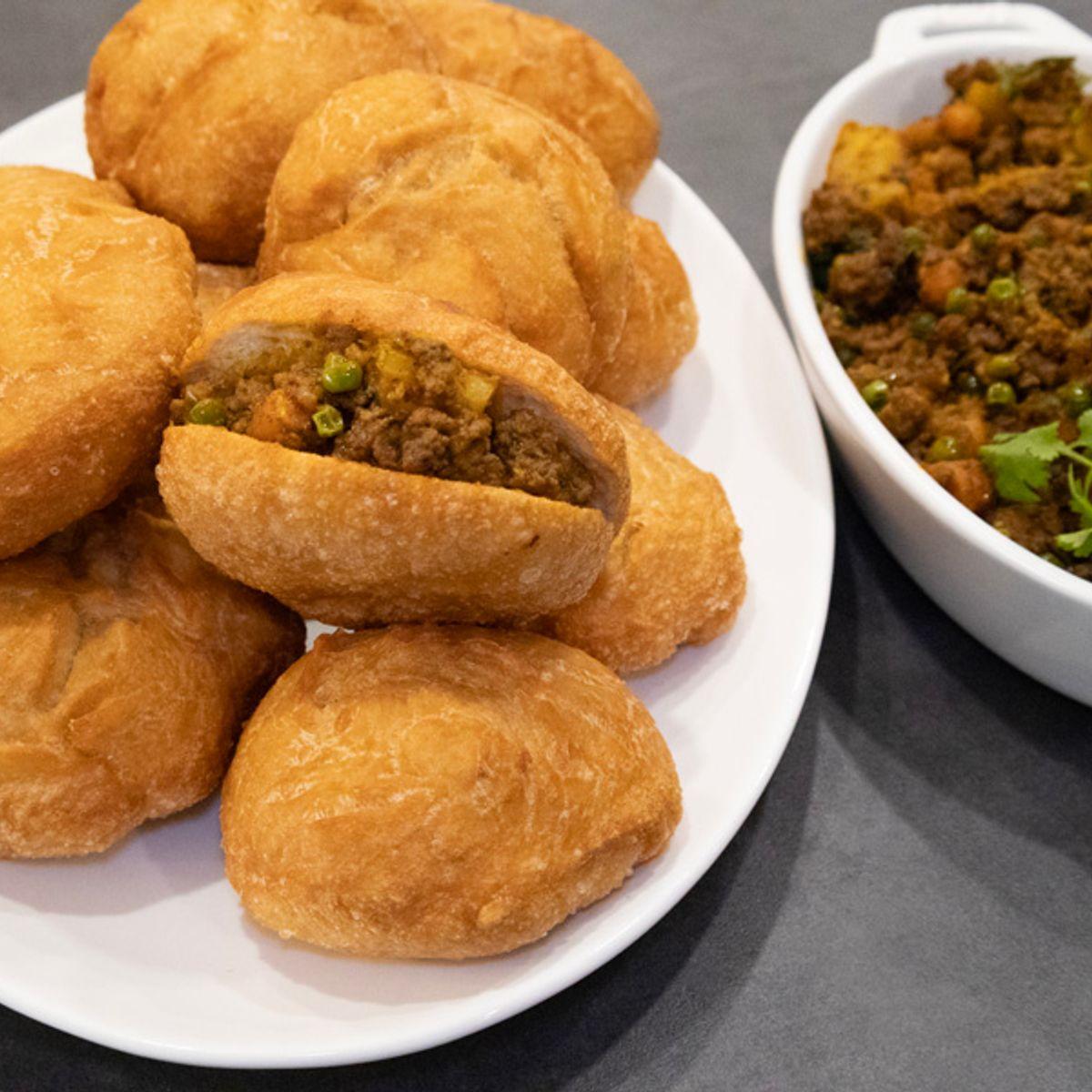
South African Traditional Vetkoek:
One of the best things about homemade vetkoek is its versatility. The bread can be served plain while still warm, filled with savory curried minced meat, or enjoyed with sweet toppings such as jam, honey, or syrup. Its mild flavor and pillowy texture make it an excellent companion to hearty stews, soups, and traditional South African dishes. Although the ingredients are inexpensive and easy to find, the secret to achieving perfect vetkoek lies in preparing a soft dough, allowing it to rise properly, and maintaining the correct frying temperature.
Whether you’re looking for a traditional South African snack, a satisfying weekend breakfast, or a crowd-pleasing dish for family gatherings, vetkoek is a wonderful recipe to try. The dough can be prepared with basic pantry ingredients, and the finished bread is best enjoyed fresh from the pan. Serve it with spicy mince for a classic savory meal or sprinkle it with sugar for a simple sweet treat. This easy homemade recipe brings the warmth and deliciousness of South African cooking straight to your kitchen.
History:
Vetkoek has deep roots in South African food traditions and is particularly associated with Afrikaner home cooking. The name comes from Afrikaans, with “vet” meaning fat and “koek” meaning cake. Traditionally, it refers to a piece of bread dough fried in fat or oil rather than baked in an oven.The dish became popular because it uses inexpensive, everyday ingredients and can be prepared without specialized baking equipment. Fried dough foods have appeared in many cultures, and vetkoek developed its own identity within South African culinary traditions. It is often connected with traditional home cooking, outdoor gatherings, markets, and family meals.Today, vetkoek is enjoyed throughout South Africa and is commonly sold at food stalls and takeaway shops. One particularly popular variation is vetkoek met maalvleis, which means vetkoek with minced meat. Other versions are filled with cheese or served with jam and syrup. Its simple ingredients, satisfying texture, and adaptable fillings have made it an enduring favorite.
Subscribe to our youtube channel Kitchenpedia for more delicious recipes and hit the like button if you enjoyed this youtubevideo. Share it with your friends and Family.
South African vetkoek

Ingredients
For the Vetkoek Dough
- 4 cups (500 g) all-purpose flour
- 2 teaspoons instant yeast
- 2 tablespoons granulated sugar
- 1 teaspoon salt
- 1¾ cups (approximately 420 ml) lukewarm water, added gradually
- 1 tablespoon vegetable oil, optional, for the dough
- Vegetable oil for deep-frying
Optional Savory Minced Meat Filling
- 300 g ground beef
- 1 tablespoon vegetable oil
- 1 medium onion, finely chopped
- 2 garlic cloves, minced
- 1 medium tomato, chopped
- 1 teaspoon curry powder
- ½ teaspoon ground paprika
- 2 tablespoons water, if needed
Instructions
- In a large mixing bowl, combine the flour, instant yeast, sugar, and salt. Mix the dry ingredients thoroughly so the yeast and salt are evenly distributed.Gradually pour in the lukewarm water while mixing with a wooden spoon or your hands. Add the optional tablespoon of oil if desired. Continue mixing until a soft, slightly sticky dough forms.Avoid adding all the water at once because flour absorbs moisture differently depending on the brand and humidity. The dough should be soft enough to knead without becoming excessively wet.
- Transfer the dough to a lightly floured work surface. Knead for approximately 8–10 minutes until it becomes smooth, elastic, and stretchy.If the dough feels excessively sticky, add a small amount of flour at a time. However, avoid adding too much, as a stiff dough can produce dense vetkoek instead of light, fluffy bread.You can also knead the dough in a stand mixer fitted with a dough hook for approximately 5–7 minutes.
- Place the dough in a lightly oiled bowl and turn it once to coat the surface. Cover the bowl with a clean kitchen towel or plastic wrap.Leave it in a warm, draft-free place for approximately 60–90 minutes, or until it has roughly doubled in size. Rising time will depend on the room temperature and yeast activity.This stage develops the dough's structure and helps create the soft, airy interior that makes vetkoek so delicious.
- Gently press the risen dough to release some of the trapped air. Transfer it to a lightly floured surface and divide it into eight equal portions.Shape each portion into a smooth ball, then flatten it slightly into a thick round approximately 2–3 cm high. Avoid making the pieces too thin because traditional vetkoek should have a fluffy center.Place the shaped pieces on a lightly floured tray, cover them, and let them rest for another 15–20 minutes.
- Pour vegetable oil into a deep, heavy-bottomed pot to a depth of approximately 5–7 cm, ensuring the pot is no more than half full.Heat the oil to approximately 170–180°C (340–355°F). Use a cooking thermometer to monitor the temperature.If the oil is too cool, the bread may absorb excess oil and become greasy. If it is too hot, the outside can brown before the center cooks completely.Keep the cooking area clear of water and never leave hot oil unattended.
- Carefully lower two or three dough portions into the hot oil, depending on the size of your pot. Do not overcrowd the pot because this can lower the oil temperature.Fry each piece for approximately 3–5 minutes per side, turning carefully with a slotted spoon when the underside becomes golden brown.Continue frying until both sides are evenly golden and the center is cooked through. Cooking time will vary with the size and thickness of the dough portions.
- Remove the cooked vetkoek using a slotted spoon and place them on a wire rack or a plate lined with paper towels.Allow the oil to drain for a few moments before serving. Avoid stacking the bread immediately while it is steaming hot, as trapped moisture can soften the crisp exterior.For the best texture, serve the vetkoek while still warm.
- Heat one tablespoon of vegetable oil in a frying pan over medium heat. Add the chopped onion and cook for approximately 3–4 minutes until softened.Add the garlic and curry powder, stirring briefly until fragrant. Add the ground beef and cook until browned, breaking up any large clumps with a spoon.Stir in the chopped tomato, paprika, salt, and black pepper. Cook for another 8–12 minutes, or until the beef is fully cooked and the mixture is thick rather than watery. Add a little water if necessary, then simmer until most of the liquid evaporates.
- Allow the vetkoek to cool just enough to handle safely. Cut a slit into the side of each bread roll without cutting all the way through.Fill with the prepared curried mince and serve immediately. Alternatively, serve plain vetkoek with butter, jam, honey, or cinnamon sugar.For a traditional savory meal, pair the bread with a fresh tomato-and-onion salad or a simple green salad.
Notes
Tips for South African Vetkoek:
- Measure the flour accurately: Too much flour can make the dough dense. Weighing the flour is helpful for consistent results.
- Knead patiently: Proper kneading develops gluten, giving the dough enough structure to puff during frying.
- Check your yeast: Make sure the yeast is within its expiration date and has been stored correctly.
- Use a thermometer: Monitoring the oil temperature is one of the best ways to prevent greasy or undercooked vetkoek.
- Shape evenly: Similar-sized portions cook more consistently and are easier to serve.
- Avoid excessive flour during shaping: Too much loose flour can burn in the oil and affect the flavor.
- Keep the filling thick: A watery mince mixture can make the inside of the bread soggy.
- Experiment with toppings: Try savory mince, cheese, chutney, jam, or honey to enjoy different versions of this traditional bread.
FAQs for South African Traditional Vetkoek:
1. What is traditional South African vetkoek?
Vetkoek is a traditional South African fried bread made from yeast dough. It has a golden exterior and a soft, fluffy center. It can be eaten plain, filled with savory ingredients, or served with sweet toppings.
2. What does the word vetkoek mean?
The Afrikaans word vetkoek translates roughly to “fat cake.” The name refers to the traditional method of frying the dough in fat or oil.
3. Is vetkoek the same as a doughnut?
Not exactly. Both are fried dough products, but traditional vetkoek is generally less sweet and is commonly served as bread with savory fillings such as curried minced meat. Doughnuts are often sweeter and may have a different dough and texture.
4. Why is my vetkoek raw inside?
This can happen if the oil is too hot, the dough portions are too thick, or the frying time is too short. Maintain a temperature of approximately 170–180°C and allow enough time for the center to cook through.
5. Why does my vetkoek absorb too much oil?
The oil may be too cool, the dough may be excessively wet, or the bread may be left in the oil for too long. Keep the oil temperature steady and fry only a few pieces at a time.
6. Can I make vetkoek without yeast?
Yes, quick versions using baking powder exist, but they produce a different texture and flavor. Yeast is the preferred choice for the traditional fluffy, bread-like version described in this recipe.
7. What is traditionally served with vetkoek?
Vetkoek is commonly served with curried minced meat, known as maalvleis, or with butter, jam, and other sweet spreads. It can also accompany soups, stews, and salads.
8. Can I make vetkoek dough ahead of time?
Yes. You can prepare the dough in advance and refrigerate it in a covered, lightly oiled container. Allow it to warm slightly and become puffy before shaping and frying. Keep the dough refrigerated rather than leaving it at room temperature for an extended period.
9. Can vetkoek be frozen?
Yes. Cool the cooked vetkoek completely, wrap it well, and freeze it in an airtight container or freezer bag. Reheat in an oven until warm. The texture may be less crisp than freshly fried bread.
10. Can I make vetkoek in an air fryer?
Traditional vetkoek is deep-fried, so an air fryer will produce a different result. You can experiment with lightly oiled dough portions in an air fryer, but the crust and texture may not match the classic version.
11. Is vetkoek vegetarian?
The basic dough recipe is vegetarian and can be vegan when made with plant-based ingredients. Check the ingredients in any spreads or fillings if you need a fully plant-based meal.
12. How should leftover vetkoek be stored?
Store cooled vetkoek in an airtight container at room temperature for up to a day, or refrigerate for a little longer. Reheat in an oven or air fryer to refresh the exterior. For longer storage, freeze the bread.
Conclusion:
South African Traditional Vetkoek is a wonderfully comforting fried bread that combines simple ingredients with a delicious golden crust and a soft, airy interior. Its versatility makes it ideal for breakfast, snacks, family meals, and gatherings, whether served plain, filled with curried minced meat, or enjoyed with sweet spreads.The secret to great vetkoek is a soft, well-kneaded dough, enough time to rise, and carefully controlled frying oil. With these simple techniques, you can prepare homemade vetkoek that is golden on the outside and fluffy in the middle.Try this classic South African recipe for your next homemade bread adventure, and enjoy a taste of a much-loved culinary tradition.