
 recipe made with soft flatbread dough and aromatic za'atar herbs. Learn the traditional Middle Eastern method, ingredients, tips, FAQs, and step-by-step instructions to bake this flavorful Mediterranean bread at home.)
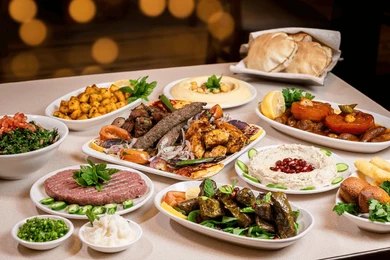
Lebanese Za’atar Bread, also known as Manakish or Manoushe, is one of the most beloved traditional flatbreads from the Middle East. With its soft yet slightly crisp texture and fragrant topping of za’atar herbs and olive oil, this bread is a staple in Lebanese homes and bakeries. It is often enjoyed for breakfast, lunch, or as part of a mezze spread alongside fresh vegetables, yogurt dips, or hummus.
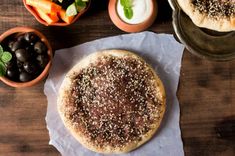
Lebanese Za’atar Bread :
What makes this bread truly special is the za’atar spice blend, which combines thyme, sesame seeds, and tangy sumac. When mixed with olive oil and spread over warm dough, it creates an irresistible earthy, nutty flavor. As it bakes, the aroma fills the kitchen with the comforting scent of herbs and toasted sesame.Simple, rustic, and incredibly satisfying, Lebanese Za’atar Bread is often compared to a Mediterranean-style pizza. However, its light dough and bold herbal topping make it uniquely Middle Eastern and deeply rooted in Lebanese culinary culture.
History:
Za’atar bread, known as Manakish, has been part of Lebanese cuisine for centuries. Traditionally baked in communal ovens or on a saj(a domed metal griddle), it became a popular breakfast food in villages and cities across Lebanon.
The name “Manakish” comes from an Arabic word meaning “to carve or decorate,” referring to the finger indentations pressed into the dough before baking.Street bakeries across Lebanon still prepare fresh manakish early each morning, serving them warm to locals who enjoy them with tomatoes, cucumbers, olives, and mint. Today, this beloved flatbread has spread worldwide and is enjoyed in Middle Eastern restaurants and home kitchens alike.
Subscribe to our youtube channel Kitchenpedia for more delicious recipes and hit the like button if you enjoyed this youtubevideo. Share it with your friends and Family.
Lebanese Za'atar Bread (Manakish): Authentic Middle Eastern

Ingredients
- 3 cups all-purpose flour
- 1 tablespoon sugar
- 2 teaspoons active dry yeast
- 1 teaspoon salt
- 1 cup warm water
- 2 tablespoons olive oil
- 4 tablespoons za'atar spice blend
- 4 tablespoons olive oil
- 1 teaspoon sesame seeds (optional)
Instructions
- In a bowl, mix warm water, sugar, and yeast. Let it sit for 5–10 minutes until frothy.
- Add flour, salt, and olive oil to the yeast mixture. Mix until a soft dough forms.
- Knead the dough for 8–10 minutes until smooth and elastic.
- Place the dough in an oiled bowl, cover, and allow it to rise for about 1 hour until doubled in size.
- Divide the dough into 4–6 pieces. Roll each piece into a small round flatbread about ½ inch thick.
- Mix za'atar with olive oil to create a thick paste.
- Spread the za'atar mixture evenly on each dough round.
- Bake in a preheated oven at 220°C (425°F) for 10–15 minutes until golden and slightly crisp.
- Serve warm with olives, cucumber, tomatoes, or yogurt dip.
Notes
- Use high-quality olive oil for the best flavor.
- Dough can be prepared ahead and refrigerated overnight.
- Whole wheat flour can replace half of the all-purpose flour.
- Za'atar blends vary by region.
- Add cheese like feta or akkawi for variation.
- Bake on a pizza stone for crispier bread.
- Use parchment paper to prevent sticking.
- Fresh herbs can enhance the topping.
Tips for Lebanese Za’atar Bread :
- Do not add hot water—it can kill the yeast.
- Knead thoroughly to get soft bread.
- Keep dough slightly sticky for better texture.
- Preheat the oven well before baking.
- Thin dough creates crispier bread.
- Brush edges with olive oil for golden crust.
- Sprinkle sesame seeds for extra crunch.
- Serve immediately for best flavor.
FAQs for Lebanese Za’atar Bread :
1. What is za’atar?
Za’atar is a Middle Eastern spice blend made mainly of thyme, sesame seeds, and sumac, sometimes with oregano or marjoram.
2. Is Manakish the same as pizza?
It is often called the “Lebanese pizza”, but the flavors and dough are unique to Middle Eastern cuisine.
3. Can I make it without yeast?
Yes, but yeast provides the traditional fluffy texture.
4. How do I store leftovers?
Store in an airtight container for 2–3 days in the refrigerator.
5. Can I freeze Za’atar bread?
Yes. Freeze baked bread for up to 2 months.
6. What do you eat with Manakish?
It pairs well with hummus, labneh, olives, cucumber, and tomatoes.
Conclusion:
Lebanese Za’atar Bread is a beautiful example of how simple ingredients can create extraordinary flavor. With its soft dough, fragrant herb topping, and golden crust, it delivers a perfect balance of texture and taste. Whether served as a quick breakfast, afternoon snack, or part of a Middle Eastern feast, this traditional flatbread brings warmth and authenticity to any table. Once you try homemade Manakish, it may quickly become one of your favorite breads to bake.