


Briam is a classic Greek vegetable dish featuring a colorful mixture of zucchini, potatoes, tomatoes, onions, and other seasonal vegetables slowly roasted with olive oil, garlic, and aromatic herbs. The vegetables become beautifully tender while their natural flavors intensify in the oven.
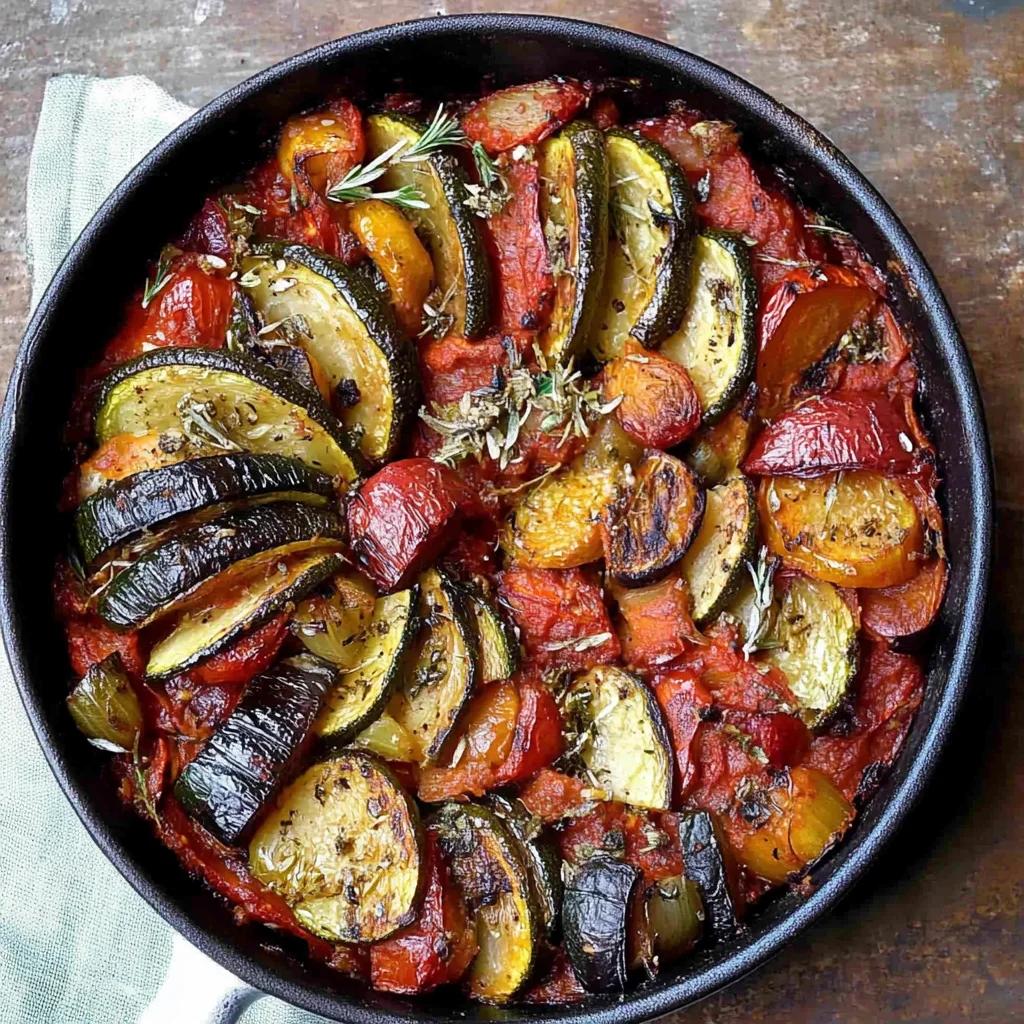
Briam:
This rustic Mediterranean dish is a wonderful example of how Greek cooking transforms simple vegetables into something deeply flavorful. A generous amount of extra-virgin olive oil, ripe tomatoes, garlic, oregano, and parsley creates a rich sauce that coats every tender vegetable.Briam is traditionally enjoyed as a vegetarian main course, but it is equally delicious as a side dish. Serve it with crusty bread, feta cheese, Greek yogurt, or a fresh salad to soak up the flavorful tomato sauce.
History:
Briam belongs to the Greek tradition of ladera, a family of vegetable dishes cooked generously with olive oil. These dishes are closely associated with home cooking and the Mediterranean practice of making vegetables the centerpiece of a meal.The recipe is particularly suited to summer, when zucchini, tomatoes, eggplant, peppers, and other vegetables are abundant. Different Greek households and regions prepare Briam with slightly different combinations of vegetables depending on what is available.The slow roasting method allows the vegetables to release their natural juices, which combine with tomatoes, olive oil, garlic, and herbs to create a rich, rustic sauce. Today, Briam remains a popular vegetarian Greek dish served both at home and in traditional restaurants.
Subscribe to our youtube channel Kitchenpedia for more delicious recipes and hit the like button if you enjoyed this youtubevideo. Share it with your friends and Family.
Briam

Ingredients
For the Vegetables
- 3 medium potatoes, peeled and cut into wedges
- 2 medium zucchini, sliced into thick rounds
- 1 medium eggplant, cut into chunks
- 2 large ripe tomatoes, chopped
- 1 red bell pepper, sliced
- 1 yellow bell pepper, sliced
- 4 garlic cloves, thinly sliced
- ½ cup fresh parsley, chopped
- 1½ teaspoons dried oregano
- ½ teaspoon dried thyme, optional
- 1 teaspoon salt, or to taste
- ½ teaspoon freshly ground black pepper
For the Tomato-Olive Oil Sauce
- ¾ cup crushed tomatoes
- ½ cup extra-virgin olive oil
- ¼ cup water or vegetable broth
- 1 tablespoon tomato paste, optional
- 1 tablespoon fresh lemon juice, optional
For Serving
- Crumbled feta cheese
- Fresh parsley
- Lemon wedges
- Crusty bread
Instructions
- Preheat your oven to 400°F (200°C).
- Wash and cut all the vegetables into similarly sized pieces.
- In a bowl, combine the crushed tomatoes, olive oil, water or vegetable broth, tomato paste if using, garlic, oregano, salt, and black pepper.
- Place the potatoes, zucchini, eggplant, tomatoes, onion, and bell peppers into the prepared roasting pan.
- Pour the tomato mixture over the vegetables and toss carefully until everything is well coated.
- Cover the dish loosely with aluminum foil and roast for approximately 30 minutes.
- Return the dish to the oven and roast uncovered for another 30–45 minutes, stirring once or twice.
- Drizzle with a little fresh lemon juice if desired and sprinkle with fresh parsley.
- Serve warm or at room temperature with crumbled feta, crusty bread, and lemon wedges.
- The flavorful tomato and olive oil sauce is especially delicious when soaked up with bread.
Notes
- Use seasonal vegetables: Fresh, ripe vegetables provide the best flavor.
- Don't cut potatoes too large: They need enough time to become tender.
- Eggplant is optional: You can omit it or replace it with additional zucchini.
- Olive oil matters: Extra-virgin olive oil gives Briam its characteristic richness.
- Avoid overcrowding: A large roasting pan helps the vegetables caramelize.
- Tomato quality: Use ripe fresh tomatoes or good-quality crushed tomatoes.
- Rest before serving: A short resting period allows the sauce to settle.
- Feta is optional: The dish is delicious with or without cheese.
Tips for Briam:
- Cut vegetables evenly so they cook at roughly the same rate.
- Use a large roasting pan instead of a small deep dish when possible.
- Season every layer for more evenly distributed flavor.
- Don’t reduce the olive oil too much, as it is central to traditional Briam.
- Stir during roasting to prevent sticking and encourage even browning.
- Roast uncovered toward the end to caramelize the vegetables.
- Don’t rush the cooking process because slow roasting develops deeper flavor.
- Serve with crusty bread to enjoy the flavorful tomato and olive oil sauce.
FAQs for Briam:
Q: What is Briam?
Briam is a traditional Greek roasted vegetable dish made with vegetables such as potatoes, zucchini, eggplant, tomatoes, onions, and peppers, along with olive oil, garlic, and herbs.
Q: Is Briam vegetarian?
Yes. Traditional Briam is naturally vegetarian.
Q: Is Briam vegan?
Yes, the vegetable dish itself is vegan. If serving it with feta, omit the cheese or use a plant-based alternative.
Q: Can I add other vegetables?
Absolutely. Carrots, mushrooms, green beans, squash, or additional peppers can be incorporated depending on the season.
Q: Can I prepare Briam ahead of time?
Yes. is excellent as a make-ahead dish. The flavors often become even more developed after resting.
Q: Can I serve cold?
Yes. Briam can be served warm, at room temperature, or slightly chilled.
Q: How should I store leftovers?
Place leftovers in an airtight container and refrigerate. For best quality, consume within approximately 3–4 days.
Q: What should I serve with Briam?
Serve it with crusty bread, feta cheese, Greek yogurt, olives, rice, or a simple Greek salad. It also works beautifully alongside grilled fish or chicken.
Conclusion:
Briam is a wonderful celebration of Greek home cooking, turning everyday vegetables into a deeply flavorful Mediterranean meal. The combination of tender potatoes, zucchini, eggplant, peppers, tomatoes, onion, garlic, herbs, and generous olive oil creates a dish that is colorful, comforting, and satisfying.Slow roasting allows the vegetables to caramelize while their juices blend with the tomato and olive oil sauce. Serve it with feta and crusty bread for a simple vegetarian dinner, or enjoy it as a flavorful side dish alongside your favorite Greek-inspired meals.