

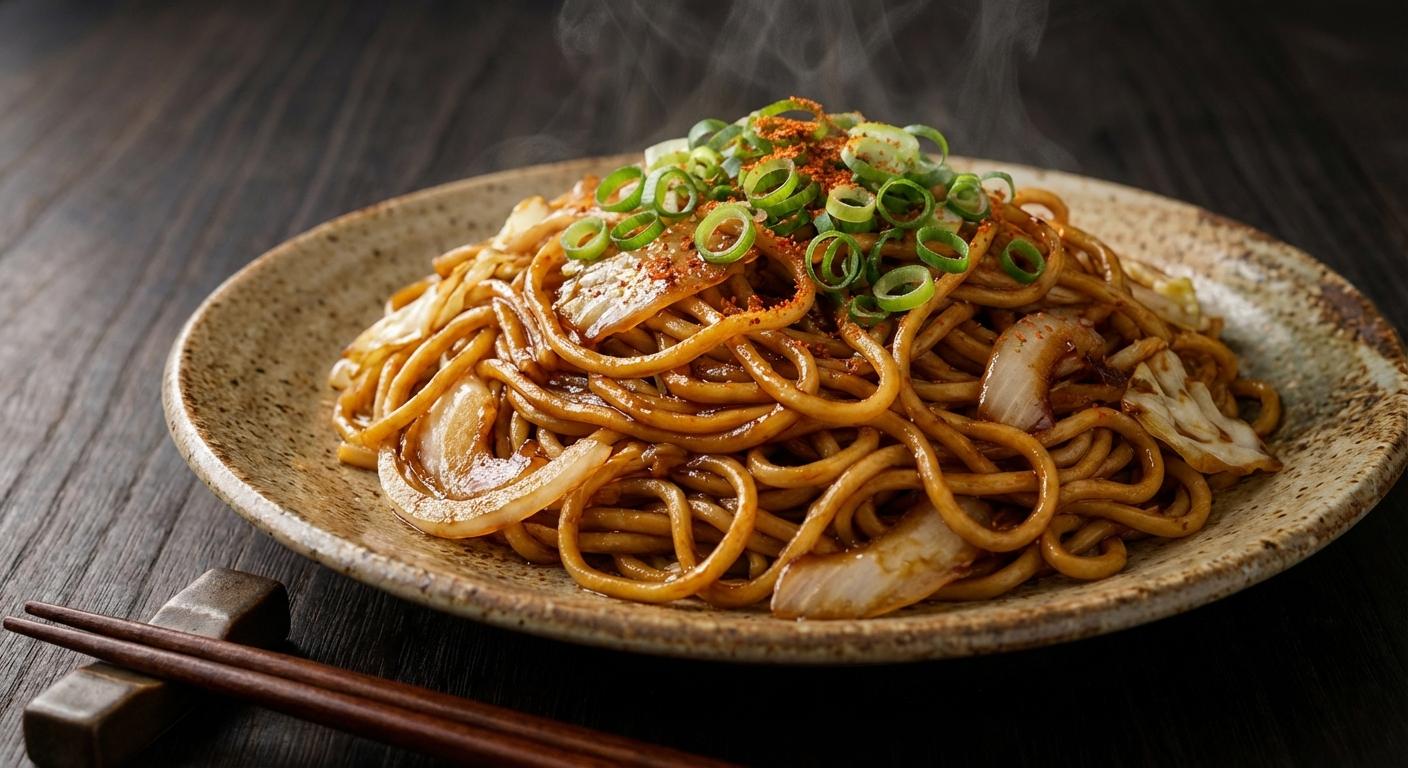
Japanese Pan Noodles are a quick, flavorful, and satisfying noodle dish made by stir-frying tender noodles with colorful vegetables and a savory Japanese-inspired sauce. The noodles develop lightly crisp edges in the hot pan while absorbing the delicious combination of soy sauce, garlic, ginger, sesame oil, and a touch of sweetness.This easy noodle recipe is perfect for busy weeknights because it comes together quickly and requires only one pan.
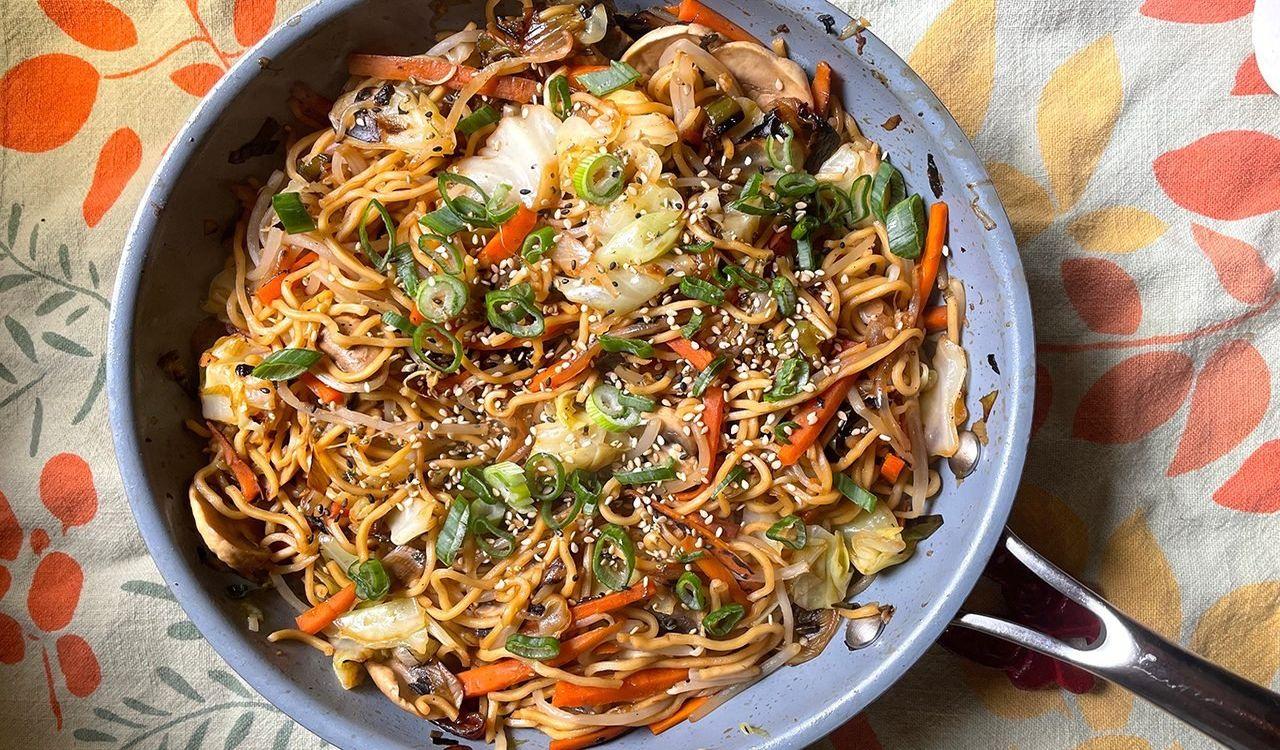
Japanese Pan Noodles:
Crisp bell peppers, carrots, broccoli, cabbage, and green onions provide freshness and texture, while the sauce gives the noodles a rich umami flavor without being overly complicated.Japanese Pan Noodles can be served as a vegetarian main course or customized with chicken, shrimp, tofu, beef, or other favorite proteins. Finished with toasted sesame seeds, green onions, and a little chili oil, this colorful noodle dish makes an excellent lunch, dinner, or meal-prep option.
History:
Japanese noodle dishes have a long and diverse history, with noodles becoming an important part of Japanese cuisine through various regional and culinary influences. Popular preparations include soba, udon, ramen, yakisoba, and many other noodle dishes.Pan-fried noodle dishes are particularly associated with quick home cooking and street-food traditions. Yakisoba, for example, is a popular Japanese stir-fried noodle dish traditionally prepared with wheat noodles, vegetables, meat, and a savory sauce.Japanese Pan Noodles are best understood as a Japanese-inspired modern stir-fry rather than one single traditional regional recipe. The preparation uses familiar Japanese flavors such as soy sauce, sesame oil, ginger, garlic, and scallions while allowing plenty of flexibility with vegetables and proteins.
Subscribe to our youtube channel Kitchenpedia for more delicious recipes and hit the like button if you enjoyed this youtubevideo. Share it with your friends and Family.
Japanese Pan Noodles

Ingredients
For the Noodles
- 12 ounces yakisoba noodles, udon noodles, or other fresh wheat noodles
- 1 tablespoon vegetable oil
- 1 teaspoon toasted sesame oil
For the Vegetables
- 1 medium carrot, julienned
- 1 red bell pepper, thinly sliced
- 1 cup broccoli florets
- 1 cup shredded green cabbage
- ½ cup sliced mushrooms
- 3 green onions, sliced
- 1 teaspoon fresh ginger, grated
For the Sauce
- ¼ cup low-sodium soy sauce
- 1 tablespoon rice vinegar
- 1 tablespoon honey or brown sugar
- 1 tablespoon sesame oil
- 1 tablespoon mirin
- ½ teaspoon toasted sesame seeds
- ¼ teaspoon black pepper
For Garnishing
- 2 green onions, thinly sliced
- 1 tablespoon toasted sesame seeds
- 1 teaspoon chili oil, optional
- Fresh cilantro, optional
- Thinly sliced red chili, optional
- Lime wedges, optional
Instructions
Prepare the Noodles
- If using fresh yakisoba or udon noodles, prepare them according to the package instructions.If the noodles are refrigerated and stuck together, briefly rinse them under warm water to loosen them.Drain thoroughly.Avoid overcooking because the noodles will continue cooking in the pan.
Prepare the Sauce
- In a small bowl, combine soy sauce, rice vinegar, honey or brown sugar, sesame oil, mirin, optional chili sauce, sesame seeds, and black pepper.Whisk until the sweetener is well incorporated.Set aside.
Prepare the Vegetables
- Wash and prepare all vegetables.Julienne the carrot, slice the bell pepper and mushrooms, cut the broccoli into small florets, and shred the cabbage.Keep the vegetables close to the stove because the stir-frying process moves quickly.
Heat the Pan
- Place a large wok or wide skillet over medium-high to high heat.Allow the pan to become hot before adding the oil.A wide pan helps the noodles and vegetables cook evenly without becoming too crowded.
Add the Oil
- Add the vegetable oil to the hot pan.Swirl the pan carefully to coat the cooking surface.
Stir-Fry the Vegetables
- Add the carrots and broccoli first.Stir-fry for approximately 2 minutes.Add the bell pepper, cabbage, and mushrooms.Continue cooking for another 3–4 minutes, stirring frequently.The vegetables should become slightly tender while retaining some crispness.
Add Garlic and Ginger
- Push the vegetables toward the sides of the pan.Add the minced garlic and grated ginger to the center.Cook for approximately 30–45 seconds, until fragrant.Be careful not to burn them.
Add the Noodles
- Add the prepared noodles to the pan.Use tongs or chopsticks to gently separate them and combine them with the vegetables.Stir-fry for approximately 2–3 minutes.Allow some of the noodles to touch the hot pan so they develop lightly browned edges.
Add the Sauce
- Pour the prepared sauce evenly over the noodles and vegetables.Toss continuously so the sauce coats everything evenly.
Stir-Fry Until Glossy
- Continue cooking for approximately 2–3 minutes.The noodles should become glossy and lightly caramelized.If the pan appears too dry, add 1–2 tablespoons of water.
Add Green Onions
- Stir in half of the sliced green onions.Cook for approximately 30 seconds.Reserve the remaining green onions for garnishing.
Finish with Sesame Oil
- Drizzle the teaspoon of toasted sesame oil over the noodles.Toss gently.The sesame oil adds a fragrant finishing flavor, so avoid cooking it for too long.
Taste and Adjust
- aste the noodles.Add a small amount of soy sauce for more saltiness, rice vinegar for acidity, or chili sauce for additional heat.
Garnish
- Transfer the noodles to serving bowls or a large platter.Sprinkle generously with toasted sesame seeds and the remaining green onions.Add chili oil, sliced red chili, or fresh cilantro if desired.
Serve
- Serve the Japanese Pan Noodles immediately while hot.For a complete meal, pair them with gyoza, edamame, Japanese cucumber salad, miso soup, or grilled vegetables.
Notes
- Noodles: Yakisoba, udon, ramen-style wheat noodles, or other stir-fry noodles can be used.
- Vegetables: Use any combination of quick-cooking vegetables you have available.
- Soy sauce: Low-sodium soy sauce gives you better control over the salt level.
- Mirin: Mirin adds mild sweetness and depth but can be replaced with a small amount of extra rice vinegar and sugar.
- Sweetener: Honey, brown sugar, or maple syrup can be used.
- Protein: Chicken, shrimp, tofu, beef, or pork can easily be added.
- Spice: Adjust the chili sauce according to your preferred heat level.
- Storage: Refrigerate leftovers in an airtight container for up to 3 days.
Tips for the Best Japanese Pan Noodles
- Use a large pan: A spacious wok or skillet prevents steaming and helps the noodles develop better texture.
- Preheat properly: A hot pan is essential for good stir-frying.
- Don’t overcrowd the pan: Cook in batches if necessary.
- Keep vegetables crisp: Avoid overcooking them so the finished dish has contrasting textures.
- Don’t overcook noodles: Slightly undercooked noodles hold their texture better during stir-frying.
- Let the noodles sear: Allow some noodles to sit against the hot pan briefly for lightly crispy edges.
- Add sesame oil at the end: This preserves its distinctive toasted aroma.
- Serve immediately: Stir-fried noodles have the best texture and flavor when served hot.
FAQs for Japanese Pan Noodles:
Q: What are Japanese Pan Noodles?
Japanese Pan Noodles are a Japanese-inspired stir-fried noodle dish made with noodles, vegetables, and a savory sauce featuring ingredients such as soy sauce, sesame oil, garlic, ginger, rice vinegar, and mirin.
Q: What noodles are best for this recipe?
Fresh yakisoba or udon noodles work particularly well. Ramen-style wheat noodles and other Asian stir-fry noodles can also be used.
Q: Can I add chicken?
Yes. Thinly sliced chicken breast or thigh can be stir-fried before the vegetables are added. Make sure the chicken is completely cooked before continuing with the recipe.
Q: Can I make these noodles vegetarian?
Yes. The basic recipe is vegetarian if you use a vegetarian-friendly soy-based sauce and omit meat or seafood. Tofu is an excellent protein addition.
Q: Can I make Japanese Pan Noodles spicy?
Absolutely. Add sriracha, chili oil, chili crisp, red pepper flakes, or thinly sliced fresh chilies.
Q: Why are my noodles soggy?
Soggy noodles are usually caused by overcooking, too much sauce, or overcrowding the pan. Use a hot, wide pan and cook the noodles quickly.
Q: Can I prepare these noodles ahead of time?
Yes. They can be prepared in advance and refrigerated. Reheat them in a hot skillet with a small splash of water to restore their texture.
Q: What can I serve with Japanese Pan Noodles?
They pair well with gyoza, edamame, miso soup, Japanese cucumber salad, tempura vegetables, grilled chicken, or steamed dumplings.
Conclusion:
Japanese Pan Noodles are an easy and delicious way to bring bold Japanese-inspired flavors to your dinner table in just 30 minutes. Tender noodles, crisp vegetables, fragrant garlic and ginger, and a glossy soy-sesame sauce come together in one satisfying pan.The recipe is wonderfully flexible, allowing you to use different vegetables, noodles, proteins, and spice levels according to your preferences. Chicken, shrimp, tofu, beef, and mushrooms can all turn this simple noodle stir-fry into a more substantial meal.For the best results, use a very hot, wide pan, avoid overcrowding, keep the vegetables slightly crisp, and allow some noodles to develop lightly browned edges. Finish everything with toasted sesame seeds and fresh green onions for a flavorful and beautiful presentation.