

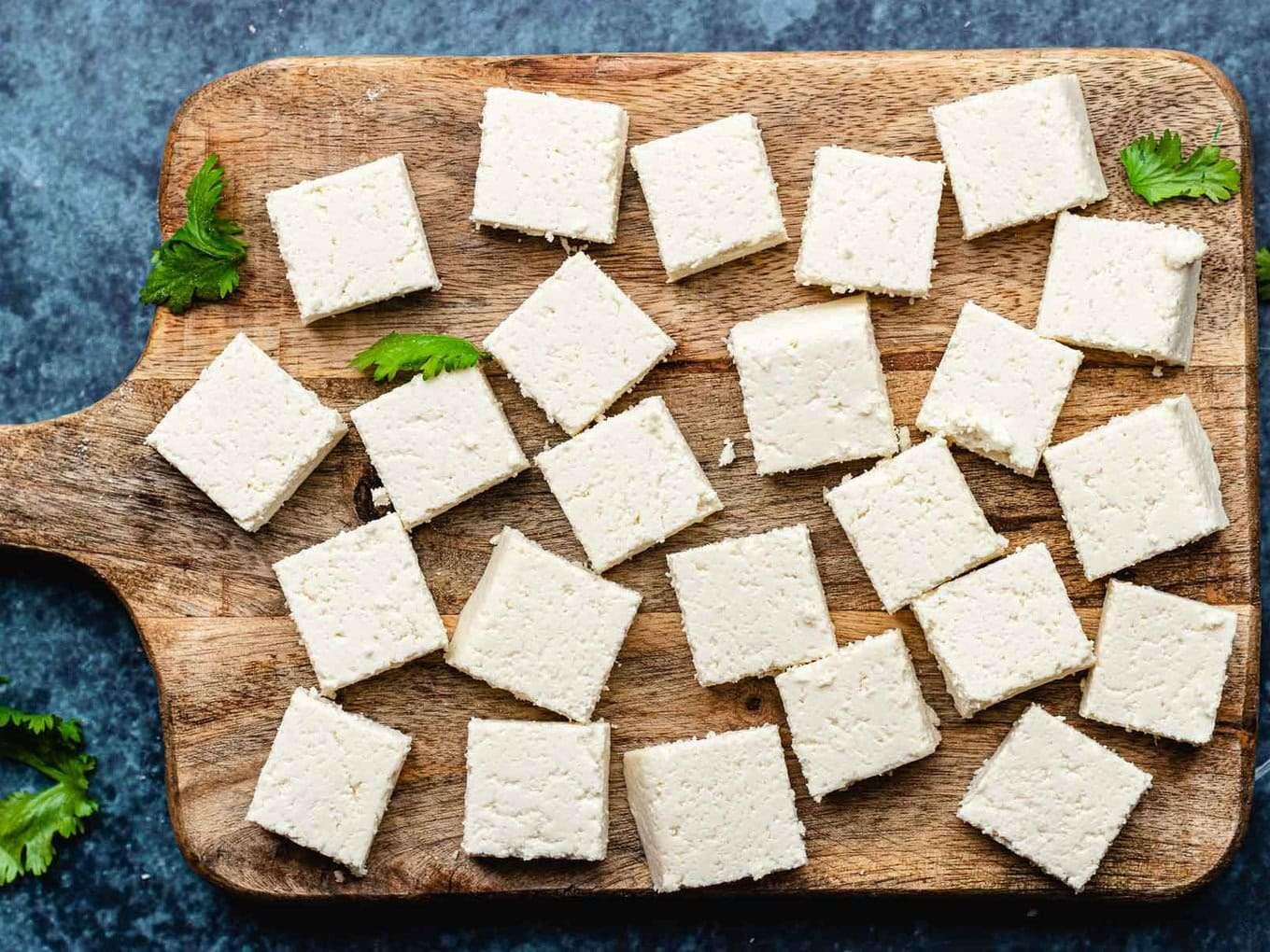
Homemade Paneer is one of the easiest and most rewarding Indian ingredients to prepare from scratch. Made with just a few basic ingredients, fresh paneer has a wonderfully soft, milky flavor and a delicate texture that is noticeably fresher than many packaged varieties.
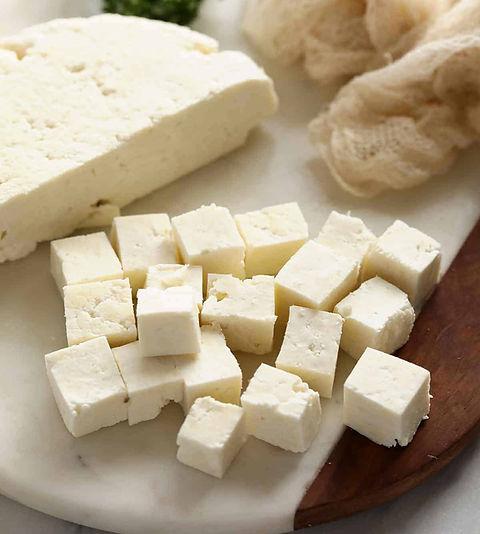
Best Homemade Paneer:
The process involves gently boiling full-fat milk and separating the curds with an acidic ingredient such as lemon juice or vinegar. The curds are then strained, rinsed, pressed, and allowed to set into a firm block that can be sliced or cubed for cooking.Fresh paneer is incredibly versatile. Use it in butter paneer, palak paneer, matar paneer, paneer tikka, korma, curries, stir-fries, sandwiches, wraps, or simply pan-fry the cubes with spices for a quick snack.
History:
Paneer is a fresh, non-aged cheese widely used in South Asian cuisine. Unlike many aged cheeses, paneer is made by acidifying heated milk, separating the curds from the whey, and pressing the curds into a solid block.Fresh cheese preparations have existed in the Indian subcontinent for generations, although the exact historical development of modern paneer is debated. Today, paneer is especially prominent in North Indian and Punjabi cooking and has become one of the most recognizable vegetarian protein sources in Indian cuisine.Because paneer does not require aging or fermentation, it can be prepared relatively quickly at home, making it a practical ingredient for everyday cooking.
Subscribe to our youtube channel Kitchenpedia for more delicious recipes and hit the like button if you enjoyed this youtubevideo. Share it with your friends and Family.
homemade paneer

Equipment
- Large heavy-bottomed saucepan
- Large mixing bowl
- Fine-mesh strainer
- Clean cheesecloth or muslin cloth
- Heavy plate or pan for pressing
Ingredients
- 2 liters full-fat whole milk
- 3–4 tablespoons fresh lemon juice
- 2–3 tablespoons water
- Cold water, for rinsing
- A pinch of salt, optional
Instructions
- Place it over medium heat and bring it slowly to a gentle boil, stirring occasionally to prevent the milk from sticking to the bottom.
- While the milk heats, combine the lemon juice with 2–3 tablespoons of water.
- Diluting the lemon juice makes it easier to add gradually and helps prevent the paneer from becoming excessively acidic.
- Within a few seconds, the milk should begin separating into white curds and pale greenish-yellow whey.
- Avoid adding excessive acid because it can give the finished paneer a sour taste and a firmer texture.
- Carefully pour the curds and whey through the cloth.
- Rinse the curds gently under cool running water.
- Gather the cloth tightly around the curds and place the bundle on a flat surface.
- Place a heavy plate, pan, or another suitable weight on top.
- For softer paneer, press for less time. For cubes that need to hold their shape in curries, press longer.
- Slice it into cubes, rectangles, or desired shapes.
- Your fresh homemade paneer is now ready to use.
Notes
- Use full-fat milk for rich, soft paneer and better yield.
- Fresh milk generally produces better-tasting paneer.
- Lemon juice can be replaced with white vinegar or another suitable food acid.
- Add the acid gradually rather than all at once.
- Do not boil the curds for a long time after they separate.
- Rinsing removes excess acidity and improves flavor.
- Pressing time determines the final firmness.
- Chill paneer before cutting for cleaner, neater cubes.
Tips for Homemade Paneer:
- Choose full-fat whole milk for the best texture.
- Use a heavy-bottomed pan to reduce the chance of scorching.
- Stir the milk occasionally while heating.
- Add lemon juice slowly and stop as soon as the milk separates.
- Do not squeeze the curds aggressively before pressing.
- Rinse the curds with cool water to remove the acidic flavor.
- Press evenly so the paneer forms a compact block.
- Soak or simmer paneer briefly in warm water before using if you want particularly soft cubes.
FAQs for Homemade Paneer:
Q: What milk is best for homemade paneer?
Full-fat whole milk is the best choice because it produces rich, creamy curds and a good yield. Avoid using heavily diluted or very low-fat milk.
Q: Why is my milk not curdling?
The milk may not be hot enough or you may need slightly more acid. Add lemon juice gradually while gently stirring until the curds separate clearly from the whey.
Q: Can I use vinegar instead of lemon juice?
Yes. White vinegar works well. Dilute it with a little water and add it gradually until the milk separates.
Q: Why is my homemade paneer hard?
Paneer can become hard if too much acid is used, the curds are overcooked, or they are pressed for too long. Use only enough acid to separate the milk and avoid excessive pressing.
Q: How can I make soft paneer?
Use full-fat milk, avoid overcooking the curds, rinse them after separation, and press them gently for a shorter period.
Q: How long does homemade paneer last?
Store homemade paneer in an airtight container in the refrigerator and use it within a few days for the best quality. Keep it properly chilled and discard it if it develops an unusual smell, appearance, or texture.
Q: Can I freeze homemade paneer?
Yes. Paneer can be frozen, although freezing may slightly change its texture. Thaw it in the refrigerator before cooking.
Q: Why does my paneer crumble when I cut it?
It may not have been pressed firmly enough or chilled sufficiently. Allow it to press properly and refrigerate it before cutting.
Conclusion:
Making homemade paneer is surprisingly simple and requires only milk, an acidic ingredient, and a little patience. The result is fresh, soft, creamy Indian cottage cheese that can elevate countless vegetarian dishes.For the best paneer, use full-fat milk, add the lemon juice gradually, avoid overcooking the curds, and press them gently until they reach your preferred firmness. Once chilled, the paneer can be cut into neat cubes and used immediately in your favorite recipes.Whether you’re preparing palak paneer, butter paneer, matar paneer, paneer tikka, or a simple spiced paneer dish, homemade paneer brings a freshness and delicate texture that makes every meal more special.