

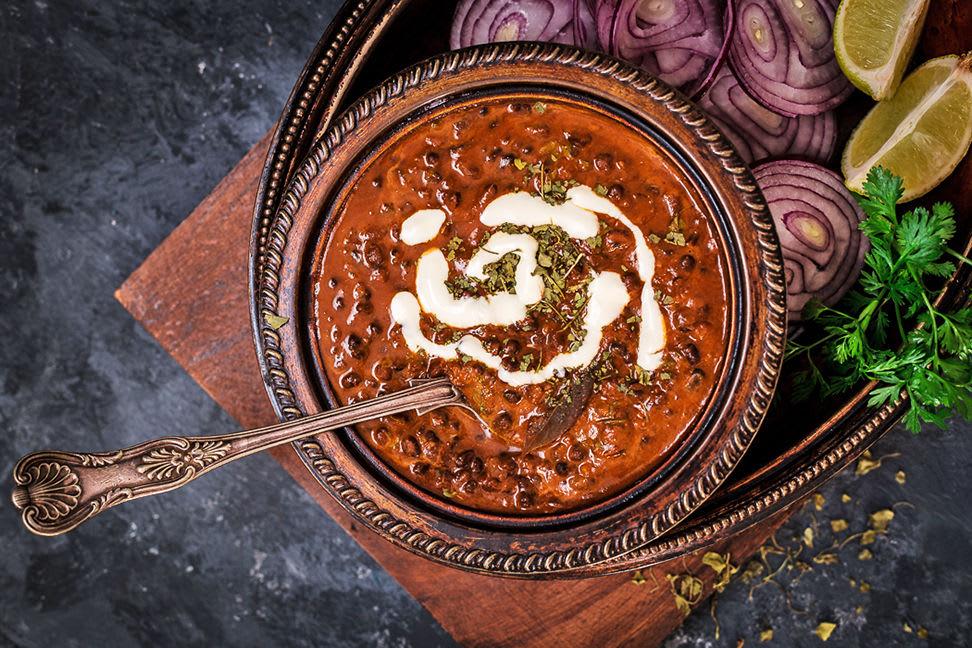
Dal Makhani is one of the most beloved North Indian comfort foods, famous for its velvety texture, buttery richness, and deeply aromatic flavor. Made primarily with whole black gram (whole urad dal) and kidney beans, this luxurious dal is slowly cooked until the legumes become tender and creamy.The name Dal Makhani comes from the Hindi word makhan, meaning butter, reflecting the generous use of butter that traditionally gives the dish its signature richness.
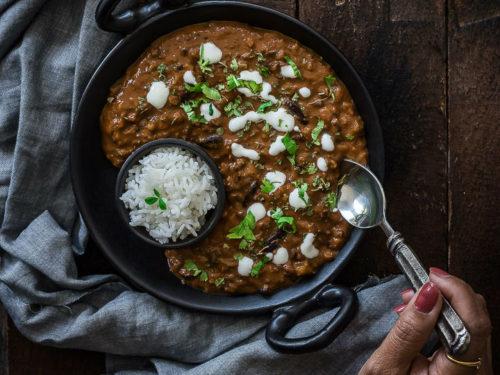
Dal Makhani:
Tomatoes, ginger, garlic, spices, butter, and cream come together to create a smooth and indulgent curry.Although Dal Makhani is often associated with restaurants and special occasions, it can be made at home with simple ingredients. The secret is patience: slow simmering allows the lentils to break down naturally and develop their characteristic creamy consistency.
History:
Dal Makhani is a relatively modern dish compared with many ancient Indian lentil preparations. It is closely associated with Punjabi cuisine and is widely linked to the culinary traditions of the Punjab region.
The dish became especially popular in restaurants in post-Partition India, where Punjabi chefs developed rich preparations featuring black lentils, butter, and cream. It eventually became a signature dish of North Indian restaurants across India and around the world.
While modern restaurant versions can be quite rich, traditional home cooks often prepare variations with different quantities of butter, cream, and spices. Slow cooking remains one of the defining characteristics of a great Dal Makhani.
Subscribe to our youtube channel Kitchenpedia for more delicious recipes and hit the like button if you enjoyed this youtubevideo. Share it with your friends and Family.
Dal Makhani

Ingredients
For the Dal
- 1 cup whole black urad dal
- ¼ cup red kidney beans
- 4 cups water for cooking
- 1 bay leaf
- 1-inch cinnamon stick
- 2–3 cloves
- 1 black cardamom
- ½ teaspoon salt
For the Makhani Masala
- 2 tablespoons butter
- 1 tablespoon vegetable oil
- 1 medium onion, finely chopped
- 1 tablespoon ginger-garlic paste
- 2 green chilies, finely chopped, optional
- 2 large tomatoes, pureed1 teaspoon coriander powder
- ½ teaspoon cumin powder
- 1 teaspoon Kashmiri chili powder
- ½ teaspoon garam masala
- Salt to taste
For Finishing
- 2 tablespoons butter
- ¼–½ cup heavy cream
- 1 teaspoon kasuri methi
- 1 tablespoon butter for serving, optional
Instructions
- Place them in a large bowl and cover generously with water. Soak for 8–12 hours or overnight.
- Transfer the soaked dal and kidney beans to a pressure cooker or pressure cooker appliance.
- If using a stovetop pressure cooker, cook for several whistles according to your cooker and the age of the legumes. If using an electric pressure cooker, cook under high pressure until very tender, allowing natural pressure release.
- Do not puree everything. Keeping some whole lentils provides a pleasant texture while the mashed portion naturally thickens the curry.
- Heat butter and oil in a heavy-bottomed pan.
- Add coriander powder, cumin powder, turmeric, Kashmiri chili powder, and garam masala.
- Add the tomato puree and a little salt.
- Add the cooked dal and kidney beans to the masala.
- Reduce the heat to low and simmer for 30–45 minutes, stirring occasionally.
- Slow cooking allows the lentils to become increasingly creamy while giving the spices time to blend into the dish.
- Crush the kasuri methi between your palms and sprinkle it into the dal.
- Transfer the Dal Makhani to a serving bowl.
- Serve hot with naan, tandoori roti, jeera rice, or steamed basmati rice.
Notes
- Soaking is important: Overnight soaking helps the lentils and beans cook properly.
- Cook until very soft: Dal Makhani should have a naturally creamy texture.
- Do not rush the simmering stage: Slow cooking develops deeper flavor.
- Butter matters: It gives the dish its characteristic richness.
- Cream is adjustable: Use less for a lighter version.
- Kasuri methi adds aroma: Crush it between your palms before adding.
- The dal thickens as it cools: Add a little hot water when reheating.
- Flavor improves with resting: Dal Makhani often tastes even better after sitting for a while.
Tips for Dal Makhani:
- Use whole black urad dal, not split urad dal, for the traditional texture.
- Soak the lentils and kidney beans overnight.
- Cook the legumes until they are soft enough to mash easily.
- Cook the tomato masala thoroughly before adding the dal.
- Simmer the finished dal slowly rather than boiling it aggressively.
- Stir occasionally to prevent the bottom from sticking.
- Add butter toward the end for a richer, smoother finish.
- Let the dal rest for 10–15 minutes before serving.
FAQs for Dal Makhani:
Q: What is Dal Makhani made from?
Dal Makhani is traditionally made with whole black urad dal and kidney beans, along with tomatoes, onions, ginger, garlic, butter, spices, and often cream.
Q: Is Dal Makhani spicy?
It can be adjusted to your preference. Kashmiri chili powder primarily provides color and mild warmth, while green chilies can be added for additional heat.
Q: Can I make Dal Makhani without cream?
Yes. The lentils themselves become naturally creamy when cooked and mashed. You can simply omit the cream or use a small amount of coconut cream or cashew cream.
Q: Can I make Dal Makhani without butter?
Yes. Replace butter with ghee or a neutral cooking oil. However, butter contributes significantly to the traditional makhani flavor.
Q: Why is my Dal not creamy?
The lentils may not have been cooked long enough. They need to become extremely tender. Mashing some of the cooked lentils and slow-simmering the finished dal will also improve the consistency.
Q: Can I use canned kidney beans?
Yes. Canned kidney beans can save time. Drain and rinse them before adding them to the cooked black lentils.
Q: Can I make Dal in advance?
Yes. It is an excellent make-ahead dish. Refrigerate it in an airtight container and gently reheat it with a splash of water.
Q: What is the best accompaniment for Makhani?
Dal Makhani is traditionally delicious with naan, tandoori roti, butter naan, jeera rice, or basmati rice. A simple onion-cucumber salad provides a refreshing contrast.
Conclusion:
Makhani is a rich, creamy, and deeply satisfying Punjabi classic that turns humble lentils and beans into an extraordinary meal. Its signature texture comes from thoroughly cooked black lentils, gentle mashing, and patient simmering, while butter, cream, tomatoes, and aromatic spices provide its unmistakable richness.For the best results, don’t rush the process. Soak the legumes properly, cook them until exceptionally tender, prepare a well-cooked tomato masala, and allow the finished dal to simmer slowly. These simple techniques create the velvety consistency and deep flavor associated with excellent Dal Makhani.