

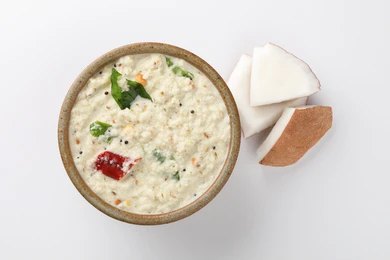
Coconut Chutney is one of the most beloved accompaniments in South Indian cuisine. Made with fresh grated coconut, roasted gram dal, green chilies, ginger, and a simple tempering of mustard seeds and curry leaves, this chutney is creamy, aromatic, mildly spicy, and incredibly refreshing. It is traditionally served alongside popular South Indian breakfast dishes such as idli, dosa, vada, pongal, uttapam, and pesarattu.The beauty of coconut chutney lies in its simplicity. A handful of everyday ingredients can be transformed into a smooth, flavorful chutney within minutes.
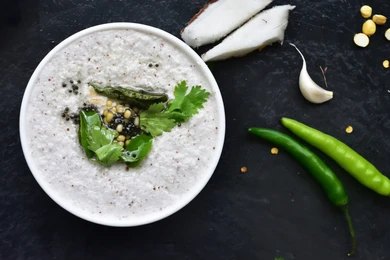
Coconut Chutney:
The natural sweetness and richness of fresh coconut balance the heat of green chilies, while roasted gram adds body and a subtle nutty flavor. A final tempering of mustard seeds, urad dal, dried red chilies, and curry leaves gives the chutney its characteristic South Indian aroma.Whether you are preparing a traditional breakfast, making a quick evening snack, or serving a festive South Indian meal, coconut chutney is an easy recipe that always fits beautifully on the table. It can be made thick for serving with idli and vada or slightly thinner for dosa and other crispy dishes.
History of Coconut Chutney:
Coconut chutney has deep roots in South Indian culinary traditions, particularly in regions where coconuts are widely grown and commonly used in everyday cooking. Fresh coconut has long been an important ingredient in cuisines across Kerala, Tamil Nadu, Karnataka, Andhra Pradesh, and Telangana.
Over generations, families have developed their own versions of coconut chutney by changing the proportions of coconut, chilies, roasted gram, ginger, and other ingredients. Some versions include coriander leaves, mint, tamarind, yogurt, or roasted peanuts, while others keep the recipe extremely simple.
Subscribe to our youtube channel Kitchenpedia for more delicious recipes and hit the like button if you enjoyed this youtubevideo. Share it with your friends and Family.
Coconut Chutney

Ingredients
For the Chutney
- 1 cup fresh grated coconut
- ¼ cup roasted gram dal (putnalu/dalia)
- 2–3 green chilies
- ½-inch piece fresh ginger
- ½ teaspoon salt, or to taste
- ½ cup water, or as needed
- 1 teaspoon lemon juice, optional
For Tempering
- 1 teaspoon oil
- ½ teaspoon mustard seeds
- ½ teaspoon urad dal
- 1 dried red chili, broken into pieces
- 8–10 fresh curry leaves
- A pinch of asafoetida (hing)
Instructions
Prepare the Ingredients
- Grate the fresh coconut if it is not already prepared. Peel the ginger and roughly chop it. Slit or chop the green chilies according to your preferred level of spiciness.
Blend the Chutney
- Add grated coconut, roasted gram dal, green chilies, ginger, salt, and about ¼ cup water to a blender.Blend until smooth and creamy. Add additional water little by little until the chutney reaches your preferred consistency.For a slightly tangy flavor, add lemon juice after blending and mix well.
Prepare the Tempering
- Heat oil in a small pan over medium heat. Add mustard seeds and allow them to crackle.Add urad dal and fry until lightly golden. Add the broken dried red chili, curry leaves, and a pinch of asafoetida.Cook for a few seconds until the curry leaves become aromatic.
Finish the Chutney
- Pour the hot tempering over the prepared coconut chutney. Mix gently or leave the tempering floating on top for an attractive presentation.Taste and adjust salt, water, or lemon juice if necessary.Serve immediately with hot idli, crispy dosa, medu vada, pongal, uttapam, or your favorite South Indian breakfast.
Notes
- Fresh coconut gives the best flavor, aroma, and creamy texture.
- Frozen grated coconut can be used when fresh coconut is unavailable.
- Adjust the number of green chilies according to your preferred spice level.
- Roasted gram helps create a thicker chutney without requiring too much coconut.
- Add water gradually to prevent the chutney from becoming too thin.
- Lemon juice is optional but adds a pleasant freshness.
- Always add the tempering shortly before serving for the best aroma.
Tips for Coconut Chutney:
- Use fresh coconut: Freshly grated coconut produces a much more aromatic chutney.
- Blend thoroughly: Blend until smooth for restaurant-style creamy chutney.
- Control the consistency: Use less water for thick chutney and more water for a pourable consistency.
- Balance the heat: Start with fewer chilies and add more if needed.
- Don’t burn the tempering: Keep the flame medium and remove the pan from heat once the spices become fragrant.
- For extra creaminess: Add a small spoonful of thick yogurt after blending if desired.
- For extra flavor: Add a few coriander leaves while blending.
- Serve fresh: Coconut chutney tastes best when freshly prepared and served with hot dishes.
FAQs for Coconut Chutney:
1. Can I make chutney without roasted gram?
Yes. Roasted gram can be omitted, although it helps make the chutney thicker and creamier. You can increase the coconut slightly or use a small amount of roasted peanuts instead.
2. Can I use frozen coconut?
Yes. Thaw frozen grated coconut completely before blending. Fresh coconut generally provides the best flavor, but frozen coconut is a convenient alternative.
3. Why does my coconut become watery?
Too much water is usually the main reason. Add water gradually while blending rather than adding the entire amount at once.
4. How can I make coconut less spicy?
Reduce the number of green chilies. You can also add more coconut or roasted gram to balance the heat.
5. Can I make coconut without tempering?
Yes. Tempering is optional, but mustard seeds, curry leaves, urad dal, and dried red chili add a distinctive South Indian aroma and flavor.
6. Can I add coriander leaves?
Absolutely. A small handful of fresh coriander leaves can add color, freshness, and a pleasant herbal flavor.
7. What dishes go well with chutney?
Coconut chutney pairs especially well with idli, dosa, vada, pongal, uttapam, pesarattu, upma, and many South Indian snacks.
8. How long can coconut be stored?
Because it contains fresh coconut, it is best enjoyed fresh. If refrigerated promptly in an airtight container, it can generally be kept for about 1–2 days. Always check its smell and appearance before consuming.
Conclusion:
Coconut Chutney is a wonderfully simple South Indian condiment that can instantly elevate an ordinary breakfast into a delicious and satisfying meal. Its creamy coconut base, gentle heat, nutty roasted gram, aromatic ginger, and fragrant tempering create a perfect balance of flavors.
With only a few basic ingredients and a blender, you can prepare this chutney in around 15 minutes. Serve it alongside soft idlis, golden dosas, crispy vadas, or comforting pongal for a classic South Indian combination that everyone can enjoy.