
 with creamy homemade soybean broth, chewy chilled wheat noodles, cucumber, tomato, boiled egg, and toasted sesame seeds. This refreshing Korean summer noodle recipe includes step-by-step instructions, preparation tips, nutrition information, FAQs, serving suggestions, and easy variations.)
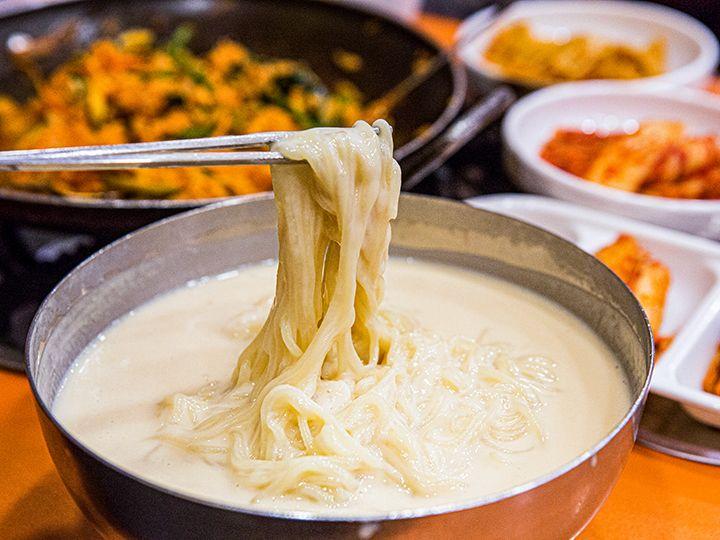
Korean Soybean Noodles, known as Kong Kook Su are a refreshing Korean cold-noodle dish traditionally served during the warmer months. The dish features chewy wheat noodles swimming in a cool, creamy soybean broth made from blended cooked soybeans. Its mild, nutty flavor and refreshing temperature make it especially satisfying on a hot day.The heart of Kong Kook Su is the soybean broth. Cooked soybeans are blended with cold water until smooth and creamy, creating a naturally rich broth without the need for dairy.
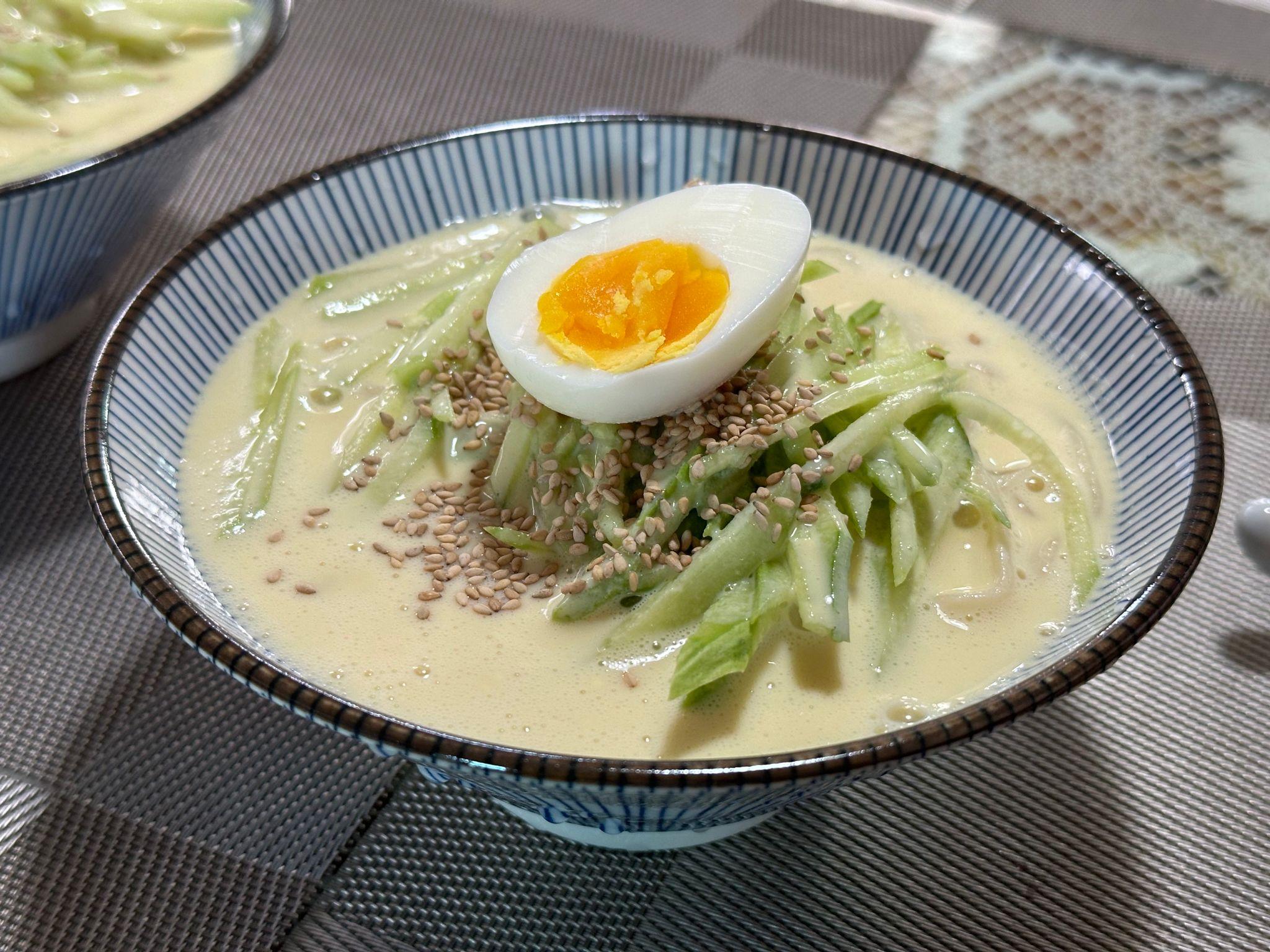
Korean Soybean Noodles:
Depending on preference, the broth can be strained for an ultra-silky texture or left slightly coarse for a more rustic, hearty consistency.The noodles are served chilled and topped with simple garnishes such as cucumber, tomato, sesame seeds, or a boiled egg. With only a handful of ingredients, Kong Kook Su is an excellent example of Korean cuisine’s ability to create something deeply satisfying from simple, wholesome ingredients.
History:
Kong Kook Su has a long history in Korean cuisine and is especially associated with summer dining. The dish is made from soybeans, an important traditional Korean ingredient that has been used in many forms, including tofu, soybean paste, and soy-based beverages.The exact origins of Kong Kook Su are difficult to pinpoint, but soybean-based foods have been an important part of Korean food culture for centuries. The cold noodle dish became particularly associated with warm-weather meals because its chilled soybean broth provides a refreshing alternative to hot soups and stews.Regional and household recipes vary. Some cooks prefer a completely smooth broth, while others leave some soybean texture. The broth may also be seasoned simply with salt, allowing the natural nutty flavor of the soybeans to shine.
Subscribe to our youtube channel Kitchenpedia for more delicious recipes and hit the like button if you enjoyed this youtubevideo. Share it with your friends and Family.
Kong Kook Su

Ingredients
For the Soybean Broth
- 1 cup dried yellow soybeans
- 4–5 cups cold water, plus extra for soaking and cooking
- 1 teaspoon salt, or to taste
- 1 teaspoon toasted sesame seeds
- 2–3 ice cubes, optional, for serving
For the Noodles
- 12 ounces Korean somyeon or thin wheat noodles
- Water, for boiling
- Cold water, for rinsing
For the Toppings
- 1 small cucumber, julienned
- 1 small tomato, sliced into wedges
- 2 hard-boiled eggs, halved
- 1 tablespoon toasted sesame seeds
- Additional salt, to taste
Instructions
Soak the Soybeans
- Place the dried soybeans in a large bowl.Cover them generously with water because the beans will expand considerably as they soak.Let them soak for 8–12 hours or overnight.Drain and rinse thoroughly.
Cook the Soybeans
- Transfer the soaked soybeans to a large saucepan.Add enough fresh water to cover the beans by approximately 1–2 inches.Bring to a boil, then reduce the heat and simmer for approximately 20–25 minutes, or until the beans are tender but not mushy.The skins should loosen easily when the beans are cooked.
Remove the Soybean Skins
- Drain the cooked soybeans and rinse them under cool water.Rub the beans gently between your hands to loosen some of the skins.Remove as many skins as you like.You don't have to remove every skin; leaving some behind is perfectly fine.
Blend the Soybeans
- Place the cooked soybeans in a high-speed blender.Add approximately 4 cups of cold water.Blend until completely smooth and creamy.For a thicker broth, start with less water and add more gradually until you reach your preferred consistency.
Strain the Broth
- For an especially smooth Kong Kook Su broth, pour the blended mixture through a fine-mesh sieve or cheesecloth.Press gently to extract as much liquid as possible.For a more rustic texture, skip this step.
Cook the Noodles
- Bring a large pot of water to a rolling boil.Add the noodles and cook according to the package instructions, usually for approximately 3–5 minutes.Stir occasionally to prevent sticking.
Cool the Noodles
- Drain the noodles immediately.Rinse them several times under very cold running water while gently rubbing them between your hands.This stops the cooking process and gives the noodles their characteristic chewy texture.Drain thoroughly.
Prepare the Garnishes
- Julienne the cucumber.Slice the tomato into wedges.Prepare the hard-boiled eggs and cut them in half.Keep all toppings chilled until serving.
Serve
- Serve immediately while the broth and noodles are thoroughly chilled.Add a few ice cubes if you prefer an especially cold and refreshing bowl.Season with additional salt at the table if desired.
Notes
- Soaking is important: Dried soybeans need sufficient soaking time to cook evenly.
- Don't undercook the beans: They should be tender enough to blend smoothly.
- Straining is optional: A strained broth is silky, while an unstrained broth is thicker and more rustic.
- Chill thoroughly: Kong Kook Su is best served very cold.
- Season gradually: Start with a small amount of salt and adjust to taste.
- Use thin wheat noodles: Somyeon provides a pleasant chewy texture.
- Rinse noodles thoroughly: Cold water stops cooking and removes excess surface starch.
- Serve immediately: The noodles are best before they absorb too much broth.
Tips for Korean Soybean Noodles:
- Soak soybeans overnight for the best texture.
- Cook the beans until tender but avoid turning them into mush.
- Use cold water when blending the cooked soybeans.
- Blend thoroughly for a creamy, smooth broth.
- Refrigerate the broth before assembling the noodles.
- Rinse cooked noodles under very cold water.
- Drain the noodles well so they don’t dilute the soybean broth.
- Add toasted sesame seeds just before serving for extra nuttiness.
FAQs for Korean Soybean Noodles:
1. What does Kong Kook Su taste like?
Kong Kook Su has a mild, creamy, nutty soybean flavor. The broth is usually lightly salted rather than heavily seasoned, allowing the natural flavor of the soybeans to remain prominent.
2. Is Kong Kook Su served hot or cold?
It is traditionally served cold, making it especially popular during the warmer months.
3. Can I use canned soybeans?
Yes, canned cooked soybeans can be used for convenience. Rinse them thoroughly before blending. However, dried soybeans cooked from scratch generally provide better flavor and texture.
4. Can I make the soybean broth ahead of time?
Yes. The broth can be prepared a day ahead and stored covered in the refrigerator. Stir it well before serving.
5. Do I have to strain the soybean broth?
No. Straining creates a smoother, more refined broth, while leaving it unstrained provides more body and texture.
6. Can I make Kong Kook Su without eggs?
Absolutely. The egg is simply a traditional garnish and can be omitted for a completely plant-based bowl.
7. Can I add other toppings?
Yes. Julienned carrots, cherry tomatoes, sesame seeds, crushed roasted nuts, or additional cucumber can be added according to your preference.
8. Is Kong Kook Su vegan?
The basic soybean broth and noodles can be vegan, but always check the noodle packaging to ensure the noodles contain no egg or other animal-derived ingredients.
Conclusion:
Korean Soybean Noodles, or Kong Kook Su, are a beautiful example of simple Korean summer cooking. Creamy homemade soybean broth surrounds chilled, chewy wheat noodles, while crisp cucumber, juicy tomato, boiled egg, and toasted sesame seeds provide freshness, color, and texture.Although the recipe requires some advance preparation because the soybeans need to soak and the broth needs to chill, most of the work is straightforward. Preparing the broth ahead of time makes this refreshing noodle dish particularly convenient for warm days.
Serve Kong Kook Su thoroughly chilled and season it gently with salt at the table. Its creamy texture, delicate nuttiness, and refreshing noodles make it a satisfying Korean meal that is both comforting and wonderfully refreshing.