

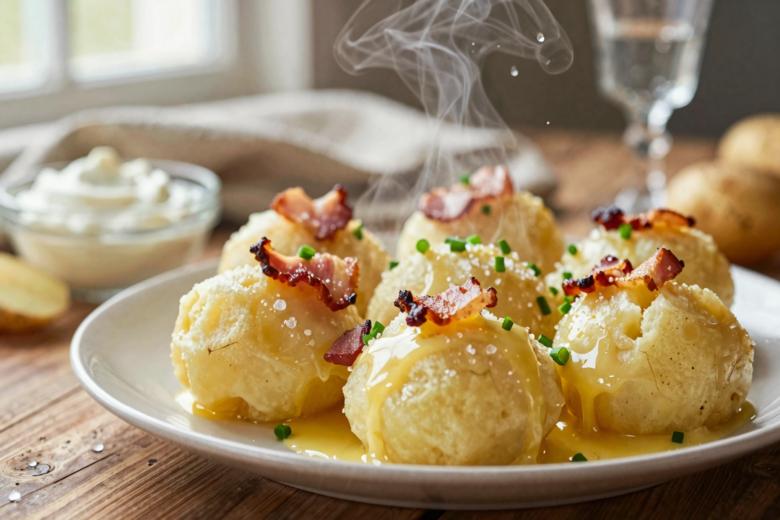
Potato Klubb is a traditional Norwegian potato dumpling made from grated or mashed potatoes and flour. Also known by regional names such as klubb, komle, kumle, raspeballer, or potetball, this hearty dish is a wonderful example of rustic Norwegian comfort food.The dumplings are soft and filling, with a satisfying potato flavor and a wonderfully dense yet tender texture.
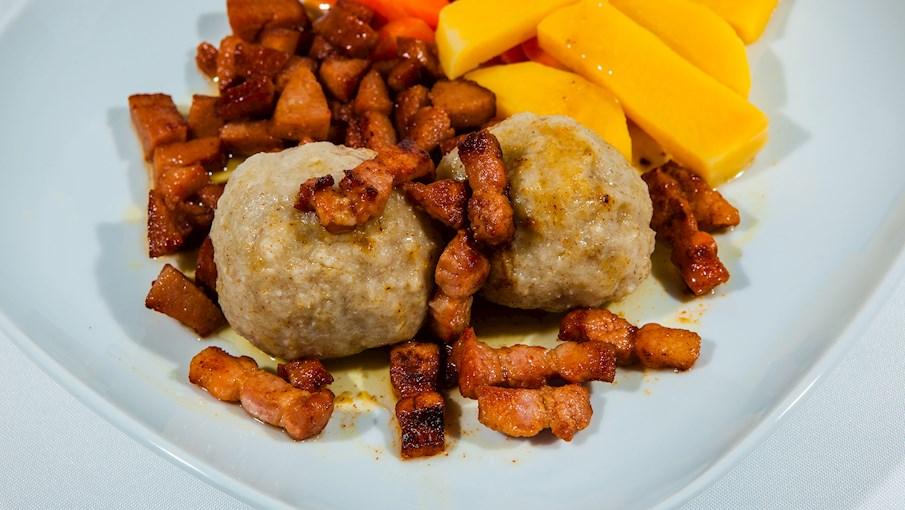
Potato Klubb:
Depending on the regional tradition, they may be served with salty pork or bacon, melted butter, sausage, gravy, or sweet accompaniments such as syrup.Potato Klubb is especially comforting during colder months and makes a substantial family meal. The recipe is simple and economical, relying on humble ingredients to create a dish rich in Norwegian culinary tradition.
History:
Potato dumplings have a long history in Norway and developed as a practical way for families to create filling meals from potatoes and flour. Different parts of the country developed their own methods, ingredients, and names for the dish.The many regional names reflect Norway’s diverse food traditions. Raspeballer, komle, kumle, and potetball are among the names used in different areas, while klubb is particularly associated with some Norwegian-American family traditions.Norwegian immigrants brought these recipes with them to North America, where potato dumplings continued to be prepared as cherished family dishes. Today, they remain an important part of traditional Norwegian cuisine.
Subscribe to our youtube channel Kitchenpedia for more delicious recipes and hit the like button if you enjoyed this youtubevideo. Share it with your friends and Family.
Potato Klubb

Ingredients
For the Potato Klubb
- 3 pounds russet potatoes
- 1½–2 cups all-purpose flour
- 1 teaspoon salt
- ½ teaspoon black pepper
- ½ teaspoon ground nutmeg, optional
- 1 small onion, finely grated, optional
For Serving
- 8 ounces bacon, chopped
- 4 tablespoons butter
- ½ cup beef or pork gravy, optional
- Cooked sausage, optional
- Fresh parsley, for garnish
Instructions
Prepare the Potatoes
- Peel the potatoes and rinse them thoroughly.Grate approximately two-thirds of the potatoes using the fine side of a box grater.Place the grated potatoes in a clean kitchen towel and squeeze firmly to remove as much excess liquid as possible.Mash the remaining potatoes until smooth.Combining grated and mashed potatoes gives the dumplings a pleasant traditional texture.
Make the Dumpling Mixture
- Place the grated and mashed potatoes in a large bowl.Add salt, pepper, optional nutmeg, and grated onion.Gradually add the flour, mixing gently until a thick, moldable dough forms.The exact amount of flour depends on the moisture content of the potatoes, so add it gradually.The mixture should hold together when shaped but should not become excessively dry.
Shape the Klubb
- Bring a large pot of salted water to a gentle boil.Using wet hands, scoop out approximately ¼–⅓ cup of potato mixture.Shape each portion into a smooth oval or round dumpling.Continue until all the mixture has been used.
Cook the Dumplings
- Carefully lower the dumplings into the simmering water.Do not allow the water to boil aggressively, as this can cause the dumplings to break apart.Cover partially and simmer for approximately 40–50 minutes, depending on the size of the dumplings.The dumplings should become firm on the outside and cooked through in the center.
Prepare the Bacon
- While the dumplings cook, place the chopped bacon in a skillet over medium heat.Cook until crisp.Transfer the bacon to a plate lined with paper towels.Reserve some of the bacon fat if desired.
Prepare the Butter
- Melt the butter in a small saucepan or skillet.For extra flavor, allow it to cook gently until lightly golden and nutty.
Serve
- Carefully remove the cooked dumplings from the water using a slotted spoon.Serve hot with crispy bacon and melted butter.For a heartier traditional-style meal, add cooked sausage or a spoonful of brown gravy.A small amount of lingonberry preserves can provide a delicious sweet-tart contrast.
Notes
- Use starchy potatoes such as russets for the best texture.
- Remove excess moisture from grated potatoes before mixing.
- Add flour gradually because potatoes vary in moisture.
- Do not make the dough excessively dry.
- Shape the dumplings with wet hands to prevent sticking.
- Keep the cooking water at a gentle simmer.
- Avoid overcrowding the pot.
- Test one dumpling before cooking the entire batch if you're unsure about the mixture.
Tips for Potato Klubb:
- Squeeze the potatoes well: Excess moisture can make the dumplings fall apart.
- Use a combination of textures: Grated and mashed potatoes create a satisfying texture.
- Keep your hands wet: This makes shaping much easier.
- Test one first: If it falls apart, add a little more flour to the remaining mixture.
- Don’t boil aggressively: Gentle simmering helps the dumplings stay intact.
- Make uniform dumplings: Similar sizes ensure even cooking.
- Add bacon: Crispy bacon provides a delicious salty contrast.
- Serve immediately: Potato dumplings have their best texture when hot.
FAQs for Potato Klubb:
Q: What is Potato Klubb?
Potato Klubb is a traditional Norwegian potato dumpling made from potatoes and flour. It is known by several regional names, including komle, kumle, raspeballer, and potetball.
Q: What is the difference between klubb and raspeballer?
They are closely related Norwegian potato dumplings, but terminology and preparation vary by region and family. Some versions use primarily grated potatoes, while others incorporate boiled or mashed potatoes.
Q: Why did my dumplings fall apart?
The potato mixture may contain too much moisture or not enough flour. Squeeze grated potatoes thoroughly and test one dumpling before cooking the whole batch.
Q: Can I use only mashed potatoes?
Yes. You can make a mashed-potato version, although the texture will differ from versions made with freshly grated potatoes.
Q: Can I add meat inside the dumplings?
Yes. Some regional and family recipes include pieces of salted pork or bacon inside the dumplings.
Q: What is traditionally served with Potato Klubb?
Popular accompaniments include bacon, sausage, melted butter, gravy, and sometimes lingonberry preserves.
Q: Can Potato Klubb be frozen?
Yes. Cooked dumplings can be cooled completely and frozen in an airtight container. Reheat gently by steaming, simmering briefly, or warming in a sauce.
Q: How do I know when the dumplings are done?
They should feel firm and cooked through in the center. A large dumpling can be cut open to check that there is no raw potato mixture remaining.
Conclusion:
Potato Klubb is a hearty Norwegian dish that celebrates the simplicity of potatoes, flour, and traditional cooking. Its tender, substantial texture and comforting flavor make it an ideal meal for cold evenings, family gatherings, and anyone interested in authentic Scandinavian cuisine.Serve the dumplings hot with crispy bacon and melted butter for a classic combination, or add sausage and gravy for an even heartier meal. With its regional variations and long culinary history, Potato Klubb is a delicious Norwegian tradition worth bringing to your table.