

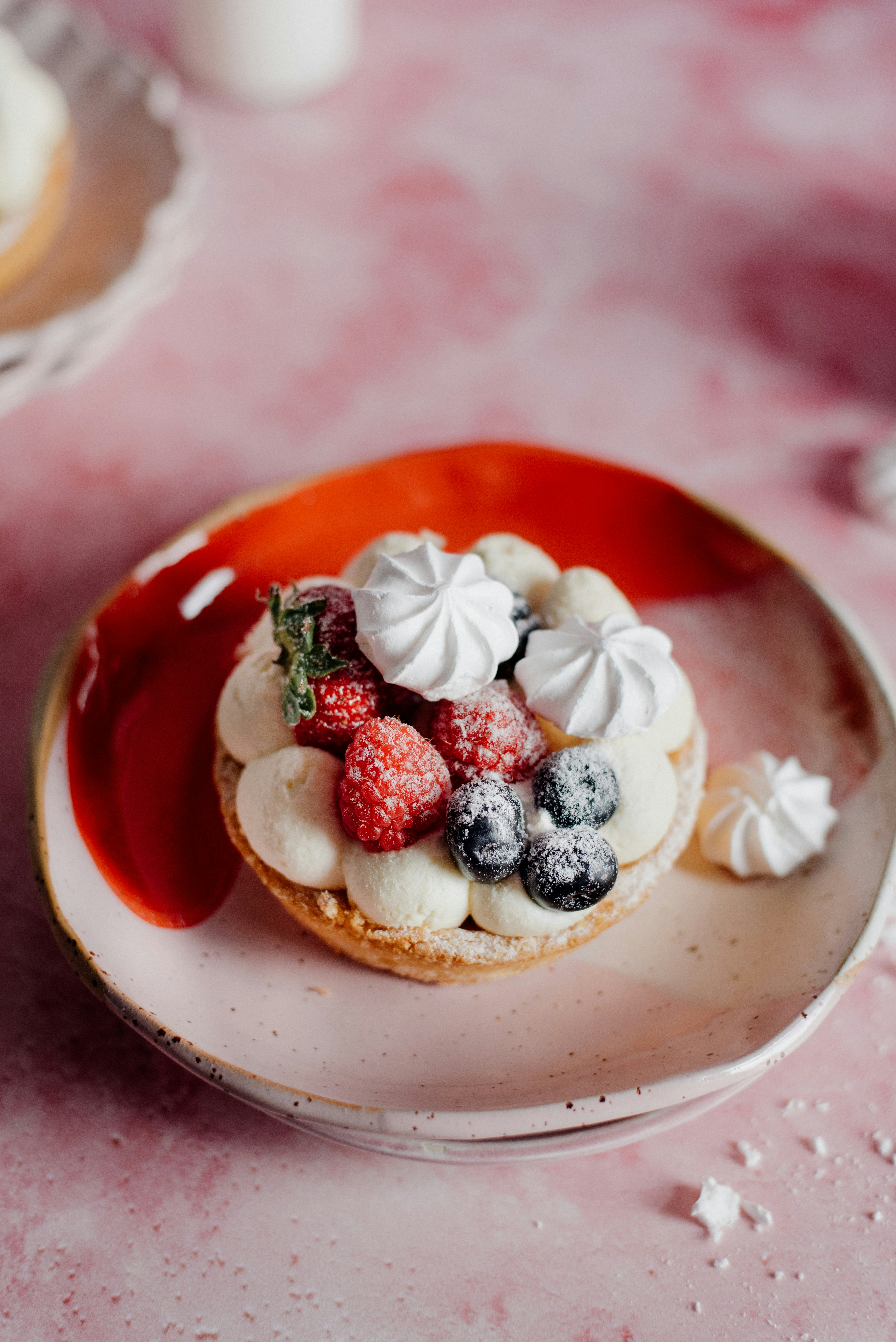
Tasty Easy Pavlova is a beautiful, cloud-like dessert featuring a delicate crispy meringue shell, a soft marshmallow-like center, fluffy whipped cream, and colorful fresh fruit. This classic dessert looks elegant enough for celebrations but can be prepared at home with just a few simple ingredients. Whether you are hosting a dinner party, celebrating a birthday, or planning a festive gathering, homemade pavlova is a wonderful centerpiece for your dessert table.
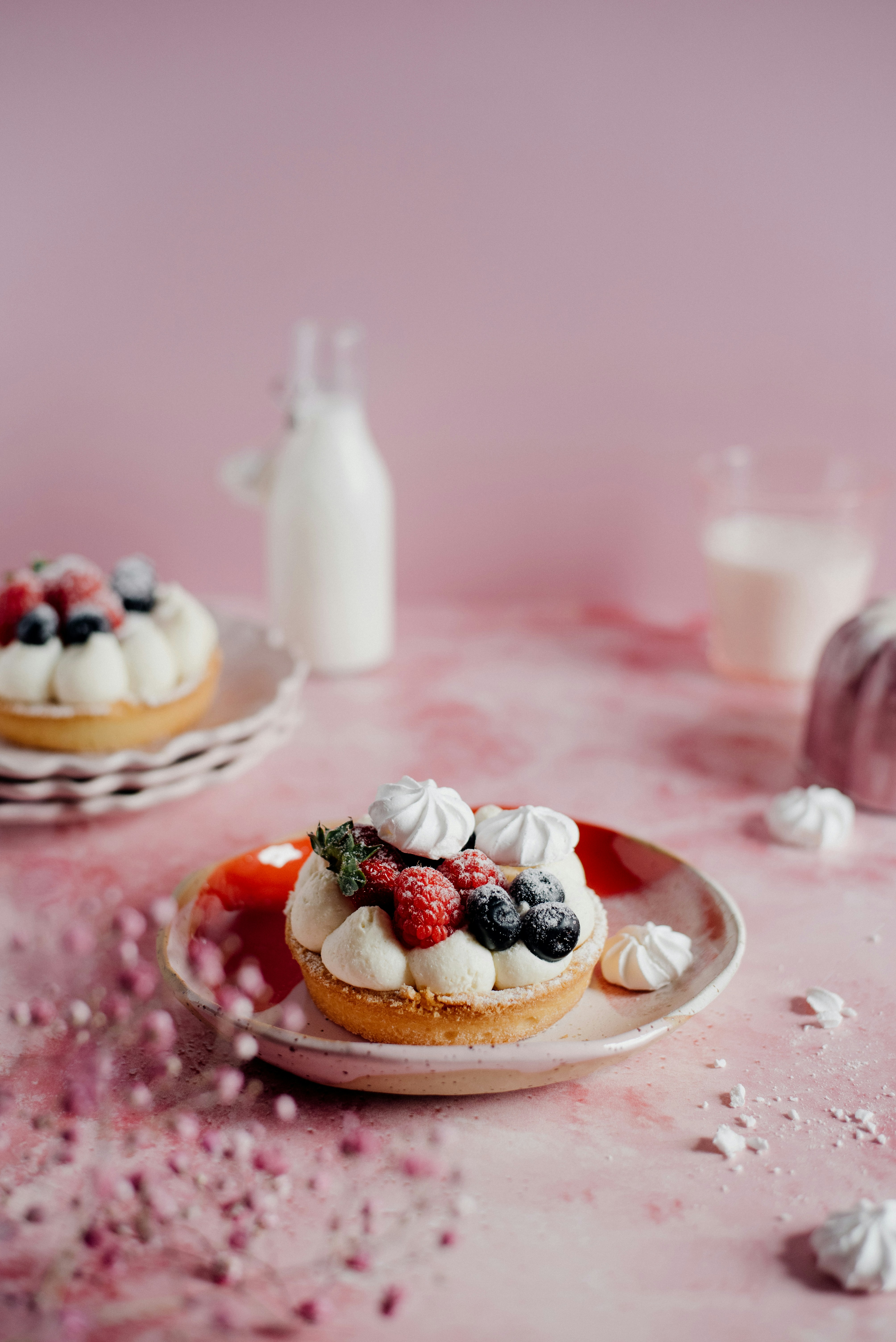
Tasty Easy Pavlova:
The secret to a delicious pavlova lies in beating egg whites until they form stiff, glossy peaks and baking the meringue slowly at a low temperature. A little sugar creates sweetness and structure, while cornstarch and vinegar help develop the characteristic soft interior. Once cooled, the meringue is topped with freshly whipped cream and fruit for a delightful contrast of textures and flavors.
This easy pavlova recipe is perfect for beginners who want to make an impressive dessert without complicated techniques. You can use strawberries, blueberries, kiwi, raspberries, passion fruit, or your favorite seasonal fruits. With its crisp exterior, creamy topping, and refreshing fruit, pavlova is a sweet treat that is both light and indulgent.
History of Tasty Easy Pavlova :
Pavlova is a meringue-based dessert associated with Australia and New Zealand. It is named after Russian ballerina Anna Pavlova, who toured the region in the 1920s. Both countries have long-standing connections to the dessert, and its exact origin remains debated.
Traditional pavlova is made from whipped egg whites and sugar, then baked until the outside becomes crisp while the center remains soft. Cornstarch and an acidic ingredient, such as vinegar, are commonly added to help create its distinctive texture.
Today, pavlova is enjoyed around the world and is especially popular during summer celebrations, Christmas gatherings, and special occasions. Fresh fruit and whipped cream remain its most recognizable toppings.
Subscribe to our youtube channel Kitchenpedia for more delicious recipes and hit the like button if you enjoyed this youtubevideo. Share it with your friends and Family.
Pavlova

Ingredients
For the Pavlova Base
- 4 large egg whites, at room temperature
- 1 cup superfine sugar or caster sugar
- 1 teaspoon cornstarch
- 1 teaspoon white vinegar
- 1 teaspoon vanilla extract
- A small pinch of salt, optional
For the Topping
- 1 cup heavy whipping cream, chilled
- 2 tablespoons powdered sugar, or to taste
- ½ teaspoon vanilla extract
- 1 cup fresh strawberries, sliced
- ½ cup blueberries
- 1 kiwi, peeled and sliced
- ½ cup raspberries or other seasonal fruit
Instructions
- Preheat the oven to 120°C (250°F). Line a baking tray with parchment paper. Draw an approximately 8-inch circle on the underside of the parchment to guide the shape, then turn the paper over.
- Place the egg whites in a clean, dry mixing bowl. Beat with an electric mixer on medium speed until soft peaks form. Make sure the bowl and beaters are free from grease, and avoid getting any egg yolk into the whites.
- Increase the mixer speed to medium-high. Add the caster sugar one tablespoon at a time, beating well after each addition. Continue until the mixture becomes thick, glossy, and forms stiff peaks. Rub a little meringue between your fingers; if it feels gritty, beat for a little longer to dissolve the sugar.
- Gently fold in the cornstarch, white vinegar, and vanilla extract using a spatula. Use slow movements to preserve the air in the meringue. Avoid stirring vigorously.
- Spoon the meringue onto the prepared baking tray, using the drawn circle as a guide. Shape it into a round mound with slightly raised edges and a shallow dip in the center. This creates a natural space for the whipped cream and fruit.
- Place the tray in the preheated oven and bake for approximately 75 minutes. Avoid opening the oven door frequently, as sudden temperature changes can cause cracking.
- Turn off the oven and leave the pavlova inside with the door closed until it cools. This gradual cooling helps reduce sudden temperature changes. The shell may develop small cracks, which are normal for homemade pavlova.
- When the meringue has cooled completely, place the chilled whipping cream in a bowl. Add the powdered sugar and vanilla extract. Beat until soft to medium peaks form. Avoid overwhipping, as the cream can become grainy.
- Carefully transfer the cooled meringue to a serving plate. Spread the whipped cream over the center, leaving some of the crisp edges visible. Arrange the strawberries, blueberries, kiwi, and raspberries on top.
- Serve the pavlova shortly after adding the cream and fruit for the best texture. Slice gently with a serrated knife and enjoy the contrast between the crispy shell, soft center, creamy topping, and juicy fruit.
Notes
- Room-temperature eggs: Egg whites usually whip more easily when they are not cold.
- Clean equipment: Even a small amount of grease can prevent egg whites from reaching their full volume.
- Fine sugar: Caster sugar dissolves more easily than coarse granulated sugar.
- Gradual mixing: Add sugar slowly to create a stable, glossy meringue.
- Low-temperature baking: Pavlova needs gentle heat to dry the exterior without browning too quickly.
- Natural cracks: Small cracks are common and can be covered with cream and fruit.
- Fruit selection: Choose fruit that is ripe but not overly watery.
- Serving time: Add cream and fruit just before serving because moisture softens the meringue.
Tips for Perfect Pavlova:
- Separate the eggs carefully, using a separate small bowl for each egg to avoid contaminating the whites.
- Make sure the mixing bowl and beaters are completely clean and dry.
- Beat the meringue until the sugar dissolves and the mixture forms stiff, glossy peaks.
- Avoid making pavlova on a very humid day if possible, as moisture can affect the meringue.
- Do not open the oven frequently while the pavlova is baking.
- Let the pavlova cool gradually in the switched-off oven.
- Whip the cream only until it holds soft to medium peaks.
- Decorate with a mixture of colorful fruits for a beautiful finish and balanced flavor.
FAQ’s for Tasty Easy Pavlova :
1. Why is my pavlova sticky?
Humidity, undissolved sugar, or insufficient drying can make the meringue sticky. Beat the sugar until dissolved and allow the pavlova to cool completely in the oven.
2. Why did my pavlova crack?
Cracks can occur when the meringue expands or cools unevenly. Small cracks are normal and do not affect the flavor. A gentle, gradual cooling process can help reduce them.
3. Can I make pavlova a day ahead?
Yes. Bake the meringue a day ahead and let it cool completely. Store it in an airtight container in a cool, dry place, then add the cream and fruit shortly before serving.
4. Can I use regular granulated sugar?
Yes, but finer sugar dissolves more easily. If using regular sugar, add it gradually and beat thoroughly until the meringue feels smooth rather than gritty.
5. Which fruits work best for pavlova?
Strawberries, blueberries, raspberries, kiwi, passion fruit, and mango are excellent choices. Use a mixture of sweet and slightly tart fruits for a balanced flavor.
6. Can I make pavlova without cornstarch?
Cornstarch helps create the soft, marshmallow-like center. You can omit it, but the texture may differ from a traditional pavlova.
7. How should I store leftover pavlova?
Store leftovers in an airtight container in the refrigerator and enjoy them as soon as possible, ideally within 24 hours. The meringue will gradually soften after it is topped with cream and fruit.
8. Is pavlova gluten-free?
The basic meringue is naturally gluten-free when prepared with suitable ingredients. Check labels on cornstarch, flavorings, and other packaged products if gluten avoidance is essential.
Conclusion:
Pavlova is an elegant dessert that combines a crisp meringue shell, a soft marshmallow-like center, fluffy whipped cream, and fresh seasonal fruit. Although it looks impressive, the recipe requires only a handful of ingredients and a little patience while the meringue bakes and cools.
Perfect for birthdays, holidays, dinner parties, and summer gatherings, this homemade pavlova can be customized with your favorite fruits and toppings. Follow the simple steps, cool the meringue slowly, and assemble it just before serving to enjoy a beautiful dessert with wonderful texture and flavor.