

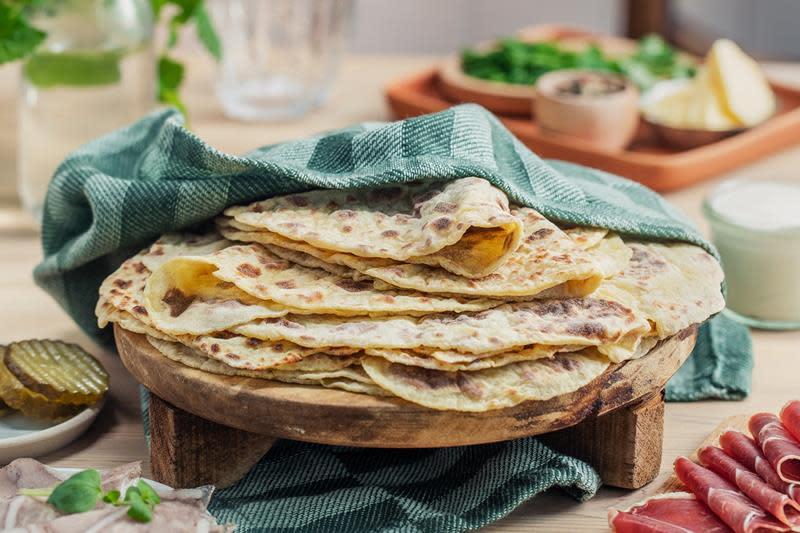
Norwegian Potato Flatbread, commonly associated with potetlefse and potato-based lefse, is a beloved Scandinavian flatbread made from humble ingredients. Soft potatoes are combined with flour to create a tender dough that is rolled thin and cooked on a hot griddle. The result is a delicate, flexible flatbread with a mild potato flavor.For generations, Norwegian families have prepared different varieties of lefse for holidays, celebrations, and everyday meals.
Norwegian Potato Flatbread:
Depending on the region and family tradition, potato flatbread may be served sweet with butter and sugar or used as a savory accompaniment for meats, cheese, and other fillings.This homemade version keeps the ingredient list simple and the technique approachable. The most important part is working with well-cooked, thoroughly cooled potatoes and using enough flour to make a dough that can be rolled thin without becoming tough.
History of Norwegian Potato Flatbread:
Flatbreads have long been an important part of Scandinavian food traditions. In Norway, lefse developed into many regional varieties, with recipes differing in thickness, ingredients, and serving style.Potato became an especially useful ingredient for lefse because it was affordable, filling, and widely available. Potato-based lefse became an important way to create soft flatbread from simple ingredients.Traditional lefse was often made in large quantities during holidays and family gatherings. The flatbreads were cooked on a takke, a large flat griddle traditionally used for Norwegian flatbreads.
Subscribe to our youtube channel Kitchenpedia for more delicious recipes and hit the like button if you enjoyed this youtubevideo. Share it with your friends and Family.
Norwegian Potato Flatbread

Ingredients
- 2 pounds russet or other starchy potatoes
- 1½–2 cups all-purpose flour, plus extra for rolling
- 2 tablespoons butter, melted
- 1 teaspoon salt
- 2–4 tablespoons heavy cream or milk, optional, if needed
- Extra flour or potato starch for rolling
For a Traditional Sweet Serving
- Soft butter
- Granulated sugar
- Ground cinnamon, optional
For a Savory Serving
- Butter
- Sliced cheese
- Smoked salmon
- Ham
- Pickled fish
- Cooked meat
Instructions
Cook the Potatoes
- Peel the potatoes and cut them into evenly sized pieces.Place them in a large pot of salted water and boil until completely tender.Drain them thoroughly.Return the potatoes to the warm pot for a minute or two to allow excess moisture to evaporate.This step is important because wet potatoes require more flour, which can make the flatbread tough.
Mash the Potatoes
- Mash the potatoes until completely smooth.Avoid leaving large lumps.For the best texture, use a potato ricer or food mill if available.Mix in the melted butter and salt.Allow the potatoes to cool completely.
Make the Dough
- Place the cooled mashed potatoes in a large bowl.Gradually add the flour and gently mix until a soft dough forms.Add only as much flour as necessary.If the mixture feels extremely dry, add a small amount of cream or milk.The dough should be soft and workable rather than sticky.
Chill the Dough
- Divide the dough into approximately 10–12 portions.Shape each portion into a small ball.Cover the dough portions and refrigerate for about 1 hour.Chilling makes the dough easier to handle and roll.
Prepare the Griddle
- Heat a large flat griddle or heavy skillet over medium-high heat.The surface should be hot enough to cook the flatbread quickly without burning it.Traditional lefse is often cooked on a large flat griddle called a takke.
Roll the Flatbread
- Generously flour your work surface.Take one portion of dough and roll it gently into a very thin circle.Turn the dough frequently while rolling and dust lightly with flour when necessary to prevent sticking.Aim for a thin, flexible flatbread rather than a thick potato pancake.
Cook
- Carefully transfer the rolled dough to the hot griddle.Cook for approximately 30–60 seconds on the first side.When small bubbles appear and light brown spots develop, flip it.Cook the second side for another 30–60 seconds.Do not overcook the flatbread because it can become dry and brittle.
Keep the Flatbreads Soft
- Place each cooked flatbread between clean kitchen towels as soon as it comes off the griddle.Covering the flatbreads allows steam to keep them soft and flexible.Continue cooking the remaining dough.
Serve
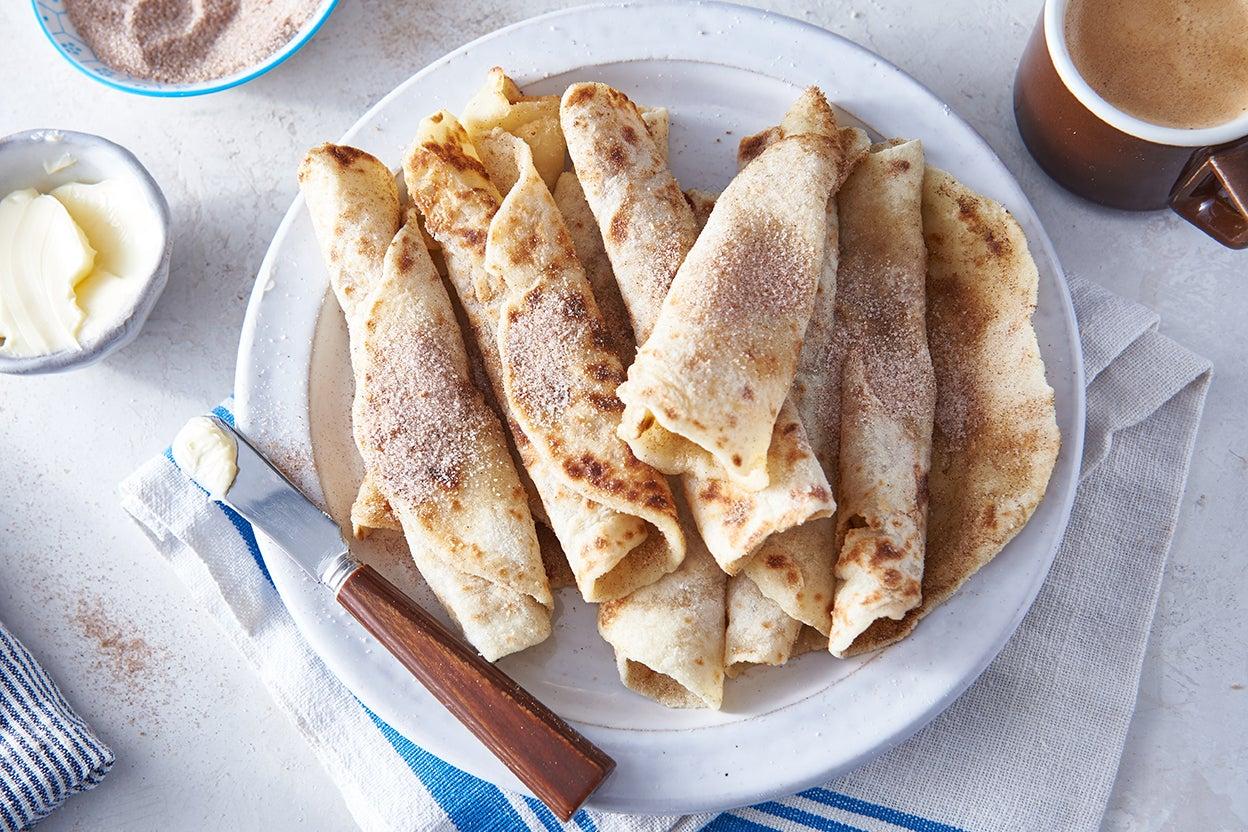
- For a classic sweet preparation, spread softened butter over the warm flatbread and sprinkle with sugar and cinnamon.Fold or roll it and serve.For a savory version, fill the flatbread with cheese, ham, smoked salmon, or other favorite fillings.
Notes
- Use starchy potatoes: Russet potatoes work particularly well.
- Dry potatoes are important: Excess water means more flour and potentially tougher flatbread.
- Cool potatoes completely: Warm potatoes can make the dough sticky.
- Use flour sparingly: Too much flour makes lefse dense.
- Roll thin: Traditional potato flatbread should be delicate and flexible.
- Use a hot griddle: Proper heat helps create characteristic brown spots.
- Cover cooked flatbreads: This prevents them from drying out.
- Serve fresh: Freshly cooked flatbread has the best softness and texture.
Tips for Norwegian Potato Flatbread:
- Rice the potatoes instead of mashing them if you have a potato ricer.
- Let cooked potatoes release steam before mixing the dough.
- Measure flour carefully and add it gradually.
- Chill the dough before rolling.
- Use plenty of flour for rolling but brush away excess before cooking.
- Roll from the center outward to create an even thickness.
- Cook quickly rather than leaving the flatbread on the griddle too long.
- Stack the finished flatbreads under a towel to maintain their soft texture.
FAQs for Norwegian Flatbread:
Q: What is Norwegian flatbread called?
Potato-based Norwegian flatbread is commonly associated with potetlefse, although Norwegian lefse has many regional varieties and names.
Q: Is Norwegian potato flatbread the same as lefse?
Potato flatbread is a type of lefse. However, not all lefse is made with potatoes, and recipes vary considerably between regions and families.
Q: Why is my potato flatbread tough?
The most common reasons are using too much flour, overworking the dough, or overcooking the flatbread.
Q: Why does my dough stick when rolling?
The potatoes may contain too much moisture. Make sure they are thoroughly drained and cooled, and use enough flour on the rolling surface.
Q: Can I use leftover mashed potatoes?
Yes, provided the mashed potatoes are fairly dry and do not contain large amounts of milk or cream. Very wet mashed potatoes will require more flour.
Q: How thin should Norwegian potato flatbread be?
For a traditional-style delicate flatbread, roll the dough very thin and evenly. It should be flexible rather than thick like a conventional potato pancake.
Q: How should I store Norwegian potato flatbread?
Cool the flatbreads completely, stack them with parchment or wax paper if needed, and store them in an airtight container or bag.
Q: Can I freeze potato flatbread?
Yes. Stack cooled flatbreads with parchment between them, wrap them well, and freeze. Thaw them while covered and gently warm before serving.
Conclusion:
Norwegian Potato Flatbread is a wonderful example of Scandinavian cooking built around simple ingredients and traditional techniques. Tender potatoes, a little flour, butter, and salt transform into delicate flatbreads that can be enjoyed in countless ways.Serve them with butter and sugar for a classic sweet treat, or fill them with cheese, ham, smoked salmon, or other savory ingredients. Whether prepared for a holiday gathering or a simple family meal, homemade potato flatbread brings a warm taste of Norwegian tradition to the table.