

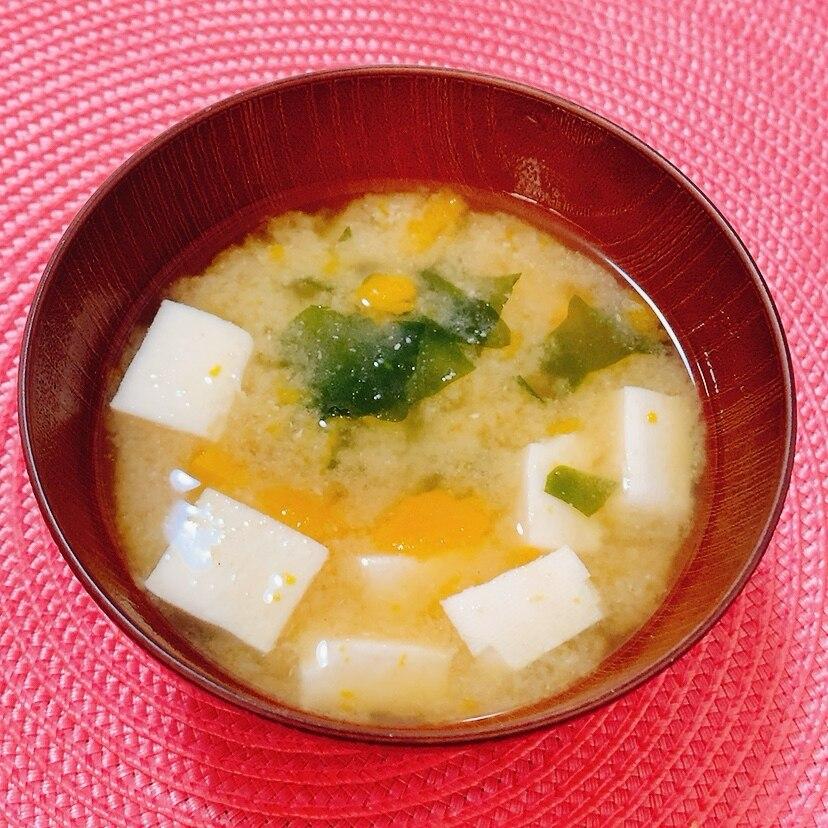
Pumpkin and Tofu Miso Soup is a comforting Japanese-inspired soup that combines naturally sweet pumpkin with delicate tofu and savory miso broth. The pumpkin becomes tender as it simmers, releasing subtle sweetness into the broth while the miso adds a deep, fermented umami flavor. It is warming, nourishing, and wonderfully satisfying without feeling heavy.This soup is especially delicious during cooler months when pumpkin and other winter squash are abundant.

Pumpkin and Tofu Miso Soup:
The contrast between the soft pumpkin, tender tofu, chewy wakame seaweed, and fragrant green onions makes every spoonful interesting. A simple dashi-based broth brings all the ingredients together while allowing the natural flavor of the pumpkin to shine.The recipe is easy enough for a quick weekday meal but special enough to serve as part of a Japanese-inspired dinner. You can use homemade dashi, instant dashi, or a vegetarian kombu-and-mushroom broth depending on your preference. For a completely plant-based version, simply choose vegan-friendly miso and dashi.
History:
Miso soup has been an important part of Japanese cuisine for centuries. Miso itself is a fermented soybean seasoning traditionally produced using soybeans, salt, and koji, sometimes with grains such as rice or barley.There is no single recipe for miso soup. Japanese households and regions use different ingredients according to season, availability, and local traditions. Tofu, wakame, mushrooms, daikon, potatoes, onions, and seasonal vegetables are all commonly used.Pumpkin and winter squash pair particularly well with miso because their natural sweetness balances the salty, savory character of fermented miso. This version combines those flavors with tofu and seaweed to create a cozy, Japanese-inspired soup that is especially appealing in autumn and winter.
Subscribe to our youtube channel Kitchenpedia for more delicious recipes and hit the like button if you enjoyed this youtubevideo. Share it with your friends and Family.
Pumpkin and Tofu Miso Soup

Ingredients
For the Soup
- 3 cups (450–500 g) pumpkin or kabocha squash, peeled and cut into bite-sized cubes
- 4 cups (960 ml) dashi stock
- 7 ounces (200 g) firm or medium-firm tofu, cut into cubes
- 2 tablespoons miso paste
- ¼ cup dried wakame seaweed
- 2 green onions, thinly sliced
- 1 teaspoon grated fresh ginger, optional
Optional Ingredients
- ½ cup sliced shiitake mushrooms
- ½ cup daikon, thinly sliced
- ½ cup napa cabbage
- 1 teaspoon toasted sesame seeds
- 1 teaspoon sesame oil
- Shichimi togarashi, for serving
Instructions
Prepare the Pumpkin
- Wash the pumpkin thoroughly.Remove the seeds and fibrous interior.Peel the pumpkin if necessary and cut it into small, evenly sized cubes.Kabocha squash can also be used with the skin left on if it is thoroughly washed, as the skin becomes tender when cooked
Prepare the Tofu
- Drain the tofu well.Cut it into bite-sized cubes.Pat gently with paper towels to remove excess moisture.Set aside.
Rehydrate the Wakame
- Place the dried wakame in a small bowl.Cover with cool water and soak for approximately 5–10 minutes.Once softened, drain thoroughly and gently squeeze out excess water.Cut larger pieces into smaller portions if necessary.Remember that dried wakame expands considerably when rehydrated.
Heat the Dashi
- Pour the dashi into a medium saucepan.Place over medium heat and bring it to a gentle simmer.Do not allow the broth to boil aggressively.
Cook the Pumpkin
- Add the pumpkin cubes to the simmering dashi.Cook for approximately 10–15 minutes, or until the pumpkin is tender when pierced with a fork.Avoid overcooking because the pumpkin should remain in recognizable pieces rather than completely dissolving into the broth.
Add Optional Vegetables
- If using mushrooms, daikon, or napa cabbage, add them according to their cooking time.Harder vegetables such as daikon should be added earlier, while delicate greens can be added later.
Add the Tofu
- Gently add the tofu cubes to the pot.Simmer for approximately 2–3 minutes.Avoid vigorous stirring so the tofu remains intact.
Add the Wakame
- Add the rehydrated wakame.Cook for approximately 1 minute, just until heated through.
Dissolve the Miso
- Reduce the heat to low.Place the miso paste in a small bowl.Add approximately ½ cup of hot dashi from the pot.Whisk until the miso is completely dissolved.Pour the mixture back into the saucepan.
Do Not Boil the Miso
- Keep the soup gently heated but do not bring it to a vigorous boil after adding the miso.This helps preserve the delicate flavor and aroma of the fermented miso.
Finish with Green Onions
- Add most of the sliced green onions.Reserve a small amount for garnish.Turn off the heat.
Serve
- Ladle the soup into warm bowls.Garnish with the remaining green onions and optional sesame seeds.Serve immediately.
Notes
- Use kabocha for extra sweetness: Japanese kabocha squash has a naturally sweet, creamy texture that works beautifully with miso.
- Cut pumpkin evenly: Uniform pieces cook at approximately the same rate.
- Drain tofu well: This helps maintain a pleasant texture and prevents excess water from diluting the soup.
- Rehydrate wakame carefully: A small amount of dried wakame expands significantly.
- Choose your miso: White miso is mild and sweet, while red miso has a stronger and deeper flavor.
- Do not boil after adding miso: Gentle heating helps maintain the miso's delicate character.
- Taste before adding salt: Miso and dashi can already provide plenty of seasoning.
- Serve fresh: Miso soup is best enjoyed shortly after preparation.
Tips for Pumpkin and Tofu Miso Soup:
- Use homemade dashi: Kombu-based dashi provides a clean umami foundation that complements pumpkin beautifully.
- Try awase miso: A blend of white and red miso creates a balanced combination of sweetness and depth.
- Keep the pumpkin slightly firm: It should be tender enough to eat but not so soft that it disintegrates.
- Use medium-firm tofu: It holds its shape better than silken tofu during cooking.
- Add ginger for warmth: Fresh ginger provides a bright aromatic contrast to the sweet pumpkin.
- Add mushrooms: Shiitake or shimeji mushrooms bring additional savory depth.
- Finish with sesame seeds: Toasted sesame seeds provide nuttiness and texture.
- Use vegan dashi for a plant-based soup: Kombu and mushroom dashi work particularly well with pumpkin and miso.
FAQs for Pumpkin and Tofu Miso Soup:
1. What type of pumpkin is best for miso soup?
Kabocha squash is an excellent choice because it has naturally sweet flesh and becomes tender without immediately falling apart. Other cooking pumpkins or winter squash can also be used.
2. Can I use canned pumpkin?
Canned pumpkin can be used, but it is better suited to a thicker soup. For a traditional chunky soup, fresh pumpkin or kabocha is preferable.
3. Can I use silken tofu?
Yes, but handle it very gently because silken tofu breaks easily. Firm or medium-firm tofu is easier to work with.
4. Can I make this soup vegetarian?
Yes. Use kombu or mushroom-based dashi and check that the miso and other seasonings are vegetarian-friendly.
5. Can I make it vegan?
Yes. Use vegan-friendly miso, tofu, and plant-based dashi. Avoid bonito-based dashi.
6. Can I use red miso instead of white miso?
Absolutely. Red miso will create a stronger, saltier, and more intensely savory flavor. You may want to use slightly less and adjust to taste.
7. Why shouldn’t miso soup boil?
Vigorous boiling after the miso is added can diminish some of its delicate aroma and flavor. Keep the soup hot but gently heated.
8. How should I store leftovers?
Allow the soup to cool promptly and refrigerate it in a covered container. Reheat gently without bringing it to a vigorous boil. For best quality, consume within a few days.
Conclusion:
Pumpkin and Tofu Miso Soup is a beautifully comforting Japanese-inspired recipe that combines the natural sweetness of pumpkin with the savory depth of miso. Tender tofu, delicate wakame, fragrant ginger, and fresh green onions complete the bowl, creating a satisfying soup that is both simple and nourishing.
Kabocha squash makes this soup particularly delicious because its creamy texture and natural sweetness complement the salty umami character of miso. However, ordinary cooking pumpkin or other winter squash can also create excellent results.Whether you enjoy it as a light lunch, a warming starter, or part of a Japanese-inspired dinner, this soup is an easy way to bring seasonal ingredients and classic Japanese flavors together in one cozy bowl.