


Creamy Cottage Cheese Scrambled Eggs are a delicious, nutritious, and easy-to-make breakfast that combines the softness of scrambled eggs with the rich, creamy texture of cottage cheese. This simple recipe transforms ordinary eggs into a satisfying meal that is full of flavor and protein. Whether you are preparing breakfast for your family or looking for a quick meal before a busy day, these scrambled eggs are an excellent choice.One of the best things about this recipe is its simplicity. With just a handful of everyday ingredients, you can prepare a warm and comforting breakfast in minutes.
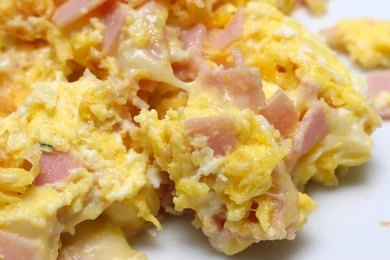
Creamy CottCreamy Cottage Cheese Scrambled Eggs:
Cottage cheese adds creaminess and a mild tangy flavor while helping keep the eggs tender and moist. A little butter, salt, black pepper, and fresh herbs bring everything together without overpowering the natural flavor of the eggs.These Creamy Cottage Cheese Scrambled Eggs are also easy to customize according to your taste. You can add spinach, tomatoes, mushrooms, chives, or shredded cheese for extra flavor and variety. Serve them with toasted bread, fresh fruit, avocado, or roasted vegetables for a balanced breakfast that keeps you satisfied throughout the morning.
History of Cottage Cheese Scrambled Eggs:
Scrambled eggs have been a popular breakfast dish for generations because they are affordable, versatile, and quick to prepare. Different cultures have developed their own versions of scrambled eggs by combining them with dairy products, herbs, vegetables, and spices.Cottage cheese has long been enjoyed as a fresh dairy product because of its mild flavor and soft, curd-like texture. Combining it with scrambled eggs is a practical way to create a creamier dish while increasing its protein content. Although this combination does not have one clearly established origin, it has become increasingly popular among home cooks and people looking for protein-rich breakfast ideas.
Today, cottage cheese scrambled eggs are appreciated for their simplicity, nutritional value, and adaptability. They are especially popular with people who want a satisfying breakfast without spending much time in the kitchen.
Subscribe to our youtube channel Kitchenpedia for more delicious recipes and hit the like button if you enjoyed this youtubevideo. Share it with your friends and Family.
Creamy Cottage Cheese Scrambled Eggs

Ingredients
- 4 large eggs
- 1/2 cup cottage cheese
- 1 tablespoon butter
- 1/8 teaspoon salt, or to taste
- 1/8 teaspoon freshly ground black pepper
- 1 tablespoon chopped fresh chives or parsley (optional)
- 1 tablespoon milk (optional, for a slightly softer texture)
Instructions
- Crack the eggs into a medium-sized bowl. Add the salt, black pepper, and optional milk. Whisk until the yolks and whites are fully combined and the mixture looks smooth.
- Gently fold the cottage cheese into the beaten eggs. You can leave the curds whole for a more textured result or lightly mash them if you prefer a smoother consistency.
- Place a nonstick skillet over low to medium-low heat. Add the butter and allow it to melt, coating the bottom of the pan evenly. Avoid overheating the butter, as excessive heat can cause the eggs to cook too quickly.
- Pour the egg and cottage cheese mixture into the skillet. Let it sit for a few seconds until the edges begin to set. Using a silicone spatula, gently push the cooked eggs from the edges toward the center.
- Continue cooking slowly, folding the eggs over themselves as they thicken. Keep the heat low to maintain a creamy texture. Avoid stirring too aggressively, as this can break the eggs into small, dry pieces.
- Cook until the eggs are softly set and no longer runny. For food safety, egg dishes should reach an internal temperature of 160°F (71°C). Remove the pan from the heat promptly to prevent overcooking.
- Sprinkle the scrambled eggs with fresh chives or parsley. Serve immediately while warm and creamy, accompanied by whole-grain toast, sliced avocado, or fresh fruit.
Notes
-
Choose your cottage cheese: Small-curd cottage cheese blends easily into scrambled eggs, while large-curd varieties provide a more noticeable texture.
-
Use low heat: Gentle cooking helps prevent the eggs from becoming rubbery or dry.
-
Avoid excess liquid: Cottage cheese already contains moisture, so additional milk is optional.
-
Adjust the texture: Mash the cottage cheese before mixing if you prefer fewer visible curds.
-
Use a nonstick skillet: This helps prevent sticking and makes cleanup easier.
-
Season carefully: Cottage cheese can contain a significant amount of sodium, so taste before adding extra salt.
-
Serve immediately: Scrambled eggs taste best when freshly cooked.
-
Cook thoroughly: Avoid serving eggs that remain raw or excessively runny, particularly to people at higher risk of foodborne illness
Tips for Cottage Cheese Scrambled Eggs:
- Whisk the eggs thoroughly to create an evenly blended mixture.
- Allow the butter to melt gently instead of letting it brown.
- Keep the pan temperature low for soft, tender curds.
- Fold the eggs slowly with a flexible spatula.
- Add fresh herbs at the end to preserve their aroma.
- Try full-fat cottage cheese for a richer result or low-fat cottage cheese for a lighter option.
- Remove the eggs from the heat as soon as they are fully cooked to prevent them from drying out.
- Pair the eggs with vegetables or whole grains to create a more balanced meal.
FAQs for Cottage Cheese Scrambled Eggs:
1. Can I taste the cottage cheese in scrambled eggs?
Cottage cheese has a mild, slightly tangy flavor. When mixed with eggs, its taste is subtle, and it mainly contributes creaminess and a soft texture.
2. Do cottage cheese scrambled eggs taste different from regular scrambled eggs?
Yes. They tend to be creamier and slightly tangier than traditional scrambled eggs. The cottage cheese also adds a little texture, depending on the curd size.
3. Should I blend cottage cheese before adding it?
Blending is optional. Add it directly for a slightly textured dish, or blend it first if you prefer smoother, more uniform scrambled eggs.
4. Can I make this recipe without butter?
Yes. You can use a small amount of olive oil or another cooking oil suitable for stovetop cooking. A good nonstick skillet also helps reduce the amount of fat needed.
5. Can I add vegetables to this recipe?
Absolutely. Spinach, diced bell peppers, mushrooms, and tomatoes work well. Cook vegetables that release moisture before adding the egg mixture to help prevent watery scrambled eggs.
6. Are cottage cheese scrambled eggs good for a high-protein breakfast?
Yes. Eggs and cottage cheese are both protein sources. Depending on the ingredients and serving size, this recipe provides approximately 23–27 grams of protein per serving.
7. Can I prepare cottage cheese scrambled ahead of time?
They are best eaten fresh, but you can cook them ahead and refrigerate them in an airtight container within two hours. Refrigerate at 40°F (4°C) or below and consume within three to four days. Reheat until steaming hot, ideally reaching 165°F (74°C).
8. What can I serve with creamy cottage cheese scrambled eggs?
Serve them with whole-grain toast, avocado, sautéed spinach, roasted tomatoes, fresh fruit, or a small breakfast salad. These sides add fiber, vitamins, and variety to your meal.
Conclusion:
Creamy Cottage Cheese Scrambled Eggs are a simple and satisfying way to make breakfast more flavorful and nutritious. The combination of fluffy eggs, creamy cottage cheese, melted butter, and fresh seasonings creates a comforting dish that takes only about 10 minutes to prepare.
Whether you enjoy them with toast on a busy morning or serve them as part of a relaxed weekend brunch, these scrambled eggs are easy to customize and suitable for a variety of tastes. With a few basic ingredients and gentle cooking, you can create a delicious, protein-rich breakfast that is worth adding to your regular meal rotation.