
 with this easy homemade recipe featuring a soft, fluffy interior, delicate sweetness, rich buttery flavor, and beautiful golden crust. Learn how to prepare, knead, shape, proof, and bake this traditional Portuguese-style bread using simple ingredients and step-by-step instructions. Complete with expert baking tips, nutrition information, storage advice, and serving suggestions, this delicious sweet bread is perfect for breakfast, afternoon tea, Easter celebrations, holidays, and family gatherings.)
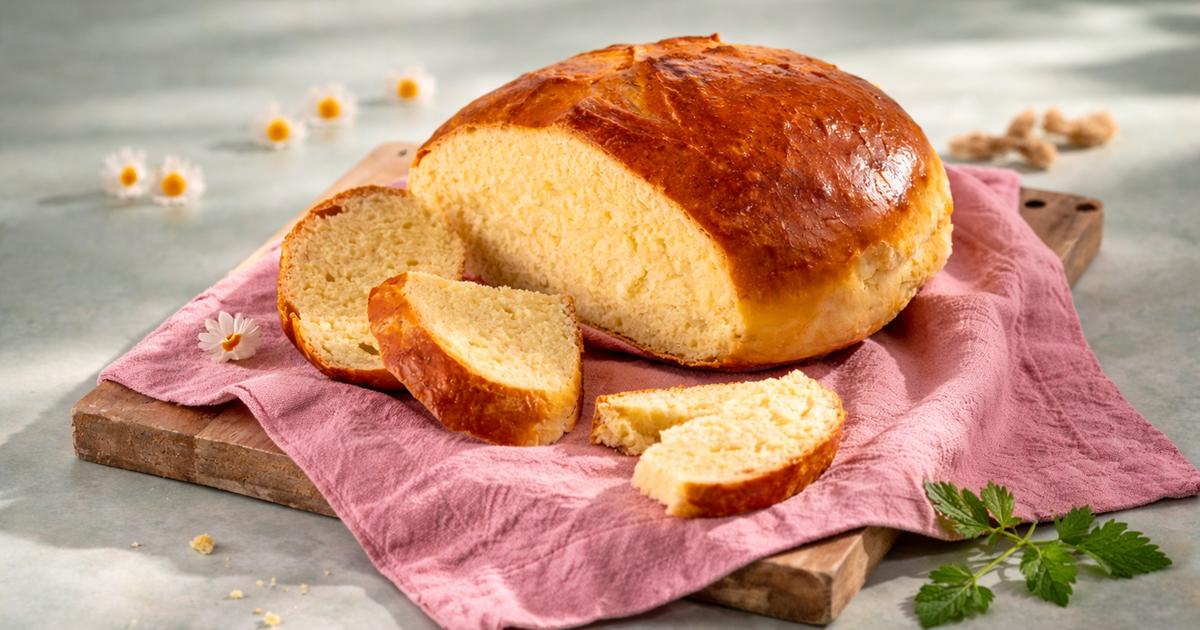
Portuguese Sweet Bread, often known as Pão Doce, is a traditional bread loved for its soft texture, lightly sweet flavor, golden crust, and delicate aroma. Made with flour, eggs, milk, sugar, butter, and yeast, this comforting bread is richer than everyday sandwich bread while remaining light and tender. Its beautiful golden appearance and subtly sweet taste make it a wonderful choice for breakfast, afternoon tea, holidays, and family gatherings.
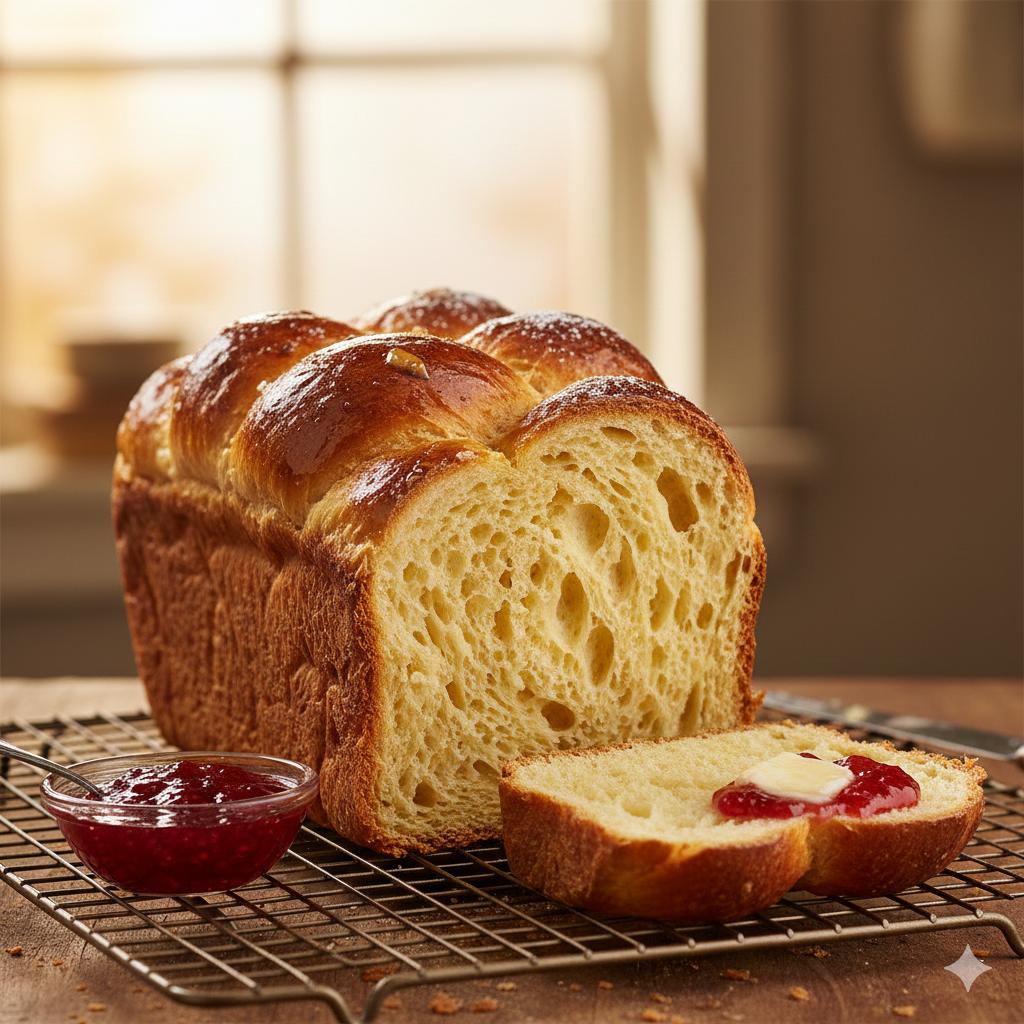
Portuguese Sweet Bread:
One of the most appealing features of Portuguese Sweet Bread is its pillowy interior. The enriched dough develops a soft, fine crumb as the yeast rises and the ingredients come together. A light egg wash gives the loaf an attractive shine, while a little butter and sugar add richness and sweetness. Depending on the family tradition or regional variation, the bread may be shaped into a large round loaf, braided loaf, or individual rolls.
Making Portuguese Sweet Bread at home is a rewarding baking experience, even for beginners who are willing to allow enough time for the dough to rise. The ingredients are simple, and the dough can be prepared using a stand mixer or by hand. Freshly baked slices are delicious on their own, spread with butter, or served with jam and coffee. Whether you are recreating a treasured family tradition or discovering Portuguese baking for the first time, this homemade sweet bread is a delightful addition to your recipe collection.
History:
Portuguese Sweet Bread has a long history in Portuguese home baking and is especially associated with the Azores, Madeira, and Portuguese communities around the world. Known by names such as Pão Doce, it reflects a baking tradition in which everyday bread was enriched with ingredients such as eggs, milk, sugar, and butter for special occasions.Sweet breads became particularly important during holidays, religious celebrations, weddings, and family gatherings. In the Azores, enriched sweet breads are closely associated with Easter and traditional community festivities. Recipes vary from island to island and from family to family, with some versions being lightly sweet and others considerably richer.Portuguese immigrants also brought these baking traditions to countries such as the United States and Canada, where Portuguese sweet bread became a familiar part of community celebrations and home cooking. Today, it remains popular for its comforting flavor, soft texture, and connection to Portuguese heritage.
Subscribe to our youtube channel Kitchenpedia for more delicious recipes and hit the like button if you enjoyed this youtubevideo. Share it with your friends and Family.
Portuguese Sweet Bread

Ingredients
For the Bread Dough
- 4 cups (500 g) all-purpose flour, plus a little extra for kneading
- 2¼ teaspoons (7 g) active dry yeast
- ¾ cup (180 ml) warm milk
- ½ cup (100 g) granulated sugar
- 3 large eggs, at room temperature
- ¼ cup (57 g) unsalted butter, softened
- ½ teaspoon salt
- 1 teaspoon finely grated lemon zest, optional
For the Egg Wash
- 1 egg
- 1 tablespoon milk
Instructions
- Pour the warm milk into a small bowl. The milk should feel comfortably warm, not hot. Stir in a teaspoon of the measured sugar and the active dry yeast.Allow the mixture to stand for 5–10 minutes until foamy. If it does not foam, the yeast may be inactive or the milk may have been too hot or too cold.
- In a large mixing bowl, combine the flour, remaining sugar, and salt. Whisk briefly to distribute the ingredients evenly.This step helps the dough develop a consistent texture and ensures that the salt and sugar are spread throughout the flour.
- Add the yeast mixture, eggs, vanilla extract, and lemon zest, if using. Mix with a wooden spoon or a stand mixer fitted with a dough hook until a rough dough forms.The dough may initially feel sticky, which is normal for an enriched sweet bread.
- Add the softened butter a little at a time, mixing after each addition until incorporated.Continue kneading for approximately 8–12 minutes by hand or 6–8 minutes in a stand mixer on low to medium-low speed. The dough should become smoother, elastic, and slightly tacky. Add extra flour sparingly if needed.
- Shape the dough into a ball and place it in a lightly greased bowl. Turn it once to coat the surface, then cover with a clean kitchen towel or plastic wrap.Leave it in a warm, draft-free place for approximately 1–1½ hours, or until doubled in size. Rising time depends on the temperature of your kitchen.
- Gently press the dough to release excess gas. Shape it into a smooth round loaf and place it on a parchment-lined baking tray, or transfer it to a greased loaf pan.For a traditional presentation, you can divide the dough into three equal portions, roll them into ropes, and braid them together. Pinch the ends securely underneath
- Cover the shaped dough loosely and let it rise for another 30–45 minutes, until noticeably puffy.Avoid letting it rise excessively, as overproofed dough may collapse or bake with a weaker structure.
- Preheat the oven to 350°F (175°C). Whisk the egg and tablespoon of milk together in a small bowl.Gently brush the surface of the risen dough with the egg wash. This gives the bread its characteristic shiny, golden-brown crust.
- Bake the loaf for approximately 25–35 minutes, depending on its size and shape. The bread should be golden brown on top and cooked through in the center.If the crust browns too quickly, loosely cover the loaf with aluminum foil during the final part of baking. For a large loaf, check that the center is fully baked rather than relying on color alone.
- Remove the bread from the oven and let it rest for about 10 minutes before transferring it to a wire rack.For extra softness and a delicate buttery finish, brush the warm crust with a little melted butter. Allow the loaf to cool before slicing so the crumb can set properly.Serve thick slices plain, with butter, or with your favorite jam. Portuguese Sweet Bread is also delicious lightly toasted for breakfast
Notes
- Use room-temperature eggs: They blend more easily into the enriched dough.
- Check the yeast: Fresh, active yeast is essential for a light and fluffy loaf.
- Avoid hot milk: Excessively hot milk can damage the yeast and prevent the dough from rising.
- Expect a slightly sticky dough: Enriched dough is naturally softer than many basic bread doughs.
- Add flour sparingly: Too much extra flour can make the finished bread dry and dense.
- Allow sufficient rising time: Follow the dough's appearance rather than relying entirely on the clock.
- Apply egg wash gently: Brushing too aggressively can deflate the risen loaf.
- Cool before slicing: Cutting the bread while it is very hot can compress its soft interior.
Tips for Portuguese Sweet Bread:
- Measure ingredients accurately: Use a kitchen scale for consistent results, especially when measuring flour.
- Knead until elastic: Proper kneading helps the dough develop the structure needed for a soft, airy crumb.
- Create a warm rising environment: A comfortably warm, draft-free spot helps the dough rise evenly.
- Don’t rush proofing: Give the dough enough time to become light and puffy before baking.
- Use fresh lemon zest: A little zest adds a subtle citrus aroma without overpowering the sweetness.
- Brush with egg wash: This creates a beautiful glossy finish and enhances the loaf’s golden appearance.
- Watch the crust: Cover loosely with foil if the top browns before the center finishes baking.
- Store it properly: Keep the cooled bread in an airtight container or bag to preserve its softness.
FAQs for Portuguese Sweet Bread:
1. What is Portuguese Sweet Bread?
Portuguese Sweet Bread, or Pão Doce, is an enriched bread made with flour, eggs, milk, butter, sugar, and yeast. It is known for its soft texture, mildly sweet taste, and golden crust.
2. Is Portuguese Sweet Bread the same as Hawaiian sweet bread?
They are similar in that both are soft, enriched sweet breads. However, they come from different culinary traditions. Portuguese Sweet Bread has a long history in Portugal and Portuguese communities, while Hawaiian sweet bread developed through a blend of influences in Hawaii.
3. Why didn’t my sweet bread rise?
Possible causes include inactive yeast, milk that was too hot, a cold rising environment, or insufficient rising time. Check the yeast before mixing and give the dough enough time to become visibly puffy.
4. Can I make Portuguese Sweet Bread without a stand mixer?
Yes. You can mix and knead the dough by hand. Knead for approximately 10–15 minutes, or until the dough becomes smooth and elastic.
5. Can I make the dough ahead of time?
Yes. After kneading, cover the dough and refrigerate it overnight. The next day, let it warm slightly, shape it, allow it to rise until puffy, and bake as directed. Cold dough may need additional rising time.
6. Can I make Portuguese Sweet Bread without eggs?
Yes, but the texture and richness will change. You can try a suitable egg-free enriched bread recipe using a plant-based milk and an appropriate egg substitute. The results may not match the traditional version exactly.
7. How should I store Portuguese Sweet Bread?
Allow the loaf to cool completely, then store it in an airtight bag or container at room temperature for approximately 2–3 days. Avoid refrigerating it unnecessarily, as refrigeration can make bread stale more quickly.
8. Can I freeze Sweet Bread?
Yes. Slice the cooled loaf and place the slices in a freezer-safe bag, separating them with parchment paper if desired. Freeze for up to 2–3 months for best quality. Thaw at room temperature or toast slices directly from frozen.
9. What can I serve with Sweet Bread?
It pairs beautifully with butter, fruit jam, honey, cream cheese, coffee, or tea. It can also be served with fresh fruit for a simple breakfast or afternoon snack.
10. Can I make individual Portuguese Bread rolls?
Absolutely. Divide the dough into 10–12 equal portions, shape them into smooth balls, and place them on a lined baking tray with space between each one. Allow them to rise until puffy and bake at 350°F (175°C), checking after approximately 18–25 minutes.
Conclusion:
Portuguese Sweet Bread is a delightful homemade treat that combines a soft, fluffy crumb with a delicate sweetness and beautiful golden crust. Rooted in Portuguese baking traditions, this comforting loaf is perfect for breakfast, afternoon tea, holiday celebrations, and sharing with family and friends.With basic ingredients, careful kneading, and enough time for the dough to rise, you can create a delicious loaf right in your own kitchen. Enjoy it fresh from the oven, spread with butter and jam, or lightly toasted the next morning. Whether you bake it as a traditional round loaf, a braid, or individual rolls, Portuguese Sweet Bread is a wonderful recipe to add to your collection.