

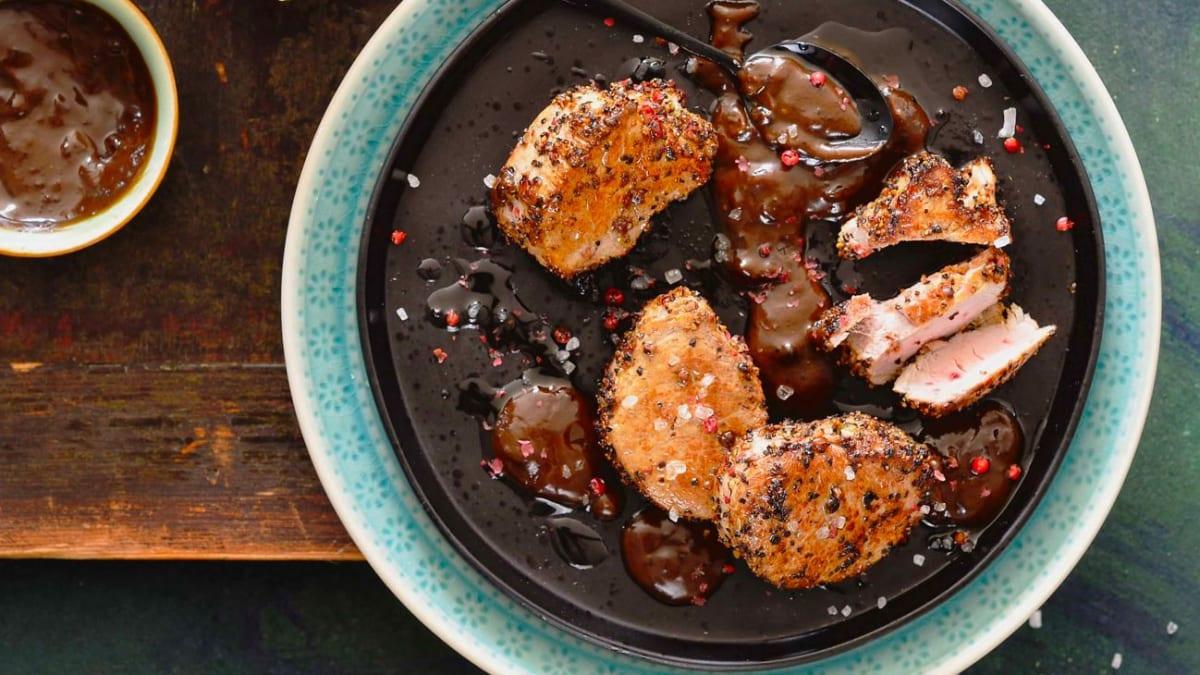
Wine and Garlic Pork is a delicious, savory dish that combines tender pork with the rich flavors of wine, fresh garlic, and aromatic herbs. The pork absorbs the wonderful seasoning as it cooks, creating a flavorful meal with a beautifully balanced sauce. Whether you are preparing dinner for your family or planning a special meal for guests, this recipe offers restaurant-style flavor using simple ingredients.
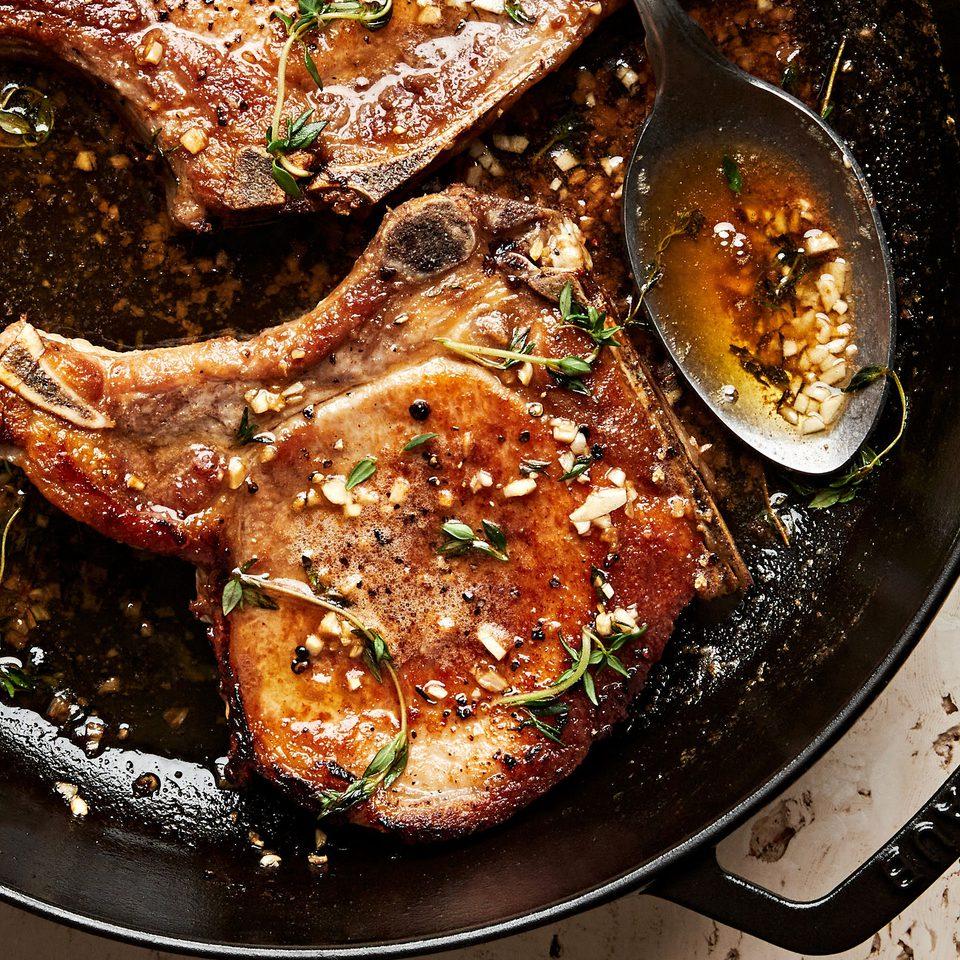
Wine and Garlic Pork:
One of the best things about Wine and Garlic Pork is its versatility. You can prepare it using pork chops, pork tenderloin, or boneless pork shoulder, depending on your preference. Garlic adds a deep, savory aroma, while wine brings acidity and complexity to the sauce. A little olive oil, black pepper, and fresh herbs help bring all the ingredients together.
This comforting pork dish pairs wonderfully with mashed potatoes, steamed rice, roasted vegetables, or crusty bread. It is suitable for a cozy weekend dinner or an elegant dinner party. With straightforward preparation and a delicious sauce, Wine and Garlic Pork is a wonderful recipe for anyone who enjoys hearty, flavorful meals.
History:
Cooking pork with wine and garlic draws inspiration from traditional European cooking, particularly Mediterranean and Portuguese cuisines, where wine, garlic, olive oil, and herbs are commonly used to season meat. These ingredients have long been valued for their ability to enhance the natural flavor of pork and create rich, aromatic sauces.Across different regions, cooks have developed their own versions of wine-based pork dishes. Some recipes use white wine for a lighter, brighter sauce, while others use red wine for deeper, more robust flavors. Garlic, rosemary, thyme, and bay leaves are popular additions that provide extra fragrance and complexity.Today, Wine and Garlic Pork remains a versatile home-cooked favorite. Although ingredients and cooking methods vary from kitchen to kitchen, the central idea remains the same: tender pork cooked with garlic and wine until the flavors come together beautifully.
Subscribe to our youtube channel Kitchenpedia for more delicious recipes and hit the like button if you enjoyed this youtubevideo. Share it with your friends and Family.
Wine and Garlic Pork

Ingredients
- 700 g boneless pork chops or pork tenderloin, cut into portions
- 6–8 garlic cloves, finely minced
- ¾ cup dry white wine
- 2 tablespoons olive oil
- 1 tablespoon butter
- ½ cup chicken broth or stock
- 1 teaspoon dried oregano
- 1 teaspoon fresh rosemary, chopped, or ½ teaspoon dried rosemary
- ½ teaspoon dried thyme
- 1 teaspoon paprika (optional)
- ¾ teaspoon salt, or to taste
- ½ teaspoon freshly ground black pepper
- 1 tablespoon lemon juice
- 1 tablespoon chopped fresh parsley
- 1 teaspoon cornstarch mixed with 1 tablespoon cold water (optional, for thickening)
Instructions
- Pat the pork dry using paper towels. If using pork tenderloin, cut it into thick medallions. Season both sides with salt, black pepper, paprika, oregano, and thyme.For extra flavor, allow the seasoned pork to rest for 20–30 minutes in the refrigerator. Bring it out just before cooking, keeping raw pork separate from ready-to-eat ingredients.
- Place a large skillet over medium-high heat and add the olive oil. Once the oil is hot, arrange the pork in a single layer.Sear the pork for approximately 3–5 minutes per side, depending on its thickness, until it develops a golden-brown crust. Work in batches if necessary to avoid overcrowding the pan.Transfer the browned pork to a clean plate. It does not need to be fully cooked at this stage because it will finish cooking in the sauce.
- Reduce the heat to medium and add the butter to the same skillet. Add the minced garlic and chopped rosemary.Cook for approximately 30–60 seconds, stirring frequently, until the garlic becomes fragrant. Avoid browning it too much, as burnt garlic can make the sauce bitter.
- Carefully pour the white wine into the skillet. Stir gently while scraping the browned bits from the bottom of the pan. These browned bits add excellent flavor to the sauce.Allow the wine to simmer for 2–3 minutes so that some of the liquid evaporates and the sharp alcohol aroma reduces.
- Pour in the chicken broth and add the lemon juice. Stir to combine the wine, garlic, herbs, and broth.Bring the mixture to a gentle simmer. Taste the sauce and adjust the salt and pepper if necessary. If you prefer a stronger herbal flavor, add a small amount of extra rosemary or thyme.
- Return the pork and any accumulated juices to the skillet. Reduce the heat to medium-low and partially cover the pan.Simmer gently until the pork is cooked through and tender. Cooking time depends on the cut and thickness, so use a food thermometer rather than relying on time alone.For whole pork chops, steaks, or tenderloin medallions, the recommended safe minimum internal temperature is 145°F (63°C), followed by a 3-minute rest. If using a tougher cut such as pork shoulder, it generally needs a longer cooking time to become tender.
- If you prefer a thicker sauce, stir the cornstarch and cold water together in a small bowl until smooth.Gradually add the mixture to the gently simmering sauce, stirring continuously. Cook for 1–2 minutes until the sauce reaches your desired consistency.
- Remove the skillet from the heat and sprinkle fresh parsley over the pork. Allow the meat to rest for 3 minutes if it has not already rested.Arrange the pork on a serving platter and spoon the garlic wine sauce over the top. Serve immediately with mashed potatoes, steamed rice, roasted vegetables, or crusty bread.
Notes
- Choose the right cut: Pork tenderloin and boneless pork chops work well for a relatively quick meal.
- Dry the meat first: Removing excess moisture helps the pork brown properly.
- Use dry wine: Dry white wine generally provides a balanced sauce without excessive sweetness.
- Avoid burning garlic: Garlic cooks quickly and can turn bitter when exposed to high heat for too long.
- Do not overcrowd the skillet: Cook the pork in batches if necessary to encourage browning.
- Check the temperature: Use a food thermometer to ensure whole cuts of pork reach 145°F (63°C), followed by a 3-minute rest.
- Adjust the sauce: Add broth if it becomes too concentrated, or simmer it longer if you want a stronger flavor.
- Store leftovers safely: Refrigerate leftovers in a covered container within 2 hours and consume within 3–4 days. Reheat thoroughly.
Tips for Wine and Garlic Pork:
- Marinate for deeper flavor: Combine a little olive oil, garlic, herbs, and black pepper for a short marinade. Refrigerate the pork while marinating.
- Sear in a hot pan: A well-heated skillet creates a flavorful golden crust and adds depth to the sauce.
- Use fresh garlic: Freshly minced garlic provides a more pronounced aroma than garlic powder.
- Select complementary herbs: Rosemary and thyme pair particularly well with pork and wine.
- Deglaze thoroughly: Scrape the browned bits from the skillet after adding wine to incorporate their flavor into the sauce.
- Keep the sauce at a gentle simmer: Excessively high heat can make the pork tough and reduce the sauce too quickly.
- Finish with freshness: A little lemon juice and fresh parsley brighten the rich, savory flavors.
- Serve with a suitable side: Creamy mashed potatoes, buttered rice, green beans, or roasted carrots make excellent accompaniments.
FAQs for Wine and Garlic Pork:
1. What type of wine is best for Wine and Garlic Pork?
Dry white wines such as Sauvignon Blanc or Pinot Grigio work well because they add acidity without excessive sweetness. A dry red wine can also be used for a deeper, richer flavor.
2. Can I make Wine and Garlic Pork without alcohol?
Yes. Replace the wine with chicken broth and add a little lemon juice or apple cider vinegar for acidity. The flavor will differ, but the result can still be delicious.
3. Can I use pork tenderloin instead of pork chops?
Absolutely. Slice the tenderloin into medallions and sear them briefly before finishing them in the sauce. Because tenderloin is lean, avoid overcooking it.
4. How do I keep pork tender and juicy?
Pat the meat dry, sear it over suitable heat, and avoid cooking it beyond the recommended temperature for whole cuts. Allow it to rest before serving.
5. Can I prepare this recipe ahead of time?
Yes. You can prepare the sauce and cook the pork ahead of time. Refrigerate them promptly, then reheat gently with a splash of broth to loosen the sauce.
6. What should I serve with Wine and Garlic Pork?
Mashed potatoes, steamed rice, roasted potatoes, green beans, sautéed spinach, and crusty bread all complement the garlic wine sauce.
7. Can I make this recipe in the oven?
Yes. Sear the pork in an oven-safe skillet, prepare the garlic wine sauce, and transfer the skillet to a preheated oven to finish cooking. Check the internal temperature to prevent overcooking.
8. How should I store leftover pork?
Place cooled leftovers in an airtight container and refrigerate within 2 hours. Consume within 3–4 days and reheat thoroughly before eating.
9. Can I use red wine instead of white wine?
Yes. Dry red wine creates a more robust sauce with deeper flavors. It pairs particularly well with pork shoulder or other richer cuts.
10. How can I make the sauce creamier?
Stir in a small amount of cream after the pork is cooked, then warm gently without boiling vigorously. This produces a richer, creamier sauce.
Conclusion:
Wine and Garlic Pork is a satisfying dish that combines tender meat, fragrant garlic, aromatic herbs, and a rich wine-infused sauce. Its simple preparation makes it suitable for everyday dinners, while its impressive flavor makes it a wonderful choice for entertaining guests.Serve this delicious pork recipe with your favorite side dishes and finish it with fresh parsley for a beautiful presentation. Whether you choose white wine for a lighter sauce or red wine for a deeper flavor, this versatile recipe can easily become a favorite in your home kitchen.