

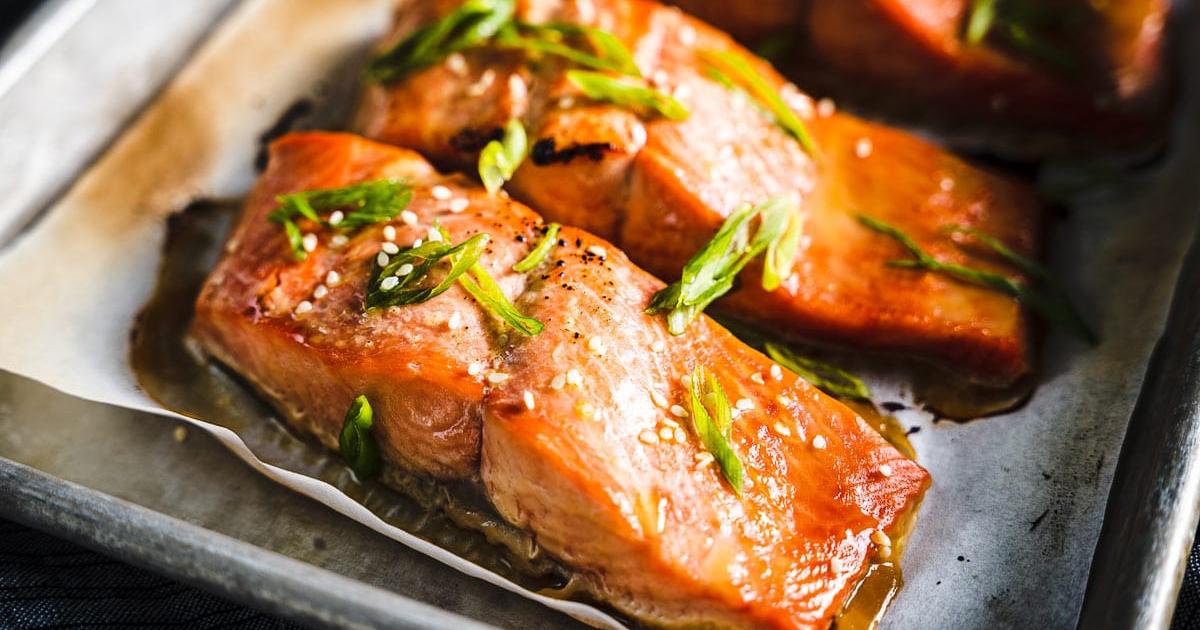
Miso Maple-Glazed Salmon is a delicious combination of sweet, savory, and umami-rich flavors that transforms ordinary salmon into an impressive meal. Tender salmon fillets are coated in a flavorful glaze made with miso paste, pure maple syrup, soy sauce, and fresh aromatics, then baked or broiled until beautifully caramelized. The result is a moist, flaky fish with a glossy coating that balances the natural richness of salmon with the deep, savory taste of miso and the gentle sweetness of maple syrup.
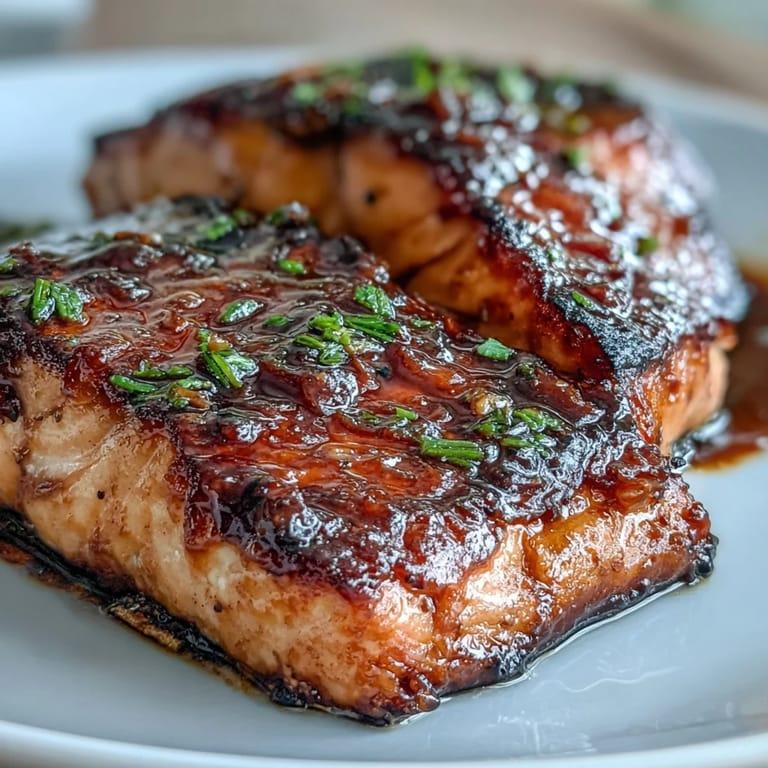
Miso Maple-Glazed Salmon:
One of the best things about this recipe is its simplicity. With just a handful of ingredients and minimal preparation, you can create a restaurant-style seafood dinner at home. Miso paste adds a distinctive fermented soybean flavor, while maple syrup helps the glaze caramelize during cooking. A little ginger, garlic, and rice vinegar can provide additional fragrance and balance, making every bite flavorful without overpowering the salmon.
Whether you’re preparing a quick weeknight dinner or planning a special meal for guests, Miso Maple-Glazed Salmon is an excellent choice. It pairs beautifully with steamed rice, roasted vegetables, sautéed greens, or a fresh cucumber salad. The recipe is also easy to customize according to your preferred sweetness and saltiness, making it a versatile addition to your regular meal rotation.
History:
Miso has been an important ingredient in Japanese cuisine for centuries. Made by fermenting soybeans, often with rice or barley, it is widely used in soups, marinades, sauces, and glazes. Japanese cooking traditions also include miso-marinated fish, in which the fermented paste adds depth of flavor and helps season the fish before cooking.Maple syrup, on the other hand, is traditionally associated with North American cuisine, particularly Canada and the northeastern United States. Its rich sweetness and caramel-like notes make it a natural partner for savory ingredients.Miso Maple-Glazed Salmon is a modern fusion-style preparation that brings these flavors together. Although it is not a traditional Japanese dish, it draws inspiration from Japanese miso-based fish preparations and combines them with the sweetness of maple syrup. Today, this pairing is popular in contemporary home cooking because it is easy to prepare and delivers an elegant balance of flavors.
Subscribe to our youtube channel Kitchenpedia for more delicious recipes and hit the like button if you enjoyed this youtubevideo. Share it with your friends and Family.
Miso Maple-Glazed Salmon

Ingredients
For the Salmon
- 4 salmon fillets, approximately 6 ounces (170 g) each
- 1 teaspoon neutral cooking oil, for greasing if needed
For the Miso Maple Glaze
- 2 tablespoons white miso paste
- 2 tablespoons pure maple syrup
- 1 tablespoon soy sauce
- 1 tablespoon rice vinegar
- 1 teaspoon freshly grated ginger
- 1 garlic clove, finely minced
- 1 teaspoon sesame oil
- 1 teaspoon fresh lime juice, optional
For Garnishing
- 1 teaspoon sesame seeds
- 2 green onions, thinly sliced
- Lime wedges, for serving
- Fresh cilantro, optional
Instructions
- Preheat your oven to 400°F (200°C). Line a baking tray with parchment paper or lightly grease an oven-safe baking dish. Arrange the salmon fillets skin-side down, if the skin is still attached.Pat the salmon dry with paper towels. This helps the glaze adhere evenly and allows the surface to cook properly.
- In a small bowl, whisk together the white miso paste, maple syrup, soy sauce, rice vinegar, grated ginger, minced garlic, and sesame oil. Stir until the mixture is smooth and well combined.Taste a small amount of the glaze and adjust it if needed. Add a little more maple syrup for sweetness or rice vinegar for extra brightness. Remember that miso and soy sauce are already salty, so additional salt is usually unnecessary.
- Brush the glaze generously over the top and sides of each salmon fillet. If you have time, let the salmon marinate in the refrigerator for about 15 minutes to allow the flavors to develop.Avoid marinating for excessively long periods because the salt in the miso and soy sauce can make the fish too salty. Reserve a little fresh glaze before it touches the raw fish if you would like extra sauce for serving.
- Place the tray in the preheated oven and bake for approximately 12–15 minutes, depending on the thickness of the fillets.The glaze should look glossy, and the salmon should begin to flake easily with a fork. Thicker pieces may need additional cooking time, while thinner fillets may cook more quickly.For food safety, cook salmon to an internal temperature of 145°F (63°C) at its thickest point, measured with a food thermometer.
- For extra color, switch the oven to broil for the final 1–2 minutes, watching carefully. The maple syrup can burn quickly, so do not leave the salmon unattended.Remove the salmon once the glaze is lightly caramelized and the fish is cooked through. Allow it to rest for a couple of minutes before serving.
- Sprinkle the salmon with sesame seeds and sliced green onions. Add a squeeze of fresh lime juice if desired, then serve with steamed rice, roasted broccoli, sautéed spinach, or your favorite vegetables.Spoon any reserved, unused glaze over the fish just before serving for an extra layer of sweet and savory flavor.
Notes
- Choose fresh or properly thawed salmon: Both fresh and frozen salmon work well. If using frozen fillets, thaw them safely in the refrigerator before cooking.
- Use white miso for a mild flavor: White miso generally has a gentler, sweeter taste than darker varieties.
- Pat the fish dry: Removing excess moisture helps the glaze cling to the salmon.
- Balance the glaze: Maple syrup adds sweetness, while rice vinegar brings acidity to balance the rich fish.
- Avoid excessive marinating: A short marinating period is enough to add flavor without making the salmon overly salty.
- Watch the broiler carefully: The sugar in maple syrup can burn quickly under high heat.
- Check the thickest part: Use a food thermometer to ensure the salmon reaches a safe internal temperature of 145°F (63°C).
- Serve with fresh garnishes: Sesame seeds, green onions, and lime provide texture, color, and freshness
Tips for Miso Maple-Glazed Salmon:
- Use pure maple syrup: It provides a rich, natural sweetness that complements miso.
- Whisk the glaze thoroughly: A smooth mixture ensures even seasoning across the fish.
- Adjust for your miso: Different miso brands vary in saltiness, so taste the glaze before applying it.
- Leave space between fillets: Proper airflow helps the salmon cook evenly.
- Reserve glaze before marinating: Keep some untouched sauce for serving rather than reusing marinade that has contacted raw fish.
- Avoid overcooking: Salmon becomes dry when cooked for too long. Check the temperature near the end of the estimated cooking time.
- Use the broiler for color: A brief finish under the broiler creates attractive caramelized edges.
- Prepare complementary sides: Steamed jasmine rice, brown rice, roasted asparagus, or sesame broccoli makes this dish a satisfying meal.
FAQs for Miso Maple-Glazed Salmon:
1. What does miso maple-glazed salmon taste like?
It tastes savory, slightly sweet, and rich, with a deep umami flavor from miso. Maple syrup creates a glossy glaze, while ginger, garlic, and rice vinegar add aromatic notes and balance.
2. Can I use a different type of miso?
Yes. White miso is ideal for a mild flavor, but yellow or red miso can also be used. Darker varieties are generally stronger and saltier, so start with a smaller quantity and adjust to taste.
3. Can I make miso maple-glazed salmon in an air fryer?
Yes. Preheat the air fryer to approximately 375°F (190°C), arrange the glazed fillets in a single layer, and cook for around 8–12 minutes, depending on thickness and appliance performance. Check the thickest part with a food thermometer and cook to 145°F (63°C).
4. Can I prepare the glaze ahead of time?
Yes. Mix the glaze and store it in an airtight container in the refrigerator for up to three days, provided the ingredients are fresh and handled safely. Stir before using.
5. Is this recipe gluten-free?
It can be. Use certified gluten-free miso paste and replace regular soy sauce with gluten-free tamari. Check all ingredient labels to confirm suitability.
6. Can I use frozen salmon?
Yes. Thaw it in the refrigerator, then pat it dry before applying the glaze. Cooking time depends on the thickness of the fillets.
7. What should I serve with miso maple-glazed salmon?
Steamed rice, quinoa, roasted broccoli, asparagus, sautéed spinach, cucumber salad, and sesame green beans all complement the sweet and savory glaze.
8. How do I store and reheat leftovers?
Refrigerate leftover salmon in an airtight container within two hours of cooking and consume it within three to four days. Reheat gently in an oven at 300°F (150°C) until heated through, or use a microwave at reduced power. Avoid prolonged reheating, which can dry out the fish.
Conclusion:
Miso Maple-Glazed Salmon is a simple yet impressive dish that combines the savory depth of Japanese miso with the natural sweetness of maple syrup. The result is tender, flaky salmon coated in a glossy glaze that makes every bite flavorful and satisfying.With minimal preparation and everyday cooking equipment, this recipe is ideal for busy weeknights, special dinners, or anyone looking to add more seafood to their meals. Serve it with steamed rice and fresh vegetables for a balanced dinner, or customize the glaze with ginger, garlic, and lime to suit your taste.Try this Miso Maple-Glazed Salmon recipe for a delicious blend of sweet, savory, and umami flavors that brings restaurant-style cooking into your home.