

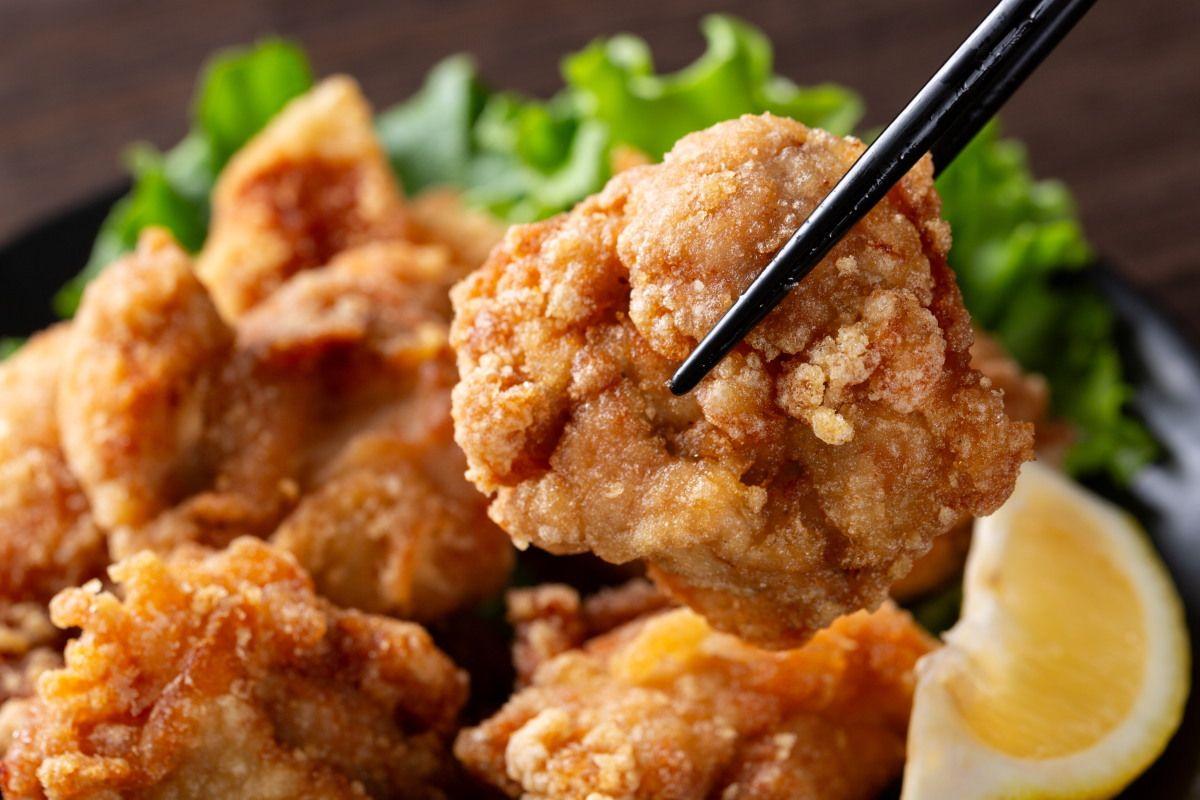
Chicken Karaage is one of Japan’s most beloved fried chicken dishes, famous for its irresistibly crispy exterior, juicy interior, and rich, savory flavor. Made with bite-sized pieces of chicken marinated in soy sauce, ginger, garlic, and other seasonings, this Japanese specialty is coated in potato starch and fried until beautifully golden. Every bite delivers a satisfying crunch followed by tender, flavorful chicken that makes this dish a favorite among fried-food lovers.
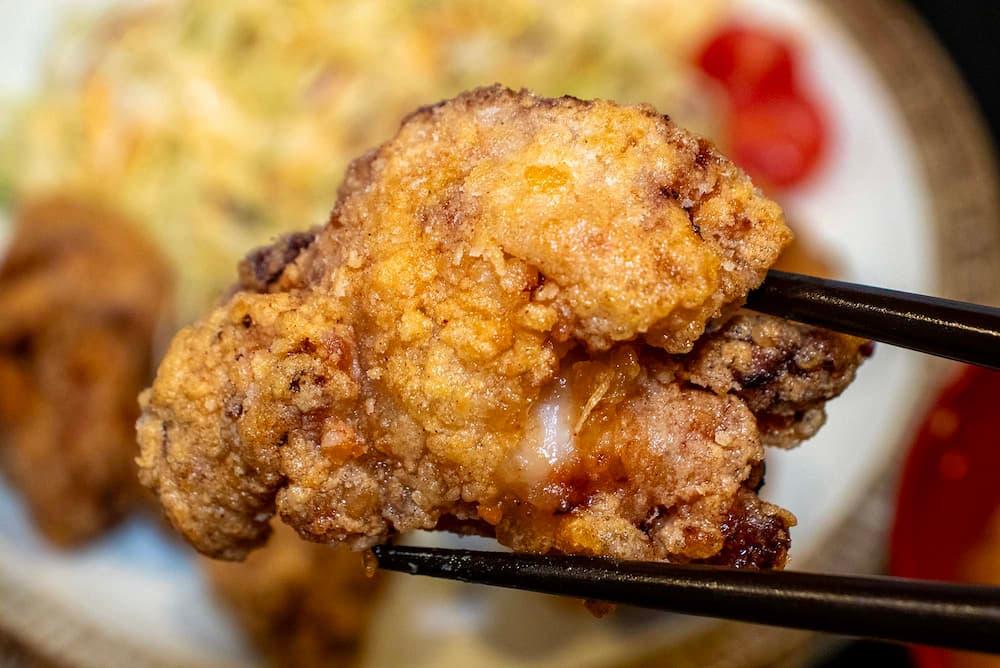
Chicken Karaage:
Unlike many Western-style fried chicken recipes that use a thick flour-based batter, traditional Japanese Karaage often relies on a light coating of potato starch or a combination of potato starch and flour. This creates a delicate, crisp crust that contrasts wonderfully with the moist chicken inside. The marinade is equally important because it allows the seasonings to penetrate the chicken, giving the finished dish its distinctive Japanese flavor.
Chicken Karaage is versatile enough to serve as a main course, appetizer, party snack, or lunchbox favorite. It is commonly enjoyed with fresh lemon wedges, shredded cabbage, steamed rice, or Japanese mayonnaise. Although it is popular in Japanese restaurants, you can easily recreate this delicious dish at home with simple ingredients and a few essential cooking techniques. Once you master the marinade, coating, and frying process, homemade Chicken Karaage can become a regular favorite in your kitchen.
History:
Karaage is a Japanese cooking technique in which ingredients are lightly coated, commonly with flour or starch, and deep-fried. Although the technique can be used with different foods, chicken has become one of its most recognizable versions.Japanese fried-food traditions developed through centuries of culinary exchange, including influences from Chinese cooking methods. Chicken Karaage became increasingly popular in Japan during the twentieth century, particularly as chicken became more widely available. It gradually found a place in restaurants, neighborhood eateries, home kitchens, and Japanese lunchboxes.Today, Chicken Karaage is enjoyed throughout Japan, from casual izakaya pubs to convenience stores and family restaurants. Its combination of ginger, garlic, soy sauce, and a crisp starch coating has also made it popular internationally. While recipes vary from household to household, the goal remains the same: deeply flavorful chicken with a light, crunchy crust.
Subscribe to our youtube channel Kitchenpedia for more delicious recipes and hit the like button if you enjoyed this youtubevideo. Share it with your friends and Family.
Chicken Karaage (Japanese Fried Chicken)

Ingredients
For the Chicken Marinade
- 1½ pounds (680 g) boneless, skinless chicken thighs
- 2 tablespoons soy sauce
- 1 tablespoon mirin, optional
- 1 tablespoon sake, optional
- 1 tablespoon freshly grated ginger
- 2 garlic cloves, finely minced
- ½ teaspoon sesame oil
- ¼ teaspoon freshly ground black pepper
For the Coating and Frying
- ¾ cup potato starch
- Vegetable, canola, or another suitable neutral oil, for deep-frying
- 1 lemon, cut into wedges
- Japanese mayonnaise, for serving (optional)
- Shredded cabbage, for serving (optional)
- Sliced green onions, for garnish (optional)
Instructions
- Pat the chicken thighs dry with paper towels and cut them into evenly sized, bite-sized pieces, approximately 1½ inches each. Chicken thighs are particularly suitable because their higher fat content helps keep the meat juicy during frying.
- In a large bowl, combine the soy sauce, sake, mirin, grated ginger, minced garlic, sesame oil, and black pepper. Mix well to distribute the seasonings evenly.
- Add the chicken pieces to the marinade and toss until every piece is coated. Cover the bowl and refrigerate for at least 30 minutes. For a deeper flavor, you can marinate it for up to a few hours.Keep the chicken refrigerated throughout marination. Avoid leaving raw chicken at room temperature for an extended period.
- Remove the chicken from the refrigerator. Let excess marinade drip off each piece, then coat the chicken thoroughly in potato starch. Shake off any heavy excess and place the coated pieces on a clean tray.For a crispier coating, fry the chicken shortly after coating it rather than allowing the starch to become excessively wet.
- Pour enough oil into a heavy-bottomed pot or deep pan to allow the chicken pieces to be submerged safely. Heat the oil to approximately 325–340°F (163–171°C).Use a kitchen thermometer to monitor the temperature. Avoid filling the pot more than halfway with oil to reduce the risk of overflow.
- Carefully lower a small batch of chicken pieces into the hot oil using tongs or a slotted spoon. Fry for approximately 4–6 minutes, depending on their size and thickness, turning as needed for even browning.Do not overcrowd the pan, as adding too many pieces at once can lower the oil temperature and make the coating greasy.
- Transfer the chicken to a wire rack set over a tray, or to a paper towel-lined plate. Allow the pieces to rest briefly while you finish cooking the remaining batches.For a more deeply golden, extra-crispy finish, you can use a traditional double-frying method: after the first fry, let the chicken rest for a few minutes, then fry it briefly again at approximately 350–375°F (177–191°C). Ensure the chicken reaches an internal temperature of 165°F (74°C).
- Arrange the hot Chicken Karaage on a serving plate. Add lemon wedges, shredded cabbage, and Japanese mayonnaise if desired. Finish with sliced green onions and serve immediately while the coating is at its crispiest.
Notes
- Use chicken thighs: They generally remain juicier than chicken breast during frying, although either cut can be used.
- Cut evenly: Uniform pieces help the chicken cook at the same rate.
- Marinate for flavor: Ginger, garlic, and soy sauce create the characteristic savory taste of Karaage.
- Choose potato starch: It helps produce the light, crunchy coating associated with Japanese fried chicken.
- Fry in small batches: Overcrowding lowers the oil temperature and can lead to greasy chicken.
- Use a thermometer: Check the oil temperature and verify that the thickest chicken pieces reach 165°F (74°C).
- Drain on a wire rack: Air circulation helps preserve the crispy crust.
- Serve immediately: Karaage is at its best shortly after frying, when the coating is hot and crunchy.
Tips for Chicken Karaage:
- Grate fresh ginger: Fresh ginger provides a bright, aromatic flavor that complements the chicken.
- Avoid excessive marinade: Too much liquid on the surface can make the starch coating soggy.
- Coat each piece separately: An even layer of starch creates a more consistent crust.
- Maintain the oil temperature: Allow the oil to return to the target temperature between batches.
- Try double-frying: A second, brief fry can help create a crispier exterior.
- Do not cover the cooked chicken: Trapped steam softens the crust.
- Season thoughtfully: Soy sauce already contains salt, so taste the finished dish before adding extra.
- Add lemon just before eating: Fresh lemon juice brightens the rich, savory chicken without softening the coating during storage.
FAQs for Chicken Karaage:
1. What is Chicken Karaage?
Chicken Karaage is a Japanese fried chicken dish made by marinating bite-sized chicken pieces, coating them in starch, and frying them until golden and crispy. Ginger, garlic, and soy sauce commonly provide its signature flavor.
2. What makes Chicken Karaage different from regular fried chicken?
Karaage typically uses a seasoned marinade and a relatively light starch coating rather than a thick flour-and-buttermilk crust. This produces a delicate, crunchy exterior and a juicy interior.
3. Can I use chicken breast instead of thighs?
Yes. Chicken breast works well, but it is leaner and can dry out more easily. Cut it into evenly sized pieces and avoid overcooking.
4. Can I make Chicken Karaage without potato starch?
Yes. Cornstarch is a convenient alternative. All-purpose flour can also be used, although it generally creates a different, less delicate crust.
5. Can I cook Chicken Karaage in an air fryer?
Yes. Lightly coat the marinated, starch-covered chicken with cooking oil and arrange the pieces in a single layer in a preheated air fryer. Cook at approximately 390°F (200°C) for 12–18 minutes, turning halfway through. Cooking time varies by appliance and piece size, so verify that the chicken reaches 165°F (74°C). The result may be less crisp than deep-fried Karaage.
6. Why is my Chicken Karaage not crispy?
Common reasons include excess moisture, an oil temperature that is too low, overcrowding, or covering the chicken after frying. Drying the surface, frying in small batches, and using a wire rack can improve the texture.
7. Can I prepare Chicken Karaage ahead of time?
Yes. You can marinate the chicken in advance and keep it refrigerated. For the best coating, apply the starch shortly before frying. Cooked Karaage can also be refrigerated and reheated in an oven or air fryer to restore some crispness.
8. What should I serve with Chicken Karaage?
Chicken Karaage pairs well with steamed rice, Japanese potato salad, shredded cabbage, miso soup, pickled vegetables, cucumber salad, and lemon wedges. It also works beautifully in bento lunchboxes.
Conclusion:
Chicken Karaage is a delicious Japanese comfort food that combines a flavorful marinade, a delicate crispy coating, and juicy chicken in every bite. With simple ingredients such as soy sauce, ginger, garlic, and potato starch, you can recreate this popular Japanese favorite in your own kitchen.The secret to excellent Karaage is allowing the chicken to absorb the marinade, coating it evenly, maintaining the correct frying temperature, and avoiding overcrowding the pan. A brief second fry can provide an even crispier finish, making this dish especially satisfying when served fresh.Enjoy your homemade Chicken Karaage with lemon wedges, steamed rice, or your favorite Japanese side dishes. Whether you serve it as a family dinner, a party appetizer, or a lunchbox treat, this crispy Japanese fried chicken is sure to become a favorite.