
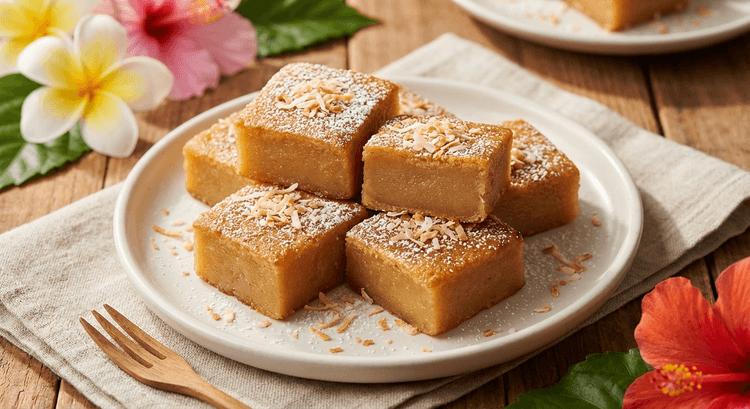
Victor’s Non-Dairy Hawaiian Coconut Mochi Cake is a delightful island-inspired dessert that combines the irresistible chewiness of traditional mochi with the rich, tropical flavor of coconut. Made with glutinous rice flour and creamy coconut milk, this cake has a uniquely soft, slightly springy texture that sets it apart from ordinary cakes. Its golden exterior and tender interior make it a wonderful treat for anyone who enjoys discovering new desserts.
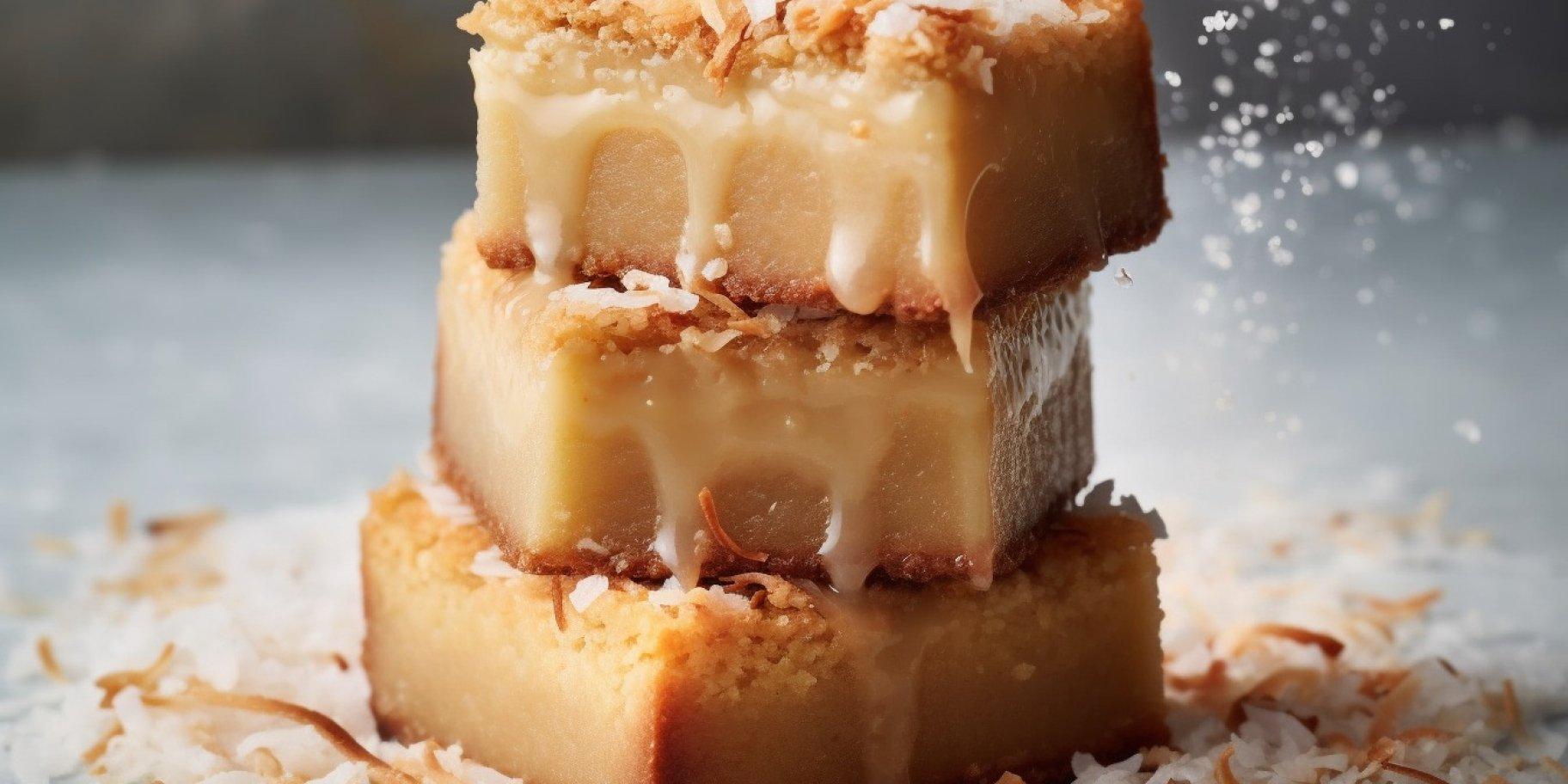
Victor’s Non-Dairy Hawaiian Coconut Mochi Cake:
One of the best features of this non-dairy coconut mochi cake is that it delivers plenty of richness without requiring milk, cream, or butter. Coconut milk provides a luscious texture and fragrant tropical flavor, while sugar adds sweetness and complements the subtle taste of rice flour. The simple batter comes together easily, making this recipe suitable for home bakers who want to prepare something special without complicated techniques.
Whether you are planning a Hawaiian-themed party, preparing a dessert for a family gathering, or simply craving a chewy coconut treat, this mochi cake is an excellent choice. Serve it as an afternoon snack, a festive dessert, or a sweet addition to a potluck table. With its distinctive texture, easy preparation, and tropical character, Victor’s Non-Dairy Hawaiian Coconut Mochi Cake can become a memorable addition to your homemade dessert collection.
History:
Mochi has a long history in Japanese cuisine and is traditionally made from glutinous rice that is pounded into a sticky, elastic dough. Over generations, mochi has developed into many sweet and savory preparations, including filled rice cakes and baked desserts.Hawaii has a diverse culinary heritage shaped by Native Hawaiian traditions and influences from Japanese, Chinese, Filipino, Portuguese, and other immigrant communities. Japanese immigrants brought mochi-making traditions to the islands, where local ingredients and tastes inspired new variations.Hawaiian butter mochi is one well-known example of this culinary blending. It commonly uses mochiko, a finely milled glutinous rice flour, along with coconut milk, sugar, eggs, and butter. Non-dairy versions adapt this beloved dessert by replacing dairy ingredients with plant-based alternatives, particularly coconut milk and vegetable oil.Victor’s Non-Dairy Hawaiian Coconut Mochi Cake follows this island-inspired tradition. Although the exact history of Victor’s named recipe is not independently established here, the dessert reflects Hawaii’s popular combination of chewy rice-flour cakes and tropical coconut flavour.
Subscribe to our youtube channel Kitchenpedia for more delicious recipes and hit the like button if you enjoyed this youtubevideo. Share it with your friends and Family.
Victor’s Non-Dairy Hawaiian Coconut Mochi Cake

Ingredients
Dry ingredients
- 1 pound (approximately 454 g) mochiko or glutinous rice flour
- 1½ cups granulated sugar
- 2 teaspoons baking powder
- ¼ teaspoon salt
Wet ingredients
- 2 cans (13.5 ounces each) full-fat coconut milk
- 3 large eggs, at room temperature
- ½ cup neutral vegetable oil
- 1 teaspoon vanilla extract
Optional toppings
- ¼ cup unsweetened shredded coconut
- 2 tablespoons toasted coconut flakes
- A light dusting of powdered sugar, if desired
Instructions
- Preheat your oven to 350°F (175°C). Lightly grease a 9-by-13-inch baking pan with vegetable oil or line it with parchment paper.Prepare the pan before mixing the batter so that you can pour the mixture immediately after combining the ingredients.
- In a large mixing bowl, add the mochiko flour, granulated sugar, baking powder, and salt. Whisk thoroughly until all the ingredients are evenly distributed.Breaking up any lumps in the rice flour at this stage helps create a smoother batter and a more consistent cake texture.
- In a separate bowl, whisk together the coconut milk, eggs, vegetable oil, and vanilla extract until smooth.Make sure the coconut milk is well mixed before measuring or pouring it, as the thicker coconut cream may separate from the liquid during storage.
- Gradually pour the wet mixture into the dry ingredients while whisking continuously. Mix until the batter is smooth and free from large flour lumps.The batter should be relatively fluid compared with conventional cake batter. This is normal because glutinous rice flour absorbs moisture as the cake bakes.Avoid adding extra flour simply because the batter looks thin.
- Pour the prepared batter into the greased baking pan. Gently tap the pan on the countertop to release large air bubbles and help the batter settle evenly.If desired, sprinkle a little shredded coconut over the surface for added texture and coconut flavor.
- Place the pan on the center rack of the preheated oven. Bake for approximately 55–65 minutes, or until the top is golden brown and the center is set.The exact baking time depends on your oven and the pan used. The cake should no longer look liquid in the center, and the surface should have a lightly crisp appearance.If the top browns too quickly, loosely cover it with aluminum foil during the final part of baking.
- Remove the cake from the oven and place the pan on a wire rack. Let it cool for at least 45 minutes before cutting.Cooling is especially important for mochi cake because the interior continues to firm up as it rests. Cutting it too early may produce sticky, uneven squares.
- Once the cake has cooled, use a lightly oiled knife to cut it into 12 squares. For cleaner cuts, wipe the knife between slices.Sprinkle toasted coconut flakes over the pieces if desired. Serve at room temperature for a chewy texture, or enjoy the cake slightly warm for a softer, more tender bite.
Notes
-
Use glutinous rice flour: Mochiko or another suitable glutinous rice flour creates the characteristic chewy texture. Ordinary rice flour is not an equivalent substitute.
-
Choose full-fat coconut milk: Full-fat coconut milk generally produces a richer and more tender cake.
-
Mix the coconut milk well: Coconut milk can separate in the can, so stir or shake it thoroughly before using.
-
Avoid overbaking: Excessive baking can make the edges too hard and the interior less tender.
-
Allow enough cooling time: The cake needs time to firm up before slicing.
-
Grease the knife lightly: Mochi cake is naturally sticky, and a lightly oiled knife can make cutting easier.
-
Check dietary labels: Confirm that your rice flour, baking powder, and other packaged ingredients meet your dietary needs.
-
Remember that non-dairy does not mean allergen-free: Coconut, eggs, and other ingredients may still be unsuitable for people with particular allergies.
Tips for Hawaiian Coconut Mochi Cake:
- Whisk the flour thoroughly: Evenly distributed dry ingredients help the cake bake consistently.
- Use room-temperature eggs: They combine more easily with the coconut milk and oil.
- Avoid unnecessary substitutions: Changing the flour type or liquid proportions can significantly affect the chewy texture.
- Use parchment paper: Lining the pan can make removing the cooled cake much easier.
- Watch the final baking stage: Begin checking for doneness around 50 minutes, then continue baking if needed.
- Add toasted coconut: Toasted coconut provides a pleasant aroma and a little extra texture.
- Cut into small squares: Mochi cake is rich and chewy, so small portions are ideal for serving at parties.
- Store it properly: Keep the cake covered to prevent it from drying out, and refrigerate it when keeping it beyond a short period at room temperature.
FAQs for Hawaiian Coconut Mochi Cake:
1. What is Hawaiian Coconut Mochi Cake?
Hawaiian Coconut Mochi Cake is a chewy baked dessert typically made with glutinous rice flour, coconut milk, sugar, and other baking ingredients. It is inspired by the popular Hawaiian butter mochi tradition.
2. Is this recipe completely dairy-free?
Yes, the listed ingredients contain no dairy milk, butter, or cream. However, check ingredient labels for cross-contact warnings if you have a dairy allergy.
3. Is mochi cake gluten-free?
Glutinous rice flour is naturally gluten-free. However, verify the packaging and all other ingredients if you need to avoid gluten because of celiac disease or an allergy.
4. Does glutinous rice flour contain gluten?
No. Despite its name, glutinous rice flour does not contain gluten. The word “glutinous” refers to the sticky, chewy texture of the cooked rice.
5. Can I make this cake without eggs?
Yes, but the texture may change. Use a tested commercial egg replacer or a reliable vegan mochi cake recipe designed without eggs. Replacing eggs with an arbitrary amount of liquid may produce a gummy or poorly structured cake.
6. Why is my mochi cake too sticky?
Mochi cake is naturally chewy and slightly sticky. However, it may seem excessively sticky if it has not cooled sufficiently, is underbaked, or contains too much moisture. Allow it to cool completely and check the center for doneness.
7. Can I use light coconut milk?
Yes, but the cake may be less rich and may have a slightly different texture. Full-fat coconut milk is generally the better choice for a creamy, tender result.
8. How should I store coconut mochi cake?
Keep it in an airtight container. For longer storage, refrigerate it and consume it within about 4–5 days. Refrigeration can make mochi cake firmer, so allow a piece to come closer to room temperature before serving.
9. Can I freeze Hawaiian Coconut Mochi Cake?
Yes. Cut the cooled cake into individual squares, wrap them well, and place them in a freezer-safe container. For the best quality, use within about 2 months. Thaw in the refrigerator or at room temperature, then warm gently if desired.
10. What can I add to coconut mochi cake for extra flavor?
You can add toasted coconut, a little vanilla extract, or a small amount of finely grated lime zest. Keep additional ingredients modest so they do not interfere with the cake’s moisture and chewy texture.
11. Can I prepare the batter in advance?
For the best texture, bake the batter soon after mixing. If prepared too far ahead, the flour may settle and the leavening may become less effective. Mixing and baking fresh is the simplest approach.
12. What is the difference between mochi cake and regular cake?
Regular cakes are usually made with wheat flour and have a light, crumbly crumb. Mochi cake uses glutinous rice flour, which produces a denser, springier, and distinctly chewy texture.
Conclusion:
Victor’s Non-Dairy Hawaiian Coconut Mochi Cake is a delicious tropical dessert that celebrates the chewy texture of mochi and the rich flavor of coconut. With glutinous rice flour, creamy coconut milk, and a few simple ingredients, this cake offers a delightful alternative to traditional wheat-flour desserts.Its golden exterior, soft interior, and satisfying chewiness make it perfect for family gatherings, potlucks, celebrations, and everyday sweet treats. Whether you serve it plain or finish it with toasted coconut, this Hawaiian-inspired recipe is an enjoyable way to bring island-style baking into your kitchen.Prepare a batch, allow it to cool completely, and cut it into small squares for an easy dessert that coconut and mochi lovers can enjoy together.