

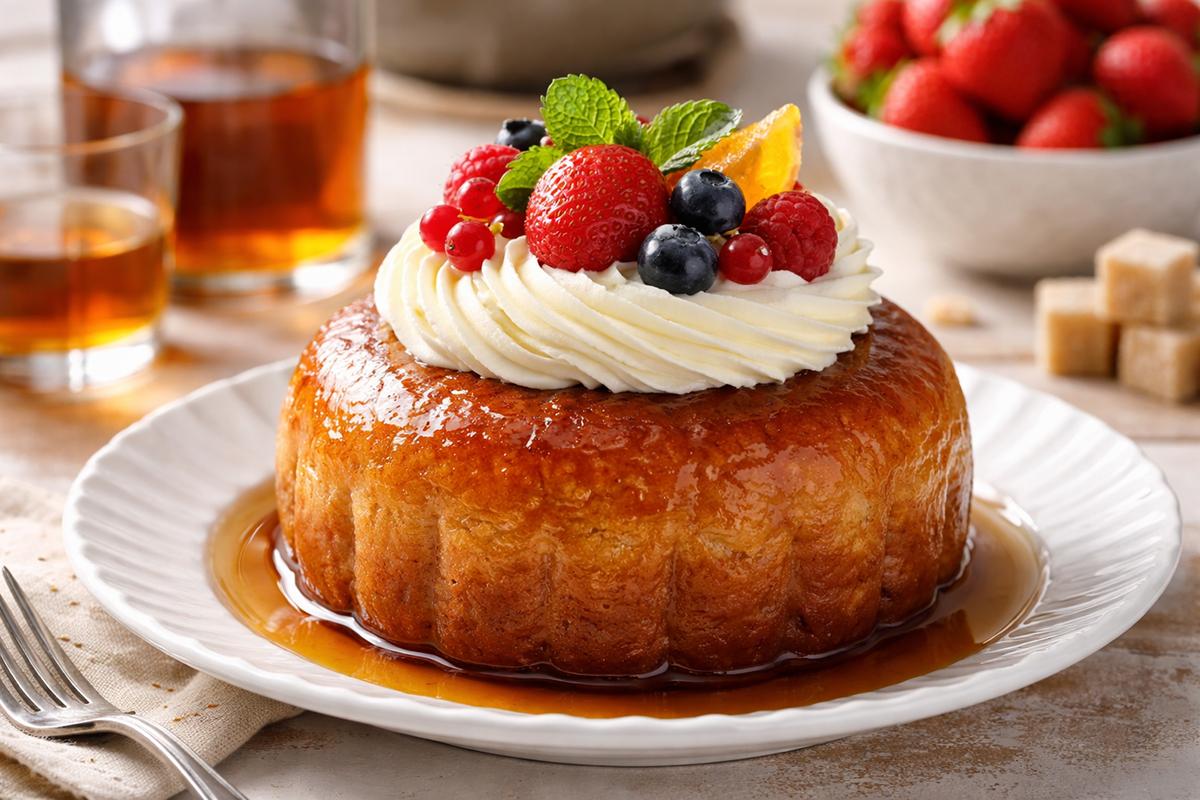
Nada’s Baba Cake is a delightful dessert inspired by the classic baba cake, a soft, yeast-leavened pastry known for its light texture and ability to absorb delicious syrup. With its golden exterior, tender crumb, and sweet, moist finish, this cake is a wonderful choice for dessert lovers who enjoy traditional European-style baking. Served at family gatherings, celebrations, or afternoon tea, baba cake offers a simple yet elegant treat that feels special with every bite.
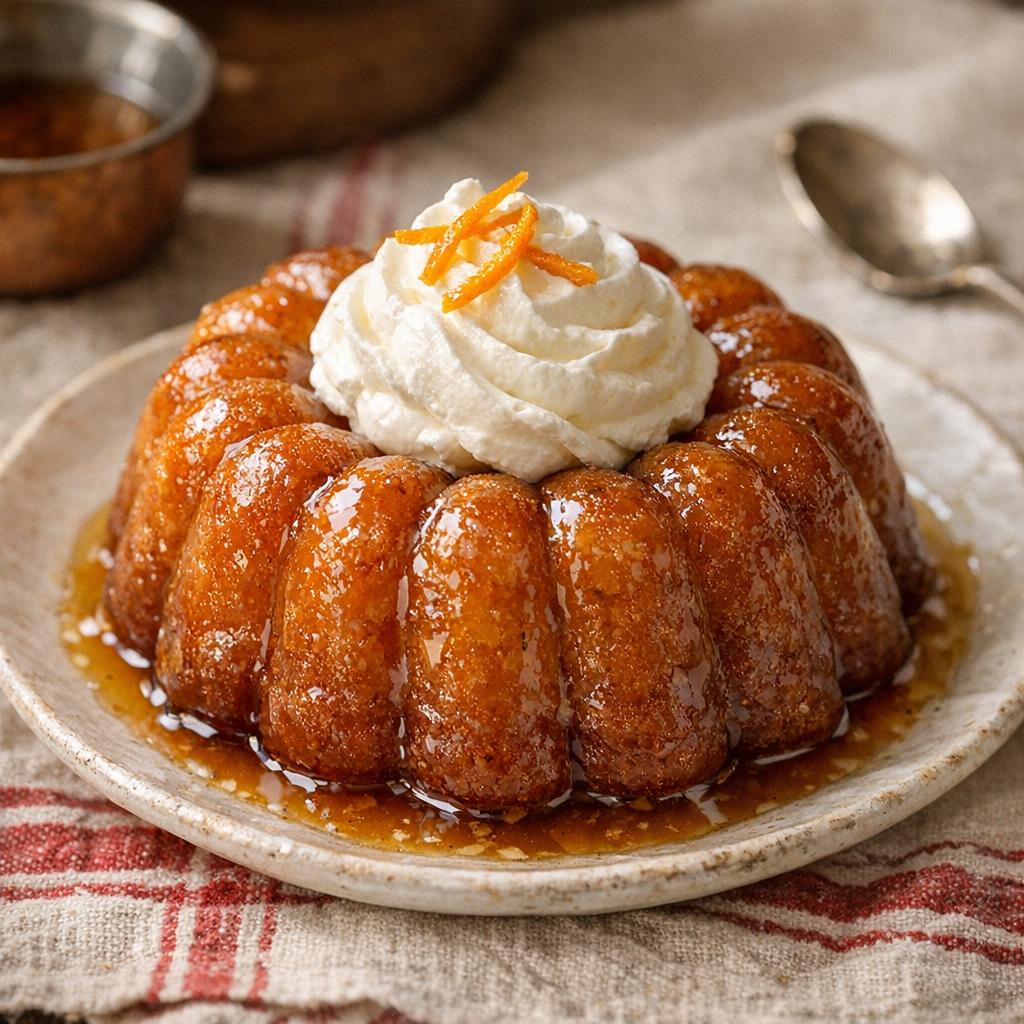
Nada’s Baba Cake:
One of the most appealing features of baba cake is its airy texture. Unlike dense butter cakes, a traditional baba is prepared with yeast, which gives the dough a delicate, bread-like structure. After baking, the cake is soaked in a sweet syrup that penetrates the crumb, making it moist and flavorful. Depending on the recipe, the syrup may include vanilla, citrus zest, or a little rum, while whipped cream and fresh fruit can provide an attractive finishing touch.
If you want to prepare Nada’s Baba Cake at home, this approachable recipe offers a delicious introduction to syrup-soaked baking. The dough requires some resting time, but the ingredients are straightforward and the method is manageable for home bakers. Serve the finished cake chilled or at room temperature for a delicious dessert that combines a soft texture, fragrant syrup, and a beautiful presentation.
History:
Baba cake is associated with European baking traditions, particularly French and Polish culinary history. One popular account connects the dessert to Stanisław Leszczyński, the eighteenth-century Polish king whose culinary circle is often credited with helping inspire the baba tradition. The pastry later became popular in France, where it developed into the baba au rhum, a yeast-raised cake soaked in rum syrup.Traditional baba cakes are usually baked in individual molds or larger ring-shaped molds. Their open, airy crumb makes them particularly suitable for absorbing syrup without immediately falling apart. Over time, bakers have created numerous variations using citrus syrups, fruit garnishes, whipped cream, and different flavorings.Nada’s Baba Cake, as named here, may refer to a particular family or recipe variation. Without a verified source for that exact version, its specific origin and traditional ingredients cannot be confirmed. The recipe below is a homemade interpretation inspired by classic syrup-soaked baba cake, offering a soft pastry and fragrant vanilla-citrus syrup.
Subscribe to our youtube channel Kitchenpedia for more delicious recipes and hit the like button if you enjoyed this youtubevideo. Share it with your friends and Family.
Nada’s Baba Cake

Ingredients
For the cake
- 2 cups all-purpose flour
- 2 tablespoons granulated sugar
- 2¼ teaspoons active dry yeast
- ½ teaspoon salt
- ½ cup warm milk
- ¼ cup unsalted butter, softened
- 1 teaspoon vanilla extract
For the vanilla-citrus syrup
- 1½ cups water
- ¾ cup granulated sugar
- 1 teaspoon vanilla extract
- 2 strips of orange zest
- 1 tablespoon fresh lemon juice, optional
- 2–3 tablespoons rum, optional
For decoration
- 1 cup whipped cream, optional
- Fresh strawberries or raspberries
- Orange slices or other fresh fruit
- A light dusting of powdered sugar, optional
Instructions
- Pour the warm milk into a small bowl. The milk should feel comfortably warm rather than hot, ideally around 100–110°F (38–43°C). Stir in the yeast and a small pinch of the sugar.Let the mixture stand for approximately 5–10 minutes until it becomes foamy. This indicates that the yeast is active and ready to use.If the mixture does not foam, check the yeast's freshness before continuing.
- In a large mixing bowl, combine the flour, remaining sugar, and salt. Add the eggs, vanilla extract, and activated yeast mixture.Mix until a thick, sticky dough forms. Because baba dough is softer than many conventional bread doughs, it may not resemble a firm dough at this stage.
- Add the softened butter gradually while mixing. Continue kneading with a stand mixer fitted with a dough hook or by hand until the mixture becomes smooth, elastic, and evenly combined.The dough should remain soft and slightly sticky. Avoid adding excessive flour, which can make the finished cake dense.
- Cover the bowl with a clean kitchen towel or lightly oiled plastic wrap. Place it in a warm, draft-free location for approximately 45–60 minutes, or until the dough has noticeably increased in volume.The rising time will vary according to room temperature and yeast activity.
- Lightly grease a baba mold, ring mold, or suitable cake pan. Transfer the risen dough into the mold, spreading it evenly.Cover the mold and allow the dough to rise again for approximately 20–30 minutes. It should look puffy but should not overflow the mold.
- Preheat the oven to 375°F (190°C). Bake the cake for approximately 20–25 minutes, or until the surface is golden brown and the center is fully cooked.If you are using individual baba molds, check them earlier because smaller cakes bake more quickly. Remove the cake from the oven and let it rest in the mold for about 5–10 minutes before carefully turning it out onto a wire rack.
- While the cake bakes, combine the water, sugar, and orange zest in a saucepan. Bring the mixture to a gentle boil, stirring until the sugar dissolves.Reduce the heat and simmer for approximately 3–5 minutes. Remove from the heat and stir in the vanilla extract and lemon juice, if using. If you want a rum-flavored version, add the rum after the syrup has cooled slightly.
- Place the baked cake in a shallow dish. Gradually spoon the warm syrup over the cake, allowing it to absorb the liquid evenly. Turn the cake carefully if necessary to distribute the syrup.Continue adding syrup until the cake is moist throughout but still holds its shape. The amount absorbed will depend on the cake's size, texture, and baking time.Allow it to rest for at least 20–30 minutes so the syrup can distribute through the crumb.
- Transfer the soaked cake to a serving plate. Add whipped cream and fresh berries, or decorate it with orange slices and a light dusting of powdered sugar.Serve at room temperature or lightly chilled. For the best texture, allow sufficient soaking time before slicing.
Notes
-
Check yeast freshness: Active yeast helps create the airy texture essential to baba cake.
-
Use warm, not hot, milk: Excessively hot milk can damage the yeast and prevent proper rising.
-
Keep the dough soft: Baba dough is naturally sticky, so avoid adding too much extra flour.
-
Allow enough proofing time: The dough should rise noticeably before baking.
-
Grease the mold thoroughly: This helps the delicate cake release cleanly after baking.
-
Avoid oversoaking too quickly: Add the syrup gradually to help the cake absorb it evenly without breaking apart.
-
Adjust the syrup flavor: Orange zest, lemon juice, vanilla, or rum can be adjusted to suit your taste.
-
Refrigerate cream-topped leftovers: If you add whipped cream, store the finished dessert in the refrigerator and handle it according to food-safety guidance.
Tips for Baba Cake:
-
Measure ingredients accurately: Proper proportions help the dough rise and bake consistently.
-
Knead until elastic: Developing the dough’s structure helps it retain its shape while absorbing syrup.
-
Use a warm place for proofing: A comfortably warm environment encourages the yeast to work efficiently.
-
Avoid overbaking: A very dry cake may be less pleasant even after soaking.
-
Use a fragrant syrup: Fresh orange zest and real vanilla provide a lovely aroma.
-
Soak while the cake is warm: A warm cake generally absorbs syrup more readily than a completely cold one.
-
Allow the flavors to settle: Resting after soaking gives the syrup time to spread through the crumb.
-
Decorate shortly before serving: Add whipped cream and fresh fruit near serving time for a fresh, attractive finish.
FAQs for Nada’s Baba Cake:
1. What is baba cake?
Baba cake is a yeast-raised pastry with a light, airy crumb that is traditionally soaked in sweet syrup. One famous variation, baba au rhum, uses rum-flavored syrup.
2. Is baba cake the same as ordinary sponge cake?
No. Ordinary sponge cake typically relies on whipped eggs or chemical leavening, whereas traditional baba cake uses yeast. This creates a distinctive bread-like structure that absorbs syrup well.
3. Can I make baba cake without alcohol?
Yes. Simply omit the rum and use vanilla, orange zest, or lemon juice to flavor the syrup. The dessert will still be moist and delicious.
4. Why is my baba cake dense?
A dense cake may result from inactive yeast, insufficient proofing, excessive flour, or underdeveloped dough structure. Check the yeast and allow the dough to rise adequately before baking.
5. How do I know when the dough has risen enough?
The dough should look noticeably larger, lighter, and puffier. Rising time depends on the temperature of your kitchen, so observe the dough rather than relying only on the clock.
6. Can I prepare baba cake in advance?
Yes. You can bake and soak the cake ahead of time, then refrigerate it in a covered container. Add whipped cream and fresh fruit shortly before serving.
7. How should I store baba cake?
Store the syrup-soaked cake in a covered container in the refrigerator, especially in warm weather. For the best quality, enjoy it within approximately 3 days. Cakes topped with whipped cream should remain refrigerated.
8. Can I freeze baba cake?
You can freeze the baked cake before soaking for better control over its texture. Wrap it securely and freeze it for up to 2 months for best quality. Thaw it before adding the syrup and toppings.
9. What can I use instead of orange zest?
Lemon zest, lime zest, or a little extra vanilla extract can provide a different but delicious aroma. Choose flavors that complement the sweetness of the syrup.
10. What should I serve with baba cake?
Baba cake pairs well with whipped cream, fresh berries, citrus segments, or a small scoop of vanilla ice cream. Coffee or tea also makes a lovely accompaniment.
11. Can I make individual baba cakes?
Yes. Divide the dough among greased individual molds, filling them only partway to allow room for rising. Reduce the baking time and check for doneness earlier than you would for a large cake.
12. Why did my cake fall apart during soaking?
The cake may have been underbaked, too delicate, or exposed to too much syrup too quickly. Bake until fully set, allow it to rest briefly, and add the syrup gradually.
Conclusion:
Nada’s Baba Cake is a delightful dessert inspired by the classic European baba pastry. Its soft, airy crumb, fragrant vanilla-citrus syrup, and elegant presentation make it a wonderful choice for celebrations, dinner parties, and afternoon treats.Although the recipe requires time for the dough to rise and the syrup to soak in, the process is straightforward and rewarding. With fresh ingredients, careful proofing, and a balanced syrup, you can create a delicious homemade dessert that looks impressive and tastes wonderful.Serve it plain for a simple treat or decorate it with whipped cream and fresh fruit for a more festive presentation. This syrup-soaked cake is a lovely addition to any dessert table.