
 the ultimate traditional South African Melktert recipe with a buttery homemade pastry crust, silky milk custard, fragrant cinnamon topping, easy step-by-step instructions, expert baking tips, calorie estimates, storage advice, and helpful FAQs. Learn how to make this classic, creamy South African milk tart at home for family gatherings, afternoon tea, holidays, and special occasions with simple ingredients and delicious results.)
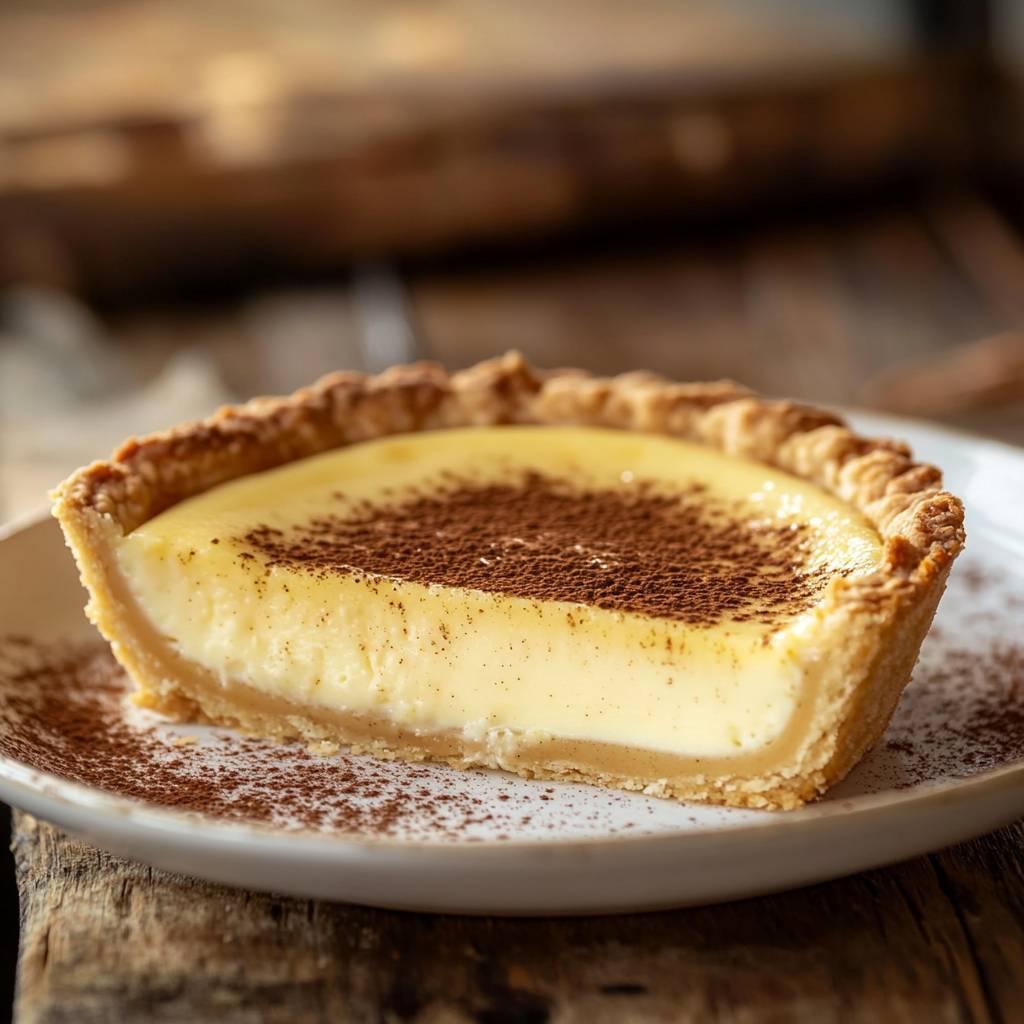
Imagine cutting into a delicate pastry shell and discovering a thick, silky custard beneath a beautiful dusting of fragrant cinnamon. Each bite offers a gentle sweetness, a creamy texture, and a comforting homemade flavor that makes you want another slice. That is the magic of South African Melktert, also known as milk tart, a much-loved dessert that has earned a special place in South African food culture. Made with familiar ingredients such as milk, eggs, sugar, flour, butter, and cinnamon, this traditional treat proves that you do not need complicated ingredients to create something memorable.
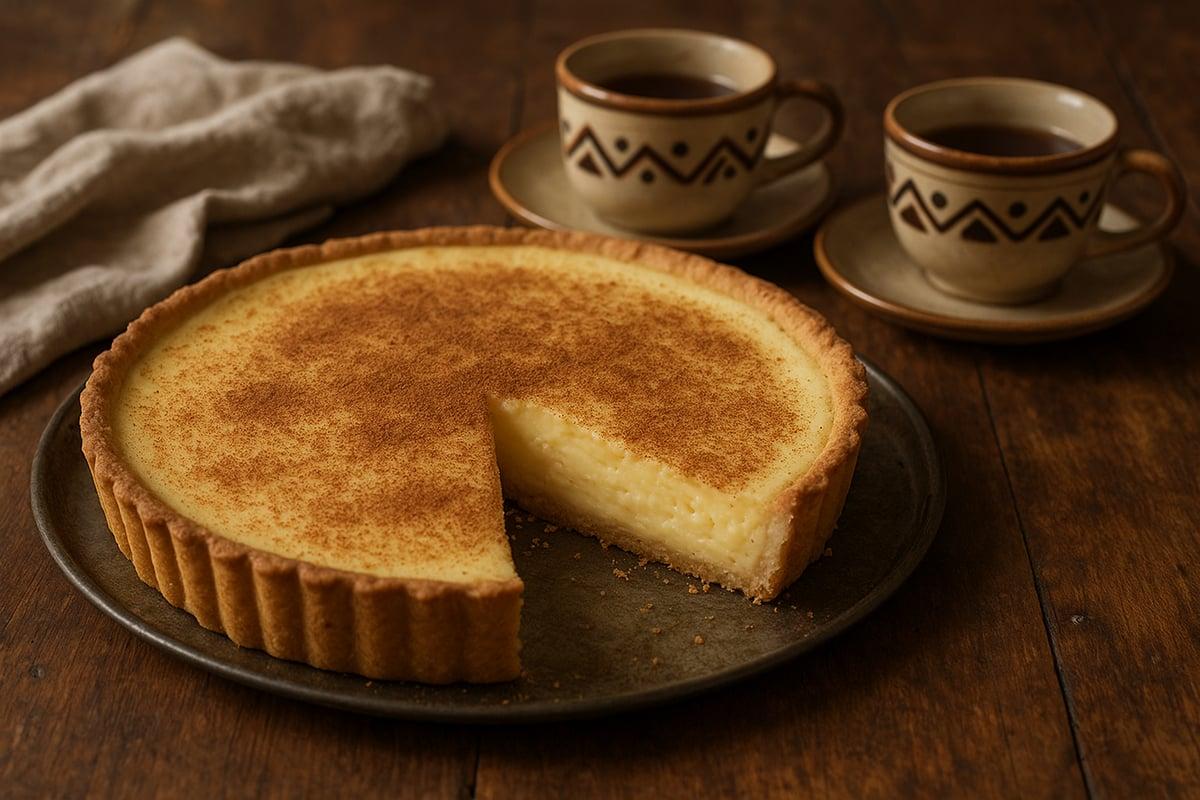
South African Melktert (Milk Tart):
Melktert takes its name from the Afrikaans words for milk and tart. Unlike some custard desserts that rely heavily on cream, this recipe celebrates the natural richness of milk, creating a filling that tastes light yet satisfying. Depending on the family recipe, the custard may be baked directly in the pastry shell or cooked separately before being poured into a prepared crust and chilled. For this version, we will use a buttery homemade pastry and a stovetop custard filling, giving you a smooth, creamy center with a crisp base and a classic cinnamon finish. The method is approachable for home bakers, even if you have never prepared a traditional South African dessert before.
One of the best things about homemade melktert is its versatility. You can serve it after a family dinner, prepare it for a festive gathering, or enjoy a chilled slice alongside your afternoon tea or coffee. Its delicate flavor makes it appealing to people who prefer desserts that are sweet without being overwhelmingly rich. You can also prepare it ahead of time, which makes entertaining much easier. If you are searching for an authentic-tasting South African milk tart recipe, this guide will help you understand its history, select the right ingredients, master the custard, and achieve a beautiful tart that looks just as inviting as it tastes.
Melktert has a long culinary history connected to the Dutch-speaking settlers who established a settlement at the Cape of Good Hope in the seventeenth century. Its development reflects the influence of European milk-based custards and pastry-making traditions, adapted over generations in South African kitchens. Although the exact date of the first South African milk tart is not firmly established, historical research has identified handwritten milk-tart-related recipes in South African household collections, including an 1884 manuscript. These records demonstrate that milk-based tarts were part of domestic cooking traditions well before modern recipe books became widely available.
Over time, the dessert became associated with Afrikaans home cooking and the diverse culinary traditions of the Cape. Cinnamon emerged as its signature finishing spice, while individual households developed their own preferred combinations of ingredients and techniques. Some cooks favored pastry shells, others used biscuit bases, and many passed down recipes that relied on memory rather than precise measurements. These variations are part of what makes melktert so interesting: there is no single version that represents every family or every generation.
Today, milk tart is enjoyed at family gatherings, community celebrations, bakeries, and afternoon tea tables. National Milk Tart Day is observed on February 27, giving dessert lovers another reason to celebrate this familiar favorite. Whether served in a traditional fluted tart pan or prepared as a convenient refrigerator dessert, melktert remains a comforting expression of South African culinary heritage. Making it at home is not simply about following a recipe; it is also an opportunity to appreciate how everyday ingredients can become part of a country’s food traditions
Subscribe to our youtube channel Kitchenpedia for more delicious recipes and hit the like button if you enjoyed this youtubevideo. Share it with your friends and Family.
South African Melktert (Milk Tart)

Ingredients
- 1½ cups (190 g) all-purpose flour
- ½ cup (115 g) cold unsalted butter, cubed
- ¼ cup (50 g) granulated sugar
- 1 large egg yolk
- 2–3 tablespoons cold water, as needed
- A small pinch of salt
Ingredients for the Creamy Custard Filling
- 4 cups (1 litre) whole milk
- ½ cup (100 g) granulated sugar, adjusted to taste
- 3 large egg yolks
- ¼ cup (30 g) all-purpose flour
- 3 tablespoons (24 g) cornstarch
- 2 tablespoons (28 g) unsalted butter
- 2 teaspoons vanilla extract
- 1 cinnamon stick, optional
- ½ teaspoon ground cinnamon, plus extra for topping
- A small pinch of salt
Instructions
- Whole milk is the best choice for a traditional, creamy flavor, although lower-fat milk can work with a slightly less rich result. The flour and cornstarch work together to thicken the custard, while egg yolks provide color and richness. Vanilla rounds out the flavor, and the cinnamon stick can gently infuse the milk before the custard is cooked. If you prefer a more pronounced spice flavor, add a little extra ground cinnamon when serving rather than putting too much directly into the filling.
- Start by placing the flour, sugar, and salt in a mixing bowl. Add the cold butter and rub it into the dry ingredients with your fingertips until the mixture resembles coarse breadcrumbs. Stir in the egg yolk, then add cold water a tablespoon at a time until the dough comes together. Avoid kneading it heavily because excessive handling can develop gluten and make the finished crust firm rather than tender.Shape the dough into a flat disc, wrap it, and refrigerate it for approximately 20–30 minutes. Chilling gives the butter time to firm up and makes the dough easier to roll without sticking. Once chilled, roll it out on a lightly floured surface and transfer it to a greased 9-inch (23 cm) tart pan. Gently press the pastry into the base and sides, trimming away any excess dough. Prick the base lightly with a fork, line it with baking paper, and add baking weights or dried beans.Preheat the oven to 180°C (350°F). Blind-bake the pastry for around 15 minutes with the weights, then remove the paper and weights and bake for another 8–10 minutes, or until the base looks dry and lightly golden. Keep an eye on the edges because thin pastry can brown quickly. Remove the shell and allow it to cool before adding the custard. A properly baked crust gives the tart a pleasant buttery crunch and helps it remain intact beneath the moist filling.Pour the milk into a medium saucepan. If using a cinnamon stick, add it now and heat the milk gently until steaming, but avoid allowing it to boil vigorously. Meanwhile, whisk the sugar, egg yolks, flour, cornstarch, salt, and about ½ cup of the cold milk in a separate bowl until the mixture is completely smooth. This cold-milk mixture helps dissolve the starches before they reach the hot liquid, reducing the chance of lumps forming.Slowly pour a little of the warm milk into the egg mixture while whisking continuously. This process, called tempering, raises the temperature of the eggs gradually and helps prevent them from scrambling. Pour the tempered mixture back into the saucepan with the remaining milk. Cook over medium-low heat, whisking constantly and paying special attention to the corners and bottom of the pan. After several minutes, the mixture should become thick enough to coat the back of a spoon.Once the custard has thickened, remove it from the heat and take out the cinnamon stick if you used one. Stir in the butter and vanilla extract until everything is fully incorporated. The finished custard should look glossy and smooth, with no visible lumps. If small lumps appear, pass the custard through a fine-mesh sieve while it is still warm. Taste carefully and adjust the flavor only if needed; remember that the pastry and cinnamon topping also contribute sweetness and flavor.
- Pour the warm custard into the cooled pastry shell and spread it evenly with a spatula. Gently tap the pan against the countertop to release any trapped air bubbles and level the surface. Allow the tart to cool at room temperature until it is no longer steaming, then transfer it to the refrigerator. Avoid leaving the dairy-based dessert at room temperature for extended periods; refrigerate it promptly once the initial cooling period is complete.Chill the tart for at least 3–4 hours, or until the filling has set sufficiently to cut into clean slices. For the best texture, prepare it the evening before serving and leave it covered in the refrigerator overnight. Just before serving, dust the surface lightly with ground cinnamon. Adding the cinnamon at the last moment helps preserve its aroma and gives the tart an attractive finish.Use a sharp knife to slice the tart, wiping the blade between cuts for neater portions. Serve each slice on its own or alongside tea, coffee, or fresh berries if you want a little contrast. The goal is a filling that feels soft and creamy without running across the plate, supported by a pastry shell that holds together when lifted. With proper chilling and careful preparation, this traditional dessert can look impressive without requiring professional baking skills.
Notes
Eight Expert Tips for Perfect Melktert:
1. Blind-bake the crust properly. A pale, underbaked base can become soggy when it meets the custard. Bake until the pastry is dry and lightly golden before filling it.
2. Avoid overworking the dough. Handle the pastry only as much as necessary to bring it together. Excessive kneading can make the crust tough instead of delicate.
3. Use a balloon whisk for the custard. A whisk reaches the corners of a saucepan more effectively than a spoon and helps distribute heat evenly through the mixture.
4. Control the heat carefully. Medium-low heat gives the starch time to thicken the milk without scorching the bottom. If the custard begins sticking, reduce the heat and keep whisking.
5. Strain the filling when necessary. Even experienced cooks occasionally get small lumps. A fine-mesh sieve can restore a smooth consistency before the custard goes into the pastry.
6. Allow enough chilling time. A custard tart may look set on the surface before the center is firm. Refrigerating it for several hours makes slicing easier and improves the overall texture.
7. Choose a removable-base tart pan. This makes it easier to release the crust without damaging the edges. If you do not have one, serve the tart directly from a ceramic or glass dish.
8. Balance the cinnamon topping. Cinnamon should complement the milk and vanilla, not overwhelm them. Start with a light dusting, then offer extra at the table for anyone who enjoys a stronger spice flavor.
Melktert is a traditional South African milk tart made with a pastry or biscuit crust and a creamy milk custard. The filling usually contains milk, eggs, sugar, flour or cornstarch, and vanilla. Ground cinnamon is sprinkled over the top to provide its characteristic aroma and appearance. Recipes vary between households, so some versions use baked custard while others use a stovetop filling that sets in the refrigerator.
2. What is the difference between melktert and regular custard tart?
Both desserts feature a custard filling, but traditional melktert is especially associated with milk, a delicate sweetness, and a cinnamon topping. Many versions use flour or cornstarch to thicken the filling, creating a soft, creamy texture without relying heavily on cream. Regular custard tarts vary considerably and may contain richer cream-based fillings or different flavorings. Melktert’s defining characteristic is its connection to South African culinary traditions.
3. Can I make melktert without baking the crust?
Yes. You can prepare a no-bake version using crushed biscuits mixed with melted butter and pressed into a tart pan. Refrigerate the base until firm before adding the cooked custard, then chill the assembled tart until set. This method is convenient when you want to avoid using the oven, although the flavor and texture will differ from a traditional baked pastry shell.
4. How long does homemade milk tart last in the refrigerator?
Homemade milk tart can generally be stored in the refrigerator for approximately three to four days when covered and kept at 4°C (40°F) or below. Because the filling contains milk and eggs, do not leave it at room temperature for extended periods. For the best flavor and texture, serve it well chilled and use clean utensils when cutting individual portions.
5. Can I prepare South African melktert a day in advance?
Absolutely. Preparing melktert a day ahead is an excellent idea because the custard has enough time to cool and become firm. Once the tart has cooled, cover it and refrigerate it overnight. Add the final cinnamon dusting shortly before serving for a fresh appearance and fragrant finish. This makes it a convenient dessert for dinner parties, celebrations, and family gatherings.
Conclusion:
South African melktert is a wonderful example of how simple ingredients can create a dessert with lasting cultural significance and irresistible flavor. Its buttery pastry, silky milk custard, gentle sweetness, and cinnamon topping come together to create a treat that feels both comforting and special. Although traditional recipes differ in their preparation methods, the central idea remains the same: celebrate the delicate flavor of milk with a smooth filling and a satisfying base.
This homemade South African Melktert recipe offers an approachable way to enjoy that tradition in your own kitchen. By keeping the pastry cold, whisking the custard carefully, and allowing enough time for chilling, you can achieve a beautiful tart that slices neatly and tastes delicious. You can also adapt the recipe with a biscuit crust or adjust the sweetness to suit your preferences without losing its essential character.
Serve your finished milk tart after a family meal, share it with friends over tea, or prepare it ahead of a special occasion. A generous dusting of cinnamon is all it needs to look inviting. Once you experience the contrast between the crisp crust and the creamy center, you will understand why melktert continues to be treasured across generations. Gather your ingredients, follow the steps, and enjoy a taste of South African baking at home.