

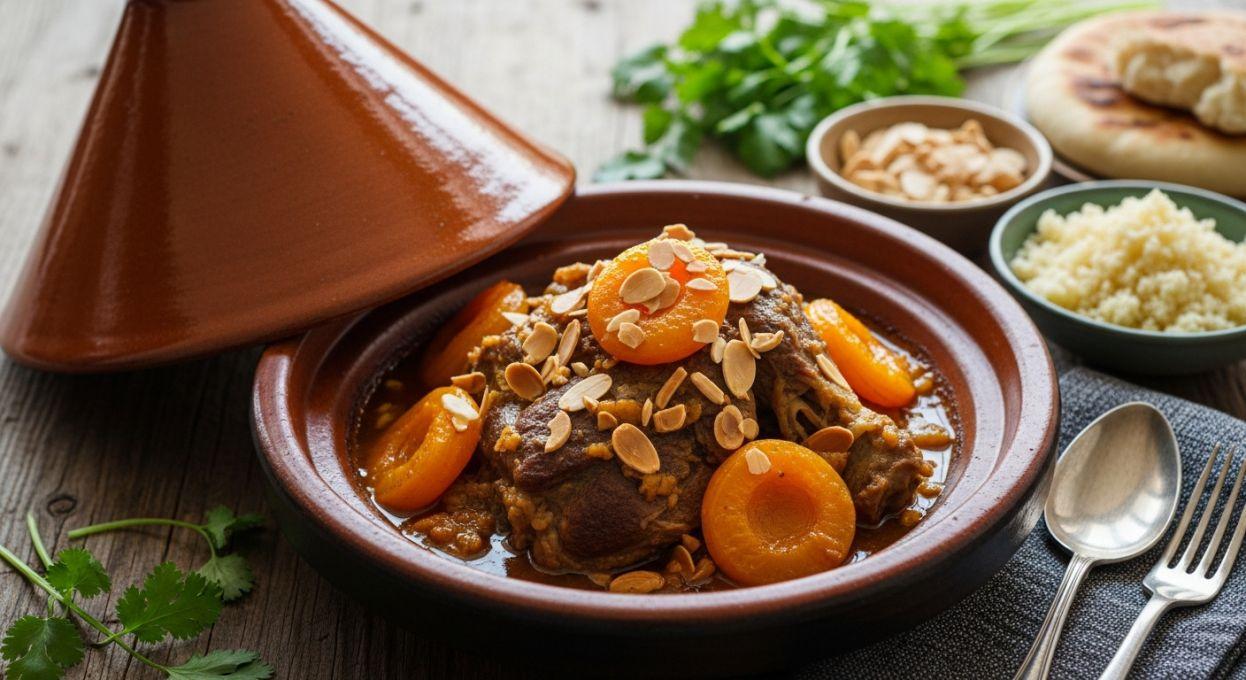
Few dishes capture the warmth and richness of Moroccan cooking quite like lamb tagine. Imagine tender pieces of lamb slowly simmering with fragrant spices, sweet dried apricots, onions, and a rich sauce that fills your kitchen with an irresistible aroma. Every spoonful brings together savory meat, gentle sweetness, and layers of flavor that develop gradually during cooking. Traditionally prepared in a special earthenware cooking vessel, this beloved Moroccan dish transforms simple ingredients into a comforting meal that feels perfect for family dinners, festive gatherings, and special occasions.
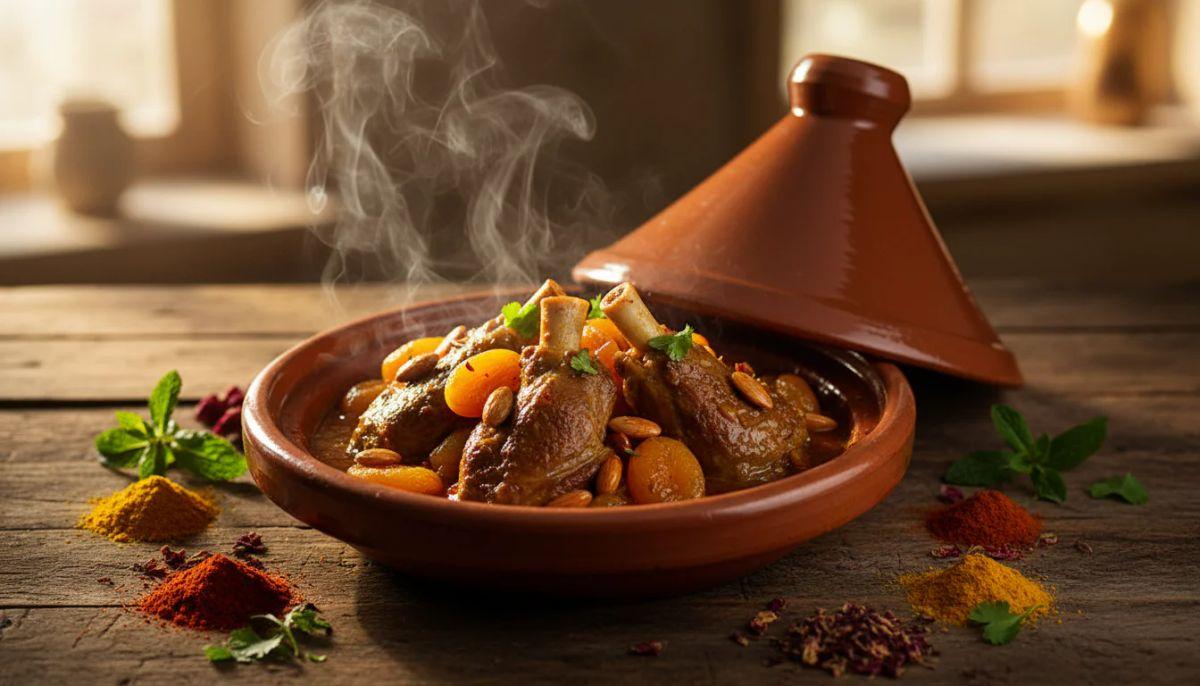
Best Lamb Tagine:
What makes Moroccan lamb tagine particularly delicious is the balance of contrasting flavors. Cumin, ginger, cinnamon, turmeric, and paprika provide warmth and depth, while dried apricots add a fruity sweetness that complements the lamb. Garlic and onions create a savory foundation, and stock helps the ingredients cook slowly until the meat becomes wonderfully tender. Toasted almonds, fresh coriander, and a squeeze of lemon can add the finishing touches, creating a dish that tastes complex without requiring difficult cooking techniques. You can prepare it in a traditional tagine pot, a heavy Dutch oven, or an ordinary covered saucepan.
This traditional lamb tagine recipe is designed for home cooks who want authentic Moroccan-inspired flavors using ingredients that are relatively easy to find. The method focuses on browning the meat, building a fragrant sauce, and allowing everything to simmer gently until the lamb practically falls apart. Dried apricots provide a classic sweet-and-savory element, but you can adjust their quantity to suit your taste. Serve the finished dish with couscous, rice, or warm flatbread to soak up every drop of the delicious sauce. Once you discover how much flavor slow cooking can create, this recipe may become one of your favorite ways to prepare lamb.
History and Origins of Best Lamb Tagine:
The word tagine refers both to a traditional North African cooking vessel and to dishes prepared in it. A classic tagine consists of a shallow base and a distinctive cone-shaped or domed lid. This design helps steam circulate inside the vessel, condense, and return to the food, allowing ingredients to cook gently with relatively little added liquid. Tagine cooking is strongly associated with Morocco, where regional ingredients, family traditions, and local spice combinations have shaped countless variations of the dish.
Moroccan cooking reflects centuries of cultural exchange, including Amazigh (Berber), Arab, Andalusian, Mediterranean, and other North African influences. Slow-cooked stews developed around practical cooking methods and ingredients available to households, such as meat, onions, legumes, dried fruits, herbs, and spices. Lamb became a popular choice for celebratory meals and communal dining, while sweet-and-savory combinations emerged as a distinctive feature of several Moroccan preparations. However, not every tagine contains fruit, and recipes vary significantly between regions and families.
Today, Moroccan lamb tagine is enjoyed both in traditional homes and in restaurants around the world. Some versions feature preserved lemons and olives, while others use prunes, dates, chickpeas, or apricots. This recipe draws inspiration from the sweet-and-savory style, pairing tender lamb with dried apricots and warming spices. Although a traditional clay tagine can provide a special cooking experience, the same general approach works in a heavy, covered pot. The heart of the dish lies in slow cooking, thoughtful seasoning, and allowing the flavors to come together naturally.
Subscribe to our youtube channel Kitchenpedia for more delicious recipes and hit the like button if you enjoyed this youtubevideo. Share it with your friends and Family.
Lamb Tagine

Ingredients
- 1 kg lamb shoulder, cut into approximately 4 cm pieces
- 2 tablespoons olive oil
- 2 large onions, finely chopped
- 4 garlic cloves, minced
- 2 medium tomatoes, chopped
- 2 tablespoons tomato paste
- 1½ cups (360 ml) chicken or lamb stock
- 200 g dried apricots
- 1 cinnamon stick
- ½ cup toasted almonds, for garnish
- ¼ cup fresh coriander, chopped
- 1 tablespoon lemon juice
- Salt, to taste
- Black pepper, to taste
Spices and Flavorings
- 2 teaspoons ground cumin
- 2 teaspoons ground ginger
- 1 teaspoon ground coriander
- 1 teaspoon paprika
- ½ teaspoon ground turmeric
- ½ teaspoon ground cinnamon
- ¼ teaspoon cayenne pepper, optional
Instructions
- Pat the lamb pieces dry with paper towels and season them lightly with salt and black pepper. Heat the olive oil in a heavy-based pot or traditional tagine base over medium-high heat, following the manufacturer's guidance for your cooking vessel. Add the lamb in batches, leaving space between the pieces so they brown instead of steam. Cook each batch for several minutes, turning the meat to develop a golden-brown surface on multiple sides. Transfer the browned lamb to a plate and repeat until all the pieces are ready.Browning is an important step because it creates deeper, roasted flavors that enrich the finished sauce. Avoid overcrowding the pot, as too much meat at once can lower the temperature and cause excess liquid to collect. If the bottom develops browned bits, leave them in place because they will contribute flavor when the stock is added. Once the lamb has been browned, reduce the heat to medium and prepare the aromatic base in the same pot.
- Add the chopped onions to the pot and cook for approximately 6–8 minutes, stirring regularly until they soften and become lightly golden. Add the garlic and cook for another minute, taking care not to let it burn. Stir in the cumin, ginger, ground coriander, paprika, turmeric, ground cinnamon, and optional cayenne pepper. Allow the spices to cook briefly in the oil so their aromas become more pronounced, but keep the heat moderate because ground spices can scorch quickly.Next, add the chopped tomatoes and tomato paste. Stir well, scraping the bottom of the pot to release any browned pieces left from cooking the lamb. Cook the mixture for 4–5 minutes until the tomatoes begin to soften and the tomato paste darkens slightly. Return the lamb and any collected juices to the pot, then add the stock and cinnamon stick. Stir to distribute the ingredients evenly, making sure the meat is mostly surrounded by liquid without being unnecessarily submerged.
- Bring the liquid to a gentle simmer, then reduce the heat to low and cover the pot. Cook for approximately 1½–2 hours, checking periodically to make sure the liquid is simmering gently rather than boiling vigorously. Stir occasionally and add a small amount of water or stock if the sauce becomes too dry before the lamb is tender. The exact cooking time depends on the cut of meat, the size of the pieces, and the temperature maintained during cooking.After about 90 minutes, test a piece of lamb with a fork. It should be becoming tender and should yield easily when pressed. If it still feels firm, continue cooking and check again after 15–20 minutes. Slow cooking gives the connective tissue time to soften, which is why patience matters more than maintaining a high temperature. Keep the lid on between checks to retain moisture and help the meat cook evenly.
- When the lamb is nearly tender, stir in the dried apricots. Cover the pot again and cook for another 20–30 minutes, until the fruit softens and the lamb becomes fork-tender. Adding the apricots toward the end helps them retain some shape instead of dissolving completely into the sauce. If the sauce looks too thin, remove the lid for the final few minutes and simmer gently until it reaches your preferred consistency.Remove the cinnamon stick and taste the sauce. Adjust the salt and black pepper, then stir in the lemon juice to balance the sweetness of the apricots. The finished sauce should taste rich and aromatic, with the spices complementing rather than overpowering the lamb. If you want a slightly brighter flavor, add a little more lemon juice, but do so gradually.
- Scatter the toasted almonds and freshly chopped coriander over the lamb tagine just before serving. The almonds contribute a pleasant crunch, while coriander adds a fresh herbal note that contrasts with the rich sauce. Bring the pot to the table if it is suitable for serving, or transfer the stew to a warmed serving dish. The vibrant apricots and fragrant sauce make the dish attractive enough for a special meal without requiring elaborate decoration.Serve the tagine with fluffy couscous, steamed rice, or warm flatbread. Couscous is especially useful for absorbing the sauce, while rice offers a simple, familiar accompaniment. You can also add a fresh cucumber and tomato salad to provide a crisp contrast to the slow-cooked meat. Spoon plenty of sauce over each portion and make sure every serving includes some lamb and apricots.
Notes
-
Choose lamb shoulder: This cut is well suited to slow cooking because it becomes tender and flavorful over time.
-
Brown the meat in batches: Crowding the pot prevents proper browning and can make the lamb release too much moisture.
-
Use fresh spices: Spices lose their aroma over time, so fresher ingredients generally produce a more fragrant sauce.
-
Add liquid gradually: Start with the specified stock and add more only if necessary to prevent the sauce from drying out.
-
Keep the simmer gentle: Vigorous boiling can toughen the meat and cause the liquid to evaporate too quickly.
-
Add apricots near the end: This helps them soften while retaining some texture and shape.
-
Adjust the sweet-and-savory balance: Lemon juice adds brightness, while additional apricots increase sweetness.
-
Make it ahead: Refrigerating the finished dish overnight can help the flavors develop. Cool and refrigerate it promptly, then reheat thoroughly before serving.