

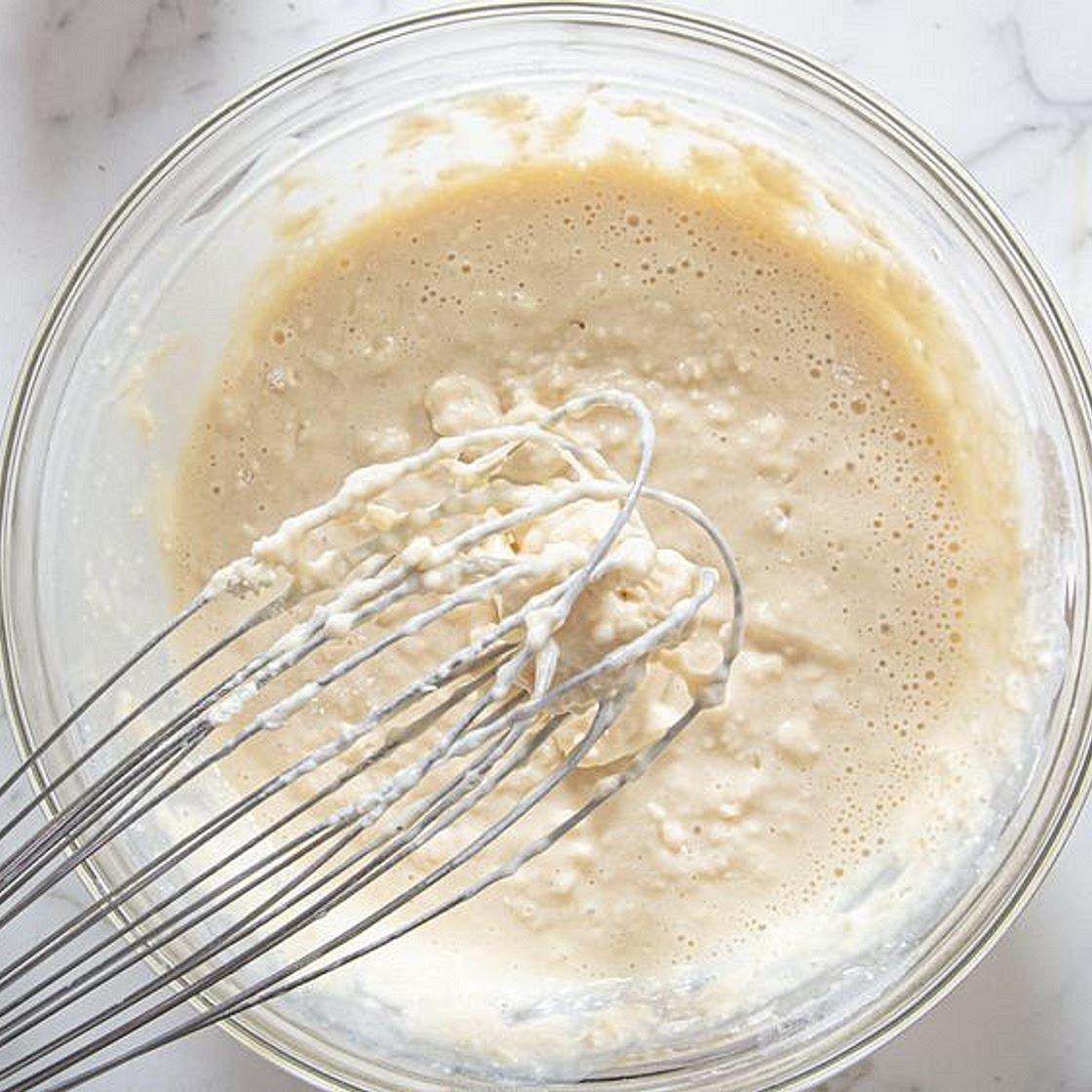
Amish Friendship Bread Starter is a sweet, fermented mixture that helps you create delicious homemade bread. It combines flour, sugar, milk, and yeast to develop a mild, tangy flavor. Over several days, the starter ferments and becomes ready for baking.
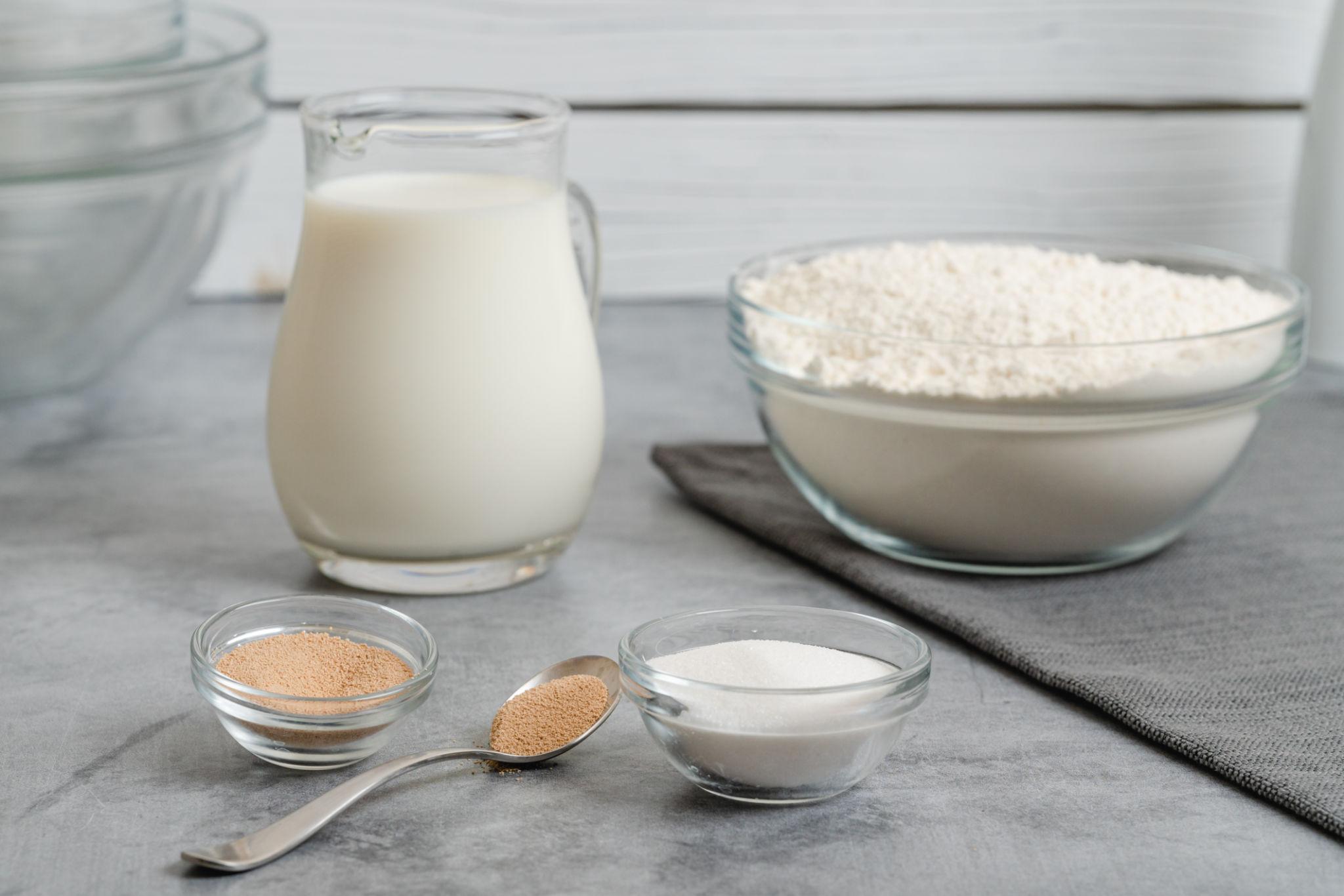
Amish Friendship Bread Starter Recipe:
This traditional-style starter is especially popular because you can share it with friends and family. In addition, you can use it to prepare soft, sweet cinnamon bread, muffins, and other baked treats. The process takes patience, but the ingredients are simple and affordable.
Whether you’re new to homemade baking or already enjoy working with fermented mixtures, this Amish Friendship Bread Starter recipe offers a rewarding kitchen experience. Follow the steps carefully, maintain good food safety practices, and enjoy turning a simple mixture into a delicious homemade treat.
What Is Amish Bread Starter:
Amish Friendship Bread Starter is a sweet, yeast-based mixture that ferments over several days. Bakers use it as a base for making a tender, cake-like cinnamon bread.
Unlike traditional sourdough starter, which relies on naturally occurring wild yeast and bacteria, this version commonly begins with commercial yeast. Sugar and flour provide food for fermentation, while milk contributes moisture and flavor.
Traditionally, bakers maintain the starter through a feeding schedule. They then divide it into portions for baking or sharing with others. However, recipes vary, and some versions use different ingredients or preparation methods.
Subscribe to our youtube channel Kitchenpedia for more delicious recipes and hit the like button if you enjoyed this youtubevideo. Share it with your friends and Family.
Amish Friendship Bread Starter Recipe

Ingredients
- 1 cup all-purpose flour
- 1 cup granulated sugar
- 1 cup milk
- 2¼ teaspoons active dry yeast
Instructions
- Pour a small amount of lukewarm milk into a clean bowl. Sprinkle the active dry yeast over the milk and let it stand for approximately five minutes.The milk should feel warm, not hot. Excessive heat can damage the yeast and prevent proper fermentation.
- Combine the flour and sugar in a separate bowl. Gradually stir in the remaining milk and the yeast mixture.Mix until the ingredients form a smooth batter. Then, transfer the mixture into a clean, generously sized container.
- Cover the container loosely with a clean lid. Alternatively, use a cover that allows pressure to escape.Do not seal an actively fermenting mixture in an airtight container. Fermentation produces gas, which can build up pressure.
- Keep the mixture under refrigeration because this recipe contains milk. Stir it with a clean utensil when needed and follow a tested, refrigerated starter schedule.You may notice bubbles, a yeasty aroma, or changes in consistency. These signs can indicate fermentation, but they do not guarantee food safety.Important: Traditional room-temperature friendship starter schedules often contain milk and sugar. However, leaving homemade dairy-based mixtures at room temperature for extended periods can allow harmful microorganisms to grow. Do not follow a room-temperature schedule unless it comes from a validated food-safety source.
- Some friendship bread recipes call for adding flour, sugar, and milk at scheduled intervals. These additions help replenish the mixture and provide ingredients for later baking.However, feeding amounts and schedules vary among recipes. Use a tested recipe designed specifically for refrigerated milk-based starter, and do not assume that adding fresh ingredients makes an unsafe starter safe.
- When your starter reaches the stage specified by your tested recipe, measure the required amount for baking. Many Amish-style friendship bread recipes use a portion of starter with flour, sugar, eggs, oil, and cinnamon.Follow the baking recipe's instructions for the correct starter quantity and baking temperature. Finally, bake the batter thoroughly before serving.
Notes
- Measure ingredients carefully for consistent results.
- Use fresh yeast that has been stored correctly.
- Choose a container with plenty of expansion space.
- Keep milk-based starter refrigerated.
- Stir with clean utensils to reduce contamination risks.
- Follow a tested feeding schedule rather than improvising.
- Never taste uncooked starter or bread batter.
- Bake the finished bread thoroughly before eating.
Expert Tips for Amish Friendship Bread Starter:
- Use lukewarm milk: Hot milk can damage the yeast.
- Mix thoroughly: Remove dry flour pockets for an even consistency.
- Choose a spacious container: Fermentation may increase the mixture’s volume.
- Track preparation dates: Label the container to monitor storage time.
- Avoid airtight sealing: Allow fermentation gases to escape safely.
- Follow tested instructions: Different starters require different feeding schedules.
- Measure before baking: Use the quantity specified in your bread recipe.
- Prioritize food safety: Discard questionable starter rather than attempting to rescue it.
FAQ’s for Amish Friendship Bread Starter:
1. Is Amish Friendship Bread Starter the same as sourdough starter?
No. Traditional sourdough starter relies on wild yeast and bacteria. Amish Friendship Bread Starter commonly uses commercial yeast and contains sugar, with many versions also including milk.
2. How long does it take to make friendship bread starter?
Many traditional recipes describe a 10-day preparation schedule. However, the timing depends on the specific recipe and its feeding instructions.
3. Does the starter need refrigeration?
This milk-based recipe should remain refrigerated at 40°F (4°C) or below. Do not leave it at room temperature for extended periods.
4. Can I make the starter without commercial yeast?
Some bakers create naturally fermented alternatives. However, those recipes require different methods and food-safety considerations, so use a tested recipe specifically designed for that purpose.
5. Can I use the starter to make cinnamon bread?
Yes. Many Amish-style friendship bread recipes use starter to make sweet cinnamon bread. Follow a compatible recipe for ingredient quantities and baking instructions.
6. Why is my starter bubbly?
Bubbles can develop when yeast produces carbon dioxide during fermentation. Nevertheless, bubbling alone does not establish that the mixture is safe to consume.
7. Can I share starter with friends?
You can share starter prepared and stored according to a tested food-safe recipe. Include clear refrigeration instructions, preparation dates, and handling guidance.
8. When should I throw away my starter?
Discard starter if it develops mold, unusual discoloration, or other signs of spoilage. Also discard it if it has been stored improperly or its food-safety history is uncertain.
Conclusion:
Amish Friendship Bread Starter offers a fun introduction to homemade yeast-based baking. Its simple ingredients create a sweet mixture that can become the foundation for cinnamon bread and other baked treats.
With careful measuring, proper refrigeration, and a reliable preparation schedule, you can explore this popular baking tradition at home. Furthermore, sharing a properly prepared starter can make the experience even more enjoyable.
Always prioritize food safety when preparing fermented mixtures containing milk. Choose a tested recipe, follow its storage instructions, and enjoy your homemade friendship bread when it is thoroughly baked.