

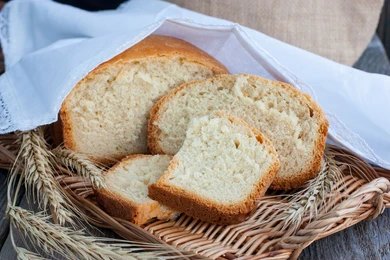
Amish White Bread is a classic homemade loaf known for its soft texture, fluffy crumb, and slightly sweet flavor. Its golden crust and tender interior make every slice delicious. Furthermore, this comforting bread pairs beautifully with butter, homemade jam, soups, and hearty family meals.
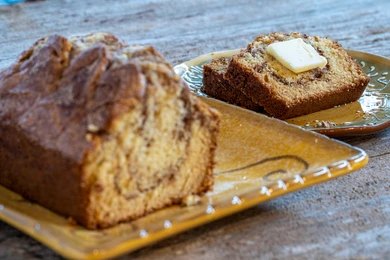
Amish White Bread Recipe:
This easy Amish white bread recipe uses simple ingredients, including flour, yeast, sugar, warm water, and salt. The dough requires basic mixing, kneading, and rising before baking. As a result, even beginner bakers can create a beautiful loaf with a soft, bakery-style texture.
Whether you’re preparing sandwiches, breakfast toast, or a comforting side dish, this homemade white bread is a wonderful choice. You can also enjoy it fresh from the oven with a little butter. Additionally, the recipe freezes well, making it convenient for busy households.
History of Amish White Bread:
Amish cooking traditions emphasize homemade food, practical ingredients, and meals prepared from scratch. Bread has long been an important part of household cooking in Amish communities. Families traditionally baked bread using simple pantry staples and shared meals around the family table.
Amish white bread reflects these traditions through its straightforward preparation and comforting flavor. Although recipes vary between households, many versions feature flour, yeast, sugar, water, and salt. Today, this soft homemade loaf remains popular among home bakers who appreciate traditional baking methods.
Subscribe to our youtube channel Kitchenpedia for more delicious recipes and hit the like button if you enjoyed this youtubevideo. Share it with your friends and Family.
Amish White Bread

Ingredients
- 4 cups all-purpose flour, plus extra for kneading
- 1½ teaspoons salt
- ¼ cup granulated sugar
- 2¼ teaspoons active dry yeast (1 standard packet)
- 1½ cups warm water, approximately 105–110°F (40–43°C)
- 2 tablespoons unsalted butter, melted (optional)
- 1 tablespoon vegetable oil, for greasing the bowl
Instructions
- Pour the warm water into a large mixing bowl. Stir in the sugar and active dry yeast. Let the mixture stand for 5–10 minutes until foamy. If the yeast does not foam, check its freshness before continuing.
- Add the melted butter, if using, and salt to the yeast mixture. Gradually stir in the flour until a shaggy dough forms. Mix until the ingredients come together into a workable ball.
- Transfer the dough to a lightly floured surface. Knead for approximately 8–10 minutes until smooth and elastic. Alternatively, use a stand mixer with a dough hook for about 6–8 minutes.Add flour sparingly if the dough feels sticky. However, avoid adding too much because excess flour can produce dense bread.
- Lightly grease a clean bowl with vegetable oil. Place the dough inside and turn it once to coat the surface. Cover with a clean kitchen towel and leave it in a warm place for approximately 60–90 minutes.Allow the dough to rise until it doubles in size. The exact timing depends on the room temperature and yeast activity.
- Gently press the risen dough to release excess air. Transfer it to a clean surface and shape it into a rectangle. Roll the dough tightly into a loaf, then pinch the seam closed.Place the shaped dough seam-side down into a greased 9-by-5-inch loaf pan.Cover the loaf pan loosely with a clean towel. Let the dough rise for another 30–45 minutes, or until it rises noticeably above the pan's rim.Meanwhile, preheat the oven to 350°F (175°C). Proper rising helps produce a light, fluffy interior.Step 6: Complete the Second Rise
- Place the loaf in the preheated oven and bake for 30–35 minutes. The top should turn golden brown, and the bread should sound hollow when tapped.If the crust browns too quickly, cover it loosely with aluminum foil. For a more reliable check, the center should reach approximately 190–200°F (88–93°C).
- Remove the bread from the oven and let it rest in the pan for about 5–10 minutes. Transfer it to a wire rack and allow it to cool completely before slicing.Finally, spread a little butter over a warm slice or serve the bread with your favorite meal.
Notes
- Check the yeast's freshness before starting.
- Use warm water rather than hot water to protect the yeast.
- Measure flour accurately for consistent results.
- Knead until the dough becomes smooth and elastic.
- Allow enough time for both rises.
- Avoid adding excessive flour during kneading.
- Cool the loaf before slicing to prevent a gummy texture.
- Store the cooled bread in an airtight container.
Expert Tips for Perfect Amish White Bread:
- Measure carefully: Weighing flour gives more consistent results than measuring by volume.
- Create a warm rising environment: Place the covered dough in a comfortably warm, draft-free area.
- Avoid overheating the water: Excessively hot water can damage the yeast.
- Check dough elasticity: Properly kneaded dough should stretch without tearing easily.
- Shape tightly: A well-shaped loaf helps create an even crumb.
- Watch the second rise: Overproofing can cause the loaf to collapse during baking.
- Brush with butter: Lightly brush the crust with butter after baking for a softer finish.
- Freeze extra slices: Freeze cooled slices in a sealed bag for convenient future use.
FAQ’s for Amish White Bread:
1. Why is my white bread dense?
Dense bread often results from insufficient kneading, inactive yeast, or too much flour. Measure accurately and allow the dough to rise until noticeably doubled
2. Can I use instant yeast instead of active dry yeast?
Yes. Use the same quantity of instant yeast. You can mix it directly with the dry ingredients, although you should still use warm water for the dough.
3. Can I make Amish white bread without butter?
Absolutely. The optional butter adds richness, but you can omit it. The bread will still rise and bake successfully.
4. How do I know when the dough has risen enough?
The dough should approximately double in size during the first rise. After shaping, it should become noticeably puffy before baking.
5. Can I make this bread using whole wheat flour?
Yes. Replace some of the white flour with whole wheat flour. Start by substituting one cup, and add a little extra water if the dough feels dry.
6. How should I store homemade Amish white bread?
Store completely cooled bread in an airtight container at room temperature for approximately 3–4 days. Avoid refrigerating it unnecessarily because refrigeration can make bread stale faster.
7. Can I freeze Amish white bread?
Yes. Wrap the cooled loaf tightly or freeze individual slices in a freezer-safe bag. For best quality, use within two to three months.
8. What can I serve with Amish white bread?
This bread pairs wonderfully with butter, jam, honey, peanut butter, scrambled eggs, soups, stews, and sandwiches. It also makes excellent French toast.
Conclusion:
Amish White Bread is a comforting homemade classic that delivers a soft crumb, golden crust, and mild sweetness. Its simple ingredients and traditional preparation make it an excellent choice for beginner and experienced bakers alike.
Furthermore, this versatile loaf works beautifully for breakfast, sandwiches, toast, and family dinners. With proper kneading, patient rising, and careful baking, you can achieve delicious homemade results in your own kitchen.
Bake a fresh loaf today and enjoy the wonderful aroma of homemade bread. Serve it warm with butter or save a few slices for tomorrow’s breakfast.