

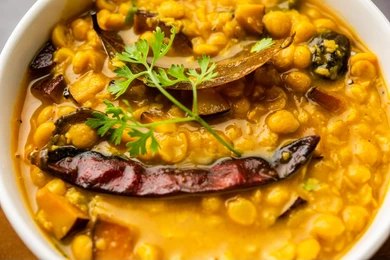
Bengali Dhal is a simple yet deeply comforting lentil dish that forms the backbone of everyday meals in Bengal. Made with soft lentils simmered in aromatic spices, this dish is light, nourishing, and full of subtle flavors. It is commonly served with steamed rice and a side of vegetables or fried dishes, making it a staple in Bengali households.
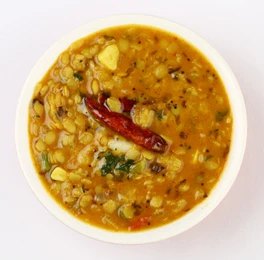
Bengali Dhal:
The beauty of Bengali dhal lies in its simplicity. Unlike many heavily spiced curries, this lentil dish uses a gentle blend of spices such as turmeric, cumin, mustard seeds, and dried red chilies to create a delicate yet flavorful broth. The lentils are cooked until soft and creamy, then finished with a fragrant tempering known as tadka or phoron, which enhances the aroma and taste.In Bengali cuisine, dhal is more than just a side dish—it represents comfort, tradition, and home-style cooking. Whether served during daily meals or festive gatherings, this humble lentil preparation continues to be cherished for its warmth, nutrition, and satisfying taste.
History:
Lentils have been a central part of Indian cuisine for thousands of years, and Bengal has its own unique way of preparing them. Bengali dhal often uses moong dal (split yellow lentils) or masoor dal (red lentils), which cook quickly and produce a smooth texture.
Traditional Bengali cooking emphasizes balance and subtlety, and dhal plays an important role in that philosophy. Historically, it was served after a light vegetable dish and before heavier curries during meals, helping to balance flavors and provide nourishment.Over generations, different variations of Bengali dhal have emerged. Some include fried coconut pieces, while others use panch phoron (a traditional five-spice blend) for tempering. Despite these variations, the essence of Bengali dhal remains a comforting bowl of lentils infused with simple yet aromatic spices.
Subscribe to our youtube channel Kitchenpedia for more delicious recipes and hit the like button if you enjoyed this youtubevideo. Share it with your friends and Family.
Bengali Dhal – A Comforting Traditional Lentil Curry

Ingredients
For the Dal
- 1 cup moong dal (split yellow lentils) or masoor dal
- 3 cups water
- ½ tsp turmeric powder
- 1 tsp salt
- 1 small tomato (chopped) – optional
For Tempering (Tadka)
- 2 tbsp mustard oil or ghee
- 1 tsp cumin seeds
- ½ tsp mustard seeds
- 2 dried red chilies
- 2 cloves garlic (sliced) – optional
- 1 bay leaf
- 1 green chili (slit)
Optional Garnish
- Fresh cilantro leaves
- A squeeze of lemon juice
Instructions
- Rinse the lentils thoroughly under running water until the water runs clear.
- In a pot, add lentils, water, turmeric, salt, and chopped tomato. Bring to a boil, then reduce heat and simmer for about 20 minutes until the lentils are soft.
- Use a spoon or whisk to lightly mash the lentils to create a creamy consistency.
- Heat mustard oil or ghee in a small pan. Add cumin seeds, mustard seeds, bay leaf, dried red chilies, and garlic. Let them sizzle for a few seconds until aromatic.
- Pour the hot tempering over the cooked dal and mix gently.
- Garnish with fresh cilantro and serve hot with steamed rice.
Notes
- Roasting moong dal lightly before cooking enhances its flavor.
- Mustard oil gives authentic Bengali taste.
- Masoor dal cooks faster than moong dal.
- Adjust water for desired consistency.
- Adding tomatoes gives mild tanginess.
- Panch phoron can replace cumin and mustard seeds.
- The dish tastes even better after resting for a few minutes.
- Store leftovers in the refrigerator for up to 3 days.
Tips for Bengali Dhal:
- Dry roast the moong dal before boiling for nutty aroma.
- Use ghee instead of oil for richer flavor.
- Add grated ginger for extra warmth.
- Include fried coconut pieces for a traditional touch.
- Finish with a squeeze of lemon for brightness.
- Serve with fried eggplant or potato fries.
- Add spinach for a healthier variation.
- Always pour the tempering while it’s hot for maximum aroma.
FAQs for Bengali Dhal:
1. What lentils are used in Bengali?
Moong dal (split yellow lentils) and masoor dal (red lentils) are most commonly used.
2. What is tempering in dal?
Tempering is frying spices in hot oil or ghee and adding them to the cooked lentils for aroma and flavor.
3. Can I make this dish vegan?
Yes, simply use oil instead of ghee.
4. Is Bengali spicy?
No, it is mild and aromatic rather than spicy.
5. What is traditionally served with Bengali?
Steamed rice, fried vegetables, and pickles.
Conclusion:
Bengali is a timeless comfort food that highlights the beauty of simple ingredients and traditional cooking methods. With soft lentils, gentle spices, and aromatic tempering, this dish delivers warmth and nourishment in every bowl.Whether enjoyed as part of a traditional Bengali meal or as a wholesome everyday dish, Bengali dhal remains a beloved staple that brings both flavor and comfort to the table.