

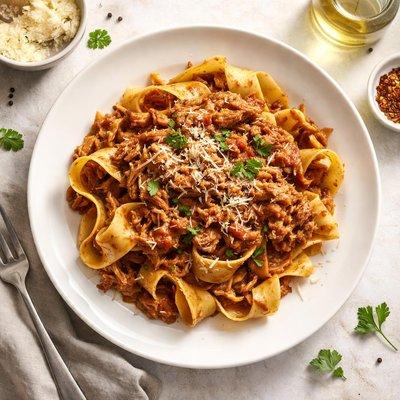
Braised Pork Ragu is a deeply flavorful, comforting sauce made by slowly cooking tender pork in a rich tomato and wine-based sauce until the meat becomes incredibly soft and easy to shred. The long cooking process allows the pork to absorb the savory flavors of garlic, onion, herbs, tomatoes, and aromatic vegetables, creating a luxurious sauce that is perfect for pasta.This rustic dish is an excellent choice for a cozy family dinner or a special weekend meal.
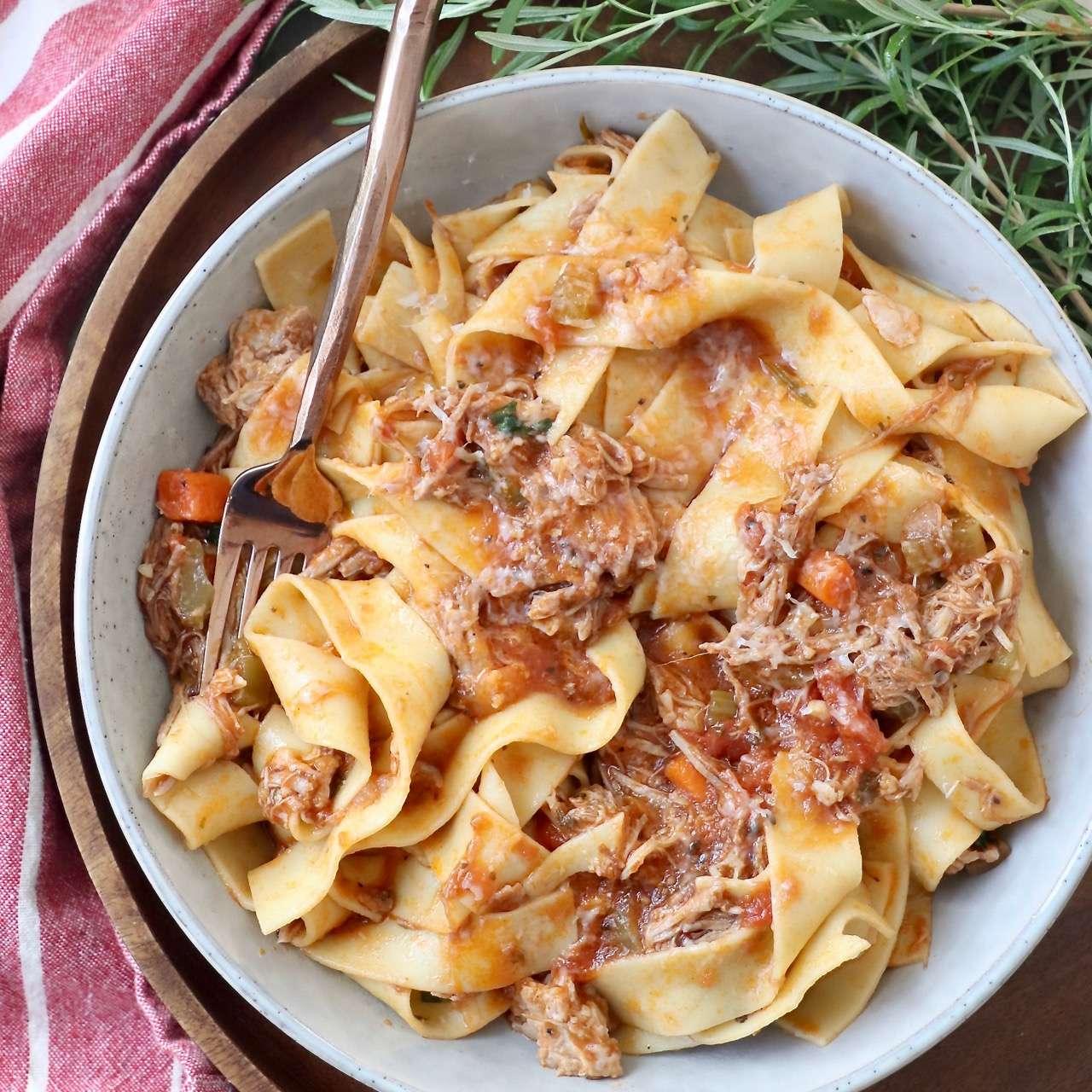
Braised Pork Ragu:
Unlike quick pasta sauces, ragu develops its character through slow cooking, giving the pork time to become tender while the sauce gradually thickens and becomes rich and concentrated.Serve this hearty pork ragu over pappardelle, tagliatelle, rigatoni, or another substantial pasta that can hold the flavorful sauce. Finish it with freshly grated Parmesan and fresh herbs for a restaurant-style meal made right at home.
History:
The word ragu refers broadly to a style of Italian meat sauce that is traditionally cooked slowly to develop deep flavor. Some of the most famous versions include Bolognese and Neapolitan ragu, each with its own ingredients and regional traditions.Italian cooks have long relied on slow braising as a way to transform affordable and tougher cuts of meat into tender, flavorful dishes. Pork is particularly well suited to this method because its fat and connective tissue contribute richness and body to the finished sauce.Braised pork ragu is inspired by these traditional Italian cooking methods while allowing flexibility in the choice of pork, vegetables, herbs, and pasta. It is now enjoyed in many variations around the world as a comforting and versatile pasta dish.
Subscribe to our youtube channel Kitchenpedia for more delicious recipes and hit the like button if you enjoyed this youtubevideo. Share it with your friends and Family.
Braised Pork Ragu

Ingredients
For the Pork Ragu
- 2½ pounds pork shoulder or pork butt, cut into large chunks
- 2 tablespoons olive oil
- 1 medium yellow onion, finely chopped
- 2 celery stalks, finely diced
- 5 cloves garlic, minced
- 2 tablespoons tomato paste
- 1 cup dry red wine
- 1 can (28 ounces) crushed tomatoes
- 1 cup chicken broth
- 1 teaspoon dried oregano
- 1 teaspoon dried thyme
- ½ teaspoon red pepper flakes, optional
- ½ teaspoon freshly ground black pepper
For Serving
- 1 pound pappardelle, tagliatelle, rigatoni, or other hearty pasta
- ½ cup freshly grated Parmesan cheese
- 2 tablespoons chopped fresh parsley
- Extra-virgin olive oil, optional
Instructions
Prepare the Pork
- Pat the pork pieces dry with paper towels. Season generously with salt and freshly ground black pepper.Cut the pork into large chunks rather than small pieces. Larger pieces remain moist during the long braising process and are easy to shred afterward.
Brown the Pork
- Heat the olive oil in a large Dutch oven or heavy-bottomed pot over medium-high heat.Add the pork in batches, making sure not to overcrowd the pot. Brown each piece on several sides until deeply golden.Transfer the browned pork to a plate and set aside.
Cook the Aromatics
- Reduce the heat to medium. Add the chopped onion, carrots, and celery to the same pot.Cook for approximately 6–8 minutes, stirring occasionally, until the vegetables soften and begin to develop color.Add the minced garlic and cook for another 30–60 seconds.
Add the Tomato Paste
- Stir in the tomato paste and cook for approximately 1–2 minutes.Cooking the tomato paste briefly helps deepen its flavor and gives the sauce a richer color.
Deglaze with Wine
- Pour in the red wine and use a wooden spoon to scrape up the browned bits from the bottom of the pot.Allow the wine to simmer for approximately 3–5 minutes, giving it time to reduce slightly.
Build the Sauce
- Add the crushed tomatoes and chicken broth.Stir in the oregano, thyme, red pepper flakes, bay leaves, remaining salt, and black pepper.Return the browned pork and any accumulated juices to the pot.
Shred the Pork
- Carefully remove the pork from the sauce and place it on a large plate or cutting board.Discard the bay leaves.Use two forks to shred the pork into bite-sized pieces. Remove any large pieces of excess fat or connective tissue.Return the shredded pork to the sauce.
Cook the Pasta
- Bring a large pot of salted water to a boil.Cook the pasta according to the package directions until al dente.Reserve approximately 1 cup of pasta water before draining.
Combine and Serve
- Add the cooked pasta to the pork ragu and toss gently.Add a splash of reserved pasta water if the sauce needs loosening. Continue tossing until the pasta is thoroughly coated.Serve immediately with freshly grated Parmesan, chopped parsley, and fresh basil if desired.
Notes
- Pork shoulder: Pork shoulder is ideal because its fat and connective tissue become tender during long cooking.
- Wine: Dry red wine works best. For a non-alcoholic version, replace it with additional broth.
- Pasta: Wide pasta such as pappardelle works particularly well because it holds the thick ragu.
- Tomatoes: Use good-quality crushed tomatoes for the best flavor.
- Braising: Keep the sauce at a gentle simmer rather than a rapid boil.
- Fat: Skim excess fat from the surface before serving if desired.
- Pasta water: The starchy water can help the sauce cling beautifully to the pasta.
- Leftovers: The ragu often tastes even better the next day as the flavors continue to develop.
Tips for Braised Pork Ragu:
- Brown the pork well: Deep browning creates a flavorful foundation for the entire sauce.
- Don’t overcrowd the pot: Brown the pork in batches so it develops a proper crust.
- Cook the tomato paste: A short sauté intensifies its flavor and removes its raw taste.
- Deglaze thoroughly: Scrape the browned bits from the bottom of the pot because they contain concentrated flavor.
- Cook low and slow: Gentle braising produces exceptionally tender pork.
- Don’t shred too finely: Leaving some larger pieces of pork creates a better texture.
- Finish pasta in the sauce: Tossing the pasta with the ragu helps the sauce coat every piece.
- Finish with Parmesan: Freshly grated Parmesan adds salty, nutty richness and balances the tomato sauce.
FAQs for Braised Pork Ragu:
Q: What cut of pork is best for ragu?
Pork shoulder or pork butt is an excellent choice because it contains enough fat and connective tissue to remain moist and become tender during slow cooking.
Q: Can I make pork ragu without wine?
Yes. Replace the red wine with additional chicken broth. A small splash of balsamic vinegar can also provide some acidity and depth.
Q: Can I make this recipe in a slow cooker?
Yes. Brown the pork and sauté the vegetables first, then transfer everything to a slow cooker. Cook on LOW for approximately 7–8 hours or until the pork is fork-tender.
Q: What pasta goes best with pork ragu?
Pappardelle and tagliatelle are excellent choices. Rigatoni, paccheri, and other substantial pasta shapes also work well.
Q: Can I use canned tomatoes instead of crushed tomatoes?
Yes. Whole peeled tomatoes can be crushed by hand or with a spoon before adding them to the pot.
Q: Can I freeze pork ragu?
Absolutely. Allow the ragu to cool completely, transfer it to freezer-safe containers, and freeze for up to approximately 3 months for best quality.
Q: How do I reheat pork ragu?
Reheat it gently on the stovetop over low to medium heat. Add a small splash of broth or water if the sauce has thickened too much.
Q: Can I make the ragu ahead of time?
Yes. In fact, making it a day ahead can improve the flavor. Refrigerate it in an airtight container and gently reheat before serving.
Conclusion:
Braised Pork Ragu is the perfect combination of simple ingredients, slow cooking, and rich Italian-inspired flavor. Pork shoulder is slowly braised with tomatoes, red wine, garlic, onions, carrots, celery, and herbs until it becomes incredibly tender and easy to shred.
The resulting sauce is rich, savory, slightly sweet from the tomatoes and vegetables, and packed with deep braised flavor. When tossed with hearty pasta and finished with freshly grated Parmesan, it becomes an impressive yet comforting homemade dinner.
Although it takes several hours to cook, most of that time is hands-off. Make a large batch for a family dinner, weekend gathering, or meal preparation, and enjoy the leftovers throughout the week.