

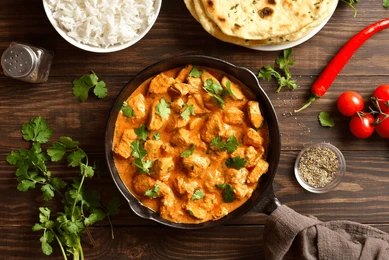
Chicken Stew is a comforting, hearty dish made with tender chicken, wholesome vegetables, aromatic herbs, and a beautifully seasoned broth. It is the kind of meal that fills the kitchen with an inviting aroma and brings warmth to the table. The gentle cooking process allows the chicken to become juicy and tender while the vegetables absorb the rich flavors of the broth.Unlike heavily spiced curries, chicken stew has a mild, delicate flavor that allows the natural taste of the chicken and vegetables to shine.
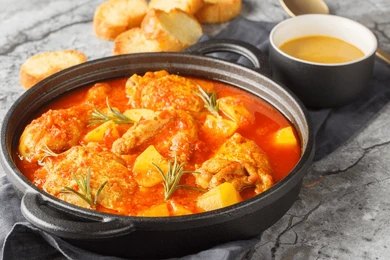
Chicken Stew:
Depending on the regional style, it can be prepared with coconut milk, cream, or a simple savory broth. This recipe uses a creamy coconut-milk base for a deliciously smooth texture and subtle richness.Whether served with steamed rice, crusty bread, appam, or soft dinner rolls, this homemade Chicken Stew makes a wonderful lunch or dinner. It is especially comforting on cool evenings and is easy enough to prepare for a satisfying family meal.
History of Chicken Stew:
Stewing is one of the oldest cooking methods, traditionally used to make meat tender while combining it with vegetables, herbs, and flavorful liquids. Chicken stew has developed into many regional variations around the world, with each cuisine adding its own ingredients and techniques.
In Indian cuisine, chicken stew is particularly associated with Kerala and South Indian Christian cooking. Kerala-style chicken stew commonly features coconut milk, curry leaves, whole spices, onions, potatoes, carrots, and green chilies. The result is a fragrant but gently spiced dish with a creamy consistency.
Over time, chicken stew has become a popular comfort food beyond its traditional roots. Modern versions may include different vegetables, herbs, spices, or dairy and non-dairy ingredients, making it a versatile recipe that can easily be adapted to individual tastes.
Subscribe to our youtube channel Kitchenpedia for more delicious recipes and hit the like button if you enjoyed this youtubevideo. Share it with your friends and Family.
Chicken Stew

Ingredients
For the Chicken
- 500 g boneless or bone-in chicken, cut into medium pieces
- ½ teaspoon turmeric powder
- ¾ teaspoon salt
- ½ teaspoon black pepper powder
For the Stew
- 2 tablespoons coconut oil or vegetable oil
- 1 medium onion, thinly sliced
- 4 garlic cloves, finely chopped
- 2 green chilies, slit lengthwise
- 1 medium carrot, sliced
- 2 medium potatoes, peeled and cubed
- ½ cup green peas
- 1 small cinnamon stick
- 3–4 green cardamoms
- ½ teaspoon black peppercorns
- ½ cup water or chicken stock
- Salt to taste
For Garnishing
- Fresh curry leaves
- Fresh coriander leaves, optional
- A small drizzle of coconut oil
Instructions
Marinate the Chicken
- Place the chicken in a bowl and add turmeric powder, salt, and black pepper. Mix thoroughly and set aside for about 10–15 minutes while preparing the remaining ingredients.
Prepare the Aromatics
- Heat coconut oil in a heavy-bottomed pot over medium heat. Add cinnamon, cardamom, cloves, and black peppercorns. Sauté for a few seconds until fragrant.Add the sliced onions and cook until they become soft and translucent. Avoid browning the onions too much, as a lighter onion base gives the stew its characteristic delicate flavor.
Add Ginger, Garlic and Chilies
- Add chopped ginger, garlic, green chilies, and curry leaves. Sauté for 1–2 minutes until the raw aroma disappears and the mixture becomes fragrant.
Cook the Chicken
- Add the marinated chicken pieces and stir well. Cook for approximately 5–7 minutes, stirring occasionally, until the chicken changes color and is lightly sealed.
Add Thin Coconut Milk
- Pour in the thin coconut milk and water or chicken stock. Add salt according to taste. Cover the pot and simmer gently for approximately 15–20 minutes, or until the chicken and potatoes are completely cooked.
Add Thick Coconut Milk
- Once the chicken and vegetables are tender, reduce the heat to low and add the thick coconut milk. Stir gently and cook for another 2–3 minutes.
Finish and Serve
- Taste and adjust the salt and pepper. Add a few fresh curry leaves and a small drizzle of coconut oil for extra aroma.
Notes
- Chicken choice: Bone-in chicken provides a deeper flavor, while boneless chicken cooks faster.
- Coconut milk: Fresh coconut milk gives the most authentic flavor, but good-quality canned coconut milk also works.
- Heat control: Keep the heat low after adding coconut milk to prevent curdling or separation.
- Vegetables: Potatoes and carrots work especially well, but you can also add beans or mushrooms.
- Spices: This is a mildly spiced stew, so avoid adding too many powdered spices.
- Consistency: Add extra thin coconut milk or water if you prefer a lighter stew.
- Salt: Taste the stew after adding the coconut milk before making final adjustments.
- Resting time: Let the stew rest for 5 minutes before serving so the flavors can settle.
Tips for Chicken Stew:
- Use fresh curry leaves for a more authentic South Indian aroma.
- Don’t brown the onions heavily; lightly softened onions create a delicate stew.
- Sauté the whole spices briefly to release their natural oils.
- Cut vegetables into similar-sized pieces so they cook evenly.
- For richer flavor, use bone-in chicken with the skin removed.
- Add thick coconut milk toward the end rather than cooking it for a long time.
- For extra richness, finish the stew with a teaspoon of coconut oil.
- Make the stew slightly thinner than desired because it naturally thickens as it cools.
FAQs for Chicken Stew:
1. Can I make Chicken Stew without coconut milk?
Yes. You can replace coconut milk with chicken stock and a small amount of cream or milk, although coconut milk provides the characteristic flavor of this version.
2. Can I use boneless chicken?
Absolutely. Boneless chicken breast or thighs work well. Chicken thighs generally remain juicier during cooking.
3. Can I add more vegetables?
Yes. Green beans, mushrooms, cauliflower, sweet corn, and bell peppers can be added according to your preference.
4. Is Kerala Chicken Stew very spicy?
No. Traditional Kerala-style stew is generally mild and aromatic. Green chilies provide gentle heat without making the dish heavily spicy.
5. What should I serve with Stew?
Chicken Stew pairs especially well with appam, idiyappam, bread, steamed rice, chapati, or dinner rolls.
6. Why did my coconut milk separate?
Coconut milk can separate when exposed to very high heat or prolonged boiling. Keep the heat low after adding thick coconut milk.
7. Can I prepare Chicken ahead of time?
Yes. The stew can be prepared several hours ahead and gently reheated before serving. Add a little water or thin coconut milk if it becomes too thick.
8. Can I freeze Chicken?
Yes, although the texture of coconut milk may change slightly after freezing and thawing. For best results, refrigerate leftovers and consume them within a few days.
Conclusion:
Chicken Stew is a beautifully comforting dish that combines tender chicken, nourishing vegetables, aromatic whole spices, and creamy coconut milk in one satisfying pot. Its mild seasoning and silky texture make it appealing to both children and adults.
This recipe is simple enough for a weekday dinner yet flavorful enough for a special family meal. Once you master the balance between thin and thick coconut milk, you can easily customize the stew with your favorite vegetables and preferred type of chicken.
Serve it piping hot with soft appam, steamed rice, or fresh bread, and enjoy a delicious bowl of homemade comfort food with every bite.