

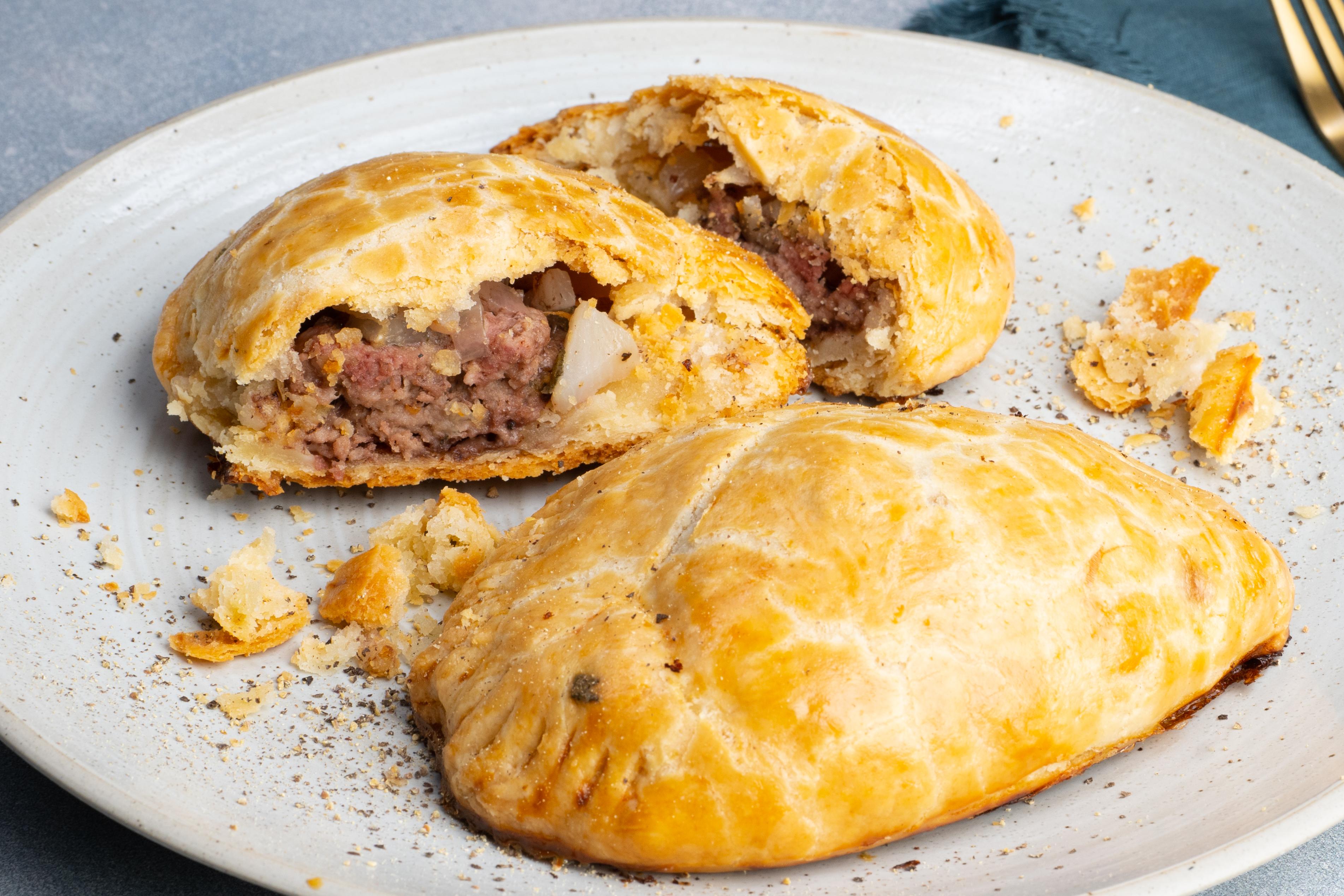
Cornish-Finnish Michigan Pasties are hearty hand pies associated with Michigan’s Upper Peninsula, where Cornish mining traditions blended with the foodways of Finnish immigrants. These substantial savory pastries feature a tender, golden crust wrapped around a filling of beef, potatoes, rutabaga, onions, and simple seasonings. Designed as a portable meal, pasties are satisfying, practical, and wonderfully comforting.The pasty tradition originally came to Michigan with Cornish miners who arrived to work in the region’s copper and iron mines.
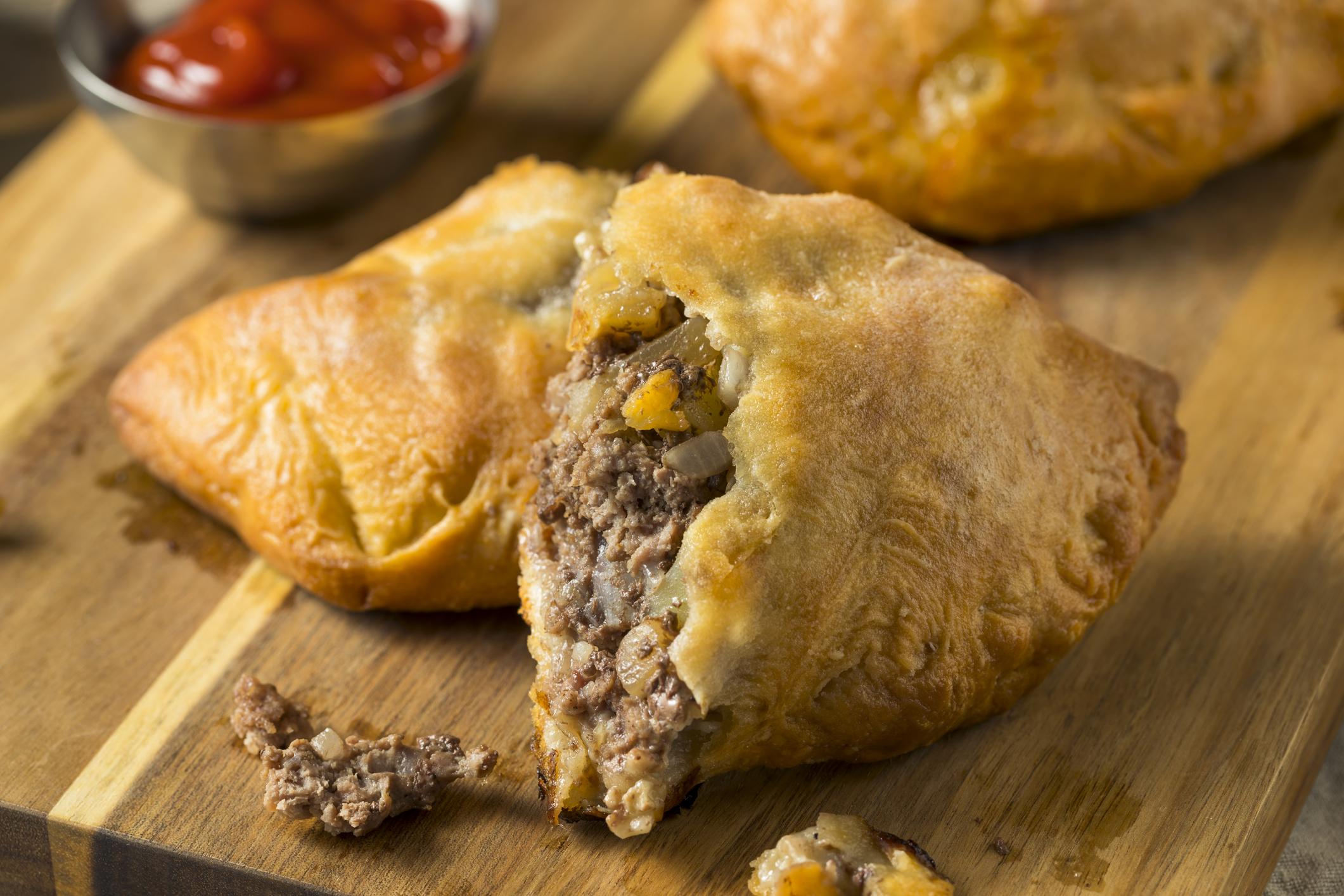
Cornish-Finnish Michigan Pasties:
Finnish immigrants later became an important part of Upper Peninsula communities and embraced the pasty, contributing to the regional food culture surrounding it. The result is a dish strongly identified with Michigan’s mining heritage and local culinary traditions.These homemade pasties are perfect for lunch, dinner, picnics, packed meals, or whenever you want a complete meal enclosed in buttery pastry. The vegetables cook together with the meat inside the crust, creating a flavorful filling while the pastry becomes beautifully golden and crisp.
History of Cornish-Finnish Michigan Pasties:
The pasty has deep roots in Cornwall, England, where it was traditionally associated with miners. Its sturdy pastry shell made it possible to carry a complete meal into the mines, while the thick crimped edge provided a convenient way to hold the pasty without touching the filling.During the 19th century, Cornish immigrants brought the tradition to Michigan’s Upper Peninsula as they came to work in the region’s mines. The dish proved particularly suitable for the demanding working environment because it was portable, filling, and could be eaten without utensils.Finnish immigrants also established large communities in Michigan’s Upper Peninsula. Over time, pasties became part of the region’s broader immigrant food culture, and Finnish-American families adopted and prepared their own versions. Modern Michigan pasties can vary from family to family, but beef, potatoes, rutabaga, onions, and pastry remain characteristic ingredients.
Subscribe to our youtube channel Kitchenpedia for more delicious recipes and hit the like button if you enjoyed this youtubevideo. Share it with your friends and Family.
Cornish-Finnish Michigan Pasties

Ingredients
For the Pastry
- 4 cups all-purpose flour
- 1 teaspoon salt
- 1 cup cold unsalted butter, cubed
- ¾ cup cold water, plus more if needed
- 1 tablespoon butter or shortening, optional for extra tenderness
For the Filling
- 1 pound beef chuck or ground beef
- 3 medium russet potatoes, peeled and diced small
- 1 medium rutabaga, peeled and diced small
- 1 medium yellow onion, finely chopped
- 1 teaspoon salt
- ½ teaspoon freshly ground black pepper
- 2 tablespoons butter, cut into small pieces
For the Egg Wash
- 1 large egg
- 1 tablespoon water
Instructions
Make the Pastry
- Add the flour and salt to a large mixing bowl.Add the cold butter cubes and work them into the flour using a pastry cutter or your fingertips until the mixture resembles coarse crumbs with some pea-sized pieces of butter remaining.These small pieces of butter help create a flaky pastry.
Add the Water
- Gradually add the cold water while mixing gently.Add only enough water for the dough to come together.Do not knead the dough excessively because overworking can make the pastry tough.
Chill the Dough
- Form the dough into a ball and divide it into six equal portions.Flatten each portion into a disk, wrap, and refrigerate for approximately 30 minutes.Chilling allows the butter to firm up and makes the pastry easier to roll.
Prepare the Filling
- While the dough chills, prepare the vegetables.Peel and dice the potatoes and rutabaga into very small, evenly sized pieces. Finely chop the onion.Cut the beef into small pieces if using chuck, or use ground beef for convenience.Combine the beef, potatoes, rutabaga, and onion in a large bowl.Add the salt, pepper, and optional thyme. Mix gently.
Preheat the Oven
- Preheat the oven to 400°F (200°C).Line two baking sheets with parchment paper.
Roll the Pastry
- Remove one dough disk from the refrigerator at a time.On a lightly floured surface, roll it into a circle approximately 9–10 inches in diameter.Keep the remaining dough chilled while working with each piece.
Add the Filling
- Place approximately one-sixth of the filling mixture across the center of the pastry circle.Leave enough space around the edges for sealing.Place a few small pieces of butter over the filling.Avoid overfilling because the pastry needs enough room to close securely.
Fold the Pasty
- Fold the pastry over the filling to create a half-moon shape.Press the edges together firmly.Crimp the sealed edge using your fingers or a fork.Traditional pasties often have a substantial crimped edge, giving them their distinctive appearance.
Prepare the Egg Wash
- Whisk the egg with one tablespoon of water.Brush the entire surface of each pasty lightly with the egg wash.This gives the pastry a beautiful golden finish during baking.
Make a Small Vent
- Use a sharp knife to make one or two small slits in the top of each pasty.The vents allow steam to escape while the filling cooks.
Bake
- Place the pasties on the prepared baking sheets.Bake at 400°F (200°C) for approximately 20 minutes.Reduce the oven temperature to 350°F (175°C) and continue baking for another 25–35 minutes, or until the pastry is deeply golden and the filling is thoroughly cooked.The exact baking time depends on the size of the pasties and the size of the diced vegetables.
Rest Before Serving
- Remove the pasties from the oven and allow them to rest for approximately 10–15 minutes.The filling will be extremely hot immediately after baking, and resting also allows the juices to settle.
Serve
- Serve the pasties warm.They can be enjoyed on their own or accompanied by gravy, ketchup, mustard, or another condiment.
Notes
- Dice vegetables small: Small pieces help the potatoes and rutabaga cook evenly inside the pastry.
- Keep butter cold: Cold butter is important for creating flaky pastry.
- Do not overwork the dough: Excessive mixing can make the crust tough.
- Traditional filling: Beef, potato, rutabaga, and onion are characteristic ingredients of Michigan-style pasties.
- Ground beef option: Ground beef makes preparation easier, while diced beef provides a more traditional chunky texture.
- Season simply: The classic filling generally relies on straightforward seasoning rather than a heavily spiced mixture.
- Resting matters: Allowing the baked pasties to rest makes them easier to eat and helps the filling settle.
- Bake thoroughly: Because the filling contains raw meat and vegetables, make sure the center reaches a safe temperature before serving.
Tips for Cornish-Finnish Michigan Pasties:
- Chill the pastry well before rolling it for easier handling.
- Use uniform vegetable pieces so everything cooks at approximately the same rate.
- Avoid overfilling each pastry because excessive filling can cause the seams to split.
- Seal the edges firmly to prevent juices from leaking during baking.
- Vent the tops so steam can escape.
- Rotate the baking sheets if your oven has hot spots.
- Use an instant-read thermometer to confirm the meat reaches a safe internal temperature.
- Freeze extras individually after cooling for a convenient make-ahead meal.
FAQs for Cornish-Finnish Michigan Pasties:
1. What is a Michigan pasty?
A Michigan pasty is a savory hand pie associated especially with Michigan’s Upper Peninsula. It typically contains beef, potatoes, rutabaga, onions, and pastry.
2. Why are pasties associated with Michigan?
Pasties were brought to Michigan’s Upper Peninsula by Cornish immigrants who worked in the mining industry. The dish later became part of the area’s broader immigrant food traditions, including those of Finnish-American communities.
3. What makes a Finnish-Michigan pasty different?
There is no single universally standardized Finnish-Michigan pasty recipe. Finnish-American communities in the Upper Peninsula adopted the pasty tradition and made it part of their own regional food culture.
4. Can I use ground beef?
Yes. Ground beef is convenient and works very well. For a chunkier traditional-style filling, you can use finely diced beef chuck or another suitable beef cut.
5. Why is rutabaga used in pasties?
Rutabaga provides sweetness, earthy flavor, and a firm texture that works particularly well with potatoes and beef during the long baking process.
6. What do you serve with Michigan pasties?
Pasties can be served by themselves or with gravy, ketchup, mustard, or other savory sauces. Some people also enjoy them with a simple side salad or cooked vegetables.
7. Can I freeze homemade pasties?
Yes. Baked pasties can be cooled completely, wrapped individually, and frozen. Reheat them in the oven until heated through for a crispier crust.
8. Can I make pasties ahead of time?
Yes. You can assemble them ahead and refrigerate them before baking, or bake them in advance and reheat them later. Keep raw assembled pasties refrigerated and bake them within a safe period.
Conclusion:
Cornish-Finnish Michigan Pasties are much more than hearty hand pies—they represent the history of immigration, mining, and community in Michigan’s Upper Peninsula. The combination of tender pastry, beef, potatoes, rutabaga, and onions creates a complete and satisfying meal that has remained popular for generations.Their practical design makes them especially useful for packed lunches, picnics, family dinners, and make-ahead meals. The pastry provides a golden, flaky exterior while the filling becomes tender and savory as it cooks.Whether you’re exploring Michigan’s culinary heritage or simply looking for a comforting homemade meal, these pasties are a delicious way to experience an important part of Upper Peninsula food tradition.