

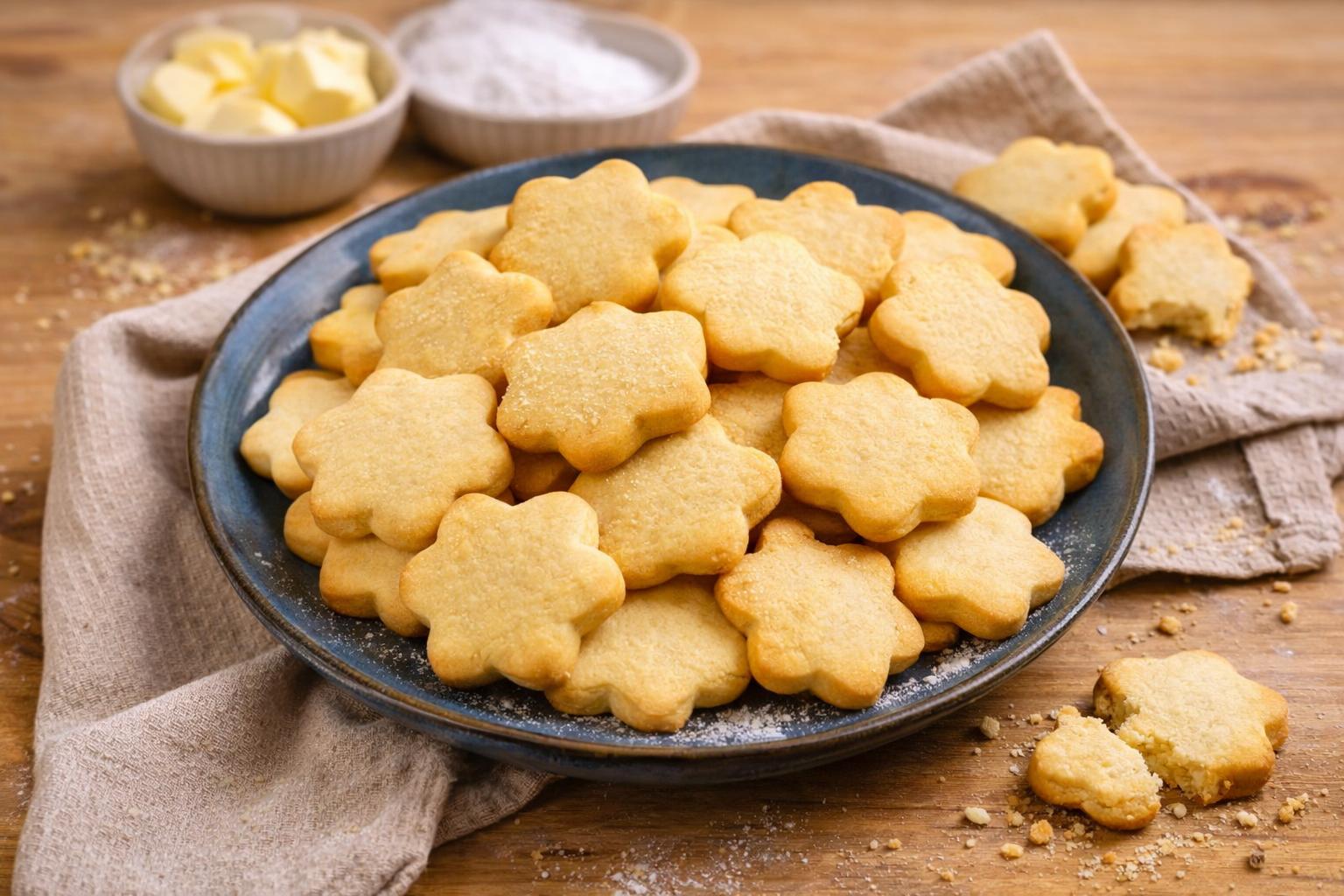
Easy Portuguese Cookies are delightful homemade biscuits inspired by Portugal’s simple and comforting baking traditions. With their buttery flavor, lightly crisp edges, and tender centers, these cookies are perfect for enjoying with a cup of coffee, tea, or warm milk. Made with everyday pantry ingredients such as flour, sugar, butter, and eggs, they are an excellent choice for beginner bakers and anyone who loves classic homemade treats.Portuguese baking includes many varieties of cookies and biscuits, often called bolachas or biscoitos. Some are crisp and delicate, while others are soft, crumbly, or flavored with cinnamon, lemon, or vanilla.
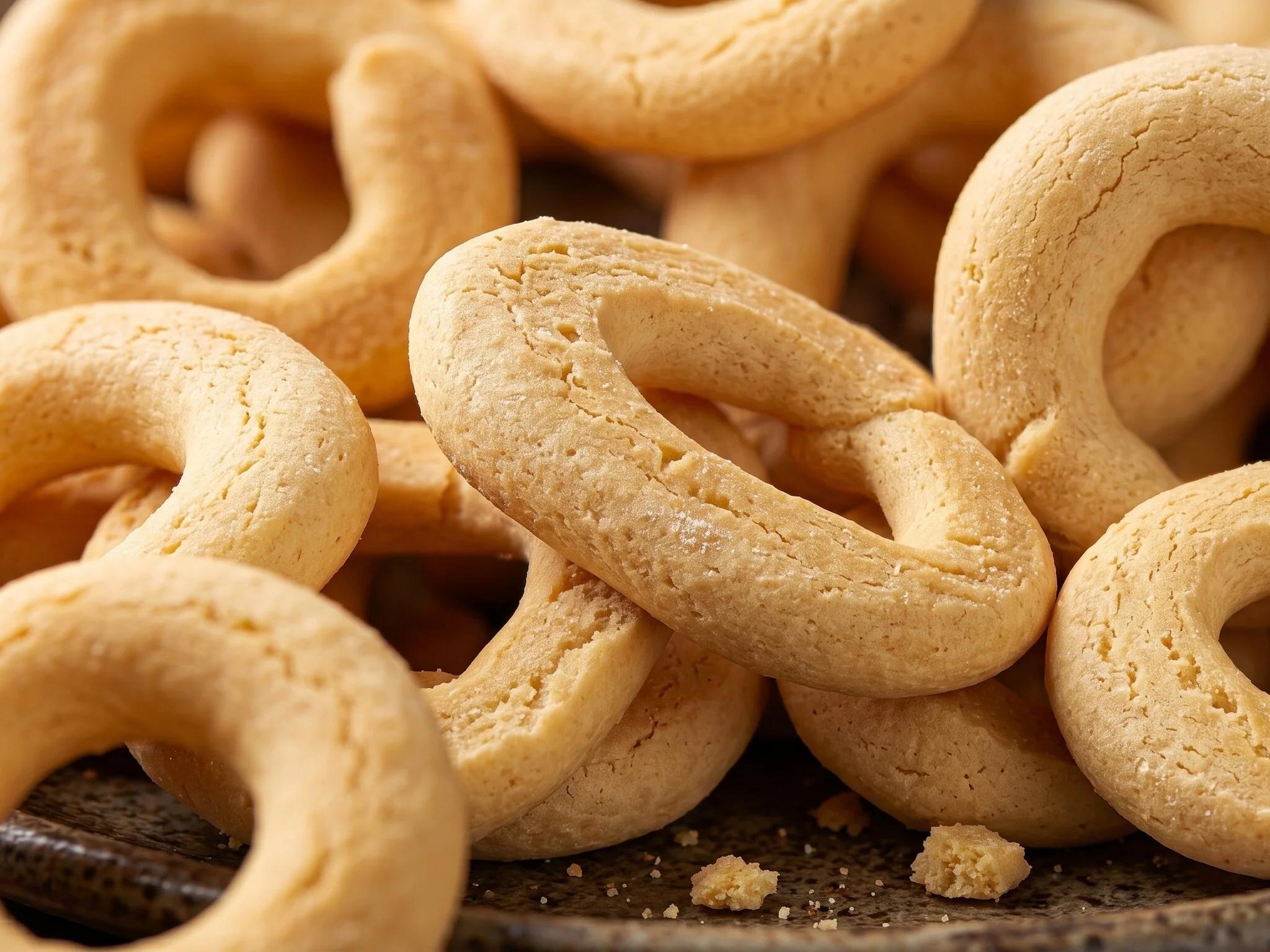
Easy Portuguese Cookies:
This easy recipe takes inspiration from traditional Portuguese home baking and uses a straightforward dough that can be shaped into simple rounds or decorative cookies. The result is a versatile biscuit with a gentle sweetness and a delicious homemade aroma.Whether you are preparing snacks for your family, making treats for guests, or adding a traditional European recipe to your food blog, these Easy Portuguese Cookies are a wonderful option. They require no complicated equipment and can be prepared in a short amount of time. Serve them fresh from the oven after cooling, pack them into a gift box, or store them in an airtight container for a convenient sweet snack throughout the week.
History:
Portugal has a long and varied tradition of baking biscuits, cookies, and small sweet pastries. Many recipes developed in family kitchens, convents, and regional bakeries, where bakers used ingredients such as flour, eggs, sugar, butter, olive oil, and citrus zest to create treats for everyday enjoyment and special occasions.Portuguese cookies vary considerably by region and recipe. Some traditional biscuits are flavored with cinnamon or lemon, while others feature olive oil, almonds, or other locally available ingredients. Their shapes and textures range from thin and crunchy to thick and tender, reflecting the diversity of Portuguese home baking.There is no single traditional cookie known universally as “Easy Portuguese Cookies.” This recipe is a simple, Portuguese-inspired homemade version designed for everyday baking. It celebrates the country’s love of uncomplicated sweets while allowing you to customize the flavor with vanilla, lemon zest, or cinnamon.
Subscribe to our youtube channel Kitchenpedia for more delicious recipes and hit the like button if you enjoyed this youtubevideo. Share it with your friends and Family.
Easy Portuguese Cookies

Ingredients
- 2 cups (250 g) all-purpose flour
- ½ cup (115 g) unsalted butter, softened
- ½ cup (100 g) granulated sugar
- 1 large egg
- 1 teaspoon vanilla extract
- 1 teaspoon baking powder
- ¼ teaspoon salt
- ½ teaspoon ground cinnamon, optional
- 1–2 tablespoons milk, only if needed
- Extra sugar for sprinkling, optional
Instructions
- Preheat your oven to 350°F (175°C). Line a baking sheet with parchment paper to prevent the cookies from sticking and to make cleanup easier.
- Place the softened butter and granulated sugar in a large mixing bowl. Beat them together for 2–3 minutes until the mixture looks pale and creamy.This step helps create a pleasant texture and distributes the sugar evenly throughout the dough.
- Add the egg and vanilla extract to the butter mixture. Whisk or beat until everything is thoroughly combined.If you enjoy a citrus flavor, add the grated lemon zest. You can also add a little cinnamon for extra warmth and aroma.
- In a separate bowl, combine the flour, baking powder, and salt. Stir well to distribute the baking powder evenly.Gradually add the dry ingredients to the wet mixture, mixing gently until a soft dough forms. If the dough seems too dry or crumbly, add milk one teaspoon at a time.
- Cover the dough and refrigerate it for approximately 20 minutes. Chilling makes the dough easier to handle and helps the cookies maintain their shape during baking.If the dough is already firm and easy to shape, you can proceed directly to the next step.
- Roll the dough into small balls, approximately 1 inch in diameter. Place them on the prepared baking sheet, leaving about 2 inches between each cookie.Gently flatten each ball with your palm or the bottom of a glass. For a decorative finish, use a fork to make a simple pattern on top or sprinkle a little sugar over the surface.
- Bake for 10–14 minutes, or until the edges turn lightly golden. The centers may still look pale when the cookies are ready.Avoid overbaking, as the cookies will continue to firm up while cooling. Check them early because baking time depends on the thickness and size of each cookie.
- Remove the baking sheet from the oven and let the cookies rest for about 5 minutes. Transfer them carefully to a wire rack to cool completely.Serve with coffee, tea, or milk. Once cooled, the cookies can be stored in an airtight container for a convenient homemade snack.
Notes
-
Butter temperature: Use softened butter rather than melted butter for a better dough consistency.
-
Flour measurement: Measure flour carefully to avoid making the cookies dry.
-
Flavor variations: Lemon zest, vanilla, and cinnamon are optional additions.
-
Dough consistency: The dough should be soft but not excessively sticky.
-
Chilling: Refrigerating the dough can make shaping easier.
-
Cookie size: Keep the cookies similar in size to help them bake evenly.
-
Golden edges: Remove the cookies when the edges are lightly golden.
-
Cooling: Allow the cookies to cool before storing them to prevent trapped moisture.
Tips for Easy Portuguese Cookies:
- Use quality ingredients: Fresh butter and vanilla improve the flavor.
- Avoid overmixing: Mix the flour into the wet ingredients only until a dough forms.
- Keep your hands lightly floured: This helps prevent sticking when shaping the cookies.
- Flatten evenly: Cookies with a similar thickness will bake more consistently.
- Leave enough space: Allow room for the cookies to spread on the baking sheet.
- Rotate the tray if necessary: If your oven browns unevenly, rotate the baking sheet near the end of baking.
- Experiment with flavors: Try orange zest, cinnamon, or a little lemon zest for variety.
- Store properly: Use an airtight container after the cookies have cooled completely.
FAQs for Easy Portuguese Cookies:
1. What are Portuguese cookies called?
Portuguese cookies and biscuits are commonly called bolachas or biscoitos. The exact name depends on the type of baked treat and regional usage.
2. Are these authentic traditional Portuguese cookies?
This is an easy Portuguese-inspired cookie recipe rather than one specific, historically established regional recipe. Portugal has many traditional biscuit varieties, each with its own ingredients and preparation methods.
3. Can I make these cookies without a mixer?
Yes. You can cream the butter and sugar with a sturdy wooden spoon or whisk. Make sure the butter is softened so that it combines easily with the sugar.
4. Why are my cookies hard?
Cookies may become hard if too much flour is added, the dough is overmixed, or the cookies are baked for too long. Measure carefully and remove them once the edges turn lightly golden.
5. Can I make the dough ahead of time?
Yes. Cover the dough and refrigerate it for up to 24 hours. Let it soften slightly if it becomes too firm to shape, then bake as directed.
6. Can I add chocolate chips?
Absolutely. Add approximately ¼–⅓ cup of chocolate chips to the finished dough for a sweeter variation. This is a modern variation rather than a traditional Portuguese flavor.
7. How should I store Portuguese cookies?
Store completely cooled cookies in an airtight container at room temperature for about 5–7 days. Keep them away from heat and humidity to help maintain their texture.
8. Can I freeze these cookies?
Yes. You can freeze baked cookies in a freezer-safe container for up to 2–3 months. Alternatively, freeze the shaped dough balls and bake them later, adding a little extra baking time if needed.
9. Can I make these cookies without vanilla?
Yes. Simply omit the vanilla or replace it with a little lemon zest or cinnamon for a different flavor.
10. Can I make these cookies less sweet?
You can reduce the sugar slightly, although this may affect the texture and browning. Try reducing it by about 1–2 tablespoons for your first batch.
Conclusion:
Easy Portuguese Cookies are a delicious way to bring the warmth of homemade European baking into your kitchen. Their simple ingredients, buttery flavor, and lightly crisp edges make them suitable for everyday snacks, afternoon tea, festive gatherings, and homemade gifts.With straightforward preparation steps and plenty of room for customization, this recipe is ideal for beginners and experienced bakers alike. Add lemon zest for freshness, cinnamon for warmth, or enjoy the classic vanilla version as written.Bake a batch, let the cookies cool, and serve them alongside your favorite hot drink for a comforting homemade treat.