


Greek Scrambled Eggs is a flavorful Mediterranean-inspired breakfast made with fluffy eggs, creamy feta cheese, juicy tomatoes, and fragrant herbs. This simple yet satisfying dish combines fresh ingredients with traditional Greek flavors to create a delicious meal that can be enjoyed at breakfast, brunch, or even a light dinner. Every bite offers a wonderful balance of soft eggs, tangy cheese, and naturally sweet vegetables.
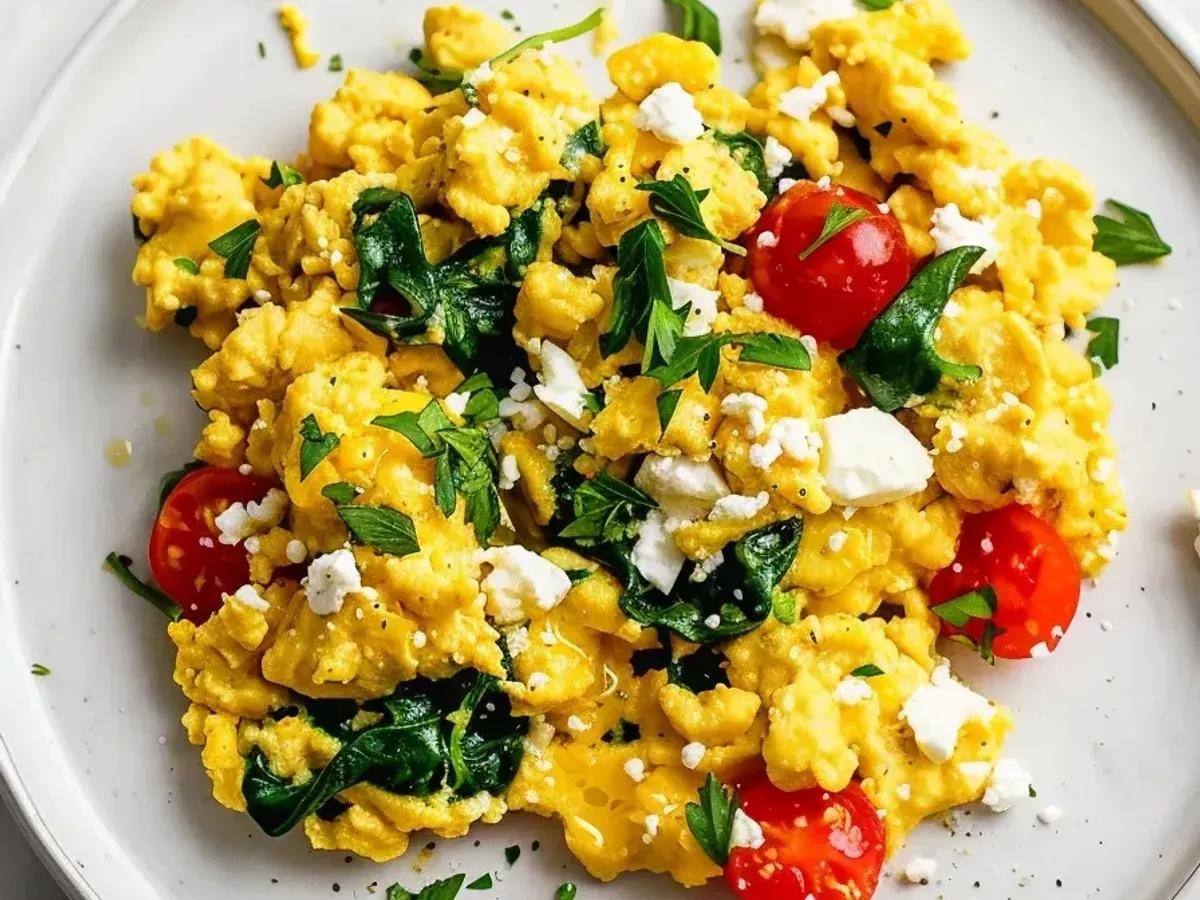
Greek Scrambled Eggs:
One of the best things about Greek Scrambled Eggs is how easy it is to prepare. With just a handful of everyday ingredients and a few minutes of cooking time, you can create a wholesome meal without spending hours in the kitchen. Olive oil adds a rich Mediterranean flavor, while oregano, black pepper, and fresh parsley bring freshness and aroma to the dish. You can also customize the recipe with spinach, red onions, bell peppers, or Kalamata olives.
Whether you are looking for a quick weekday breakfast or an elegant weekend brunch, Greek Scrambled Eggs is an excellent choice. Serve it with toasted sourdough bread, warm pita, cucumber slices, or a fresh Greek salad for a complete meal. Its bright colors, creamy texture, and savory flavor make this recipe a delicious way to bring a taste of the Mediterranean to your table.
History:
Eggs have long been an important ingredient in Greek home cooking because they are versatile, affordable, and easy to prepare. Traditional Greek cuisine often combines eggs with seasonal vegetables, olive oil, fresh herbs, and local cheeses.
Although Greek Scrambled Eggs is not one single standardized traditional recipe, it draws inspiration from familiar Greek ingredients such as feta cheese, tomatoes, oregano, and olive oil. A related Greek dish is strapatsada, also known in some regions as kagianas, which typically features eggs cooked with tomatoes and olive oil. Feta cheese and herbs are common additions in modern variations.
Today, Greek-style scrambled eggs are popular among people who enjoy Mediterranean flavors and simple, fresh meals. The recipe can be adapted to suit different tastes while retaining its characteristic combination of eggs, vegetables, herbs, and tangy feta.
Subscribe to our youtube channel Kitchenpedia for more delicious recipes and hit the like button if you enjoyed this youtubevideo. Share it with your friends and Family.
Greek Scrambled Eggs

Ingredients
- 4 large eggs
- ½ cup crumbled feta cheese
- 1 medium ripe tomato, diced
- 2 tablespoons extra-virgin olive oil
- 1 tablespoon finely chopped red onion, optional
- 1 tablespoon chopped fresh parsley
- ¼ teaspoon dried oregano
- ⅛ teaspoon freshly ground black pepper
- 2 tablespoons chopped spinach, optional
- 2–3 Kalamata olives, sliced, optional
Instructions
- Wash the tomato and parsley thoroughly. Dice the tomato into small pieces, chop the parsley, crumble the feta cheese, and slice the olives if using them. Having everything ready before cooking makes the process faster and easier.
- Crack the eggs into a medium bowl. Add the milk or water if desired, along with the black pepper and a small pinch of salt. Whisk gently until the yolks and whites are combined. Avoid adding too much salt because feta cheese already contains plenty.
- Heat the olive oil in a nonstick skillet over medium-low heat. Add the diced tomatoes and optional red onion. Cook for 3–4 minutes, stirring occasionally, until the tomatoes soften and release some of their juices.
- If using spinach, add it to the skillet and cook for another minute until wilted. Stir in the sliced olives, if desired. Keep the heat moderate so the vegetables soften without burning.
- Reduce the heat to low and pour the beaten eggs into the skillet. Allow them to sit for a few seconds, then gently stir with a silicone spatula, moving the eggs from the edges toward the center.
- When the eggs begin to form soft curds but are still slightly moist, sprinkle the crumbled feta cheese over them. Fold gently to distribute the cheese throughout the mixture. Some feta pieces will soften while retaining their distinctive tangy flavor.
- Sprinkle the dried oregano and chopped fresh parsley over the eggs. Continue cooking for another 1–2 minutes, stirring gently, until the eggs are just set but remain soft and creamy.
- Remove the skillet from the heat before the eggs become dry. Transfer the Greek Scrambled Eggs to serving plates and garnish with additional parsley or a small drizzle of olive oil. Serve immediately with toasted bread, warm pita, or fresh cucumber slices.
Notes
- Choose fresh eggs: Fresh eggs provide a pleasant flavor and help create soft, tender curds.
- Use ripe tomatoes: Ripe tomatoes add natural sweetness and moisture to the dish.
- Prefer authentic feta: Greek-style feta made from sheep's milk or a sheep-and-goat milk blend offers a distinctive tangy flavor.
- Control the heat: Low to medium-low heat helps prevent the eggs from becoming rubbery.
- Season carefully: Feta cheese is salty, so add salt gradually.
- Avoid excess liquid: Tomatoes release moisture as they cook. If the skillet looks watery, let some liquid evaporate before adding the eggs.
- Add herbs at the right time: Dried oregano can cook briefly with the eggs, while fresh parsley is best added near the end.
- Serve fresh: Scrambled eggs taste best immediately after cooking, when their texture is soft and creamy.
Tips for Greek Scrambled Eggs:
- Whisk the eggs just before cooking to keep the mixture fresh and well combined.
- Use a nonstick skillet to make stirring easier and reduce sticking.
- Cook the tomatoes first to develop their flavor before adding the eggs.
- Stir slowly and gently instead of constantly beating the eggs in the pan.
- Add the feta when the eggs are partly set so it warms without disappearing completely into the mixture.
- Include baby spinach or chopped bell peppers for additional vegetables.
- Add a few Kalamata olives for a stronger Mediterranean flavor.
- Remove the pan from the heat while the eggs are still slightly glossy, as residual heat will finish cooking them.
FAQs for Greek Scrambled Eggs:
1. What makes Greek Scrambled Eggs different from regular scrambled eggs?
Greek Scrambled Eggs typically includes Mediterranean ingredients such as feta cheese, tomatoes, olive oil, oregano, and fresh herbs. These additions create a tangy, savory flavor that distinguishes it from plain scrambled eggs.
2. Can I make Greek Scrambled Eggs without feta cheese?
Yes. You can leave out the feta or replace it with a cheese you enjoy. However, feta provides the characteristic salty and tangy flavor associated with this recipe.
3. Can I use cherry tomatoes instead of regular tomatoes?
Absolutely. Halve a handful of cherry tomatoes and cook them in olive oil until softened. They are naturally sweet and work particularly well in this dish.
4. Is Greek Scrambled Eggs healthy?
It can be part of a balanced diet. Eggs provide protein, while tomatoes contribute vitamins and other beneficial plant compounds. Olive oil provides unsaturated fats. The overall nutritional profile depends on portion size and the amount of feta and oil used.
5. Can I prepare this recipe without milk?
Yes. Milk is optional. The eggs will still turn out delicious when whisked on their own. A tablespoon or two of water can also be used if you prefer.
6. Can I add spinach to Greek Scrambled Eggs?
Yes. Add chopped fresh spinach to the skillet after cooking the tomatoes, and stir until the leaves wilt before pouring in the eggs.
7. What can I serve with Greek Scrambled Eggs?
Serve it with toasted sourdough, whole-grain bread, warm pita, sliced cucumbers, olives, or a simple Greek salad. Roasted potatoes also make a satisfying side dish.
8. Can I store leftover Greek Scrambled Eggs?
Store leftovers in an airtight container in the refrigerator within two hours of cooking and eat within 3–4 days. Reheat gently until steaming hot, although the eggs may lose some of their original softness. For the best texture, prepare only the amount you plan to eat.
9. Can I make this recipe dairy-free?
Yes. Omit the feta cheese and use olive oil instead of butter. You can add extra herbs, olives, or sautéed vegetables to maintain a flavorful dish.
10. How do I keep scrambled eggs creamy?
Cook them over low heat, stir gently, and remove the pan from the heat before the eggs become completely firm. Overcooking is the main reason scrambled eggs turn dry.
Conclusion:
Greek Scrambled Eggs is an easy, flavorful recipe that brings Mediterranean ingredients to your breakfast table. The combination of fluffy eggs, juicy tomatoes, tangy feta cheese, olive oil, and aromatic herbs creates a delicious dish without requiring complicated cooking techniques.
Perfect for busy mornings, relaxed weekend brunches, or a light evening meal, this recipe is also highly customizable. Add spinach for extra vegetables, olives for a briny flavor, or fresh herbs for a fragrant finish. Serve it warm with crusty bread or fresh vegetables, and enjoy a simple meal inspired by the fresh flavors of Greek cuisine.