

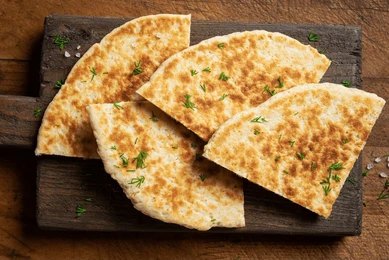
Homemade pita bread is a soft, fluffy flatbread famous for its signature pocket that forms when baked at high heat. This versatile bread is a staple across the Middle East and Mediterranean regions, often used for wraps, sandwiches, or dipping into flavorful spreads like hummus and baba ganoush. Making pita bread at home may seem intimidating, but it’s surprisingly simple and incredibly rewarding.
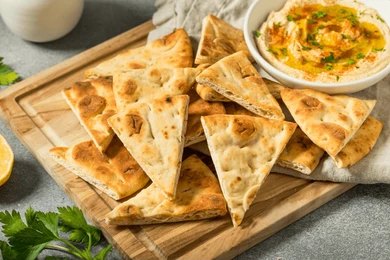
Pita Bread:
Freshly baked pita bread has a light texture and a mild, slightly nutty flavor that pairs beautifully with savory dishes. Unlike store-bought versions, homemade pita is soft, warm, and perfectly chewy. The magic happens when the dough hits a very hot oven or skillet, causing steam to puff the bread and create its famous pocket.Whether you’re serving it alongside grilled meats, stuffing it with vegetables and sauces, or enjoying it with dips, homemade pita bread elevates any meal. With just a few basic ingredients and simple steps, you can recreate this classic bakery favorite right in your kitchen.
History:
Pita bread has ancient roots that trace back thousands of years in the Middle East. Archaeological evidence suggests similar flatbreads were baked by early civilizations in the Fertile Crescent using simple mixtures of flour and water cooked on hot stones.Over time, pita became a staple food in countries like Lebanon, Israel, Egypt, Turkey, and Greece. The characteristic pocket likely developed when high-temperature ovens caused steam to puff the dough during baking.
Subscribe to our youtube channel Kitchenpedia for more delicious recipes and hit the like button if you enjoyed this youtubevideo. Share it with your friends and Family.
Homemade Pita Bread – Authentic Middle Eastern

Ingredients
- 3 cups all-purpose flour
- 1 tablespoon sugar
- 1 teaspoon salt
- 2 teaspoons active dry yeast
- 1 cup warm water
- 2 tablespoons olive oil
Instructions
- In a bowl, combine warm water, sugar, and yeast. Let it sit for about 5–10 minutes until the mixture becomes foamy.
- Add flour, salt, and olive oil to the yeast mixture. Mix until a soft dough forms.
- Transfer the dough to a floured surface and knead for about 8–10 minutes until smooth and elastic.
- Place the dough in a lightly oiled bowl, cover with a cloth, and let it rise in a warm place for about 1 hour until doubled in size.
- Punch down the dough and divide it into 8 equal portions. Roll each piece into a smooth ball.
- Roll each ball into a round disc about ¼ inch thick.
- Preheat the oven to 475°F (245°C) and place a baking tray inside to heat. Bake each pita for about 3–4 minutes until it puffs up.
- Remove from oven and cover with a clean towel to keep soft. Serve warm.
Notes
- High heat is essential for the pita pocket to form.
- Do not roll the dough too thin.
- Let the dough rest if it shrinks while rolling.
- Use bread flour for chewier texture.
- Cover baked pita to keep them soft.
- Dough can be refrigerated overnight.
- Pita can also be cooked in a hot skillet.
- Homemade pita freezes very well.
Tips for Pita Bread:
- Preheat the baking tray for better puffing.
- Roll evenly to help the bread rise uniformly.
- Use a pizza stone for bakery-quality results.
- Avoid adding too much flour when kneading.
- Bake in batches for consistent results.
- Flip pita halfway if baking in a skillet.
- Brush with olive oil for extra softness.
- Store in airtight bags to maintain freshness.
FAQs for Pita Bread:
1. Why didn’t my pita puff up?
The oven may not have been hot enough, or the dough was rolled too thin.
2. Can I make pita without yeast?
Yes, but it will not form the classic pocket.
3. How do I store pita bread?
Store in an airtight container at room temperature for up to 3 days.
4. Can pita bread be frozen?
Yes, freeze in sealed bags for up to 3 months.
5. Can I use whole wheat flour?
Yes, substitute half or all of the flour with whole wheat flour.
6. What can I eat with pita bread?
It pairs well with hummus, falafel, grilled meats, and salads.
7. Can I cook pita in a pan?
Yes, a very hot skillet works well.
8. Why is my pita dense?
The dough may not have risen long enough or was overworked.
Conclusion:
Homemade pita bread is simple to prepare and incredibly satisfying. With just a few basic ingredients, you can create soft, fluffy flatbreads with perfect pockets ready for stuffing or dipping. Fresh pita brings warmth and authenticity to any meal and tastes far better than store-bought versions. Once you try making it at home, it may quickly become a staple in your kitchen.