

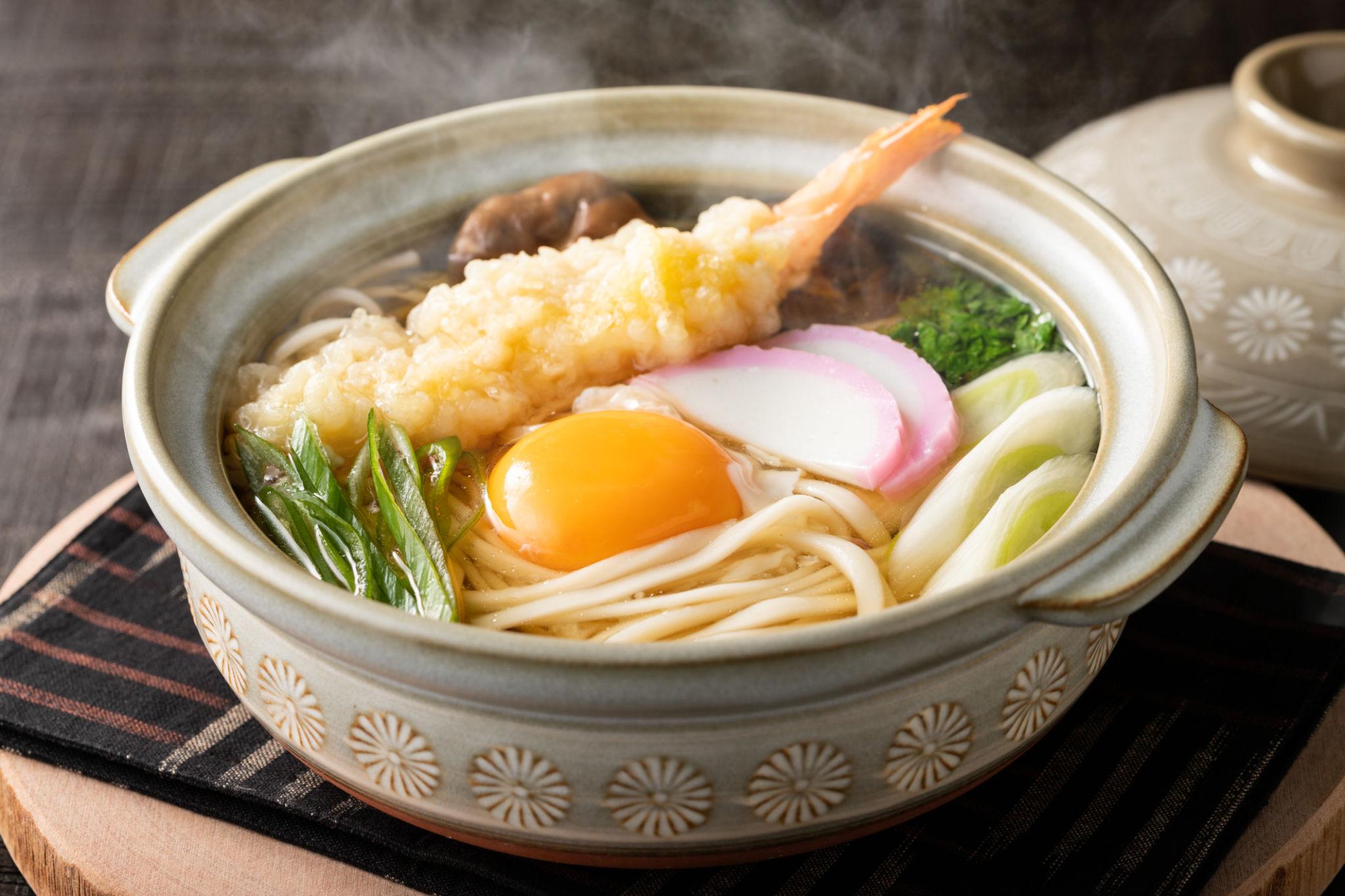
Japanese Nabeyaki Udon Soup is a comforting one-pot Japanese noodle dish traditionally cooked and served in an individual clay pot called a donabe. Thick, chewy udon noodles simmer in a savory dashi-based broth alongside chicken, shrimp, vegetables, mushrooms, and a softly cooked egg. The result is a warm, satisfying meal with layers of texture and flavor in every spoonful.The word nabeyaki refers to food cooked in a pot, while udon refers to the thick wheat noodles used in the dish. Unlike ordinary noodle soup, Nabeyaki Udon is assembled directly in the cooking vessel, allowing the ingredients to simmer together and absorb the flavorful broth.
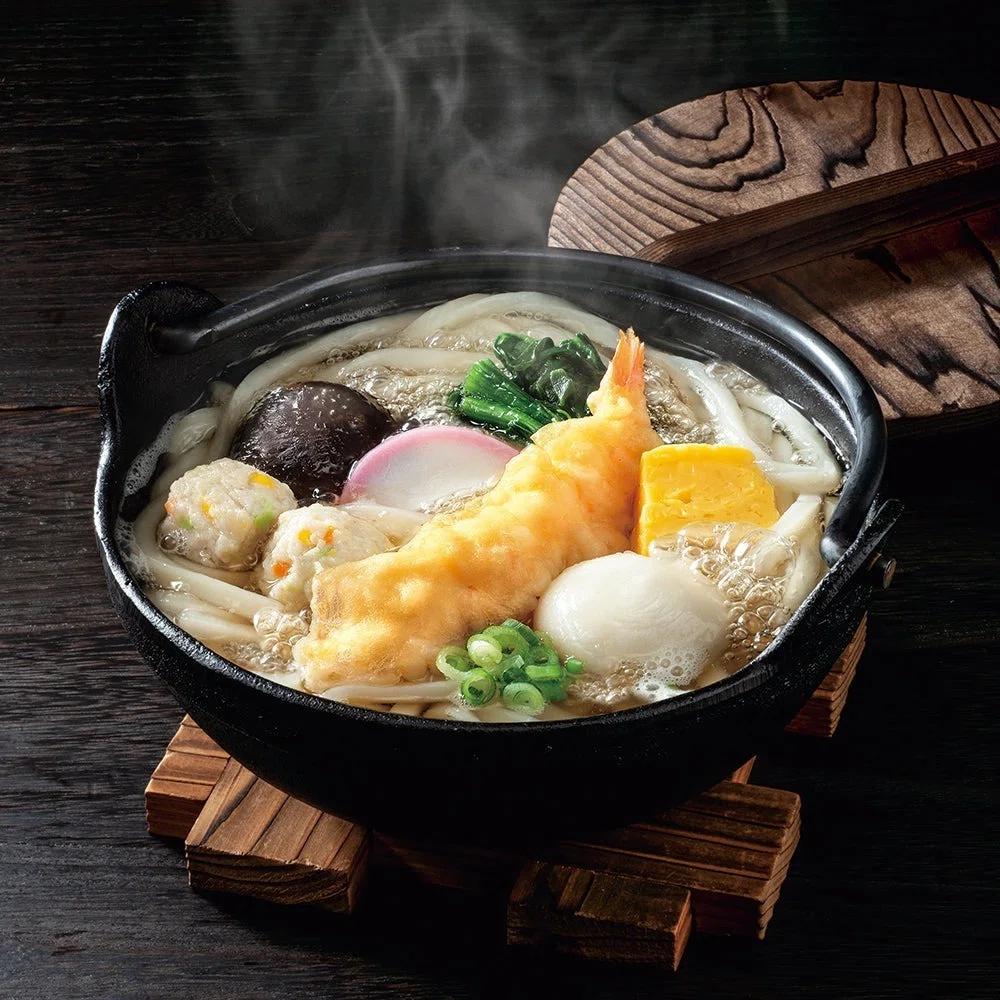
Japanese Nabeyaki Udon Soup:
A final egg is often cracked directly into the bubbling soup and cooked until the white sets while the yolk remains wonderfully soft.Nabeyaki Udon is particularly comforting during cold weather, but it can be enjoyed throughout the year. It makes an excellent weeknight dinner because the broth, noodles, protein, and vegetables come together in one pot. Served piping hot with crispy tempura shrimp or fish cake on top, it is both rustic and beautifully presented.
History:
Nabeyaki Udon is associated with Japanese restaurant and home cooking traditions, particularly the practice of serving hot-pot dishes directly in individual vessels. The dish became especially popular as a warming meal during Japan’s colder months.The defining feature of Nabeyaki Udon is its cooking and serving method. Ingredients are simmered in a small pot, traditionally a heat-retaining earthenware donabe. This keeps the soup hot at the table and allows diners to enjoy the meal almost immediately after cooking.There is no single fixed ingredient list for Nabeyaki Udon. Regional and household versions may include chicken, shrimp, kamaboko fish cake, shiitake mushrooms, spinach, carrots, green onions, napa cabbage, or other seasonal ingredients. Tempura is also a popular addition because its crispy coating contrasts beautifully with the hot, savory broth.
Subscribe to our youtube channel Kitchenpedia for more delicious recipes and hit the like button if you enjoyed this youtubevideo. Share it with your friends and Family.
Japanese Nabeyaki Udon Soup

Ingredients
For the Broth
- 4 cups (960 ml) dashi stock
- 3 tablespoons soy sauce
- 2 tablespoons mirin
- 1 teaspoon sugar
- 1 teaspoon grated fresh ginger, optional
- ½ teaspoon salt, or to taste
For the Udon
- 2 portions frozen or fresh udon noodles
- 4 ounces (115 g) boneless chicken thigh, thinly sliced
- 4–6 peeled shrimp
- 2 large eggs
- 2 shiitake mushrooms, sliced
- ½ cup napa cabbage, chopped
- 2 green onions, sliced
- 4 slices kamaboko fish cake
- ½ cup fresh spinach
- 2 pieces shrimp or vegetable tempura, optional
For Garnishing
- Sliced green onions
- Shichimi togarashi
- Toasted sesame seeds, optional
- Nori strips, optional
Instructions
Prepare the Ingredients
- Wash and prepare all vegetables before starting.Thinly slice the chicken, mushrooms, carrots, and green onions.If using frozen udon, there is usually no need to thaw it completely.Keep the shrimp peeled and deveined.
Prepare the Broth
- Add the dashi stock to a medium saucepan.Stir in the soy sauce, mirin, sugar, and optional ginger.Bring the broth to a gentle simmer.Taste and adjust the seasoning with a little salt if necessary.The broth should taste savory, lightly sweet, and balanced
Cook the Chicken
- Add the sliced chicken to the simmering broth.Cook for approximately 4–5 minutes, or until the chicken is cooked through.Skim away any foam that rises to the surface if necessary.
Add the Vegetables
- Add the shiitake mushrooms, carrots, and napa cabbage.Simmer for approximately 2–3 minutes.The vegetables should become tender while retaining some texture.
Add the Udon
- Add the udon noodles to the broth.Cook according to the package instructions, usually for several minutes until the noodles become hot and tender.If using frozen udon, gently separate the noodles as they soften.
Add the Shrimp
- Place the shrimp into the simmering soup.Cook until they turn pink and opaque, usually about 2–3 minutes depending on size.Avoid overcooking the shrimp.
Add the Fish Cake and Spinach
- Add the kamaboko slices and spinach.Simmer briefly until the spinach wilts and the fish cake is heated through.
Add the Egg
- Carefully crack an egg into each portion of the simmering soup.Cover the pot and cook for approximately 2–4 minutes, depending on how firm you want the egg.For a soft yolk, remove the pot from the heat while the yolk is still slightly soft.
Add Tempura
- Place a piece of shrimp or vegetable tempura on top immediately before serving.Adding it at the end keeps some of its crispness while allowing a little of the flavorful broth to soak into the coating.
Garnish
- Sprinkle with sliced green onions.Add shichimi togarashi for gentle heat.Optional nori strips and toasted sesame seeds add extra flavor and texture.
Serve Immediately
- Serve the Nabeyaki Udon while piping hot.If using individual heatproof pots, bring them directly to the table for the traditional presentation.Be careful because the pot and broth will be extremely hot.
Notes
- Use dashi for authentic flavor: Dashi provides the characteristic savory Japanese foundation of the soup.
- Frozen udon works beautifully: Frozen udon often has an excellent chewy texture and is convenient for quick meals.
- Use chicken thigh: Thigh meat remains tender during simmering and provides more flavor than very lean cuts.
- Shrimp cook quickly: Add them toward the end to prevent a rubbery texture.
- Egg doneness is personal: Adjust the cooking time depending on whether you prefer a runny or firm yolk.
- Tempura is optional: It adds classic texture but can be omitted for a lighter soup.
- Watch the salt: Soy sauce and dashi can vary in saltiness, so taste before adding additional salt.
- Serve immediately: Nabeyaki Udon is best enjoyed while the broth is extremely hot and the noodles are chewy.
Tips for Japanese Nabeyaki Udon Soup:
- Use quality dashi: Homemade dashi provides excellent depth, but instant dashi is a convenient alternative.
- Do not boil the broth aggressively: A gentle simmer keeps the ingredients tender and the broth clean.
- Slice ingredients thinly: Thin vegetables and chicken cook quickly and evenly.
- Keep the udon chewy: Avoid prolonged cooking after the noodles are tender.
- Add ingredients in stages: Ingredients with different cooking times should not all go into the pot at once.
- Use a donabe if available: An authentic Japanese clay pot retains heat exceptionally well.
- Add tempura at the last moment: This helps preserve some of its crisp texture.
- Taste before serving: Adjust soy sauce, mirin, salt, or dashi to create the balance you prefer.
FAQs for Japanese Nabeyaki Udon Soup:
1. What does Nabeyaki Udon mean?
Nabeyaki refers to food cooked in a pot, while udon refers to thick Japanese wheat noodles. Nabeyaki Udon is therefore udon cooked in a hot pot with broth and various toppings.
2. What kind of noodles should I use?
Fresh or frozen Japanese udon noodles are excellent choices. Frozen udon is particularly convenient and usually maintains a pleasantly chewy texture.
3. What is the difference between Nabeyaki Udon and regular Udon soup?
Nabeyaki Udon is typically cooked with multiple ingredients directly in the pot and traditionally served very hot in an individual pot. Regular udon soup can have a simpler broth and topping combination.
4. Can I make Nabeyaki Udon without dashi?
Yes, although dashi provides the traditional Japanese savory flavor. A suitable mushroom or vegetable broth can be used for a vegetarian alternative.
5. Can I use frozen shrimp?
Yes. Thaw the shrimp thoroughly and pat them dry before adding them to the soup.
6. Can I prepare Nabeyaki Udon ahead of time?
It is best prepared and served immediately. If preparing components ahead, keep the broth, vegetables, protein, and noodles separate and assemble shortly before serving.
7. Can I use a regular saucepan?
Yes. A regular saucepan or small pot works perfectly well. For traditional presentation, transfer the finished soup to an individual heatproof pot.
8. Why is my udon too soft?
The noodles may have been cooked for too long. Add them toward the end and cook only until they are heated through and pleasantly chewy.
Conclusion:
Japanese Nabeyaki Udon Soup is the ultimate comfort food for anyone who loves hearty noodles, savory broth, tender vegetables, and satisfying toppings. Its combination of chewy udon, chicken, shrimp, mushrooms, vegetables, fish cake, and softly cooked egg creates a complete meal in one wonderfully fragrant pot.
The beauty of Nabeyaki Udon is its flexibility. You can follow the traditional combination or adapt the ingredients to whatever you have available. Add more mushrooms, use seafood, make it vegetarian, or include your favorite tempura.Serve it piping hot with green onions and shichimi togarashi, and enjoy it straight from the pot for the full Japanese hot-pot experience. This comforting dish is simple enough for a weeknight meal yet special enough to serve when you want something warm, beautiful, and deeply satisfying.