

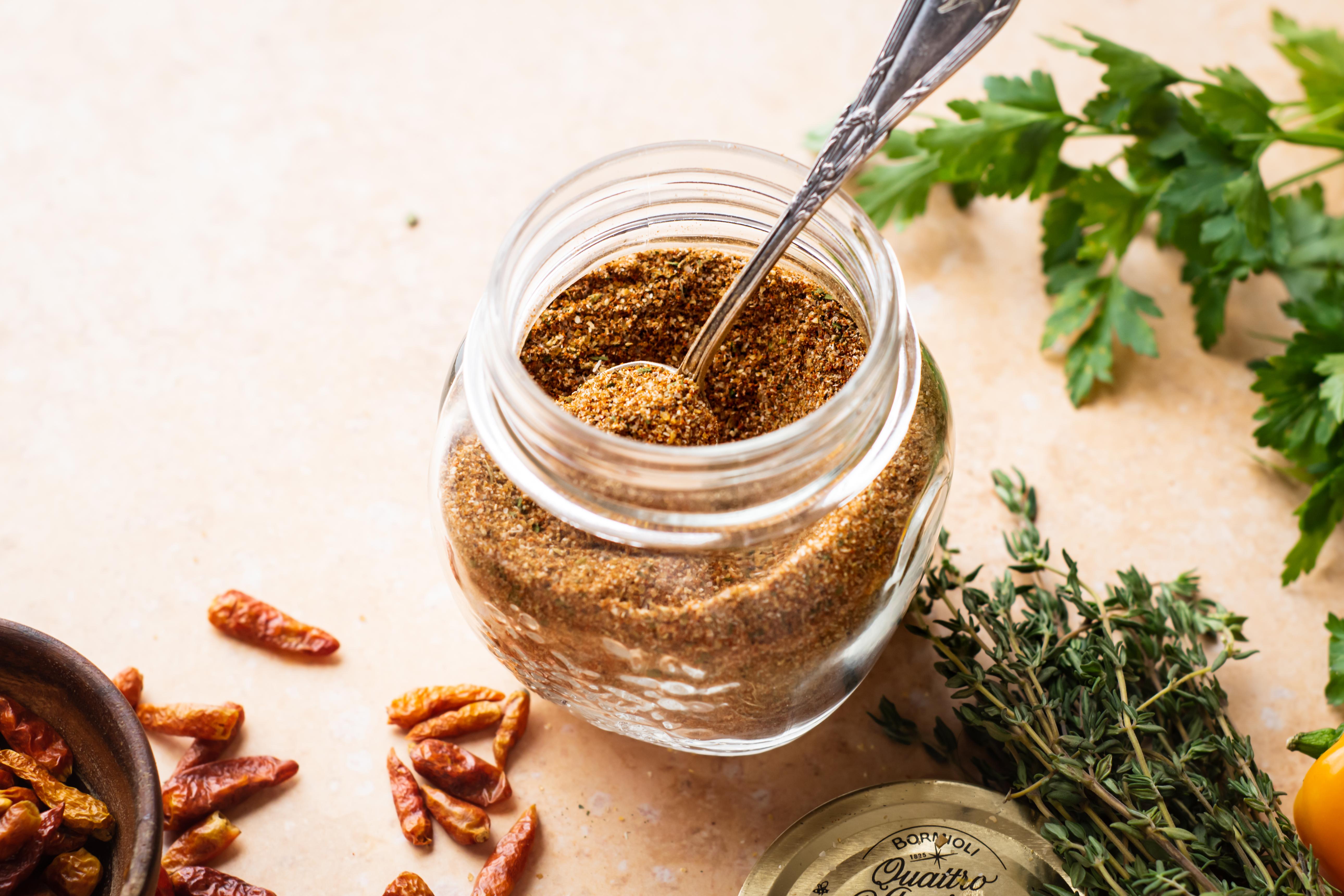
Jerk Marinade Seasoning Rub is the secret to creating intensely flavorful Jamaican-style dishes at home. This versatile seasoning combines aromatic herbs, warming spices, fresh garlic, ginger, scallions, citrus, and the unmistakable heat of Scotch bonnet peppers. Whether used as a dry rub, wet marinade, or seasoning paste, it gives meats and vegetables a delicious Caribbean character.
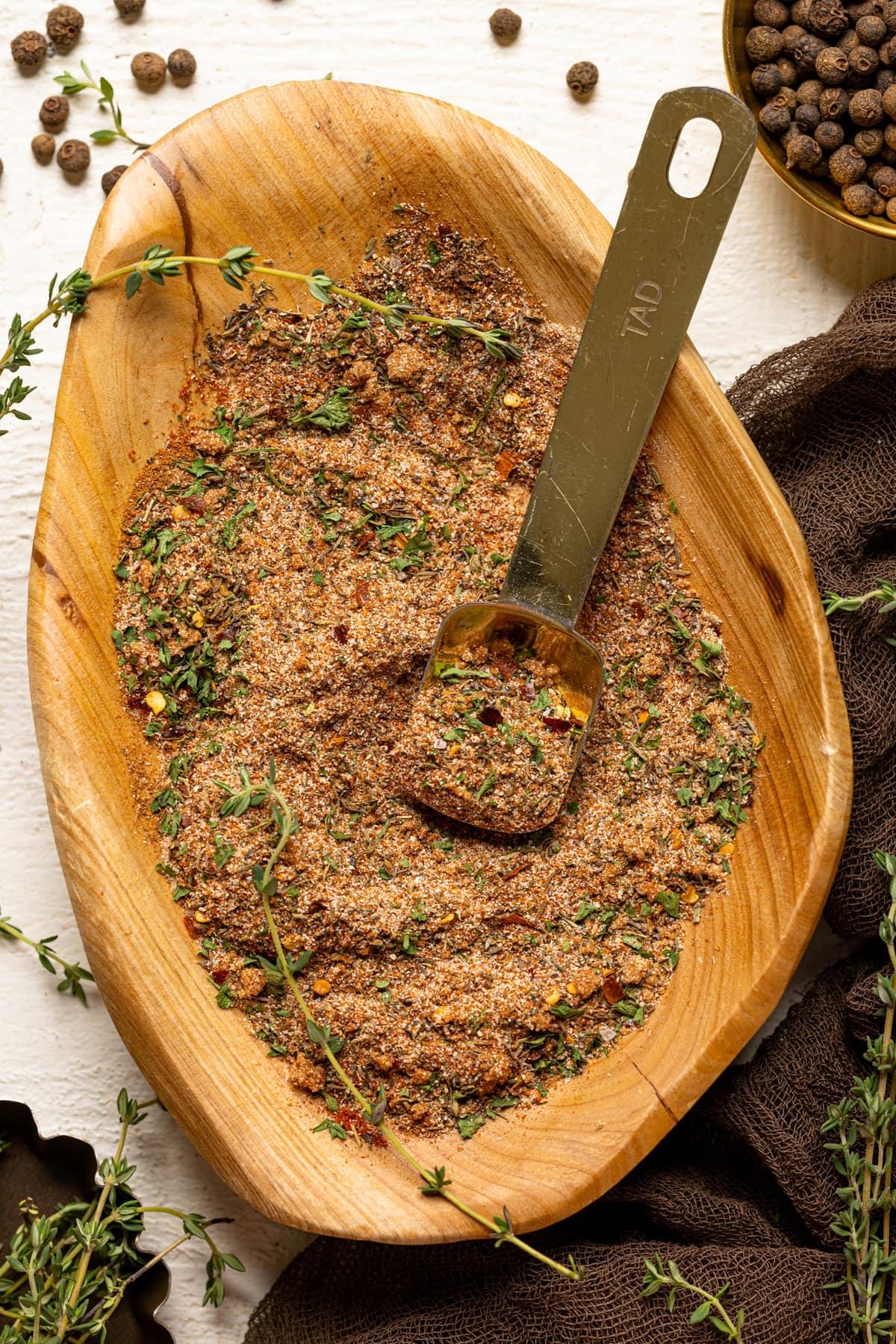
Jerk Marinade Seasoning Rub:
Traditional Jamaican jerk seasoning is known for its bold balance of heat, sweetness, acidity, herbs, and warm spices. Allspice, also known as pimento, is particularly important because it provides the distinctive flavor associated with authentic Jamaican jerk cooking. Fresh thyme, scallions, ginger, and garlic add layers of savory aroma.This homemade jerk seasoning rub is incredibly versatile. Use it on chicken thighs, drumsticks, pork, shrimp, fish, steak, tofu, or roasted vegetables. Prepare a batch ahead of time and keep it refrigerated for quick weeknight meals, grilling, roasting, or baking.
History of Jamaican Jerk Seasoning:
Jerk cooking is one of Jamaica’s most recognizable culinary traditions. Its roots are generally associated with Indigenous Taíno cooking practices and African communities in Jamaica, whose techniques and ingredients helped shape the jerk tradition.Early jerk preparations relied on local ingredients and cooking over wood, particularly pimento wood. Jamaican cooks developed a distinctive combination of hot peppers, allspice, thyme, scallions, and aromatic spices that became the foundation of jerk seasoning.Today, jerk seasoning is enjoyed worldwide. While modern recipes vary considerably, Scotch bonnet peppers, allspice, thyme, scallions, garlic, and ginger remain some of the most characteristic ingredients.
Subscribe to our youtube channel Kitchenpedia for more delicious recipes and hit the like button if you enjoyed this youtubevideo. Share it with your friends and Family.
Jerk Marinade Seasoning Rub

Ingredients
For the Wet Jerk Marinade
- 6 scallions, roughly chopped
- 4 garlic cloves
- 1–2 Scotch bonnet peppers
- 2 tablespoons fresh ginger, grated
- 2 tablespoons fresh thyme leaves
- 2 teaspoons ground allspice
- 1 teaspoon black pepper
- 1 teaspoon smoked paprika
- ½ teaspoon ground nutmeg
- ½ teaspoon ground cloves
- 1 teaspoon salt
- ¼ cup soy sauce
- ¼ cup fresh lime juice
- ¼ cup orange juice
- 2 tablespoons apple cider vinegar
- 2 tablespoons vegetable oil
- 1 teaspoon Worcestershire sauce
Dry Jerk Rub
- 2 tablespoons ground allspice
- 1 tablespoon dried thyme
- 1 tablespoon brown sugar
- 2 teaspoons smoked paprika
- 1 teaspoon garlic powder
- 1 teaspoon ground ginger
- 1 teaspoon cinnamon
- ½ teaspoon nutmeg
- ½ teaspoon ground cloves
- ½–1 teaspoon cayenne pepper
- 1 teaspoon salt
Instructions
Prepare the Aromatics
- Wash and roughly chop the scallions.Peel the garlic and ginger.Remove the stems from the Scotch bonnet peppers. For a milder marinade, remove some or all of the seeds and inner membranes.
Combine the Ingredients
- Add scallions, garlic, Scotch bonnet peppers, ginger, thyme, allspice, black pepper, paprika, cinnamon, nutmeg, cloves, salt, brown sugar, soy sauce, lime juice, orange juice, vinegar, oil, and Worcestershire sauce to a blender or food processor.
Blend
- Blend until the ingredients form a thick, relatively smooth paste.If necessary, scrape down the sides of the blender and blend again.
Taste Carefully
- Taste a tiny amount of the finished marinade.Adjust the seasoning if needed. Add more lime for acidity, brown sugar for sweetness, or Scotch bonnet for extra heat.
Marinate Your Protein
- Place chicken, pork, fish, shrimp, or another protein in a food-safe container.Add enough jerk marinade to coat the food thoroughly.Cover and refrigerate.
Cook
- baking, roasting, pan-searing, or air frying.For food safety, discard marinade that has contacted raw meat or seafood unless it is brought to a full boil before being used as a sauce.
Notes
- Allspice is essential for the characteristic flavor of Jamaican jerk seasoning.
- Scotch bonnet peppers can be extremely hot, so start with less if you're sensitive to spice.
- Fresh thyme provides a much more vibrant flavor than dried thyme.
- The marinade can be blended completely smooth or left slightly coarse.
- Don't marinate delicate fish and seafood for excessively long periods.
- Always refrigerate food while it is marinating.
- Never reuse marinade that has touched raw meat unless it is thoroughly boiled.
- Store leftover homemade marinade in a clean airtight container in the refrigerator.
Tips for Marinade Seasoning Rub:
- Use fresh allspice when possible by grinding whole pimento berries for an especially aromatic seasoning.
- Balance heat with sweetness and acidity rather than relying only on Scotch bonnet peppers.
- Score chicken pieces before marinating to help the seasoning penetrate.
- Pat meat dry before applying dry rub to encourage better browning.
- Allow seasoned meat to rest before cooking for deeper flavor.
- Don’t burn the marinade because its sugar content can caramelize quickly.
- Make a double batch and freeze a portion for convenient future meals.
- Reserve a clean portion before adding raw meat if you want to use the seasoning as a finishing sauce.
FAQs for Marinade Seasoning Rub:
Q: What is jerk seasoning made of?
Traditional-style jerk seasoning commonly includes Scotch bonnet peppers, allspice, thyme, scallions, garlic, ginger, black pepper, and other spices. Modern recipes often add citrus, soy sauce, vinegar, brown sugar, and oil.
Q: What does jerk seasoning taste like?
It is spicy, aromatic, savory, slightly sweet, and tangy. Allspice gives it a distinctive warm flavor, while Scotch bonnet provides the signature heat.
Q: Is jerk seasoning very spicy?
It can be. Scotch bonnet peppers are naturally very hot. You can reduce the quantity or use a milder chili for a gentler version.
Q: Can I make jerk seasoning without Scotch bonnet?
Yes, although the flavor won’t be exactly the same. Habanero peppers can provide a similar type of heat, while milder peppers can be used if you don’t want much spice.
Q: Can I use jerk seasoning on vegetables?
Absolutely. It works particularly well with cauliflower, sweet potatoes, mushrooms, zucchini, peppers, corn, and eggplant.
Q: How much jerk seasoning should I use?
For a dry rub, start with approximately 1–2 tablespoons per pound of food. For wet marinade, use enough to thoroughly coat the protein.
Q: Can I make jerk seasoning ahead of time?
Yes. The dry rub can be prepared weeks ahead if stored properly. Wet marinade can also be made ahead and refrigerated in an airtight container.
Q: How long does homemade jerk marinade last?
For best quality, use freshly prepared wet marinade within several days when properly refrigerated. Keep it in a clean, airtight container and always follow safe food-handling practices.
Q: Can I freeze jerk marinade?
Yes. Freeze the marinade in small portions for convenient use later. Thaw it in the refrigerator before using.
Q: What foods work best with jerk seasoning?
Chicken is perhaps the most popular choice, but jerk seasoning is excellent with pork, beef, shrimp, fish, tofu, mushrooms, vegetables, and even roasted potatoes.
Conclusion:
Jerk Marinade Seasoning Rub is an easy way to bring the bold, aromatic flavors of Jamaican cooking into your kitchen. With fiery Scotch bonnet peppers, fragrant allspice, fresh thyme, scallions, ginger, garlic, citrus, and warming spices, this versatile blend can transform everyday ingredients into something truly special.
For the deepest flavor, give chicken or pork several hours to marinate before grilling, baking, or roasting. If you’re short on time, the dry rub offers a convenient alternative and can be mixed in minutes.