

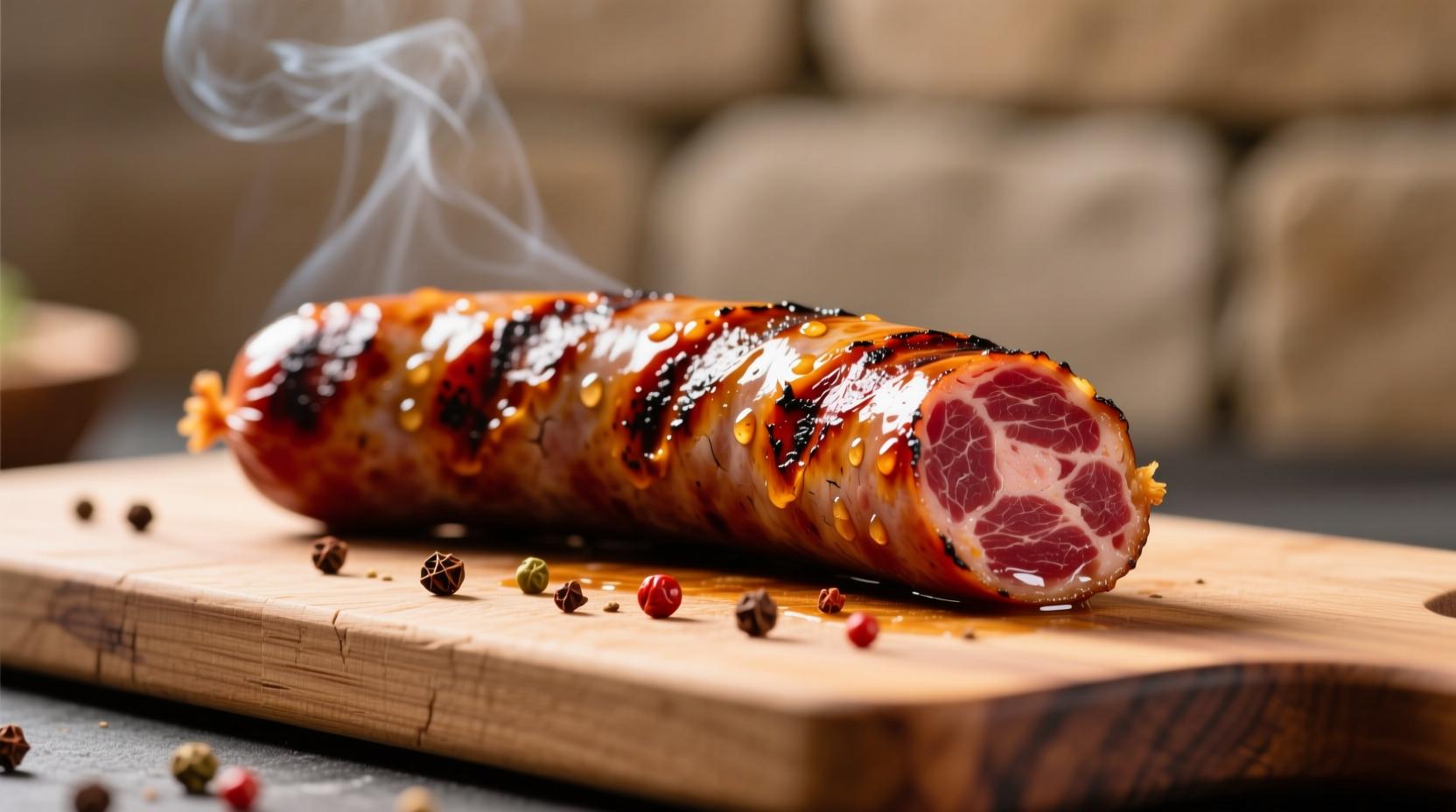
Linguiça (Smoked Portuguese Sausage) also spelled linguiça, is a flavorful Portuguese sausage celebrated for its smoky aroma, savory taste, and delicious blend of garlic, paprika, and traditional seasonings. Popular in Portugal and Portuguese communities around the world, this sausage is a versatile ingredient that adds incredible depth to soups, stews, rice dishes, sandwiches, and grilled meals. Its distinctive flavor makes it a favorite among people who enjoy rustic, comforting food with a rich culinary heritage.Traditionally prepared with pork, linguiça is seasoned with garlic, paprika, salt, and other spices before being cured or smoked, depending on the regional style.
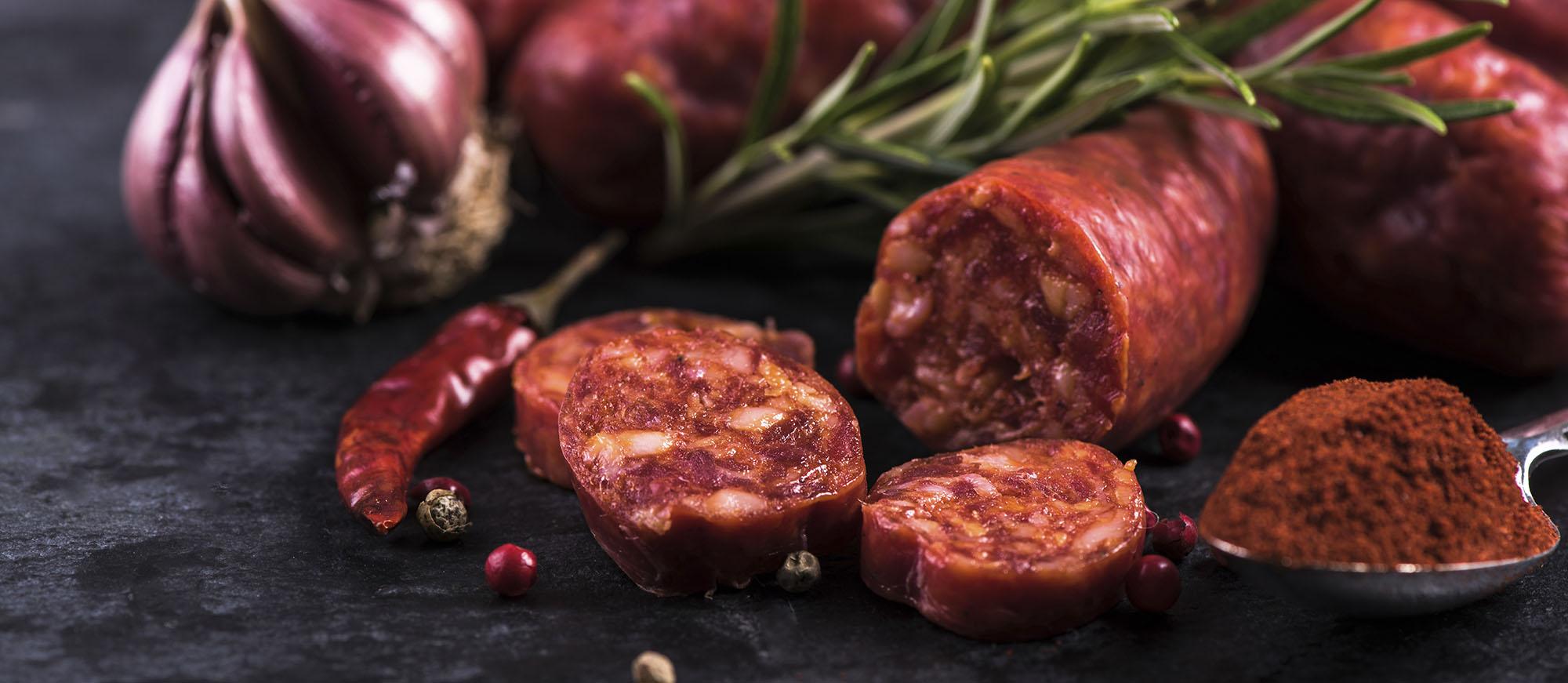
Linguiça (Smoked Portuguese Sausage)::
The seasoning mixture gives the sausage its characteristic reddish color and bold aroma. Unlike some heavily spiced sausages, linguiça often balances savory pork flavor with gentle smokiness and aromatic spices. It can be pan-fried, grilled, baked, or simmered in traditional dishes, making it suitable for everyday meals as well as special occasions.Making linguiça at home allows you to customize the seasoning, garlic intensity, smokiness, and texture according to your preferences. Although traditional versions may require curing and controlled smoking, a fresh homemade version can be prepared with properly handled ground pork and cooked thoroughly before serving. Whether you are exploring Portuguese cuisine for the first time or recreating a beloved family recipe, this Portuguese sausage offers a delicious way to experience the country’s rich food traditions.
History:
Linguiça has deep roots in Portuguese culinary traditions, where preserving meat and seasoning it with locally available ingredients developed into an important part of everyday cooking. Pork has long played a significant role in Portuguese food culture, and sausage-making became a practical way to use different cuts of meat while creating flavorful products that could be stored and enjoyed in numerous dishes.Garlic and paprika are important ingredients in many familiar versions of linguiça. Depending on the region and recipe, producers may also use wine, vinegar, pepper, and other seasonings. The sausage can be air-dried, cured, smoked, or prepared as a fresh sausage, depending on the particular tradition and production method.Portuguese migration helped introduce linguiça to communities around the world, especially in places such as Brazil, Hawaii, and parts of North America. Regional adaptations developed over time, creating variations in seasoning, texture, and preparation. Today, linguiça remains a popular ingredient in Portuguese-inspired meals, including bean stews, hearty soups, grilled dishes, and breakfast plates.
Subscribe to our youtube channel Kitchenpedia for more delicious recipes and hit the like button if you enjoyed this youtubevideo. Share it with your friends and Family.
Linguica (Smoked Portuguese Sausage)

Ingredients
- 2 pounds (900 g) ground pork, preferably with some fat
- 5 cloves garlic, finely minced
- 2 tablespoons sweet paprika
- 1 teaspoon smoked paprika
- 1 teaspoon freshly ground black pepper
- 1 teaspoon dried oregano
- 1 teaspoon salt, adjusted to taste
- ¼ teaspoon cayenne pepper, optional
- ¼ cup dry red wine or red wine vinegar diluted according to taste
- 1 tablespoon cold water, if needed for mixing
- Sausage casings, optional, if you have suitable equipment
Instructions
- Place the minced garlic, sweet paprika, smoked paprika, black pepper, oregano, salt, and optional cayenne pepper in a small bowl. Mix thoroughly so the spices are evenly distributed.This seasoning blend creates the bold, savory flavor associated with Portuguese-style linguiça.
- Place the ground pork in a large mixing bowl. Add the seasoning mixture and pour in the red wine, if using.Mix gently but thoroughly with clean hands or a sturdy spoon until the seasonings are evenly incorporated. Avoid excessive mixing, which can make the finished sausage dense.
- Cover the bowl and refrigerate for 2–4 hours to allow the flavors to develop. Keep the pork refrigerated at or below 4°C (40°F).For the best texture and flavor, cook a small test portion in a skillet and adjust the seasoning before shaping the remaining mixture.
- If using casings, prepare and fill them according to the casing manufacturer's instructions and your sausage-making equipment.Alternatively, shape the mixture into small sausage logs or patties. Place them on a clean plate or tray and keep refrigerated until ready to cook.Important: Do not treat this fresh sausage mixture as shelf-stable or ready-to-eat smoked sausage. Do not leave it at room temperature to ferment, dry, or cure.
- Heat a skillet over medium heat. Add a small amount of oil only if necessary, then place the fresh sausage portions in the pan.Cook, turning occasionally, until browned on the outside and cooked through. Cooking time depends on the thickness of the sausage. For oven preparation, arrange the sausage on a lined baking tray and cook in a preheated oven at 190°C (375°F) until fully cooked.Ground pork sausage should reach an internal temperature of 71°C (160°F), measured with a food thermometer.
- Transfer the cooked sausage to a clean plate and allow it to rest for approximately 3–5 minutes. This helps the juices settle and makes the sausage easier to slice.
- Slice the cooked linguiça and serve it with Portuguese-style rice, sautéed vegetables, roasted potatoes, beans, or crusty bread. You can also add it to soups and stews for a smoky, savory flavor.
Notes
-
Use fresh ingredients: Fresh garlic and good-quality paprika provide the best flavor.
-
Choose the right pork: Pork with moderate fat content helps produce a juicy sausage.
-
Adjust the spices: Increase black pepper or cayenne if you prefer a stronger kick.
-
Allow time for chilling: Refrigeration helps the seasoning blend into the meat.
-
Test the flavor: Cook a small sample before shaping the entire batch.
-
Avoid overmixing: Mix until the seasonings are evenly distributed without making the texture overly compact.
-
Use a thermometer: Check the thickest part of the sausage to confirm it reaches 71°C (160°F).
-
Understand traditional smoking: Authentic cured or smoked sausage requires appropriate food-safe curing and smoking procedures; this fresh recipe is not a substitute for them.
Tips for Linguiça:
- Use freshly minced garlic for a stronger, more authentic aroma.
- Combine sweet and smoked paprika to achieve balanced color and smoky flavor.
- Keep the pork cold while preparing and shaping the sausage.
- Cook over medium heat to brown the exterior without burning it before the center cooks.
- Avoid overcrowding the pan so the sausage browns rather than steams.
- Drain excess fat if needed before adding cooked sausage to soups or rice dishes.
- Pair with simple sides such as rice, beans, greens, or potatoes to balance the rich flavor.
- Store leftovers promptly in a shallow, covered container and refrigerate within two hours.
FAQs for Linguiça
1. What is linguiça?
Linguiça is a Portuguese-style sausage commonly made from pork seasoned with garlic, paprika, salt, and other spices. Depending on the variety, it may be fresh, cured, dried, or smoked.
2. Is linguiça the same as chouriço?
They are closely related Portuguese sausage varieties, but their seasonings, texture, and preparation can differ by region and producer. The names are sometimes used differently in regional traditions.
3. Is linguiça spicy?
Most versions are savory and garlicky, with mild warmth from paprika and pepper. Some varieties are hotter than others, and homemade recipes can be adjusted with cayenne pepper.
4. Can I make linguiça without sausage casings?
Yes. Shape the seasoned pork into small logs or patties. The flavor will be similar, although the texture and appearance will differ from traditional sausage links.
5. Can I use beef instead of pork?
You can use ground beef, although the flavor and texture will differ from traditional Portuguese pork sausage. Choose a suitable fat content and cook the sausage thoroughly.
6. How should I store homemade linguiça?
Keep uncooked fresh sausage refrigerated at or below 4°C (40°F) and cook it within 1–2 days, or freeze it for longer storage. Refrigerate cooked leftovers promptly and use within 3–4 days.
7. Can I freeze linguiça?
Yes. Fresh sausage can be frozen in airtight, freezer-safe packaging. For best quality, use frozen sausage within approximately 2–3 months. Thaw it safely in the refrigerator before cooking.
8. How do I serve linguiça?
Linguiça tastes delicious with rice, beans, roasted potatoes, sautéed greens, crusty bread, and eggs. It can also be sliced into stews, soups, pasta, and casseroles.
9. Can I smoke this homemade sausage?
Smoking requires an appropriate food-safe process. Because this recipe is formulated as fresh sausage, do not simply cold-smoke it or hang it to dry. Use a tested smoking recipe with validated curing instructions, or cook the sausage fully using a suitable hot-smoking process that safely reaches the required internal temperature.
10. Is linguiça gluten-free?
The basic ingredients in this recipe are naturally gluten-free, but commercial sausages and seasonings may contain additives or cross-contact risks. Check the labels if you need to avoid gluten.
Conclusion:
Linguiça is a flavorful Portuguese sausage that brings together the richness of pork, the aroma of garlic, and the warm, smoky character of paprika. Its versatility makes it an excellent addition to everyday meals, from simple skillet dinners to hearty soups, rice dishes, and traditional-inspired family feasts.This fresh homemade version offers a convenient way to enjoy linguiça-inspired flavors without specialized curing equipment. With carefully chosen ingredients, proper refrigeration, and thorough cooking, you can prepare a savory sausage that pairs beautifully with a wide variety of side dishes.Whether served hot from the skillet, grilled for a weekend meal, or sliced into a comforting stew, Portuguese-style linguiça is a delicious way to explore the distinctive flavors of Portuguese cuisine.