

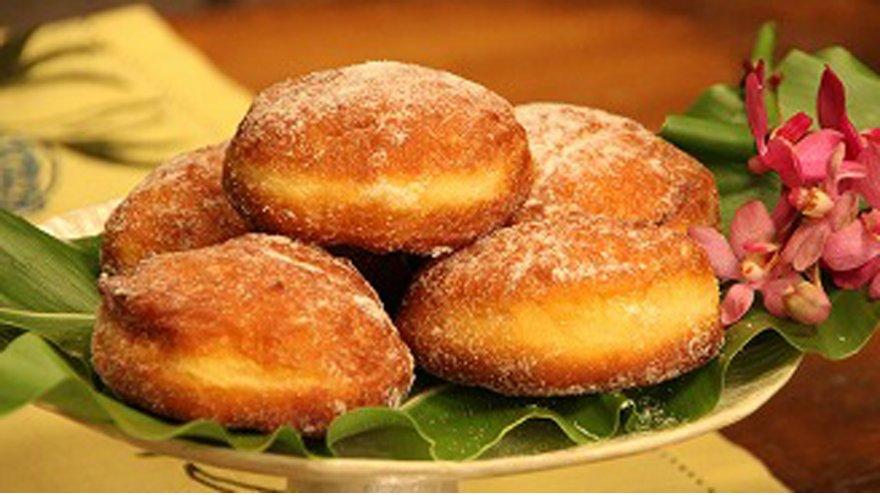
Malasadas are delightful golden-fried doughnuts known for their soft, fluffy centers and generous coating of granulated sugar. Originally brought to Hawaii by Portuguese immigrants, these irresistible treats have become a beloved part of Hawaiian food culture. Unlike traditional doughnuts, malasadas are often made without a hole in the center, giving them a pillowy texture and plenty of room for optional creamy fillings.
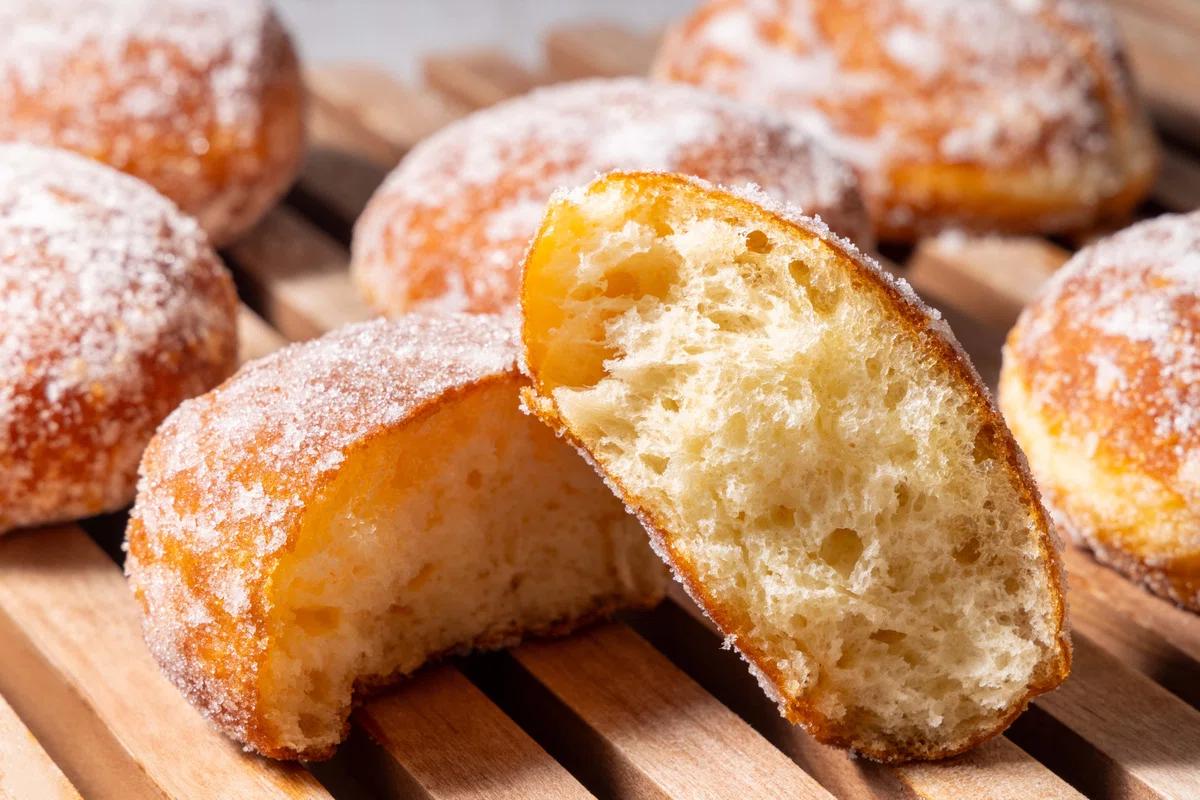
Malasadas:
The secret to delicious malasadas lies in the yeast dough. Eggs, milk, butter, and sugar create a rich, tender texture, while yeast helps the dough rise until it becomes light and airy. After frying, the warm pastries are rolled in sugar, creating a delicate, sweet coating that complements the soft interior. Although they take some time to rise, the preparation is straightforward and rewarding.
Whether you serve them for breakfast, enjoy them as an afternoon snack, or prepare them for a family celebration, homemade malasadas are sure to impress. Best of all, you can enjoy them plain or experiment with fillings such as custard, chocolate, or tropical fruit cream.
History of Malasadas:
Malasadas originated in Portugal, where the name refers to a fried dough pastry. Portuguese immigrants brought the tradition to Hawaii in the late nineteenth century, particularly during the period when workers arrived to work on sugar plantations.
Over time, malasadas became closely associated with Hawaiian celebrations, bakeries, and community gatherings. They are especially popular around Shrove Tuesday, sometimes called Malasada Day, when families enjoy these sweet treats before the Lenten season.
Today, Hawaiian malasadas are celebrated for their soft texture, simple sugar coating, and delicious variations. Some bakeries serve the traditional unfilled version, while others offer fillings inspired by local flavors, including coconut, haupia, and tropical fruit.
Subscribe to our youtube channel Kitchenpedia for more delicious recipes and hit the like button if you enjoyed this youtubevideo. Share it with your friends and Family.
Malasadas

Ingredients
For the Dough
- 3½ cups all-purpose flour
- 2¼ teaspoons active dry yeast (1 standard packet)
- ¼ cup granulated sugar
- ¾ cup warm milk
- 3 large eggs
- ¼ cup unsalted butter, melted and cooled
- ½ teaspoon salt
- 1 teaspoon vanilla extract (optional)
For Frying and Coating
- Vegetable oil, for deep-frying
- 1 cup granulated sugar, for coating
Optional Fillings
- Vanilla pastry cream
- Chocolate custard
- Coconut cream
- Guava or passion fruit filling
Instructions
- Pour the warm milk into a small bowl. The milk should feel warm, not hot. Add the yeast and a teaspoon of the measured sugar, then stir gently. Leave the mixture for 5–10 minutes until it becomes foamy.If the mixture does not foam, the yeast may be inactive or the milk may have been too hot or too cold.
- In a large mixing bowl, combine the flour, remaining sugar, and salt. Add the yeast mixture, eggs, melted butter, and vanilla extract if using.Mix until a soft dough forms. Knead by hand for approximately 8–10 minutes, or use a stand mixer with a dough hook for 5–7 minutes. The dough should become smooth and elastic, although it may remain slightly sticky.
- Place the dough in a lightly greased bowl and cover it with a clean kitchen towel or plastic wrap. Leave it in a warm place for about 1–1½ hours, or until it doubles in size.This rising stage is important because it helps create the characteristic light, airy texture.
- Gently press the dough to release excess air. Transfer it to a lightly floured surface and divide it into 12–15 equal portions.Shape each portion into a smooth ball. Place the balls on parchment-lined trays, leaving enough space between them. Cover loosely and let them rise for another 20–30 minutes.
- Pour vegetable oil into a deep, heavy-bottomed pot to a depth of approximately 2–3 inches. Heat it to 350°F (175°C), checking with a cooking thermometer if available.Maintaining a steady temperature is essential. If the oil is too hot, the outside may brown before the center cooks. If it is too cool, the malasadas can absorb excess oil.
- Carefully lower a few dough balls into the hot oil, making sure not to overcrowd the pot. Fry for approximately 2–3 minutes per side, turning as needed, until they are evenly golden brown and cooked through.Transfer the cooked malasadas to a wire rack or a paper towel-lined plate. Allow excess oil to drain before coating.
- While the malasadas are still warm, roll each one in granulated sugar until evenly coated. The warmth helps the sugar adhere to the surface.For a different finish, combine the sugar with a small pinch of cinnamon.
- For filled malasadas, let the pastries cool slightly. Use a piping bag fitted with a long filling tip to add pastry cream, chocolate custard, or coconut cream.Serve the malasadas fresh and warm. Their soft centers and sweet exterior taste best shortly after frying.
Notes
-
Use fresh yeast: Active yeast helps the dough rise properly and creates a fluffy texture.
-
Check milk temperature: Milk that is too hot can damage the yeast.
-
Expect a soft dough: Avoid adding too much extra flour, which can make the pastries dense.
-
Allow enough rising time: The dough should visibly expand before shaping and frying.
-
Avoid overcrowding: Fry only a few malasadas at a time.
-
Monitor oil temperature: Keep the oil close to 350°F (175°C) throughout cooking.
-
Coat while warm: Sugar sticks best when the pastries are freshly fried.
-
Enjoy them fresh: Malasadas are at their best on the day they are made.
Tips for Perfect Malasadas:
-
Measure flour carefully: Too much flour can make the dough heavy.
-
Knead thoroughly: Proper kneading helps develop the structure needed for a soft interior.
-
Create a warm rising environment: A comfortably warm, draft-free location encourages the dough to rise.
-
Use a thermometer: It makes controlling frying temperature much easier.
-
Turn gently: Use a slotted spoon or spider strainer to turn the pastries without damaging them.
-
Try flavored sugar: Add cinnamon or a little finely grated citrus zest to the coating sugar.
-
Experiment with fillings: Vanilla custard, chocolate, and coconut cream are delicious options.
-
Make even portions: Similar-sized dough balls cook at a more consistent rate.
FAQ’s for Malasadas:
1. What are malasadas?
Malasadas are Portuguese-style fried dough pastries that became especially popular in Hawaii. They are typically round, fluffy, and coated in granulated sugar.
2. Are the same as doughnuts?
They are similar, but traditional malasadas are usually made without a hole and often have a lighter, pillowy texture. Hawaiian versions are commonly rolled in sugar rather than topped with icing.
3. Can I make dough ahead of time?
Yes. You can prepare the dough and refrigerate it, covered, overnight. Allow it to warm slightly and finish rising as needed before shaping and frying.
4. Why are my malasadas dense?
Dense malasadas may result from inactive yeast, insufficient rising time, too much flour, or overworking the dough after it rises.
5. Can I bake malasadas instead of frying them?
You can bake the dough, but the result will be closer to a sweet bread roll than a traditional malasada. Frying produces the characteristic exterior and texture.
6. What oil is best for frying malasadas?
Use a neutral oil with a high smoke point, such as vegetable, canola, or sunflower oil.
7. Can I fill malasadas?
Absolutely. Popular fillings include vanilla custard, chocolate cream, coconut haupia, and fruit-based fillings. Add them after frying and cooling slightly.
8. How should I store leftover ?
Store leftovers in an airtight container at room temperature for up to 1–2 days. Reheat briefly in an oven or air fryer to refresh the exterior. The texture will not be quite the same as freshly fried pastries.
Conclusion:
Malasadas are a wonderful combination of Portuguese baking tradition and Hawaiian food culture. With their fluffy interiors, golden exteriors, and sweet sugar coating, these homemade pastries make an irresistible breakfast treat or dessert.
Although the yeast dough needs time to rise, the process is simple when you follow each step carefully. You can keep the malasadas traditional and unfilled or add custard, chocolate, or coconut cream for a special variation. Make a batch for your family, serve them warm, and enjoy the delicious charm of homemade Hawaiian malasadas.