

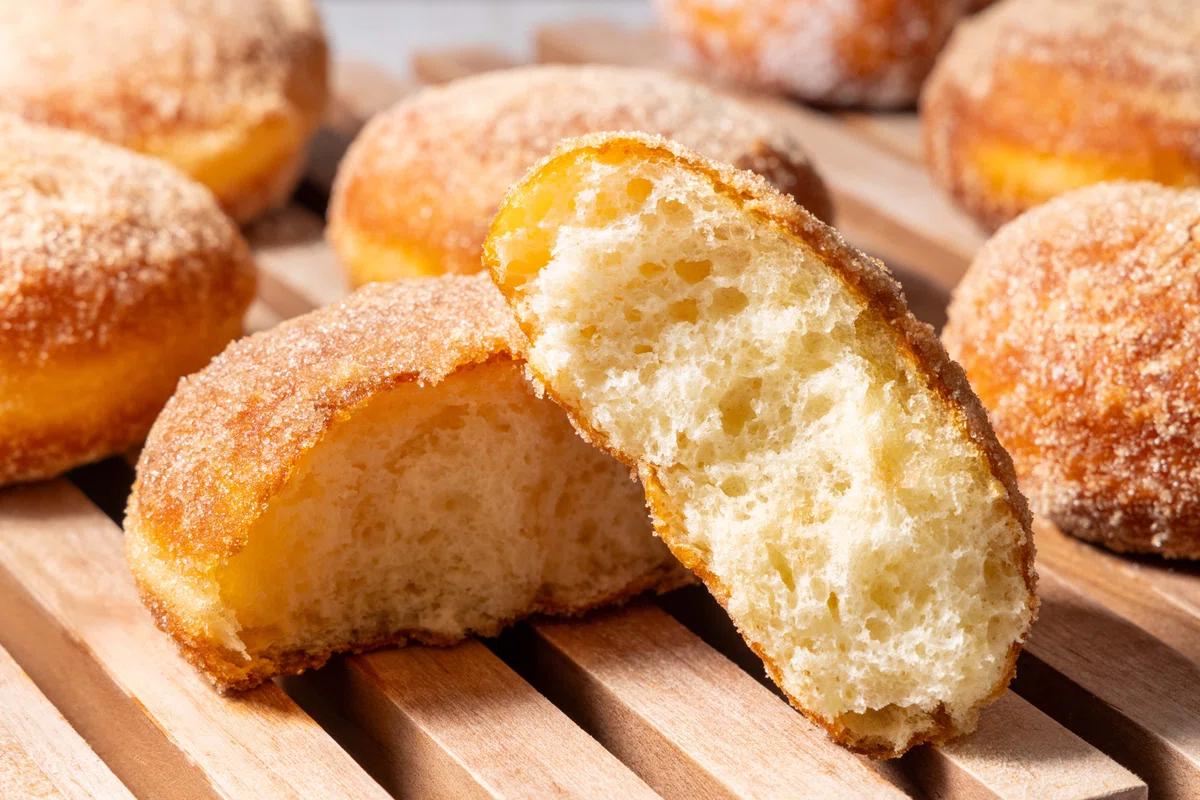
Malasadas Dois are delightful Portuguese-inspired fried doughnuts with a crisp, golden exterior and a light, tender interior. These sweet treats are inspired by the traditional malasadas associated with Portuguese cuisine, especially the Azorean islands, where simple yeast dough is transformed into irresistible fried pastries. Rolled in sugar while warm, they offer a comforting combination of sweetness, softness, and rich homemade flavor.
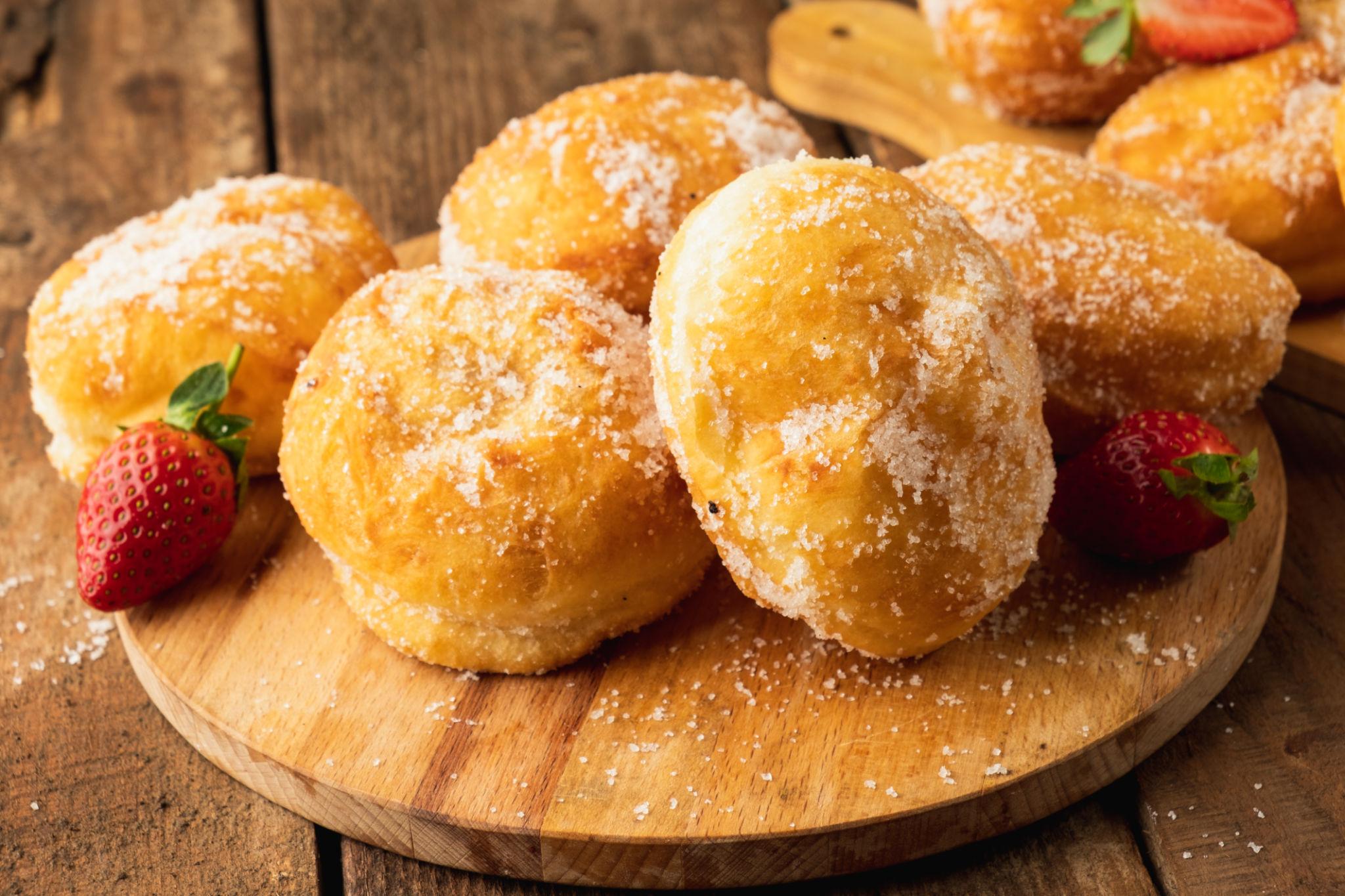
Malasadas Dois:
Perfect for breakfast, afternoon tea, festive celebrations, or a special weekend dessert, these doughnuts are made with everyday baking ingredients such as flour, yeast, sugar, eggs, milk, and butter. The dough is allowed to rise before being shaped and fried until beautifully golden. A final coating of granulated sugar gives each piece a delicate sweetness and a classic finish.
One of the best things about making Malasadas Dois at home is enjoying them fresh from the fryer. Their pillowy texture and lightly crisp surface make them delicious on their own, although you can also serve them with fruit preserves, chocolate sauce, or a dusting of cinnamon sugar. This homemade recipe brings the warmth of traditional Portuguese-style baking into your kitchen with simple ingredients and easy-to-follow instructions.
History:
Malasadas are commonly associated with Portugal, particularly the Azores and Madeira, where fried dough pastries have long been part of local food traditions. Portuguese immigrants also introduced malasadas to Hawaii, where they became especially popular and developed into a much-loved treat at bakeries and community celebrations.Traditional malasadas are made from enriched yeast dough that is shaped into rounds and deep-fried. In some versions, the dough is relatively simple, while others contain eggs, milk, or butter for a richer texture. Sugar is the classic coating, though modern variations may include custard, chocolate, or other sweet fillings.The name “Malasadas Dois” does not identify one universally standardized Portuguese recipe. The version below is a homemade Portuguese-inspired malasada recipe designed to produce soft, fluffy doughnuts with a sugary finish.
Subscribe to our youtube channel Kitchenpedia for more delicious recipes and hit the like button if you enjoyed this youtubevideo. Share it with your friends and Family.
Malasadas Dois

Ingredients
For the Dough
- 4 cups (500 g) all-purpose flour
- 2 1/4 teaspoons (7 g) instant yeast
- 1/3 cup (65 g) granulated sugar
- 3/4 teaspoon salt
- 2 large eggs, at room temperature
- 1 cup (240 ml) lukewarm milk
- 1/4 cup (57 g) unsalted butter, softened
- 1 teaspoon vanilla extract
- 1/4 teaspoon ground nutmeg, optional
For Frying and Coating
- Neutral vegetable oil, sufficient for deep-frying
- 1 cup (200 g) granulated sugar for coating
- 1 teaspoon ground cinnamon, optional
Instructions
- If using active dry yeast, combine it with the lukewarm milk and a teaspoon of the measured sugar. Leave it for 5–10 minutes until foamy. If using instant yeast, you can mix it directly with the dry ingredients.Make sure the milk is lukewarm rather than hot, as excessive heat can damage the yeast.
- In a large mixing bowl, combine the flour, yeast if using instant yeast, sugar, salt, and optional nutmeg. Mix thoroughly so the ingredients are evenly distributed.
- Add the eggs, lukewarm milk, and vanilla extract. Mix until a rough dough forms. Add the softened butter and continue mixing until it is incorporated.
- Knead the dough for approximately 8–10 minutes by hand, or 5–7 minutes using a stand mixer with a dough hook. The dough should become smooth, elastic, and slightly tacky.If the dough feels excessively sticky, add flour one tablespoon at a time. Avoid adding too much, as a dry dough can produce heavy doughnuts
- Place the dough in a lightly greased bowl and cover it with a clean kitchen towel or plastic wrap. Let it rise in a warm place for about 60–90 minutes, or until approximately doubled in size.
- Gently press the dough to release excess air. Transfer it to a lightly floured surface and divide it into 12–14 equal portions.Shape each portion into a smooth ball or slightly flattened round. Place the pieces on a parchment-lined tray, leaving enough space between them.
- Cover the shaped dough loosely and let it rest for another 20–30 minutes. The dough should look slightly puffed and feel light.Meanwhile, place the coating sugar in a shallow bowl. Add cinnamon if you prefer a spiced finish.
- Pour vegetable oil into a deep, heavy-bottomed pot, filling it no more than halfway. Heat the oil to approximately 170–175°C (340–350°F).Use a kitchen thermometer if possible. Oil that is too hot will brown the outside before the center cooks, while oil that is too cool can make the doughnuts greasy.
- Carefully lower a few dough portions into the oil, leaving enough room for them to expand. Fry for approximately 2–3 minutes per side, adjusting the time according to their size.Turn them gently and cook until both sides are golden brown and the centers are cooked through. Avoid overcrowding the pot because this lowers the oil temperature.
- Remove the cooked malasadas with a slotted spoon and place them on a wire rack or a tray lined with paper towels.When they are warm but safe to handle, roll them in granulated sugar until evenly coated. For a cinnamon variation, use the prepared cinnamon sugar.
- Allow the doughnuts to cool slightly before serving. Enjoy them plain or pair them with fruit jam, chocolate sauce, or a little pastry cream.Food safety tip: Never leave hot oil unattended. Keep water away from the frying pot, lower the dough gently to prevent splashing, and never use water to extinguish an oil fire.
Notes
- Use fresh yeast: Fresh, active yeast helps create light and fluffy doughnuts.
- Check the milk temperature: Lukewarm milk encourages yeast activity without damaging it.
- Measure the flour carefully: Too much flour can make the doughnuts dense.
- Allow adequate rising time: Proper fermentation improves the flavor and texture.
- Keep the dough covered: This prevents the surface from drying during proofing.
- Maintain oil temperature: Consistent heat helps the doughnuts cook evenly.
- Coat while warm: Sugar adheres best when the malasadas are still slightly warm.
- Enjoy them fresh: Malasadas are at their best on the day they are fried.
Tips for Malasadas Dois:
- Use room-temperature eggs to help the ingredients combine smoothly.
- Knead the dough until it becomes elastic and cohesive.
- Avoid adding excessive flour when shaping the dough.
- Make the dough portions similar in size for even cooking.
- Use a thermometer to keep the frying oil between 170–175°C.
- Fry in small batches to prevent the oil temperature from dropping.
- Allow excess oil to drain before coating the doughnuts with sugar.
- Experiment with cinnamon sugar, vanilla pastry cream, or fruit preserves for delicious variations.
FAQs for Malasadas Dois:
1. What are Malasadas Dois?
Malasadas Dois is the recipe name used here for a homemade Portuguese-inspired fried doughnut variation. Traditional malasadas are enriched yeast-dough pastries commonly coated in sugar.
2. Are malasadas the same as regular doughnuts?
They are similar because both are often made from yeast dough and fried. However, malasadas are typically served without a hole and are commonly coated in granulated sugar rather than glazed.
3. Can I prepare the dough ahead of time?
Yes. You can cover the dough and refrigerate it overnight after the first rise. Let it warm slightly, shape it, and allow the shaped portions to become puffy before frying.
4. Why are my malasadas dense?
Dense malasadas may result from inactive yeast, insufficient rising time, too much flour, or dough that has not been kneaded adequately. Make sure the yeast is active and allow the dough to rise until visibly expanded.
5. Why are my malasadas oily?
Oil that is too cool can cause the dough to absorb more fat. Maintain the recommended frying temperature and avoid overcrowding the pot.
6. Can I bake malasadas instead of frying them?
Yes, although the result will be different from traditional fried malasadas. Bake the shaped dough in a preheated oven at approximately 180°C (350°F) until cooked and lightly golden, then brush lightly with melted butter and coat with sugar.
7. Can I fill malasadas with cream or jam?
Absolutely. Once the doughnuts have cooled slightly, use a piping bag to add custard, chocolate cream, or fruit jam. Fill them carefully to avoid splitting the dough.
8. How should I store leftover malasadas?
Store completely cooled malasadas in an airtight container at room temperature for up to 1–2 days. They may lose some softness over time. Reheat briefly in an oven or air fryer, and add fresh sugar coating if needed.
Conclusion:
Malasadas Dois are a delicious homemade treat inspired by Portugal’s beloved fried-dough traditions. Their golden exterior, soft center, and sweet sugar coating make them perfect for breakfast, dessert, afternoon tea, and special celebrations.With simple ingredients, careful proofing, and the right frying temperature, you can create fluffy doughnuts in your own kitchen. Serve them warm for the best flavor, or personalize them with cinnamon sugar, fruit jam, or creamy fillings. This recipe is a delightful way to bring Portuguese-inspired sweetness to your family table.